
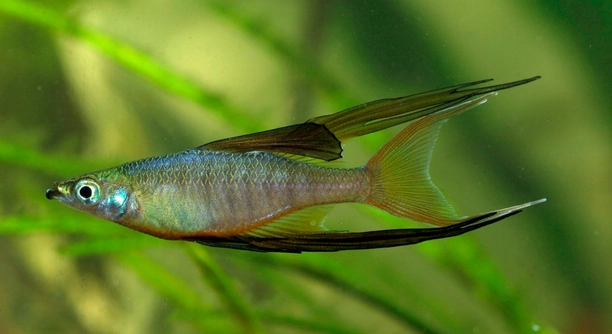
Do you ever notice your Threadfin Rainbowfish swimming alone at the bottom of the tank, ignoring others and even avoiding you? These small, colorful fish can suddenly seem distant despite their normally social behavior.
Threadfin Rainbowfish may stop interacting due to stress, illness, poor water conditions, or environmental changes. Factors such as overcrowding, inadequate diet, or lack of hiding spaces can significantly alter their behavior and lead to withdrawal from social engagement.
Understanding these changes is essential for their care. Observing their environment and habits closely can help restore their natural interactions and overall well-being.
Common Causes of Withdrawal
Stress is one of the main reasons Threadfin Rainbowfish may stop interacting. Sudden changes in water temperature or pH levels can create discomfort, making fish retreat to the corners of the tank. Overcrowding is another significant factor. When too many fish share limited space, social behaviors break down, and some may isolate themselves. Diet also plays a crucial role. Poor nutrition can weaken the immune system, leaving fish less active and less inclined to engage. Even minor injuries from sharp decorations or aggressive tank mates can cause hesitation to interact. Providing hiding spots helps reduce anxiety, allowing fish to feel secure. Lighting and noise levels also affect behavior; too bright or constantly fluctuating lights can create unease. Observing these factors carefully can reveal patterns in behavior, guiding adjustments that encourage fish to resume their normal interactions and remain healthy and active in the tank environment.
Addressing these conditions early can prevent long-term withdrawal and health problems in Threadfin Rainbowfish.
Making small, consistent improvements in water quality, tank setup, and diet often restores confidence. Fish gradually return to social activity once their environment stabilizes and they feel safe. Observing their preferences for specific hiding spots or swimming areas can also guide better tank management.
Environmental Adjustments to Encourage Interaction
Water quality is essential for fish behavior. Poor conditions can lead to illness and social withdrawal, directly impacting interaction levels.
Maintaining proper filtration and performing regular water changes are critical steps. Checking temperature, pH, and ammonia levels ensures a stable environment. Introducing plants and decorations provides natural hiding areas, reducing stress and promoting exploration. Lighting should mimic natural cycles to encourage activity. Avoid overcrowding by limiting the number of fish per tank volume, giving each fish enough personal space. Diet improvements, including high-quality pellets and occasional live food, can enhance energy and motivation to socialize. Monitoring interactions daily allows early detection of behavioral shifts.
Behavioral changes often reflect underlying health or environmental issues. Even subtle signs, such as reduced swimming speed or lingering near the tank bottom, indicate the need for intervention. Gradual adjustments, rather than sudden changes, allow Threadfin Rainbowfish to adapt without additional stress. Ensuring a stable, clean environment supports both physical and mental well-being, increasing the likelihood that withdrawn fish will re-engage with others. Tank owners who maintain careful observation, combined with consistent care practices, can restore normal social behaviors while preventing future episodes of isolation.
Recognizing Signs of Illness
Lethargy, faded colors, and loss of appetite are clear indicators that Threadfin Rainbowfish may be unwell. These signs often coincide with withdrawal, signaling the need for immediate attention to prevent further health decline.
Illness in Threadfin Rainbowfish can stem from bacterial, parasitic, or fungal infections. Observing unusual swimming patterns, clamped fins, or excessive hiding helps identify problems early. Prompt treatment with appropriate medications, quarantine procedures, or water adjustments can reduce the risk of spreading disease. Maintaining a consistent cleaning routine and avoiding sudden changes in temperature or water chemistry supports recovery and prevents relapse.
Preventive care is just as important as treatment. Feeding high-quality food, providing proper tank conditions, and reducing stressors helps strengthen immunity. Regular observation allows tank owners to notice subtle behavioral shifts, ensuring quick intervention before minor issues become serious health concerns.
Social Behavior and Hierarchy
Threadfin Rainbowfish naturally establish pecking orders, and sudden changes in the group can trigger isolation. Dominant fish may intimidate weaker ones, causing temporary withdrawal from social activity.
Maintaining stable group dynamics is essential. Removing aggressive tank mates or introducing new fish gradually can reduce stress and allow all individuals to adjust. Providing hiding spaces and varied swimming areas helps less dominant fish find refuge without conflict. Observing interactions closely over several days ensures that no fish is consistently bullied or excluded. Recognizing these patterns early allows owners to adjust tank setup and social composition, promoting harmony.
Behavioral observation remains key to long-term success. Even subtle dominance struggles can affect feeding, growth, and overall well-being. Encouraging group cohesion through careful monitoring and environmental adjustments supports healthy social interaction. Tank modifications like plants, rocks, and open swimming zones allow fish to express natural behaviors while minimizing stress. Over time, withdrawn fish may regain confidence, rejoin group activities, and thrive alongside their companions when the hierarchy stabilizes. Consistent care and observation foster a supportive environment for all fish, ensuring they remain active and engaged.
Water Quality Monitoring
Regular testing for ammonia, nitrites, and nitrates is crucial. Poor water quality can quickly stress Threadfin Rainbowfish, leading to withdrawal and health issues.
Keeping water parameters stable through consistent changes and filtration helps fish feel secure. Sudden fluctuations are a common cause of behavioral changes and should be avoided.
Adjusting Tank Environment
Adding plants, hiding spots, and open swimming areas reduces stress and encourages natural behavior. Overcrowded or bare tanks often cause fish to isolate themselves. Proper arrangement helps each fish find comfort zones and promotes healthy interaction.
Feeding Practices
High-quality food and varied diet are essential. Poor nutrition can lower energy, making fish less likely to engage socially or explore their environment.
Observing Behavior
Daily observation allows early detection of issues like illness, bullying, or environmental stress. Noting changes helps address problems before withdrawal becomes severe.
FAQ
Why has my Threadfin Rainbowfish suddenly stopped interacting?
Sudden withdrawal is often caused by stress, illness, or changes in the tank environment. Poor water quality, overcrowding, or aggressive tank mates can all trigger social withdrawal. Illness and dietary deficiencies can also reduce energy, leaving the fish less likely to engage with others.
How can I tell if my fish is sick or just shy?
Signs of illness include lethargy, faded colors, clamped fins, loss of appetite, and unusual swimming patterns. Shyness may involve occasional hiding but with normal swimming, eating, and interactions at times. Careful observation over several days helps distinguish between the two.
Can poor water quality make my Rainbowfish withdraw?
Yes, fluctuations in temperature, pH, ammonia, nitrites, or nitrates can stress fish. Even small, consistent changes in water chemistry can create discomfort and encourage isolation, so regular testing and maintenance are essential.
Does overcrowding affect interaction?
Overcrowding increases stress, competition for food, and social tension. Dominant fish may intimidate weaker ones, pushing them to hide. Maintaining an appropriate fish-to-tank ratio helps reduce stress and encourages natural social behavior.
Will changing the tank layout help?
Yes. Adding plants, rocks, or other hiding spots provides security and reduces stress. Open swimming areas encourage exploration, while multiple refuges allow withdrawn fish to feel safe and gradually re-engage with the group.
Is diet really a factor in social behavior?
Absolutely. Poor nutrition weakens immunity and reduces energy. High-quality flakes or pellets, supplemented with live or frozen food, improves vitality, encouraging fish to swim actively and interact with tank mates.
How long does it take for a withdrawn fish to return to normal?
Recovery depends on the underlying cause. Fish may resume normal behavior in days if stressors are removed. Illness recovery can take longer, requiring proper treatment, stable water conditions, and careful observation to ensure the fish regains confidence and energy.
Can tank mates influence interaction?
Yes. Aggressive or overly dominant fish can intimidate others. Introducing new fish slowly and monitoring social dynamics helps reduce stress. If bullying occurs, separating aggressive individuals or providing more hiding spaces can restore balance.
Should I quarantine a withdrawn fish?
Quarantine is recommended if illness is suspected. Isolating the fish allows targeted treatment without exposing others. Even if the withdrawal is stress-related, temporary separation can help the fish regain confidence in a controlled environment.
What daily practices support social behavior?
Regular feeding, water checks, and monitoring interactions help maintain a healthy environment. Observing fish carefully allows early detection of stress or illness. Gradual improvements in diet, environment, and group dynamics encourage active and social behavior over time.
Can lighting and noise impact interaction?
Yes. Excessive lighting or sudden changes, along with loud or constant noise, can stress fish. Simulating natural light cycles and maintaining a calm environment encourages normal activity and reduces the likelihood of withdrawal.
How can I prevent withdrawal in the future?
Consistency is key. Stable water parameters, proper diet, appropriate tank size, gradual introductions, and a balanced group of tank mates create a supportive environment. Regular observation and timely adjustments help prevent stress, illness, and behavioral changes before they escalate.
Are there behavioral cues I should watch for daily?
Yes. Reduced swimming, avoiding food, hiding for long periods, or being constantly chased are all warning signs. Noting these patterns allows proactive care, preventing long-term withdrawal and supporting both physical and social well-being of Threadfin Rainbowfish.
Can a single fish thrive alone if it stops interacting?
Threadfin Rainbowfish are social by nature. Long-term isolation can lead to stress and health decline. Even if one fish temporarily withdraws, providing company, hiding spots, and gradual reintroduction encourages social recovery and maintains mental stimulation.
Does tank size matter for social behavior?
Yes. Small tanks increase competition and stress. A properly sized tank with adequate swimming space allows natural hierarchy formation, reduces bullying, and supports healthy interaction. Larger tanks with thoughtful decoration balance activity and refuge areas, promoting consistent social behavior.
What role does observation play in maintaining social interaction?
Observation is essential. Watching daily behaviors helps detect subtle changes caused by stress, illness, or environmental shifts. Early intervention through water adjustments, tank modifications, or dietary improvements ensures fish remain active and engaged, preventing long-term withdrawal.
How do I encourage a shy fish to socialize again?
Provide hiding spots, maintain stable water, offer high-quality food, and minimize stressors. Gradual exposure to tank mates and gentle observation allow the fish to regain confidence. Over time, most withdrawn individuals will return to normal activity if conditions remain consistent and supportive.
Can temperature changes cause sudden withdrawal?
Yes. Threadfin Rainbowfish are sensitive to temperature fluctuations. Even small, rapid changes can create stress and encourage hiding. Maintaining a stable, appropriate temperature range is critical to promoting comfort, reducing stress, and supporting normal social behavior.
Are there signs that indicate improvement in a withdrawn fish?
Yes. Increased swimming, brighter colors, approaching food, and rejoining group activity indicate recovery. Subtle behaviors like exploring the tank or interacting briefly with tank mates suggest the fish is gradually regaining confidence and comfort in its environment.
Is professional advice sometimes necessary?
Yes. If withdrawal persists despite stable water, proper diet, and social adjustments, consulting a veterinarian experienced with fish can help identify underlying illness or provide targeted treatment, ensuring the long-term health and social well-being of Threadfin Rainbowfish.
Can seasonal changes affect behavior?
Yes. Changes in room temperature, lighting duration, or seasonal water chemistry can influence behavior. Awareness of these factors allows minor adjustments to maintain stability, preventing withdrawal and supporting consistent social engagement.
How do I balance multiple stress factors?
Address each factor individually and gradually. Stabilize water, adjust tank layout, improve diet, and monitor interactions. Incremental changes reduce stress and allow fish to adapt, restoring confidence and social activity without overwhelming them.
Is there a difference in behavior between males and females?
Yes. Males may be more dominant or territorial, influencing group dynamics. Females can be more sensitive to stress or aggression. Understanding these tendencies helps manage social interactions and reduces the likelihood of withdrawal in either sex.
What is the most effective long-term approach to prevent withdrawal?
Consistency, observation, and proactive care are essential. Stable water conditions, proper tank setup, balanced diet, attention to social dynamics, and gradual introductions create an environment where Threadfin Rainbowfish feel secure, healthy, and active, reducing the risk of withdrawal and maintaining long-term well-being.
Final Thoughts
Threadfin Rainbowfish are naturally social and active fish, but their behavior can change quickly when stress, illness, or environmental issues arise. Observing your fish closely is the first step in understanding why they may stop interacting. Simple changes, like stabilizing water conditions, maintaining proper temperature, and providing adequate hiding spaces, can make a significant difference. Even small adjustments to their environment, such as adding plants or rearranging decorations, help them feel secure. Fish are sensitive to sudden changes, so creating a calm and consistent habitat encourages them to return to normal activity. Paying attention to subtle signs, like reduced swimming, hiding, or color fading, allows early intervention before problems escalate.
Proper diet is another essential factor in keeping Threadfin Rainbowfish healthy and social. High-quality food, combined with occasional live or frozen options, ensures they receive the nutrients needed for energy and vitality. Well-fed fish are more likely to swim actively and interact with tank mates. In addition, avoiding overcrowding and carefully monitoring social dynamics helps prevent stress caused by dominant or aggressive individuals. Providing multiple swimming areas and hiding spots allows each fish to establish its own comfort zone. This balance encourages natural behaviors while minimizing conflict. Gradual introductions of new fish and careful observation over time also support a healthy social environment.
Maintaining consistent care and being attentive to behavior are key for long-term success. Withdrawal is usually a response to stress, illness, or environmental challenges, and it is rarely permanent when addressed properly. By creating a stable and comfortable habitat, ensuring proper nutrition, and managing social interactions carefully, Threadfin Rainbowfish can regain confidence and engage fully with their group. Daily observation allows you to notice subtle shifts and make timely adjustments, preventing minor issues from developing into serious health problems. Over time, fish will feel secure, energetic, and active, demonstrating the bright, social behavior that makes them enjoyable to keep. Consistency, patience, and attention to detail are the most effective ways to maintain their health, happiness, and overall well-being in the aquarium.

Hello,
If you enjoy the content that we create, please consider saying a "Thank You!" by leaving a tip.
Every little bit helps us continue crafting quality advice that supports the health, happiness, and well-being of pets around the world, for pets of all shapes, sizes, and species.
We really appreciate the kindness and support that you show us!