
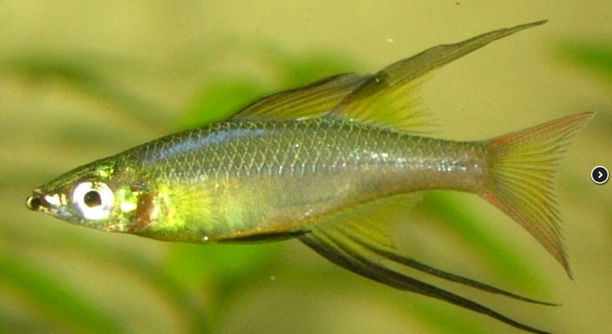
Do you enjoy observing fish in your aquarium and find yourself captivated by their intricate behaviors? Threadfin rainbowfish are especially fascinating, as their movements and interactions reveal unique patterns during breeding. Watching them can be both calming and educational.
When observing a Threadfin rainbowfish breeding dance, key indicators include the male displaying vibrant colors, performing deliberate circling movements around the female, and creating a clear territory. These behaviors signal readiness to mate and facilitate successful spawning within a controlled environment.
Understanding these subtle behaviors is essential for successful breeding and maintaining a healthy aquarium. Each gesture plays a role in the reproductive process and overall fish well-being.
Recognizing the Male’s Display
Male Threadfin rainbowfish are the primary performers in the breeding dance, showing off bright, shimmering colors to attract females. Their fins spread wide, and bodies bend in rhythmic arcs while swimming around the female. This display not only signals readiness but also establishes dominance in the territory. Observation is key; males often repeat movements several times, giving females the chance to respond. The intensity of their colors increases during peak interest, making it easier to identify active participants in the breeding process. Some males may also chase away other males, ensuring their display remains uninterrupted. These behaviors are natural and indicate a healthy fish. Lighting and tank conditions influence how vivid the colors appear, so proper care is essential. Documenting these displays helps track breeding success over time. Consistent observation allows owners to recognize patterns and anticipate spawning events.
Male displays are a strong indicator that spawning will likely occur soon if conditions remain stable.
Tracking these movements over time helps create a reliable breeding schedule. Noting how long males perform their displays, the frequency of interactions with females, and the effect of tank environment adjustments can improve overall success. Adjusting water temperature slightly or enhancing lighting often increases display frequency. Recording which males respond better in mixed groups allows for selective pairing, ensuring the strongest genes are passed on. Observing behavior also highlights potential stressors, such as overcrowding or aggressive tank mates, that could disrupt mating. These details make managing a breeding tank more precise and predictable, improving the chances for healthy offspring while maintaining a balanced aquarium ecosystem.
Female Responses and Interaction
Females are more subtle, often showing interest by following or lingering near the male during his display.
Female Threadfin rainbowfish respond to male dances with careful observation and gradual approach. They may position themselves near plants or in corners, signaling preference without aggressive behavior. This selective response ensures that only healthy males with the most vivid displays succeed, contributing to strong offspring. Watching females closely can indicate readiness to spawn, as they will become more active and engage directly with males. Recognizing these interactions is crucial for creating an environment that supports natural breeding patterns. Providing adequate hiding spots and gentle water flow allows females to respond without stress. Timing the introduction of females to a male’s display area can increase engagement and reduce competition. Understanding female behavior helps in arranging tanks that optimize both visibility and comfort. These subtle cues often determine which males will succeed and which pairings are most compatible, ultimately influencing the overall breeding outcome.
Timing and Environment
Breeding dances are influenced by light cycles, water temperature, and tank setup. Consistent conditions encourage natural behavior and increase the likelihood of successful mating. Observing these factors helps determine the optimal timing for breeding activity in Threadfin rainbowfish.
Maintaining stable water conditions is critical. Slight variations in temperature or pH can disrupt the male’s display and reduce female responsiveness. Using natural light cycles or timers simulates day and night rhythms, which triggers consistent breeding behavior. Plants and hiding spots give females security while allowing males to perform uninterrupted displays. Avoid sudden changes, as Threadfin rainbowfish are sensitive to stress, which can inhibit mating and affect overall health. Regular observation ensures that subtle environmental cues align with the fish’s natural patterns, promoting successful spawning.
Monitoring behavior alongside environmental adjustments can help predict breeding times. Changes in male activity, such as increased circling or intensified colors, often indicate readiness. Recording these patterns over several weeks provides insight into individual fish preferences and improves pairing decisions. Adjusting tank layout, like adding floating plants or rearranging decorations, can enhance visual signals during the dance. Noting which environmental conditions produce the most consistent displays aids in creating a long-term breeding strategy, allowing for controlled and repeated success.
Feeding and Health
Proper nutrition supports vibrant colors and active breeding behavior in Threadfin rainbowfish. A balanced diet strengthens overall health and readiness for mating.
High-quality flakes, live foods, and occasional frozen options provide essential vitamins and proteins. Healthy males exhibit brighter colors and sustained energy for prolonged displays. Females with optimal nutrition show increased responsiveness and stamina during interactions. Feeding small amounts multiple times a day prevents overeating and maintains water quality, reducing stress that could interfere with mating. Observing how fish respond to feeding routines also indicates overall health and readiness for breeding. Consistency in diet helps synchronize reproductive cycles across the tank population.
Regular health checks are essential. Inspecting fins, eyes, and swimming patterns reveals early signs of illness that may impact breeding. Quarantining new additions prevents disease introduction, while water testing ensures a stable environment. Adjusting diet to include specialized foods enhances coloration and vigor, directly influencing the quality of displays. Healthier fish breed more successfully, making careful monitoring a critical part of breeding management. Recognizing subtle changes in behavior, appetite, or energy allows timely interventions, maintaining both breeding success and the long-term wellbeing of the tank community.
Recognizing Stress Signals
Stress can significantly reduce breeding success in Threadfin rainbowfish. Signs include erratic swimming, hiding excessively, or fading colors. Identifying these behaviors early allows adjustments to the environment or tank mates, improving breeding conditions.
Overcrowding and sudden changes in water parameters are common stress triggers. Minimizing these factors and providing adequate hiding spots can restore calm. Regular observation helps maintain a stable, low-stress environment that encourages natural breeding behaviors.
Spawning Sites
Selecting proper spawning sites is essential. Threadfin rainbowfish prefer fine-leaved plants or dense vegetation where eggs can attach safely. Providing multiple sites reduces competition and stress.
Monitoring Egg Development
After spawning, monitoring eggs ensures successful hatching. Eggs should be checked daily for fungal growth or signs of decay. Removing compromised eggs prevents spread and supports the health of the remaining batch.
Separating Adults
Separating adults from eggs prevents accidental predation. Adults may eat eggs if left in the same tank, so temporary separation increases hatchling survival.
FAQ
How do I know if my male Threadfin rainbowfish is ready to breed?
Males show readiness through vivid colors, extended fins, and repeated circling of females. They may also establish a small territory, chasing away other males. Consistent displays over several days indicate that the male is actively preparing for spawning.
What behaviors indicate a female is receptive?
Females respond by lingering near the displaying male or positioning themselves near plants without hiding completely. Increased activity and curiosity toward the male’s movements signal readiness. A responsive female allows the male closer access to perform full display patterns.
How should I arrange plants for breeding?
Dense vegetation with fine leaves is ideal, as eggs attach securely. Multiple areas reduce competition and stress, allowing both males and females to move freely. Floating plants or small clusters at different heights can create natural spawning zones.
How often should I feed breeding fish?
Small portions two to three times daily maintain energy without overloading the tank. High-quality flakes, live foods, and occasional frozen options provide essential proteins and vitamins. Consistent feeding supports vibrant colors and active behavior.
What water conditions support breeding?
Stable temperatures between 25–28°C and a pH of 6.5–7.5 are optimal. Consistent filtration and gentle water flow prevent stress. Sudden changes in temperature, pH, or lighting can disrupt the breeding dance and reduce spawning success.
How can I prevent eggs from being eaten?
Remove adults or place eggs in a separate breeding tank. If removal is not possible, dense plants can help shield eggs, but separating adults significantly increases hatchling survival. Check eggs daily for fungal growth and remove any damaged ones promptly.
When will eggs hatch?
Eggs typically hatch in 7–10 days, depending on water temperature. Maintaining stable conditions during this period ensures healthy development. Monitor for clear signs of growth, such as visible eyes or slight movement inside the eggs.
Do I need to adjust lighting for breeding?
Simulating natural light cycles with timers encourages regular breeding behavior. About 10–12 hours of light per day supports consistent activity and display patterns. Avoid sudden changes, as fish are sensitive to abrupt shifts in brightness.
How can I tell if a breeding attempt failed?
Lack of egg deposition after repeated displays, dull colors in males, or avoidance behavior in females may indicate failure. Reassess water conditions, feeding routines, and stress levels to improve future attempts.
Should I separate males from each other?
Yes, multiple males can stress one another and reduce display quality. Providing separate territories or tanks prevents aggression and ensures each male has the opportunity to perform without interference.
What role does diet play in breeding success?
Nutrition directly affects color intensity, energy, and stamina. High-quality, protein-rich foods improve display vibrancy and female responsiveness. Poor diet leads to dull colors, less active behavior, and lower egg production.
How do I care for fry after hatching?
Feed newly hatched fry infusoria or liquid fry food, gradually moving to baby brine shrimp. Maintain clean water, gentle flow, and consistent temperature. Frequent small feedings ensure steady growth and minimize stress.
How long should I observe the breeding dance?
Continuous observation over several days helps track behavior patterns and readiness. Short daily checks may miss subtle cues, while extended monitoring allows for accurate pairing decisions and timing interventions when necessary.
Can I use artificial plants for spawning?
Yes, fine-leaved artificial plants work if live vegetation is unavailable. Ensure they provide attachment surfaces and reduce strong water currents around them. Multiple locations enhance the likelihood of successful egg deposition.
What are common mistakes during breeding?
Overcrowding, unstable water conditions, inconsistent feeding, and failure to separate adults from eggs are frequent issues. Addressing each factor carefully promotes a healthy, successful breeding environment.
How do I maintain a stress-free tank?
Provide hiding spots, avoid sudden changes, and limit aggressive interactions. Observing fish behavior regularly allows early detection of stress, which can prevent disrupted breeding and poor health outcomes.
Is it necessary to track each pair individually?
Yes, documenting behavior, display intensity, and female responses improves pairing strategies. Noting which combinations are successful allows better management of breeding tanks and ensures healthier, stronger offspring.
How important is tank size for breeding?
Adequate space allows males to display fully without interference and gives females room to respond safely. Crowded tanks increase stress and reduce breeding success. A well-sized environment supports natural movement and improves overall fish health.
Can I breed Threadfin rainbowfish year-round?
Breeding is possible year-round if environmental conditions remain stable. Light cycles, temperature, diet, and tank setup must be carefully managed to mimic natural seasonal cues, maintaining consistent readiness and behavior.
How do I know if the fry are healthy?
Healthy fry are active, feed regularly, and grow steadily. Weak movement, poor feeding, or discoloration indicates issues with water quality, nutrition, or environmental stress, which should be corrected immediately.
What are the best practices for multiple pairs?
Separate pairs into different tanks or distinct territories to reduce competition. Provide sufficient hiding spaces, monitor interactions, and track individual breeding behavior to maximize success and minimize stress.
How can I encourage repeat breeding?
Maintain stable water conditions, proper diet, and a consistent light cycle. Allow recovery periods after spawning, and continue observing behavior patterns to determine when males and females are ready for another cycle.
What is the ideal male-to-female ratio?
A ratio of one male to two or three females reduces aggression and improves display effectiveness. Overcrowding males can cause stress, diminish display quality, and lower overall breeding success.
How do I prevent fungal infections on eggs?
Maintain clean water, remove debris, and isolate eggs showing signs of fungus. Gentle aeration and proper temperature help prevent fungal growth, improving hatch rates and fry survival.
Can environmental enrichment improve breeding?
Yes, providing plants, hiding spots, and varied surfaces encourages natural behavior. Enrichment reduces stress, allows safer female responses, and improves the quality of male displays during the breeding dance.
How long should I keep adults separate after spawning?
Keep adults separate until eggs hatch and fry are strong enough to avoid predation. Typically, this period lasts 7–10 days, depending on development and environmental conditions.
What signs indicate the breeding dance is unsuccessful?
Males may display less vibrantly, females avoid interaction, or no eggs are deposited. Monitoring these signs allows adjustments to tank conditions or pairings to improve future attempts.
Are there differences in behavior among individual males?
Yes, males vary in color intensity, stamina, and display style. Observing individual traits helps select the most successful breeders and enhances the quality of offspring in subsequent cycles.
How can I optimize tank layout for visibility?
Arrange plants and decorations to allow clear sightlines for both males and females. Open areas encourage full displays, while dense regions offer security, balancing visibility with comfort for natural behavior.
When should I intervene during breeding?
Intervene if eggs show fungal growth, adults show excessive aggression, or environmental conditions fluctuate. Timely action prevents losses and maintains overall health and breeding success.
What is the best water flow for breeding tanks?
Gentle, consistent flow prevents stress and allows males to perform uninterrupted displays. Strong currents can discourage females and make egg attachment more difficult, reducing overall success.
How do I track successful pairings?
Document display behaviors, female responses, and resulting fry numbers. Consistent records allow identification of strong pairs, improving long-term breeding management and ensuring higher-quality offspring.
Can temperature adjustments trigger breeding?
Slight increases within the optimal range stimulate activity and display behavior. Sudden or extreme changes can cause stress, so adjustments should be gradual and closely monitored.
How do I prevent aggressive encounters?
Provide multiple hiding spots, maintain proper male-to-female ratios, and observe interactions. Separating overly aggressive individuals reduces stress and ensures all fish have the opportunity to participate safely in breeding.
What is the recommended tank depth for displays?
Moderate depth allows males to perform circling movements effectively. Shallow or overly deep tanks can hinder natural displays, reduce visibility for females, and limit successful spawning opportunities.
How do I know if females are stressed?
Hiding excessively, avoiding males, or showing erratic swimming indicates stress. Address environmental factors, reduce aggression, and ensure proper diet to restore natural behavior and breeding readiness.
Can breeding success vary between seasons?
Yes, natural environmental cues like light and temperature influence activity. Mimicking seasonal patterns through controlled conditions helps maintain consistent breeding behavior throughout the year.
How long does it take for fry to grow strong enough for the main tank?
Fry typically need 4–6 weeks with proper nutrition and clean water to grow sturdy enough for introduction to the main tank. Monitor growth and health closely to ensure readiness.
How important is water hardness in breeding?
Moderate hardness supports egg development and fry health. Extremely soft or hard water can reduce spawning success and affect overall fish vitality, requiring careful monitoring.
How do I prevent cannibalism among fry?
Provide hiding spots, maintain adequate food supply, and separate fry into groups if necessary. Dense vegetation or mesh barriers can help reduce predation and ensure higher survival rates.
Can I breed Threadfin rainbowfish in community tanks?
It is possible but challenging. Other species may stress fish, interfere with displays, or eat eggs. A dedicated breeding tank provides better control, safety, and higher success rates.
How can I improve male display intensity?
Optimal diet, stable water conditions, and minimal stress enhance coloration and stamina. Regular observation and selective pairing ensure the most vibrant displays are maintained during breeding periods.
What is the role of social hierarchy in breeding?
Dominant males display more confidently, while subordinates may delay or reduce activity. Managing hierarchy through space and separation prevents stress and allows all males to participate in breeding successfully.
How do I encourage females to lay eggs in specific areas?
Place fine-leaved plants or artificial spawning sites in preferred locations, ensuring security and minimal disturbance. Gradually, females learn to use these areas consistently for egg deposition.
Can stress affect egg quality?
Yes, stressed females may produce fewer or weaker eggs. Maintaining calm conditions, stable water parameters, and a balanced diet is essential to ensure healthy egg development.
How do I balance multiple males and females?
Maintain one male per two to three females, provide hiding spots, and monitor interactions. Adjusting tank layout and separating aggressive individuals prevents conflict and encourages successful breeding for all pairs.
What is the best method for cleaning breeding tanks?
Gentle water changes, careful removal of debris, and minimal disturbance prevent stress. Avoid strong currents or abrupt changes to maintain consistent conditions for breeding and egg development.
How do I know if eggs are fertile?
Fertile eggs are clear with visible eyes forming inside. Unfertile eggs appear opaque or cloudy and should be removed to prevent fungal growth, ensuring the health of developing embryos.
Can I reuse breeding tanks for multiple cycles?
Yes, with proper cleaning, filtration, and monitoring. Ensure no residual fungal spores or aggressive behavior persists to maintain optimal conditions for repeated breeding attempts.
How often should I observe fry development?
Daily checks allow detection of growth, health issues, and feeding success. Frequent monitoring helps maintain water quality, adjust feeding, and ensure consistent survival rates.
What indicators show the tank environment is optimal?
Active displays, bright coloration, responsive females, and healthy fry growth indicate successful conditions. Consistency in water parameters, diet, and layout supports ongoing breeding success.
How do I manage aggressive males during breeding?
Separate overly dominant males, provide multiple territories, and monitor interactions. Reducing aggression ensures all males can display naturally, improving overall breeding success and reducing stress.
What are signs of fry stress?
Lethargy, irregular swimming, and poor feeding indicate stress. Address water quality, overcrowding, and nutrition to promote healthy growth and survival.
Can changing tank décor influence breeding behavior?
Yes, rearranging plants or adding hiding spots can stimulate displays or reduce stress. Subtle adjustments can enhance visibility, encourage female engagement, and improve egg deposition rates.
How do I track long-term breeding success?
Record behaviors, egg numbers, fry survival, and environmental conditions. Tracking trends over multiple cycles identifies optimal strategies, improves pairing decisions, and supports consistent, high-quality offspring production.
What precautions should I take when introducing new fish?
Quarantine new fish to prevent disease, monitor interactions, and gradually integrate them. Sudden introductions can stress existing fish and reduce breeding success.
How important is consistency in tank maintenance?
Regular water changes, monitoring parameters, and feeding routines are critical. Inconsistent care can stress fish, disrupt mating behaviors, and decrease overall breeding outcomes.
What is the ideal number of fry per breeding pair?
It varies, but observing the number of eggs deposited and survival rates helps plan tank capacity and feeding. Maintaining manageable numbers improves fry health and reduces competition.
How do I prevent mold on uneaten food?
Remove excess food promptly, use small portions, and monitor feeding behavior. Mold can affect water quality and stress fish, impacting breeding success.
Can I breed Threadfin rainbowfish with other species present?
It is possible but increases risk of stress, predation, or interference. Dedicated breeding tanks yield higher success and allow controlled monitoring of behavior and egg development.
How do I balance feeding for adults and fry?
Feed adults higher-protein meals while providing suitable microfood for fry. Separate feeding zones or multiple sessions help ensure all fish receive proper nutrition without compromising water quality.
What signs indicate a male is stressed during breeding?
Faded colors, reduced display activity, or erratic swimming suggest stress. Adjusting environment, reducing competition, and ensuring proper nutrition can restore normal behavior.
How long should I leave adults apart after fry are free-swimming?
Once fry are strong swimmers and able to avoid adults, usually 2–3 weeks, they can be safely reintroduced to the main tank. Monitor interactions to prevent accidental predation.
How do I encourage synchronized breeding among multiple pairs?
Maintain consistent lighting, temperature, diet, and tank setup. Monitoring behaviors and adjusting spacing or hiding spots helps align breeding activity for more predictable results.
What is the best way to record breeding activity?
Use a notebook or digital log to track male displays, female responses, egg deposition, and fry survival. Detailed records support improved pairing strategies and long-term breeding success.
Can overfeeding affect breeding?
Yes, excess food can reduce water quality, cause stress, and limit male activity. Controlled portions maintain energy levels without compromising tank conditions or mating behavior.
How do I identify compatible pairs?
Observe male display intensity, female responsiveness, and behavior patterns. Documenting successful interactions helps select the most compatible pairs for future cycles.
What is the optimal tank size for multiple pairs?
A larger tank with adequate territories, plants, and open swimming areas reduces stress, prevents aggression, and allows all pairs to display naturally. Proper spacing enhances breeding success.
How do I manage water changes during breeding?
Perform gentle, partial water changes regularly. Avoid sudden temperature or chemical fluctuations. Maintaining stable water parameters is critical for display behavior, egg survival, and fry development.
Can I use supplements to improve breeding success?
Vitamin-enriched foods or specialized breeding diets can enhance coloration, energy, and overall health, improving male displays and female receptiveness. Supplements should complement, not replace, a balanced diet.
How do I handle fry once they are large enough for the main tank?
Gradually acclimate them to the main tank, ensuring compatible water conditions. Monitor interactions with adults and provide hiding spots to reduce stress during integration.
How important is social interaction for breeding?
Balanced social structures reduce stress and encourage natural behavior. Proper ratios, territory management, and observation of interactions ensure healthy displays and increased spawning success.
How do I prevent overcrowding in a breeding tank?
Monitor fish numbers, separate fry from adults, and avoid adding too many breeding pairs. Adequate space maintains natural behavior, reduces aggression, and supports higher survival rates.
Can breeding success improve with experience?
Yes, careful observation, record-keeping, and adjusting tank conditions over time refine pairing strategies and environmental setups, leading to more consistent, higher-quality breeding results.
How do I know if my tank setup is ideal?
Active displays, responsive females, healthy fry, and low stress indicate a well-maintained environment. Continuous observation and minor adjustments optimize conditions for ongoing breeding success.
What is the best way to observe breeding without disturbing fish?
Use external observation points, avoid tapping on glass, and limit sudden movements. Quiet, patient monitoring ensures accurate assessment of behavior while minimizing stress.
How do I balance light and shade in the tank?
Provide open areas for displays and shaded regions for security. This balance encourages male performance while allowing females to respond safely. Adjust plants or décor as needed.
Can breeding behavior indicate overall tank health?
Yes, active, bright males and responsive females reflect stable water, proper diet, and low stress. Inactive or dull behavior signals issues needing attention.
How do I manage multiple breeding cycles in the same tank?
Rotate pairs, monitor behavior, and clean tanks between cycles. Separating eggs and fry reduces competition and stress, supporting higher survival and consistent breeding outcomes.
What are common environmental mistakes to avoid?
Overcrowding, unstable temperature, poor water quality, inadequate lighting, and lack of hiding spots often reduce breeding success. Addressing these ensures a stable, conducive environment.
How can I identify successful egg deposition?
Check for small, attached eggs on plants or spawning sites. Fertile eggs appear clear, while infertile ones are cloudy. Daily inspection ensures early intervention if issues arise.
How do I prevent male fatigue during prolonged displays?
Provide proper nutrition, minimize stress, and ensure males have space to rest. Overexertion reduces display quality and can affect female engagement and overall breeding success.
Can breeding outcomes vary between individual fish?
Yes, genetics, health, behavior, and experience influence success. Tracking individual performance allows selection of the strongest, most consistent breeders for future cycles.
How do I manage temperature fluctuations naturally?
Use heaters, thermometers, and stable water sources. Gradual adjustments replicate seasonal changes without shocking fish, supporting consistent breeding behavior.
How important is water clarity for breeding observation?
Clear water allows better observation of displays, female responses, and egg deposition. Cloudy or debris-filled water can hinder monitoring and mask stress or health issues.
How do I handle aggressive interactions during breeding?
Separate aggressive males, provide hiding spaces, and adjust tank layout. Reducing conflict allows calmer fish to display and interact naturally, improving overall breeding outcomes.
What are the signs of successful spawning?
Visible eggs attached to plants, sustained male displays, responsive females, and eventual hatching indicate successful breeding. Regular monitoring confirms progress and identifies potential problems.
Final Thoughts
Breeding Threadfin rainbowfish requires patience, observation, and attention to detail. These fish have unique behaviors that, when properly understood, allow breeders to create conditions conducive to successful mating. Observing the male’s display, noting female responsiveness, and ensuring the tank environment supports natural interactions are all crucial. Lighting, water temperature, and tank layout play a significant role in encouraging consistent breeding behavior. Even small adjustments can influence how confident males feel while displaying and how secure females feel while responding. Providing adequate plant cover and carefully arranged decorations can make a significant difference, giving the fish both space and shelter. Over time, observing these behaviors helps anticipate breeding cycles, making the process smoother and more predictable.
Proper nutrition is another key factor. Male displays are often more vibrant and energetic when the fish receive a balanced diet rich in proteins and essential vitamins. Similarly, females that are well-fed respond more readily to courtship displays, improving the likelihood of egg deposition. Overfeeding or inconsistent feeding, however, can reduce water quality and stress the fish, which negatively impacts their willingness to breed. Maintaining a regular feeding schedule with small, nutritious portions supports both behavior and overall health. Monitoring the fish closely for signs of stress, illness, or changes in coloration helps ensure that they remain healthy and capable of participating fully in the breeding process. By combining careful observation, consistent feeding, and attention to environmental factors, breeders can maximize the chances of successful spawning while keeping the fish safe and stress-free.
Finally, patience and careful record-keeping are essential. Breeding is rarely immediate, and success often comes after repeated observation and adjustment. Documenting the male’s display patterns, female responses, timing of egg deposition, and fry development allows breeders to refine their methods over time. Subtle details, such as how different males react to females or which plants encourage egg attachment, can make a noticeable difference in results. Managing water conditions, separating eggs from adults, and gradually acclimating fry to the main tank all contribute to higher survival rates. Attention to these details ensures a healthier, more controlled breeding process. While challenges can arise, maintaining consistency and closely observing the fish will support long-term success. Breeding Threadfin rainbowfish is a careful balance of observation, environment, and care, and applying these strategies allows breeders to foster thriving, active, and healthy fish populations.

Hello,
If you enjoy the content that we create, please consider saying a "Thank You!" by leaving a tip.
Every little bit helps us continue crafting quality advice that supports the health, happiness, and well-being of pets around the world, for pets of all shapes, sizes, and species.
We really appreciate the kindness and support that you show us!