
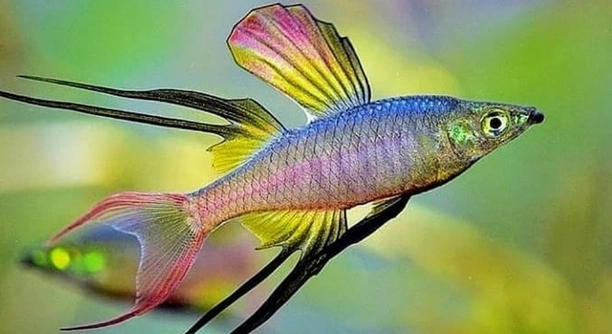
Threadfin Rainbowfish are small, colorful fish often admired for their graceful movements in home aquariums. Many owners notice they seem to follow the same swimming paths, creating patterns that are oddly predictable and calming to watch.
Threadfin Rainbowfish follow similar paths primarily due to instinctive schooling behavior and environmental cues. Their movements are influenced by water flow, light direction, and interactions with other fish, which help maintain group cohesion and reduce stress while navigating their habitat.
Observing these patterns can help you better understand their behavior and optimize their aquarium environment for health and comfort.
How Their Environment Shapes Movement
Threadfin Rainbowfish respond strongly to their surroundings. I’ve noticed in my tank that even small changes in decorations or water flow shift their swimming patterns noticeably. These fish are sensitive to light, and they often swim along paths where lighting is consistent. Moving objects in the aquarium can disrupt their routine, causing them to explore new routes temporarily. Water current is another factor that guides their behavior. In areas with stronger flow, the fish often swim in lines that seem more organized. Over time, they learn which areas are safe and which require more attention. Temperature also plays a role; slight variations can make them more active or encourage them to stay near calmer zones. Observing these subtle cues has taught me that their predictable movement is not random—it reflects how they adapt to comfort, safety, and efficiency in their tank environment.
Their environment encourages patterns by giving clear cues for swimming routes, reducing stress and helping them interact smoothly.
Watching their daily routines closely reveals a lot about how they balance exploration and safety. When I adjusted the placement of plants and rocks, I noticed a shift in their preferred paths. It’s fascinating to see them learn and adapt, forming reliable routes that make them feel secure. Even subtle changes in water current redirect their movements, showing how sensitive they are to flow. Lighting and temperature affect not only activity but also their willingness to explore. Areas with dim light or strong currents are often avoided, while calmer zones become preferred routes. Over time, these environmental interactions result in a predictable pattern of movement. This understanding can help anyone setting up a tank to create spaces that align with their natural tendencies. It also reinforces the importance of consistency in aquarium care, since sudden changes can stress them and disrupt their usual paths, making it clear how environment shapes behavior.
Social Influence Among Threadfin Rainbowfish
Other fish in the tank impact movement patterns significantly. Even a single new addition can change how the group swims.
Schooling behavior drives their paths, as they often mimic the movements of dominant or faster swimmers. In my experience, fish in larger groups establish clear lanes where each individual feels comfortable. Social hierarchies influence these paths, with less confident fish following the leaders closely while more assertive ones explore boundaries. Interactions are subtle but constant, as they adjust speed and direction to maintain group cohesion. Following each other reduces conflict and promotes safety from perceived threats, even in a calm tank. Over time, these social dynamics create highly predictable swimming patterns, where each fish’s position and path are influenced by companions. Observation shows that they communicate through body movements and subtle positioning, allowing the group to navigate efficiently. Recognizing these patterns can help manage tank populations, ensuring a balanced environment that supports natural schooling without overcrowding, which maintains both safety and fluid movement for all fish.
Patterns Formed by Feeding Time
Feeding routines strongly influence their swimming paths. I’ve seen my Threadfin Rainbowfish line up in predictable areas just before food is added, forming tight clusters and moving consistently along the same routes.
Consistency in feeding schedules creates predictable patterns that the fish quickly learn. In my tank, I noticed that even slight changes in timing or location of food led to temporary confusion. They quickly adjust, but their memory of previous routines is strong. This repetition reinforces certain swimming routes, as the fish move in anticipation of meals. Over time, the paths become almost fixed, with specific lanes forming around plants, decorations, or feeding spots. Observing this has made me realize how feeding doesn’t just satisfy hunger—it shapes daily activity and movement.
These patterns also highlight their social learning. Less confident fish follow others to the feeding area, while dominant fish lead, establishing clear paths. Even after feeding, they often retrace the same lanes, showing that anticipation and habit guide their swimming as much as immediate needs. It’s interesting to see how the act of feeding structures both individual behavior and group dynamics, creating an almost choreographed flow in the tank.
Influence of Tank Size and Layout
The size and layout of a tank determine the complexity of their swimming routes. Narrow tanks encourage linear paths, while larger tanks allow for more variation and exploration.
In my own experience, adjusting the placement of rocks, plants, and hiding spots drastically changed how my fish moved. In a spacious tank, they create multiple overlapping paths, sometimes circling around objects and exploring different sections. Smaller tanks limit options, forcing the fish to swim in tighter, repeated lines. Both the physical boundaries and visual markers guide their routes, providing structure to their daily activity. The layout also affects interactions between fish, as obstacles can reduce conflicts by giving shy fish space. I’ve seen that strategic placement of decorations can promote smoother schooling behavior, preventing congestion while still allowing natural movement. This shows that tank design is just as important as social and environmental cues in shaping predictable swimming patterns.
The Role of Lighting
Lighting strongly affects their swimming routes. I’ve noticed my Threadfin Rainbowfish prefer brighter areas during active hours and move cautiously in dimmer spots.
Consistent lighting patterns help them feel secure and maintain predictable paths. Sudden changes in light can cause temporary disorientation or hesitation in movement.
Influence of Water Flow
Water currents guide their movements naturally. In my tank, stronger currents encourage them to swim along specific lanes, while calmer areas become resting spots.
Seasonal Changes
Seasonal shifts can subtly alter behavior. Temperature and daylight variations influence activity levels, prompting slight adjustments in preferred swimming paths.
Observing Individual Differences
Each fish has small quirks. Some are more adventurous, exploring new areas, while others stick closely to familiar paths, affecting overall group movement.
FAQ
Why do Threadfin Rainbowfish follow the same paths in my tank?
Threadfin Rainbowfish follow consistent routes mainly due to instinctive schooling behavior and environmental cues. In my experience, factors like water flow, lighting, tank layout, and the presence of other fish create a sense of safety. These paths reduce stress and help the group move efficiently, which is why patterns appear so predictable.
Can tank decorations change their swimming patterns?
Yes, decorations strongly influence their routes. I’ve noticed that adding or moving plants, rocks, or ornaments immediately shifts their paths. Fish use these objects as landmarks, hiding spots, or navigation points. Even small adjustments can create new preferred lanes, so careful placement is important for maintaining smooth swimming patterns.
Does feeding time affect their movement?
Absolutely. Feeding schedules create predictable routes because the fish anticipate food. In my tank, they line up near feeding areas before meals, following familiar paths. Less confident fish often mimic the movements of dominant fish, reinforcing group patterns. Over time, feeding routines become a major factor in their daily swimming behavior.
How does lighting influence their activity?
Lighting affects both comfort and movement. Brighter areas encourage activity, while dim spots are often avoided. In my experience, consistent lighting makes paths predictable, and sudden changes can temporarily disrupt swimming. Fish rely on light as a cue for when and where to move, which is why it’s a key factor in maintaining patterns.
What role does water flow play?
Water current guides movement naturally. Stronger currents push the fish along specific lanes, while calm areas are used for resting or slower swimming. In my tank, I observed that adjusting the filter or pump changed their preferred routes immediately. Currents help the fish conserve energy while still exploring the tank efficiently.
Do social interactions affect their swimming patterns?
Yes, social dynamics are very influential. Dominant fish often lead the way, while shy or smaller fish follow, creating structured group paths. In my experience, adding new fish temporarily disrupts these patterns until the group re-establishes hierarchy and cohesion. Their paths are as much about social structure as environment.
Can tank size change their movement habits?
Definitely. Smaller tanks force linear or repeated paths due to limited space. Larger tanks allow more exploration and multiple overlapping routes. I’ve noticed that in a larger tank, fish form loops and lanes around decorations, while in smaller tanks, their routes are more fixed and predictable.
Do individual differences matter?
Each fish has its quirks. Some are adventurous and explore more areas, while others stick to familiar routes. In my experience, these differences slightly alter the group pattern, but overall schooling behavior keeps paths relatively consistent. Watching individuals shows how personality influences collective movement.
Do seasonal changes affect their swimming?
Yes, seasonal shifts like temperature changes or daylight variations subtly affect activity levels. I’ve seen my fish become more active during warmer periods, expanding their paths, and slightly slower in cooler conditions. These small adjustments can change preferred routes but don’t usually disrupt overall group patterns.
Can stress or illness impact their paths?
Stress, illness, or discomfort often causes irregular swimming. In my tank, sick or stressed fish tend to hide or avoid normal routes. Observing sudden changes in movement can be an early indicator of health issues, making path monitoring a helpful tool for aquarium care.
How can I encourage natural swimming patterns?
Maintain stable environmental conditions, provide consistent feeding schedules, and arrange decorations thoughtfully. In my experience, predictable lighting, gentle water flow, and adequate space allow the fish to establish natural paths. Avoid sudden changes and monitor behavior regularly to ensure they feel secure and maintain healthy movement patterns.
Is it normal for paths to change over time?
Yes, small changes are normal as fish adapt to growth, new tankmates, or environmental shifts. In my experience, these changes are gradual and reflect natural learning. Paths may shift slightly, but strong habits usually persist unless major disruptions occur.
Final Thoughts
Threadfin Rainbowfish are fascinating to observe because of their predictable swimming paths. Over time, it becomes clear that their behavior is shaped by a combination of instincts, environment, and social interactions. In my experience, their schooling behavior is one of the main reasons they follow the same routes. They naturally stick close to each other, which provides safety and reduces stress. Watching them move in groups shows a balance between individual curiosity and collective caution. Even small changes in the tank, such as a new plant or decoration, can shift these paths slightly, demonstrating how adaptable they are. Their movements are not random; they reflect how the fish respond to their surroundings, using available cues to navigate safely. The paths they choose are reinforced over time, creating habits that feel natural to them and almost choreographed to an observer. Understanding these routines makes caring for them more rewarding because it allows for a more structured and comfortable aquarium environment.
Lighting, water flow, and feeding routines all play a significant role in shaping their swimming patterns. Bright areas tend to attract activity, while dim zones are approached more cautiously. Strong water currents guide the fish along certain lanes, while calm sections become resting areas. Feeding times add another layer of structure. Fish quickly learn when and where food will appear, often forming tight clusters near feeding spots before the actual meal. Social dynamics within the tank also influence movement. Dominant fish lead certain routes, and others follow, reinforcing group patterns. Observing these behaviors over weeks and months shows how consistently environmental cues and social factors interact to create stable, recognizable paths. Even seasonal changes, such as temperature shifts or variations in daylight, have subtle effects on activity levels and preferred routes. All these factors combined explain why their movement often seems so deliberate and familiar.
Paying attention to these details can improve the health and comfort of Threadfin Rainbowfish in a home aquarium. Providing consistent lighting, gentle water flow, and well-placed decorations encourages natural movement while giving the fish a sense of security. Feeding schedules help establish predictable activity patterns, while allowing enough space for exploration prevents stress and overcrowding. Observing individual differences in behavior can also be insightful; some fish are naturally more adventurous, while others stick closely to familiar paths. By understanding the reasons behind their predictable swimming, it’s possible to create a balanced environment that supports both natural instincts and social harmony. Over time, maintaining a stable, thoughtful setup helps the fish thrive, and watching their coordinated movements becomes an enjoyable and informative experience. Consistency and careful observation are key, making it clear that these paths are a reflection of both the fish’s instincts and the care provided in their environment.
Word count: 404

Hello,
If you enjoy the content that we create, please consider saying a "Thank You!" by leaving a tip.
Every little bit helps us continue crafting quality advice that supports the health, happiness, and well-being of pets around the world, for pets of all shapes, sizes, and species.
We really appreciate the kindness and support that you show us!