
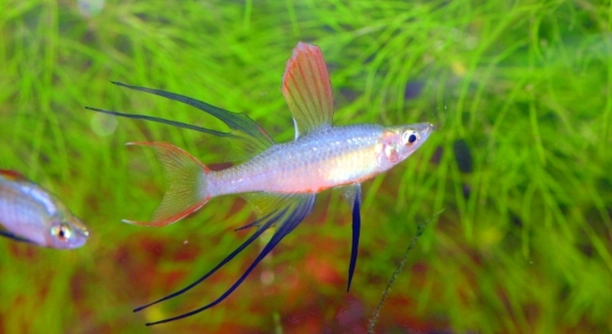
Threadfin rainbowfish are popular for their shimmering colors and active behavior in home aquariums. Many aquarists enjoy their presence, but misconceptions about their care can lead to unnecessary stress or health issues. Understanding proper care is essential.
Several misunderstandings persist regarding threadfin rainbowfish care, including tank size requirements, water conditions, diet, social behavior, breeding, and disease susceptibility. Accurate knowledge of these factors is crucial to maintaining a healthy and thriving aquatic environment for these fish.
Clarifying these misconceptions will help hobbyists create a stable and enjoyable habitat for their threadfin rainbowfish and ensure long-term health and vitality.
Misunderstanding 1: Threadfin Rainbowfish Do Not Need Large Tanks
Many beginners assume that threadfin rainbowfish can thrive in small aquariums, but they actually require ample space to swim and display their natural behavior. A tank under 30 gallons can cause stress, reduce activity, and negatively impact their immune system. Crowded conditions often lead to aggressive interactions, fin nipping, and stunted growth. Ideal tank dimensions include a length of at least 36 inches with proper filtration. These fish are highly active swimmers, so providing open swimming areas along with plants or decorations for hiding is necessary. Maintaining stable water conditions is also easier in a larger tank, helping prevent fluctuations in pH, temperature, and ammonia levels. Regular water changes and careful monitoring of water quality support their health and coloration. Understanding the proper space requirements will help ensure that threadfin rainbowfish remain lively, colorful, and healthy in captivity. Proper habitat design benefits both the fish and the maintenance routine.
Large tanks support their natural behavior and improve overall health and longevity, reducing stress and disease risks.
Providing a well-planned tank involves more than size. Decorations, open swimming areas, and stable water parameters all contribute to a thriving environment. Plants offer shelter, while smooth surfaces prevent injuries. Filtration systems must handle the bio-load of active fish, ensuring water stays clear and free of toxins. A larger tank allows for better temperature regulation, minimizing sudden changes that can harm the fish. Regular observation helps detect early signs of stress or disease, allowing prompt action. Combining adequate space, clean water, and environmental enrichment creates conditions where threadfin rainbowfish can reach full size and exhibit natural behaviors. For aquarists, investing in proper tank setup prevents recurring problems, reduces maintenance challenges, and provides a visually appealing aquarium. Overall, thoughtful tank planning supports both the fish’s health and the keeper’s ability to enjoy a lively, colorful aquarium.
Misunderstanding 2: They Can Eat Any Fish Food
Some people assume threadfin rainbowfish can eat any standard fish food, but their diet must be balanced to support growth and coloration.
Feeding only flakes or pellets can result in nutrient deficiencies. These fish benefit from a combination of high-quality flake food, frozen or live foods like brine shrimp, daphnia, and bloodworms. Protein is essential, but so are vitamins and minerals found in varied diets. Overfeeding can cause water quality issues, while underfeeding can stunt growth and dull colors. Observing how your fish respond to different foods can help fine-tune feeding routines. Maintaining variety ensures they remain active and healthy.
A balanced diet requires understanding nutritional needs. While flakes are convenient, incorporating live or frozen foods improves health and color vibrancy. Small, frequent feedings mimic natural grazing and reduce waste accumulation in the tank. Rotating protein sources ensures proper growth and supports immune function. Avoid feeding human food or processed snacks, as these can harm digestion. Supplementing with vegetable matter, such as spirulina or blanched greens, provides additional nutrients. Watching the fish eat helps identify preferences and detect early signs of illness. Overall, feeding practices significantly influence vitality, coloration, and longevity, making proper diet a cornerstone of successful threadfin rainbowfish care.
Misunderstanding 3: They Do Not Require Social Interaction
Threadfin rainbowfish are schooling fish that need companions to feel secure and display natural behaviors. Keeping them alone can lead to stress, hiding, and reduced activity levels.
They thrive in groups of at least six, which helps reduce aggression and encourages natural swimming patterns. A proper school allows them to interact, establish social hierarchies safely, and feel less vulnerable. Observing their group dynamics also makes the aquarium more engaging. Without companions, fish may become timid, refuse food, or develop health issues related to stress. Ensuring compatible tank mates is essential to maintain harmony.
Pairing them with small, peaceful species can further enhance the tank environment. Avoid overly aggressive or fin-nipping fish that may intimidate or injure threadfin rainbowfish. A stable group encourages color development and active behavior. Monitoring interactions within the school helps identify any bullying or social imbalance early. Adjusting group size or rearranging tank layout can prevent stress and promote overall well-being. Maintaining a proper school is a key factor for healthy and vibrant fish.
Misunderstanding 4: They Are Resistant to Water Changes
Many assume threadfin rainbowfish can tolerate irregular water changes, but stable conditions are essential for health. Sudden changes can shock the fish and compromise immunity.
Regular water maintenance helps maintain pH balance, remove waste, and prevent toxin buildup. Consistent partial water changes of 25-30% weekly are ideal. Sudden large changes can lead to stress or illness. Water parameters should be monitored closely, including temperature, hardness, and nitrates. Keeping a predictable routine allows the fish to adjust gradually and supports long-term health.
Proper water care involves more than just changing water. Filtration must be efficient to remove ammonia and nitrites, and new water should match tank parameters closely to avoid shocking the fish. Aeration and circulation help distribute oxygen evenly and reduce stagnant areas. Observing behavior after water changes can indicate tolerance or sensitivity to adjustments. A stable environment enhances coloration, feeding behavior, and disease resistance. Attention to water quality is crucial for thriving threadfin rainbowfish, ensuring both comfort and longevity.
Misunderstanding 5: They Can Live Without Plants
Threadfin rainbowfish benefit from live plants in their tank, which provide hiding spots and reduce stress. A completely bare tank can make them feel exposed and insecure.
Plants also help maintain water quality by absorbing nitrates and offering surfaces for beneficial bacteria. Including floating or rooted plants improves both aesthetics and the fish’s comfort.
Misunderstanding 6: They Are Easy to Breed
Breeding threadfin rainbowfish requires specific conditions, including slightly acidic, soft water and stable temperatures. Males display brighter colors to attract females, and proper nutrition is essential for spawning success.
Providing dense vegetation or spawning mops encourages egg-laying. Eggs are delicate and susceptible to fungus, so separating them from adults is often necessary. Fry require tiny live foods, such as infusoria, to grow successfully. Maintaining consistent water quality and gradual acclimation helps fry survival. Breeding is possible at home but demands careful attention, patience, and preparation to ensure healthy offspring.
Misunderstanding 7: Disease Is Rare
Threadfin rainbowfish can develop health issues if stressed or kept in poor conditions. Regular observation is necessary to catch problems early.
FAQ
How many threadfin rainbowfish should I keep together?
Threadfin rainbowfish are schooling fish and should be kept in groups of at least six. Smaller groups can lead to stress, hiding, and aggression. A larger school encourages natural swimming behavior, social interaction, and reduces vulnerability. Group dynamics are important for their mental well-being and overall activity levels.
What size tank is appropriate for threadfin rainbowfish?
A minimum of 30 gallons is recommended for a small school, with larger tanks being ideal. These fish are active swimmers and need open spaces along with plants or decorations for hiding. Adequate swimming room promotes natural behavior, reduces stress, and prevents stunted growth.
What water parameters do they need?
Threadfin rainbowfish prefer slightly acidic to neutral water, with a pH between 6.5 and 7.5. Water hardness should be moderate, and temperature should range from 75°F to 82°F. Stable water conditions prevent stress, support immunity, and maintain coloration. Regular monitoring and partial water changes are crucial.
What should I feed them?
A varied diet is essential. High-quality flake or pellet food should be supplemented with live or frozen foods like brine shrimp, daphnia, and bloodworms. Occasional vegetable matter like spirulina or blanched greens supports nutrition. Feeding small amounts multiple times a day prevents overfeeding and keeps water quality stable.
Can they live with other fish?
Yes, they do well with small, peaceful tank mates. Avoid aggressive or fin-nipping species. Suitable companions include other small rainbowfish, danios, or peaceful tetras. Proper selection ensures harmony, reduces stress, and allows them to display natural behaviors without fear or bullying.
How often should I perform water changes?
Partial water changes of 25-30% weekly are recommended. This helps maintain stable parameters, removes waste, and reduces toxin buildup. Sudden, large changes can shock the fish. Matching new water parameters to the tank prevents stress and supports long-term health and coloration.
How can I encourage breeding?
Provide slightly acidic, soft water and a stable temperature. Dense vegetation or spawning mops encourage egg-laying. Males display brighter colors during courtship. Separating eggs from adults prevents predation. Fry need tiny live foods like infusoria for survival. Consistent water quality and careful monitoring are essential for success.
What common health issues should I watch for?
Stress from poor water quality, overcrowding, or inadequate diet can lead to fungal infections, fin rot, or parasitic problems. Regular observation of behavior, appetite, and coloration helps detect early signs. Quarantining new fish and maintaining a clean tank reduces the risk of disease outbreaks.
Do they need special lighting or decoration?
Moderate lighting is sufficient, especially if live plants are present. Provide hiding spots with plants, rocks, or driftwood to reduce stress. Open swimming areas are essential. Decorations should avoid sharp edges to prevent injury. Proper tank setup supports natural behaviors, coloration, and overall well-being.
How long do threadfin rainbowfish typically live?
With proper care, they can live 5-8 years. Factors influencing lifespan include water quality, diet, social environment, and stress levels. Maintaining stable conditions, a balanced diet, and an appropriate school of companions ensures they live a healthy, active life while displaying vibrant colors.
Final Thoughts
Threadfin rainbowfish are lively and colorful fish that can bring energy and beauty to any aquarium. Their shimmering bodies and active swimming make them a visually appealing addition, but proper care is essential to keep them healthy. Many common mistakes arise from misunderstandings about their needs, such as tank size, water conditions, diet, and social behavior. Ensuring they have enough space to swim freely, stable water parameters, and a balanced diet can prevent stress and illness. These fish respond well to a well-planned environment where they can exhibit natural behaviors, interact with companions, and thrive in a safe, comfortable habitat. Taking the time to understand their requirements is a small effort that yields rewarding results in the long term. Observing them regularly allows you to detect early signs of stress or health problems and make adjustments before issues become serious.
Social interaction is one of the most important aspects of threadfin rainbowfish care. They are schooling fish, which means they feel most secure in groups. Keeping them alone can lead to stress, hiding, and a reduction in natural activity. A proper school of six or more fish allows them to swim together, display social hierarchies safely, and develop bright colors. Including peaceful tank mates enhances their environment, while aggressive or fin-nipping species can cause unnecessary tension and injury. Plants, hiding spots, and open swimming areas contribute to a comfortable setting that reduces stress. Proper social structure and habitat design directly influence their overall health, activity levels, and the way they display their colors. It is important to plan the aquarium with these factors in mind, ensuring both mental stimulation and physical safety for each fish.
Finally, attention to routine maintenance, feeding, and observation is critical. Threadfin rainbowfish need stable water conditions, regular partial water changes, and consistent feeding schedules. A varied diet that includes high-quality flake food, live or frozen proteins, and occasional vegetable matter supports their health and coloration. Observing their behavior and appearance helps detect early signs of disease or stress. While these fish may seem easy to care for, skipping or neglecting any aspect of their needs can result in health problems or reduced lifespan. By providing proper space, social interaction, nutrition, and water quality, hobbyists can enjoy thriving, vibrant fish for many years. Understanding their needs and staying attentive to daily care ensures that threadfin rainbowfish remain active, colorful, and healthy, making the aquarium an enjoyable and rewarding experience.

Hello,
If you enjoy the content that we create, please consider saying a "Thank You!" by leaving a tip.
Every little bit helps us continue crafting quality advice that supports the health, happiness, and well-being of pets around the world, for pets of all shapes, sizes, and species.
We really appreciate the kindness and support that you show us!