
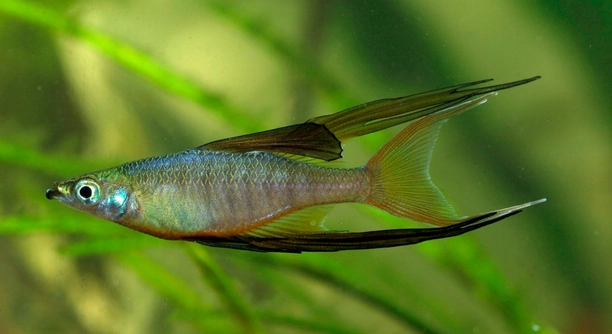
Have you ever noticed how a well-planned aquarium can change the way your fish behave? Adding the right companions can create a peaceful, visually appealing environment. Threadfin rainbowfish, in particular, benefit from calm tankmates that don’t cause stress.
Quiet species that complement threadfin rainbowfish include small, non-aggressive fish such as otocinclus, pygmy corydoras, and certain rasboras. These species maintain low activity levels, reduce territorial disputes, and enhance the visual harmony of the display without disrupting the fish’s natural behavior.
Introducing these companions carefully ensures your aquarium stays balanced. Observing their interactions can help maintain a serene environment that highlights your rainbowfish’s natural colors and movements.
Choosing the Right Quiet Companions
Selecting calm tankmates for threadfin rainbowfish requires attention to size, temperament, and water compatibility. Small, peaceful species like otocinclus catfish, pygmy corydoras, and harlequin rasboras blend well without causing stress. Avoid overly active or aggressive fish, as they can disrupt the rainbowfish’s swimming patterns and reduce their vibrant colors. Slow-moving bottom dwellers often complement mid- and top-level swimmers, creating a balanced tank environment. Planting live vegetation can help shy species feel secure, reducing erratic behavior and hiding tendencies. Keep in mind water parameters, as rainbowfish prefer slightly alkaline, well-oxygenated water. Matching these conditions for companion species ensures minimal health risks and better social harmony. Observation is key: new fish should be introduced gradually, monitoring for aggression or stress. Feeding routines also matter; providing varied food without overcrowding reduces competition and keeps the tank peaceful. A well-planned mix can enhance both visual appeal and the rainbowfish’s natural behaviors. Proper preparation guarantees long-term success in maintaining a quiet, thriving aquarium.
Choosing compatible species and monitoring behavior helps maintain a calm, stress-free tank that highlights threadfin rainbowfish naturally.
Careful selection, gradual introduction, and observation allow you to create a visually harmonious tank. The right companions enhance swimming patterns and add subtle activity, enriching the aquarium without overwhelming the rainbowfish. A balanced environment keeps fish healthy and displays their true colors beautifully.
Maintaining Peace in a Community Tank
Even with compatible species, maintaining tranquility requires consistent care and observation.
Creating a stable environment involves monitoring water quality, temperature, and pH daily. Overcrowding or sudden changes can trigger stress and aggression. Keep decorations and plants arranged to provide hiding spaces and clear swimming paths. Feeding should be balanced to prevent competition and reduce chasing behaviors. Regular partial water changes help maintain clarity and reduce toxin buildup. Observing interactions allows early detection of conflicts or health issues. Introducing one or two species at a time minimizes disruption, allowing the rainbowfish to adjust. It’s important to provide sufficient space for mid-water swimmers, bottom dwellers, and surface feeders alike. Avoid sudden loud noises or excessive tank movement, as these can startle calm species. Over time, a well-maintained tank creates a natural rhythm that encourages relaxed swimming, displays vivid coloration, and fosters an overall peaceful aquatic environment.
Maintaining a quiet, balanced tank requires careful attention to both fish behavior and water conditions. Consistency in care ensures long-term harmony among all species.
Ideal Tank Setup
A balanced tank includes open swimming areas and plenty of plants. Mid-level swimming space is crucial for threadfin rainbowfish, while dense plants offer shelter for quieter species. Decorations should not block sightlines or reduce swimming freedom. A mix of hardscape and vegetation creates natural territory boundaries.
Proper lighting and filtration support water clarity and oxygen levels. Threadfin rainbowfish thrive in slightly alkaline water with temperatures between 24–28°C (75–82°F). Gentle filtration prevents strong currents that can stress calmer species. Floating plants can diffuse light and provide surface cover, reducing aggressive encounters. Maintaining a layered aquascape ensures all species have space to feed, hide, and swim comfortably, promoting a peaceful community environment. Regular testing of water parameters, along with controlled feeding routines, prevents sudden spikes in nitrates or ammonia, which can impact the behavior and coloration of your fish.
Grouping peaceful species by swimming level enhances visual appeal and reduces conflicts. Bottom dwellers stay hidden in plants, while mid- and top-level swimmers move freely, creating a dynamic yet calm display. Careful planning ensures compatibility and minimal stress.
Feeding Strategies for Harmony
Feed small portions multiple times daily to avoid competition. Overfeeding can lead to aggression and poor water quality.
Threadfin rainbowfish prefer a diet of high-quality flakes, pellets, and occasional live or frozen foods like daphnia or brine shrimp. Complementing with vegetable-based food for bottom dwellers ensures all species receive proper nutrition. Avoid sudden changes in diet, as this can stress sensitive fish. Feeding in different tank zones reduces crowding and allows shy species to eat safely. Observing eating behavior helps detect illness early, ensuring no fish is neglected. Maintaining a consistent schedule supports calm behavior, reduces chasing, and enhances coloration naturally over time.
Providing a varied diet while separating feeding areas promotes peace. Sufficient nutrition for each species prevents stress-related aggression and helps rainbowfish maintain vibrant colors and healthy activity levels.
Monitoring Behavior
Watch your rainbowfish and companions daily for signs of stress or aggression. Changes in swimming patterns, hiding, or nipped fins indicate tension. Early detection allows quick adjustments.
Recording observations can help identify patterns related to feeding, water changes, or new additions. Minor tweaks prevent escalation and maintain a calm tank environment.
Selecting Tankmates Carefully
Choose species that share similar water preferences and activity levels. Small, peaceful fish reduce competition for food and space. Avoid aggressive or fast-moving fish that may intimidate rainbowfish or shy companions. Compatibility ensures all species thrive and display natural behaviors without interference.
Water Quality Maintenance
Regular testing of pH, ammonia, nitrite, and nitrate levels is essential. Consistent water parameters keep all species healthy and stress-free.
FAQ
What are the best quiet species to keep with threadfin rainbowfish?
Some of the best quiet species include otocinclus catfish, pygmy corydoras, harlequin rasboras, and small peaceful tetras. These fish are slow-moving, non-aggressive, and occupy different swimming levels. Choosing species that do not compete for territory or food ensures that your rainbowfish can swim freely without stress.
How many companions can I safely add to my tank?
The number of companions depends on tank size, filtration, and the swimming needs of each species. Overcrowding increases stress, reduces oxygen levels, and can lead to disease. A general guideline is one small peaceful fish per 2–3 gallons, but always prioritize open swimming space for rainbowfish.
Do quiet tankmates affect rainbowfish coloration?
Yes. Stressful or aggressive companions can dull rainbowfish colors. Calm, compatible species allow rainbowfish to display vibrant hues naturally. Proper diet, clean water, and sufficient swimming space further enhance their colors, making peaceful companions essential for both behavior and aesthetics.
Should I feed all species together?
Feeding all species in one location can cause competition and chasing. It is better to distribute food across multiple areas in the tank. Top-level swimmers, mid-level rainbowfish, and bottom dwellers should each have access to appropriate food. Small portions given several times a day reduce stress and ensure balanced nutrition.
How do I introduce new fish to a rainbowfish tank?
Introduce one or two species at a time to minimize disruption. Quarantine new fish for at least two weeks to prevent disease. Slowly acclimate them to the tank’s water parameters. Observe interactions closely for the first few days and be ready to separate any fish showing aggression.
Can plants help maintain peace in the tank?
Yes. Plants provide hiding spots for shy species and reduce direct confrontation. Dense foliage at the bottom helps bottom dwellers feel secure, while mid- and floating plants allow rainbowfish to swim freely. A mix of live and artificial plants can create territories and reduce stress across all species.
How often should water be changed in a community tank?
Partial water changes of 20–30% weekly are ideal for maintaining water quality. This prevents nitrate buildup, reduces stress, and supports the health of all tank inhabitants. Consistent water changes also keep the tank clear, allowing colors to appear brighter and reducing the risk of disease.
What signs indicate stress in rainbowfish or companions?
Stress can appear as hiding, erratic swimming, loss of appetite, or faded colors. Aggressive chasing or fin nipping also signals tension. Observing fish daily helps catch these issues early. Adjustments to tankmates, feeding routines, or water conditions often resolve problems quickly.
Do quiet species require special diets?
Many quiet species are omnivorous or herbivorous. Otocinclus prefer algae and vegetable-based foods, while pygmy corydoras enjoy sinking pellets and small live foods. Providing a diet tailored to each species ensures proper nutrition, reduces competition, and supports overall tank harmony.
Is it necessary to monitor behavior continuously?
Yes. Daily observation allows you to spot aggression, illness, or environmental issues early. Even small signs, like hiding more than usual or subtle chasing, can indicate stress. Regular monitoring ensures a balanced, peaceful community and maintains optimal conditions for rainbowfish displays.
How can tank layout impact tranquility?
Open swimming space combined with hiding spots reduces territorial disputes. Mid-level swimmers need room to move, while bottom dwellers benefit from dense plants and decorations. A layered aquascape balances activity, minimizes stress, and showcases rainbowfish without interference from other species.
Are quiet companions suitable for small tanks?
Yes, but numbers must be limited. Small tanks amplify territorial behavior, so careful selection of slow, peaceful fish is essential. Overcrowding in a compact tank can quickly lead to stress, poor coloration, and disease. Prioritize space and compatibility over quantity.
What temperature and pH range works best for mixed tanks?
Threadfin rainbowfish prefer 24–28°C (75–82°F) and slightly alkaline water around pH 7–8. Companion species should tolerate similar parameters to avoid stress. Stable temperatures and pH prevent aggression, illness, and color loss in both rainbowfish and quieter tankmates.
How do I handle aggression if it occurs?
First, identify the source of aggression. Separate aggressive fish temporarily if needed. Rearrange plants or decorations to create new territories. Ensure adequate food distribution and swimming space. Gradual introduction of species and monitoring behavior can prevent future conflicts.
Can quiet species improve overall tank health?
Yes. Bottom dwellers like otocinclus help control algae, while other peaceful species contribute to natural nutrient cycling. Their calm presence reduces stress on rainbowfish, promoting better immune function, longer lifespan, and consistent vibrant colors. A well-chosen community enhances both aesthetics and ecosystem stability.
This FAQ addresses the most common concerns about maintaining a peaceful, visually appealing rainbowfish display. Implementing these strategies helps create harmony, promotes health, and ensures all species coexist without disruption.
Final Thoughts
Maintaining a peaceful aquarium with threadfin rainbowfish requires careful planning and observation. Choosing the right tankmates is the first step toward creating a calm environment. Quiet, non-aggressive species like otocinclus catfish, pygmy corydoras, and small rasboras complement rainbowfish well. These companions occupy different swimming levels and reduce the risk of territorial disputes. By selecting fish that share similar water preferences and activity levels, you can prevent stress and aggression in the tank. It is important to avoid overcrowding, as even peaceful fish can become stressed in tight spaces. Providing sufficient swimming room for mid-level rainbowfish and hiding spots for bottom dwellers helps maintain balance. Decorating with plants, rocks, and open swimming areas creates natural territories and keeps fish comfortable. When each species has its own space and resources, interactions remain calm and harmonious, allowing the rainbowfish to display their vibrant colors and active swimming patterns.
Regular monitoring and maintenance are essential for sustaining a healthy community tank. Observing behavior daily helps identify signs of stress, illness, or aggression before they escalate. Minor issues such as chasing or hiding can often be resolved by adjusting decorations, adding more hiding spots, or redistributing food. Water quality is equally important, as stable temperature, pH, and low ammonia levels support both the rainbowfish and their companions. Partial water changes, proper filtration, and consistent feeding routines reduce stress and keep fish healthy. Feeding strategies should account for the needs of all species in the tank, providing appropriate food in multiple locations to prevent competition. Over time, a well-maintained environment encourages natural behaviors, vibrant coloration, and a peaceful community dynamic. Patience and attentiveness are key; gradual introductions of new fish and careful observation create long-term success in a shared aquarium.
Ultimately, a harmonious tank is the result of thoughtful species selection, proper care, and ongoing observation. Quiet companions enhance the display of threadfin rainbowfish without interfering with their natural behaviors. Providing open swimming areas, safe hiding spots, and suitable nutrition supports the health and well-being of all fish. Attention to water quality, tank layout, and compatible species ensures minimal stress and maximizes the visual appeal of your aquarium. By following these practices, you create a stable, balanced, and visually engaging environment where rainbowfish and their companions can thrive together. The result is a serene tank that showcases the beauty and activity of each species while maintaining a calm, stress-free atmosphere for long-term enjoyment. This approach allows hobbyists to appreciate the natural behavior and vivid colors of threadfin rainbowfish while fostering a healthy community of peaceful, complementary fish.

Hello,
If you enjoy the content that we create, please consider saying a "Thank You!" by leaving a tip.
Every little bit helps us continue crafting quality advice that supports the health, happiness, and well-being of pets around the world, for pets of all shapes, sizes, and species.
We really appreciate the kindness and support that you show us!