
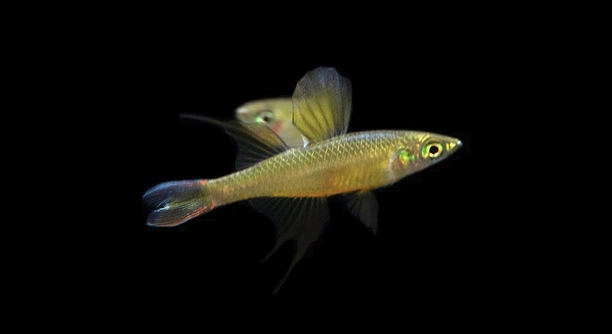
Have you ever watched your threadfin rainbowfish glide through the aquarium, noticing how they seem drawn to certain plants more than others?
Threadfin rainbowfish do compete over preferred plants, primarily for shelter, spawning sites, and territory. These fish are naturally social but can become mildly territorial when suitable plant coverage is limited, leading to subtle displays of dominance and selective positioning.
Their graceful movements may seem peaceful, but beneath the calm surface lies a quiet contest for the best aquatic greenery.
Why Threadfin Rainbowfish Compete Over Plants
Threadfin rainbowfish are gentle by nature, but their need for comfort and security often leads to subtle competition. In the wild, dense aquatic plants offer shelter from predators and ideal spawning grounds. When kept in aquariums, these same instincts remain strong. If there are only a few suitable plants, the fish may display territorial behavior, such as chasing or nudging others away. This isn’t aggressive in the typical sense but rather a form of gentle claiming. Males, especially during breeding periods, become more protective of areas surrounded by fine-leaved plants, which are perfect for laying eggs.
Limited space or insufficient plants can heighten this behavior, as individuals try to establish the best territories for feeding and spawning.
Adding extra vegetation or rearranging plants occasionally helps reduce tension among them. This ensures each fish can enjoy its own patch of greenery without disrupting the calm atmosphere of the tank.
Choosing the Right Plants for Harmony
Selecting the right plants can greatly minimize competition and stress among threadfin rainbowfish.
Threadfin rainbowfish thrive best with soft, leafy plants that mimic their natural environment. Options like Java moss, Cabomba, and Hornwort offer excellent hiding spots and gentle surfaces for eggs. These plants also promote a sense of security, allowing fish to display their natural behaviors without feeling threatened. Floating plants such as Water Sprite can help diffuse light, making the aquarium feel more comfortable and shaded. Spreading these plants evenly throughout the tank encourages the fish to explore different areas rather than competing for one favored spot. It’s important to maintain open swimming space as well since threadfins enjoy free movement. By balancing dense plant zones with open areas, you create a habitat that reduces competition, enhances breeding success, and keeps their social interactions peaceful.
Managing Competition in Shared Spaces
Maintaining balance in a shared aquarium helps reduce competition among threadfin rainbowfish. Ensuring enough hiding spots and plant coverage allows each fish to claim space without constant conflict. Proper tank layout promotes harmony and supports their natural behavior.
A larger aquarium with structured plant zones is ideal. Place taller plants along the back and sides while keeping finer plants in the center. This creates natural boundaries that help fish spread out peacefully. Regular maintenance, such as trimming overgrown areas, also prevents dominant fish from controlling too much territory. Feeding them in different areas can minimize competition during meals, as they learn to associate various spots with food. Observing their movement patterns helps identify which sections cause tension, allowing you to rearrange plants or decor accordingly. Simple adjustments like these encourage cooperative behavior and reduce stress.
Keeping the aquarium environment stable is equally important. Sudden changes in lighting, temperature, or water flow can trigger stress and increase territorial behavior. Maintaining gentle currents and consistent water conditions keeps them relaxed and focused on peaceful coexistence rather than competition.
Observing Social Behavior
Threadfin rainbowfish use subtle body movements and positioning to communicate. Males often display their fins elegantly to assert mild dominance, while females respond with careful spacing. These interactions reveal much about the tank’s overall balance.
Observing their group dynamics helps identify when adjustments are needed. If certain fish continually occupy the same plant cluster or chase others away, it may signal overcrowding or uneven plant distribution. Increasing plant density or rearranging decorations can quickly resolve such issues. Monitoring changes in color or fin extension also provides clues—vibrant, relaxed displays indicate comfort, while duller tones suggest stress. Taking a few minutes daily to watch these patterns helps maintain a calm and natural aquarium rhythm. Over time, you’ll learn their routines and be able to spot even small shifts in behavior that hint at competition.
Feeding and Plant Competition
Providing food in multiple locations reduces competition around plants. Threadfin rainbowfish are less likely to guard a specific plant if they can access food elsewhere.
Regular, small feedings encourage peaceful behavior. When fish are well-fed, they focus less on territory and more on exploring the aquarium and interacting naturally.
Plant Placement Strategies
Placing taller and bushier plants along the edges and softer plants in central areas helps distribute the fish evenly. This prevents overcrowding and reduces territorial disputes, allowing each fish to claim space without conflict. Balanced plant placement supports calmer interactions and maintains a healthier aquarium environment.
Monitoring Changes
Keep an eye on how fish respond to new plant arrangements. Adjust spacing if certain fish continue to dominate.
FAQ
Do threadfin rainbowfish fight over plants?
Threadfin rainbowfish are generally peaceful, but they can show mild competition when plants are limited. They do not fight aggressively, but may chase or nudge others away to claim prime spots for hiding or spawning. Providing enough plants helps minimize these interactions.
What types of plants do threadfin rainbowfish prefer?
They favor soft-leaved plants like Java moss, Cabomba, Hornwort, and Water Sprite. These plants offer good shelter, surfaces for egg-laying, and comfortable resting spots. Floating plants can also create shaded areas, which makes the aquarium feel more natural and reduces stress.
How many plants are enough for an aquarium?
It depends on tank size and the number of fish. As a rule, cover at least 50–70% of the aquarium with plants, mixing tall, bushy, and fine-leaved species. This ensures every fish has access to a secure area and prevents competition over one spot.
Will rearranging plants reduce competition?
Yes. Changing plant positions or adding new zones can break up established territories. Fish often explore newly planted areas and spread out more evenly. Regularly trimming overgrown plants also prevents dominant individuals from controlling too much space.
Do males compete more than females?
Males tend to show stronger territorial behavior, especially during breeding periods. They display fins, chase rivals, and guard preferred plants. Females are less territorial but may also show minor competition when resources are scarce. Balanced plant density keeps both genders comfortable.
Can competition over plants affect their health?
Prolonged stress from insufficient plant coverage can impact growth, immunity, and coloration. Fish under stress may hide excessively or avoid eating. Ensuring enough hiding spots, feeding locations, and swimming space helps maintain their health and reduces tension.
Are certain plant layouts better for reducing disputes?
Yes. Place tall and dense plants along the back and sides, and fine-leaved plants in the center. Spread floating plants evenly to create shaded zones. Open swimming areas between plant clusters prevent overcrowding and encourage peaceful interaction among all fish.
How do I know if my fish are stressed by competition?
Signs include constant chasing, hiding, or dull coloration. Fish may also show reduced appetite or avoid specific plants entirely. Observing daily behavior helps identify problem areas, allowing adjustments to plants or tank layout before stress affects their wellbeing.
Can adding more fish increase plant competition?
Yes, introducing additional fish without increasing plant coverage can heighten competition. Each fish needs its own space for resting, feeding, and hiding. Adding plants proportionally with fish numbers ensures the aquarium remains balanced and peaceful.
Is feeding related to plant competition?
Absolutely. Providing food in multiple spots reduces territorial disputes near plants. Fish focus on feeding rather than guarding plants. Small, frequent feedings also prevent dominant individuals from monopolizing resources, supporting calmer group behavior.
Do all threadfin rainbowfish react the same to plant scarcity?
No. Individual personalities matter. Some are more assertive, others shy. Observing behavior patterns helps in arranging plants to satisfy different temperaments. Providing variety and ample coverage accommodates both bold and timid fish, reducing stress and competition.
How often should plants be maintained?
Trim overgrown plants weekly or biweekly to prevent dominance over key areas. Remove dead leaves and thin dense patches. Regular maintenance encourages healthy plant growth, ensures open swimming space, and keeps competition at a minimum.
Can artificial plants be used to reduce competition?
Yes, they can provide hiding spots and visual boundaries. While they don’t offer natural egg-laying surfaces, artificial plants can supplement live plants and help spread fish out, reducing territorial behaviors. Combining live and artificial plants often works best.
Is it necessary to change the aquarium layout frequently?
Not necessarily. Occasional rearrangements help prevent long-term dominance by one fish but frequent changes can cause stress. Monitor behavior first, then adjust if certain areas become overcrowded or if specific fish are repeatedly chased.
How do I balance open swimming space with plant coverage?
Keep 30–50% of the tank open for swimming. Place plants along the edges and in corners, leaving central zones open. This allows fish to move freely while still having enough shelter, reducing competition and promoting natural activity.
Do breeding conditions affect plant competition?
Yes. During breeding, males guard fine-leaved plants or dense clusters. Providing extra plants specifically for breeding reduces pressure on other fish and prevents constant chasing. Observing breeding behavior helps determine when additional coverage is necessary.
Can plant competition influence social hierarchy?
Mildly. Fish with preferred spots may appear dominant, but this hierarchy is flexible and depends on plant availability. Adequate plant distribution prevents rigid hierarchies and ensures all fish can thrive without stress.
Are floating plants more effective than rooted plants?
Both serve different purposes. Floating plants provide shade and diffuse light, while rooted or bushy plants offer shelter and egg-laying areas. A combination ensures balanced coverage, giving fish multiple options and reducing competition over a single plant type.
How do I monitor plant usage by fish?
Observe which plants are frequented for resting, hiding, or spawning. Note if any fish are consistently excluded. Adjust plant placement to create multiple usable zones, allowing fish to share the aquarium more evenly.
Can overcrowding worsen plant competition?
Yes. Too many fish in a small tank amplify territorial behavior. Increasing plant density and providing additional hiding spots can mitigate stress, but ultimately maintaining proper fish-to-plant ratios is crucial for harmony.
What is the best overall approach to reduce competition?
Balance plant variety, coverage, and placement. Feed in multiple spots, maintain open swimming areas, and observe daily behavior. Adjustments based on fish temperament and tank conditions create a calm environment where competition is minimal, and fish can thrive naturally.
Final Thoughts
Threadfin rainbowfish are delicate, peaceful fish, but their natural instincts can lead to mild competition over plants in the aquarium. Understanding their behavior is key to creating a harmonious environment. They are not aggressive by nature, but they do value shelter, hiding spots, and areas suitable for laying eggs. When plants are limited, fish will naturally assert themselves to claim the best spots. This may include chasing other fish gently or taking over prime sections of the tank. While these actions may seem concerning at first, they are a normal part of how threadfin rainbowfish interact with their surroundings. Recognizing these patterns allows an aquarist to anticipate potential problems and make small adjustments that encourage balance.
Proper plant placement and variety can greatly reduce competition and improve the well-being of these fish. Soft-leaved plants, such as Java moss or Cabomba, provide ideal areas for resting and hiding, while taller or bushy plants placed along the edges help create natural boundaries. Floating plants can diffuse light and create shaded areas that feel safe and comfortable. Spreading plants evenly throughout the aquarium ensures that no single area becomes overcrowded or overly desirable. Open swimming spaces between plant clusters allow the fish to move freely without feeling threatened. Small changes, such as trimming overgrown plants, adding extra zones, or rearranging plant locations, can make a noticeable difference in reducing mild territorial behavior. A balanced environment lets the fish express natural behaviors without unnecessary stress or constant competition.
Feeding routines and daily observation also play an important role in managing competition over plants. Providing food in multiple locations prevents dominant fish from monopolizing resources and reduces the need to guard certain areas. Watching their behavior regularly helps identify which plants are heavily used and which sections of the tank may be causing tension. Adjustments based on these observations—such as adding extra plants, rearranging existing ones, or providing additional hiding spots—help maintain a calm and stable aquarium. Overall, paying attention to plant selection, placement, and daily fish behavior ensures a healthy, comfortable space for threadfin rainbowfish. With proper care and thoughtful design, these fish can coexist peacefully, enjoy their environment, and display their natural beauty without the stress of unnecessary competition.

Hello,
If you enjoy the content that we create, please consider saying a "Thank You!" by leaving a tip.
Every little bit helps us continue crafting quality advice that supports the health, happiness, and well-being of pets around the world, for pets of all shapes, sizes, and species.
We really appreciate the kindness and support that you show us!