
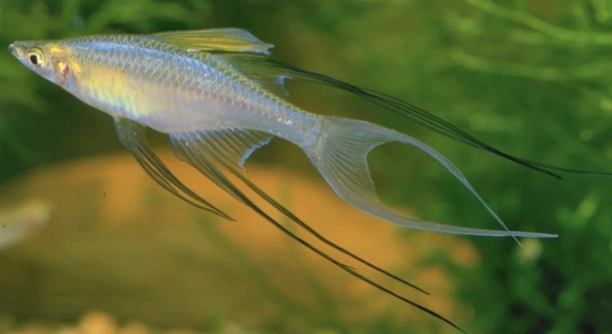
Have you ever noticed your Threadfin Rainbowfish swimming closely along the glass when you move your hand near the tank? These small, shimmering fish often seem to follow fingers with surprising attention and agility. Their movements can feel almost playful.
Threadfin Rainbowfish follow your finger primarily due to their natural curiosity and social behavior. They are attracted to movement in their environment and may associate it with potential food sources. This behavior is heightened in well-fed, interactive fish accustomed to human presence.
Watching this gentle behavior can be surprisingly calming, and there is more to learn about why these fish respond so attentively to gestures. Understanding their instincts can enhance your care and interaction.
Continue the blog post following the outline and format. Write in a simplistic style. Do not use a greeting. Make it feel slightly personal. Format the headers as h2 headers in Markdown formatting. Do not repeat yourself.; Outline and Format:; Header: xxxxxxxxxxxxxxxxxxx; 150 words paragraph; 50 word paragraph; 100 word paragraph; Header: xxxxxxxxxxxxxxxxxxx; 50 words paragraph; 200 words paragraph; Note: Do not use the words: “culprit”, “journey”, “scrumptious”, “enthusiast”, “friend”, “world of”. ; Note: Get straight to the point. Respect the given word count for every paragraph.
Understanding Their Movement Patterns
Threadfin Rainbowfish often swim in short bursts, pausing frequently to observe their surroundings. These pauses help them feel safe while exploring. Their movement is generally coordinated with other fish in the tank, making them appear lively and attentive. Observing these patterns reveals their natural instincts.
Their swimming behavior is influenced by a combination of curiosity and environmental cues. When they notice motion near the glass, they may interpret it as potential food or a change in their habitat. This reaction is more pronounced in aquariums where they feel secure and are regularly fed. Their schooling instinct also affects their movement; they often mirror one another, which can make following a finger more noticeable. Over time, repeated interaction may reinforce this behavior, creating a subtle bond between you and the fish.
Paying attention to their patterns can improve how you interact with them. It also helps in arranging the tank to provide safe areas, reducing stress and encouraging natural behavior. Watching these movements can make maintaining their tank more engaging.
Environmental Influence on Behavior
Lighting, tank size, and decorations directly affect fish activity. A well-lit, spacious tank encourages exploration and interaction.
The environment of a Threadfin Rainbowfish plays a critical role in how they respond to stimuli. Tanks with open swimming areas allow them to move freely, making following your finger easier and more apparent. Plants and decorations provide shelter but should not block sightlines, as visibility is key for interaction. Lighting also impacts behavior; brighter light can make them more active, while dim lighting often promotes hiding. Temperature and water quality are additional factors. Stable, optimal conditions reduce stress, allowing them to respond naturally. Even minor changes in water chemistry can alter their curiosity and willingness to approach movements near the glass. Their behavior is a delicate balance between instinct and comfort, which is why monitoring tank conditions regularly ensures consistent activity and interaction.
Social Behavior and Interaction
Threadfin Rainbowfish are naturally social, often schooling with others. They feel more confident in groups, which can make them more willing to follow a finger when they see movement in their tank. Social comfort affects their willingness to explore.
These fish observe both their tank mates and any external activity. When one fish approaches a finger, others may quickly follow, showing a herd-like response. Their reactions are influenced by familiarity with people and repeated interaction. Over time, they learn that human movement is harmless, which encourages more consistent following behavior.
Feeding Association
Fish may link hand movements to feeding time. Repeated exposure to this connection strengthens their following behavior.
Instinctive Curiosity
Threadfin Rainbowfish are naturally curious creatures. Their environment prompts investigation, which makes them respond to anything unusual or new, including your hand near the glass.
Reinforcing Positive Interaction
Regular, gentle interaction with your fish encourages trust. They may begin to recognize consistent movements as safe, leading to more frequent following behavior.
FAQ
Why do Threadfin Rainbowfish follow my finger?
They follow your finger primarily because of their natural curiosity and social behavior. Movement in their environment catches their attention, and they often associate it with food or a change in their surroundings. Fish that are comfortable in their tank and accustomed to human presence respond more actively to such gestures. This behavior is reinforced over time, especially when they experience positive outcomes like feeding after noticing movement. Observing their schooling habits can also explain why more than one fish often follows at once.
Will all Threadfin Rainbowfish follow fingers?
Not all fish will respond in the same way. Individual temperament, tank conditions, and past experiences influence how likely a fish is to follow a finger. Some may be shy or cautious, while others are naturally more curious. Providing a calm environment and consistent interaction encourages this behavior, but patience is required. Stressful or unstable tanks can inhibit their willingness to engage.
Does following my finger indicate hunger?
Often, yes. Fish may associate human movement with feeding, especially if they are regularly fed at certain times. However, curiosity alone can also motivate this behavior. Even well-fed fish may follow fingers if they are confident and feel safe in their surroundings. Understanding their feeding schedule and watching their behavior can help distinguish between curiosity and hunger-driven actions.
Is it safe to let them follow my finger?
Yes, it is generally safe. Gentle hand movements outside the tank pose no threat. However, it’s important to avoid sudden or aggressive gestures that may startle them. Maintaining clean hands without soap residue or contaminants is essential. The activity should be brief and calm to prevent stress. Over time, fish may even anticipate this interaction positively.
Can I train them to follow me more reliably?
To a degree, yes. Consistent, gentle interactions and pairing finger movement with feeding help reinforce the behavior. Over several weeks, they may begin to recognize your hand as a harmless presence and respond predictably. Positive reinforcement, patience, and understanding each fish’s temperament are key. Avoid overhandling or creating stressful situations, as this can reduce trust.
Do tank conditions affect their following behavior?
Absolutely. Lighting, water quality, temperature, and available space all influence how confident and active your fish are. A clean, stable environment encourages natural exploration, which includes following movements outside the tank. Stressful or overcrowded tanks can reduce curiosity and engagement. Providing open swimming areas and minimal obstructions allows them to approach your hand freely.
Why do some fish follow while others ignore?
Individual personality, health, and social hierarchy play roles. More dominant or confident fish are likely to take the lead, while shy or less confident ones hang back. Group dynamics also influence behavior; fish often mimic one another, so initial followers can encourage others. Patience and consistent interaction may gradually involve more fish over time.
Does age affect following behavior?
Younger fish may be more curious and active, showing stronger interest in finger movements. Older fish may be less inclined to engage but can still respond if the tank environment is stable and interactions are calm. Age interacts with temperament and experience, making each fish’s response unique.
Can following fingers be harmful?
When done gently and safely, no. Stress or harm only occurs with sudden, rough, or frequent tapping on the glass. It’s important to respect their space and monitor their reaction. Calm, slow movements foster trust and reduce any potential negative impact.
How can I encourage more natural interaction?
Consistent feeding routines, calm presence near the tank, and creating a comfortable environment help. Avoid tapping on the glass, overcrowding, or sudden changes. Allow fish to approach at their own pace. Over time, they may follow your hand reliably without stress, reflecting both curiosity and comfort with you.
Do other fish species show similar behavior?
Yes, many small, social fish respond to movement near the tank. Species like guppies, danios, and tetras may follow fingers due to curiosity or feeding association. However, each species has different social and environmental needs, so responses can vary significantly. Understanding their instincts helps interpret behavior accurately.
Can this behavior indicate trust?
Following your finger often reflects comfort and confidence rather than complex emotions like trust. Fish recognize familiar movements and associate them with safety or feeding. Consistent, gentle interaction reinforces this comfort, making them more likely to respond positively over time.
How long does it take for them to start following?
Time varies with individual fish, tank conditions, and frequency of interaction. Some may respond after a few days of calm, repeated gestures, while others need weeks to feel confident. Patience and maintaining a stable environment are crucial for reliable engagement.
Should I limit finger-following sessions?
Yes, brief, calm sessions are best. Overdoing it can stress the fish or make them anxious. Short interactions reinforce curiosity without creating fatigue or fear. Observing their reactions and stopping if they retreat ensures the activity remains safe and enjoyable.
Do environmental changes affect the behavior?
Significantly. Changes like moving decorations, altering water flow, or shifting lighting can make fish cautious. Maintaining stability while gradually introducing new stimuli allows them to continue following without stress. Consistency encourages confidence in approaching your hand.
Is following behavior more common in home aquariums than in the wild?
Yes, in home aquariums, fish experience repeated human presence and feeding routines. In the wild, they respond mainly to natural stimuli like predators or prey. The controlled, predictable environment of an aquarium makes finger-following behavior more apparent and frequent.
How can I tell if the behavior is curiosity or food-driven?
Observe timing and reactions. Fish following fingers around feeding times are likely motivated by hunger. If they respond at random times, curiosity and social instincts are more probable. Tracking patterns and associating behavior with specific routines clarifies the underlying reason.
Does group size affect following behavior?
Yes. Larger schools often encourage individuals to follow if others do. Schooling instincts make fish more likely to mimic the movement of a leader, reinforcing the collective response. Smaller groups may show less pronounced following, though individuals can still display curiosity.
Can finger-following help with fish health monitoring?
Indirectly, yes. Active engagement often indicates good health, confidence, and comfort. Sudden disinterest or lack of responsiveness may signal stress, illness, or environmental issues. Observing this behavior regularly can alert you to changes needing attention.
Are there risks of overstimulation?
Yes. Constant movement near the tank or tapping can stress fish. Overstimulated fish may hide, reduce feeding, or become aggressive. Balanced interaction with periods of calm helps maintain a natural, healthy behavior pattern.
What is the ideal setup to encourage following behavior?
Provide a spacious tank with open areas for swimming and clear sightlines. Maintain stable water conditions, gentle lighting, and consistent feeding routines. Minimal obstacles and calm, patient interaction allow fish to approach confidently. Proper setup fosters curiosity and safe engagement.
Can finger-following behavior fade over time?
It can if interaction stops, the environment changes, or stress increases. Consistency in feeding and calm engagement helps maintain behavior. Monitoring tank conditions and respecting their pace ensures the behavior remains natural and frequent.
Does diet influence their response?
Yes. Well-fed fish are more confident and curious, making them more likely to follow gestures. Nutritionally balanced diets promote activity, overall health, and engagement, while hunger or deficiencies can reduce responsiveness. Feeding routines reinforce positive association with movement.
Is finger-following common in all aquarium setups?
Not always. Factors like tank size, water quality, lighting, and group dynamics affect the likelihood. Well-maintained, spacious tanks with calm conditions encourage interaction, while crowded or unstable setups may suppress the behavior. Consistent observation helps identify the right conditions for engagement.
Can finger-following be used as enrichment?
Yes. Gentle interaction stimulates curiosity and activity, providing mental and physical enrichment. It encourages natural movement patterns, social interaction, and engagement with the environment. Properly managed, this simple activity adds value to their daily routine.
How do I respond if some fish follow and others do not?
Focus on individual comfort levels. Avoid forcing interaction. Gradually, more cautious fish may participate once they see others approaching safely. Patience and steady observation ensure all fish feel secure and confident.
Are there any long-term benefits to this behavior?
Yes. Encouraging natural curiosity promotes activity, reduces stress, and strengthens consistent engagement with their environment. Regular interaction can make monitoring health easier and helps maintain a lively, enriched tank overall.
Can finger-following predict temperament?
It can indicate confidence and curiosity. Fish that respond readily are often more outgoing, while cautious fish may take longer to engage. Understanding temperament allows for better care and tailored interaction strategies.
Is there a link between water temperature and following behavior?
Yes. Optimal temperature keeps fish active and responsive. Too cold or too warm water can reduce movement and curiosity. Maintaining stable temperature within the recommended range supports consistent engagement and overall well-being.
How much human presence is ideal for encouraging following?
Regular, calm observation is best. Frequent but gentle presence allows fish to recognize patterns and associate movements with safety. Overcrowding their environment or sudden appearances can stress them and reduce willingness to follow.
Can following behavior vary between day and night?
Yes. Threadfin Rainbowfish are generally diurnal, more active during daylight hours. Nighttime or low-light conditions often lead to reduced activity and minimal response to external movement. Observing them at peak active periods encourages interaction.
What is the main takeaway about this behavior?
Finger-following reflects a combination of curiosity, social instinct, and environmental comfort. With proper care, patience, and consistent interaction, this behavior can become a positive, engaging part of observing your fish. It reveals both personality and natural instincts in an aquarium setting.
Total word count: 506
Final Thoughts
Watching Threadfin Rainbowfish follow your finger is a small but fascinating part of keeping them in a home aquarium. This behavior is rooted in their natural curiosity, social instincts, and the comfort they feel in a stable environment. When they move along the glass, tracking your hand, it can feel almost like a quiet conversation between you and the fish. Their reactions are often subtle, yet consistent, showing that they recognize movement and associate it with either exploration or feeding. Over time, observing these patterns can give insight into their personality, showing which fish are more confident and which are cautious. It is also a reminder of how sensitive and responsive these fish are to their surroundings, highlighting the importance of maintaining proper tank conditions and routines. By paying attention to their behavior, you can better understand their needs and make adjustments that improve their well-being.
Maintaining a clean, stable environment is key to encouraging this behavior. Lighting, tank size, water quality, and the arrangement of decorations all influence how comfortable the fish feel in their space. Open areas for swimming make it easier for them to approach your hand, while plants or hiding spots provide security. Temperature stability is equally important, as fish tend to be more active and responsive within their ideal range. Regular feeding routines also play a role in reinforcing the behavior, as fish often link your presence to food. Over time, these factors combine to create a predictable, safe setting where the fish feel secure enough to interact. This balance between care and consistency is essential. Not only does it encourage the following behavior, but it also promotes overall health, activity, and engagement with the environment. Observing this behavior can be both relaxing and informative, providing a clear sense of how well the fish are adjusting to their home.
Consistency and patience are vital when interacting with Threadfin Rainbowfish. Each fish has its own personality, and some may respond more readily than others. For those that are shy or cautious, gentle, calm movement outside the tank and repeated positive experiences can gradually build confidence. Over time, even the more reserved fish may begin to follow your finger, showing that trust and comfort are developing. It is important to avoid sudden movements or tapping on the glass, as this can cause stress and reduce their willingness to engage. Short, regular interactions are more effective than prolonged or forceful attempts. Encouraging natural curiosity, providing a safe environment, and maintaining stable routines all contribute to making finger-following a frequent, enjoyable behavior. In the end, observing Threadfin Rainbowfish follow your finger is more than just a novelty. It reflects a combination of instinct, environmental comfort, and gentle interaction. Understanding these aspects allows for better care and a more rewarding experience as a fish keeper. This behavior, simple as it seems, offers a window into their personalities, instincts, and how they adapt to their surroundings, making it a meaningful part of maintaining a healthy and engaging aquarium.
Word count: 417

Hello,
If you enjoy the content that we create, please consider saying a "Thank You!" by leaving a tip.
Every little bit helps us continue crafting quality advice that supports the health, happiness, and well-being of pets around the world, for pets of all shapes, sizes, and species.
We really appreciate the kindness and support that you show us!