
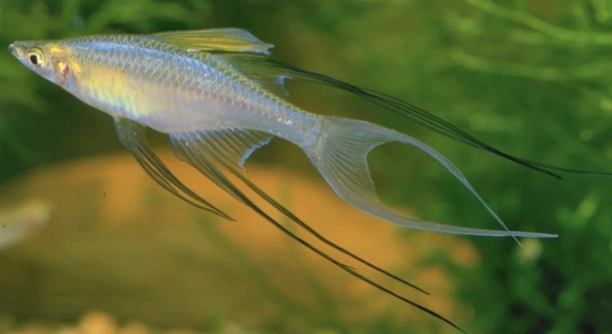
Threadfin are delicate fish that thrive in clean, well-maintained water. Maintaining good water quality is essential for their health, growth, and overall well-being. Small adjustments in daily care can make a noticeable difference in their environment.
Improving threadfin water quality can be achieved through consistent monitoring, proper filtration, controlled feeding, and regular partial water changes. Additionally, managing waste, preventing overcrowding, and maintaining stable temperature and pH levels are critical for sustaining optimal aquatic conditions.
Even minor changes can have lasting effects on the fish and their environment. Applying these practices supports healthier, more vibrant threadfin populations.
Consistent Water Monitoring
Keeping track of water conditions is vital for threadfin health. I make it a habit to check temperature, pH, and ammonia levels daily. Small fluctuations can stress the fish, slowing growth and weakening immunity. A simple test kit provides quick readings, allowing immediate adjustments. Observing fish behavior also helps detect early signs of poor water quality. If they appear lethargic or stop feeding, it often signals an issue. Recording daily measurements over time reveals patterns, making it easier to prevent problems before they escalate. Even small changes, like adjusting the aeration or adding water conditioner, can significantly improve water conditions. Monitoring regularly reduces the risk of disease outbreaks, ensuring the fish remain active and vibrant. I find that integrating these checks into a daily routine makes them effortless, and the benefits are noticeable in fish behavior and overall tank health. Consistency is more impactful than occasional large interventions.
Regular monitoring allows for quick fixes, minimizing stress and promoting steady growth among threadfin.
Tracking water parameters daily ensures early problem detection. This consistent attention supports healthy fish, prevents major issues, and creates a stable environment, enhancing growth and longevity while maintaining vibrant, active threadfin in their habitat.
Proper Filtration and Water Changes
Using a reliable filter is essential for maintaining clean water. Filters remove debris, excess food, and waste products efficiently.
Choosing the right filtration system for threadfin requires considering tank size, fish density, and water flow preferences. Mechanical filtration traps solid particles, while biological filters support beneficial bacteria that break down ammonia and nitrites, preventing toxic build-up. Regular maintenance, like rinsing filter media in tank water, ensures continued efficiency without killing helpful bacteria. I combine filtration with scheduled partial water changes, usually replacing 20–30% of water weekly, to remove dissolved wastes that filters cannot capture. Over time, I noticed water clarity improved, algae growth decreased, and fish appeared more active. Temperature and pH remain more stable with this routine. Even minor lapses, such as delaying water changes, quickly affect water quality, underscoring the importance of consistency. This system creates a healthier environment, reducing disease risk and promoting faster growth. Proper filtration and maintenance together form the backbone of a thriving threadfin tank.
Controlled Feeding
Overfeeding leads to excess waste, which quickly degrades water quality. I feed my threadfin only what they can finish within a few minutes.
Measuring portions carefully prevents uneaten food from decaying in the tank. I divide daily rations into smaller meals, offering them two to three times a day. Observing how much the fish consume helps me adjust quantities, ensuring they receive enough nutrition without polluting the water. Using high-quality, easily digestible food reduces waste output and supports fish growth. Occasionally, I remove leftovers promptly to avoid ammonia spikes. This small adjustment has noticeably improved water clarity and reduced maintenance.
Feeding routines also influence fish behavior and activity. When they receive consistent portions, threadfin are more active, healthier, and less prone to stress. Monitoring intake prevents overfeeding while maintaining strong growth rates, contributing to a stable tank environment and better water quality overall.
Managing Tank Population
Overcrowding stresses fish and worsens water quality. I ensure the tank contains only the recommended number of threadfin.
Too many fish produce excessive waste, overwhelming filtration systems and making water maintenance difficult. I calculate capacity based on tank volume and fish size, leaving enough space for movement. This reduces aggression and competition while supporting proper growth and development. Introducing new fish gradually allows me to monitor their impact on water quality. Maintaining the right population density minimizes disease risk and keeps water parameters stable.
Balanced stocking creates a healthier environment for every fish. Each individual has space to swim freely, eat without competition, and interact naturally. Reduced stress improves immunity, growth, and overall activity. By maintaining proper density, I’ve seen fewer water quality fluctuations, cleaner tanks, and more vibrant threadfin that thrive consistently.
Waste Management
Uneaten food and fish waste accumulate quickly, harming water quality. I remove debris daily using a siphon or net.
Regular cleaning prevents ammonia and nitrite spikes. I also check filter intake to ensure it is not clogged, keeping water flowing and clean.
Stable Temperature
Threadfin are sensitive to temperature changes. I use a reliable heater and thermometer to maintain consistent water warmth. Sudden fluctuations can stress fish, reduce immunity, and slow growth. Consistent temperature helps them remain active and healthy, supporting stable water chemistry and overall tank balance.
pH and Chemical Balance
I test water regularly to ensure pH and chemical levels remain within safe ranges. Adjustments are made gradually to avoid shocking the fish, maintaining a stable environment for long-term health and thriving behavior.
FAQ
How often should I test the water for my threadfin?
I test water at least once a day using a simple test kit for pH, ammonia, nitrite, and nitrate. Daily checks help me catch changes early, allowing me to adjust filtration, feeding, or water changes before conditions worsen. Keeping a small log of readings also helps identify trends and anticipate potential problems. Even minor deviations can stress threadfin, so consistent monitoring is essential for their health and activity.
What is the ideal temperature for threadfin tanks?
Threadfin thrive in water between 24°C and 28°C. I maintain this range using a reliable heater and thermometer, ensuring the temperature does not fluctuate more than a degree. Consistent warmth supports proper metabolism, growth, and immune function. Sudden drops or spikes often lead to stress, making fish more vulnerable to disease. I also adjust water changes and filtration slightly during seasonal shifts to maintain stable conditions.
How often should I change the water?
I perform partial water changes weekly, replacing about 20–30% of the tank’s volume. This removes dissolved wastes and keeps water chemistry balanced. In heavily stocked tanks or during warmer months, I sometimes increase the frequency. Consistency matters more than large, infrequent changes, which can shock the fish. I also make sure the new water is treated and at the same temperature as the tank to prevent stress.
What type of filter is best for threadfin?
I use a combination of mechanical and biological filtration. Mechanical filters trap debris, while biological filters maintain beneficial bacteria that break down ammonia and nitrites. I clean the filter media gently in tank water to preserve these bacteria. Proper filtration prevents water quality problems and reduces the frequency of full tank cleanings. I have noticed clearer water and healthier fish when both filtration types are in place.
How much should I feed my threadfin?
I feed only what the fish can consume in 2–3 minutes, usually divided into two to three small meals per day. Overfeeding leads to excess waste, clouded water, and potential ammonia spikes. I adjust portions based on fish size and activity, making sure they remain healthy without polluting the tank. I also remove any leftover food promptly to maintain clean water conditions.
Can overcrowding affect water quality?
Yes, overcrowding produces excess waste, which overwhelms the filter and deteriorates water quality. I calculate tank capacity based on size and fish growth. Fewer fish reduce stress, improve swimming space, and prevent aggression. Maintaining proper density allows me to monitor water quality effectively and ensures each threadfin stays active, healthy, and vibrant.
How do I maintain pH and chemical balance?
I check pH and other chemical levels regularly and adjust gradually with conditioners or buffers if needed. Sudden changes can shock the fish, so small, careful adjustments work best. Keeping a stable environment ensures threadfin remain healthy, grow consistently, and resist disease. Observing the fish also helps detect subtle water imbalances early.
What signs indicate poor water quality?
Lethargy, reduced feeding, gasping at the surface, or unusual swimming patterns usually signal water issues. Cloudy water or a strong odor can also indicate excessive waste. I use these signs alongside test results to make timely corrections. Immediate action prevents long-term damage and supports thriving threadfin.
Are there any seasonal considerations for water quality?
Yes, temperature and water evaporation can vary with seasons. I monitor temperature closely and adjust heaters or water changes accordingly. Seasonal shifts can also affect pH and dissolved oxygen. Maintaining consistent care throughout the year keeps water stable, reducing stress and supporting overall health.
How do I prevent algae growth while keeping water clean?
I control lighting duration, avoid overfeeding, and maintain proper filtration. Partial water changes remove nutrients algae feed on. I also clean surfaces regularly and occasionally use natural algae-eating organisms. Balanced care ensures clear water without harming the fish or beneficial bacteria in the tank.
This FAQ covers common concerns I encounter when caring for threadfin. Applying these practices consistently has kept my fish healthy, active, and thriving in a stable aquatic environment. Proper monitoring, feeding, filtration, and attention to tank conditions are key to long-term water quality management.
Maintaining high water quality for threadfin is essential for their health, growth, and overall well-being. Small changes in daily care can make a noticeable difference in the tank environment. Consistent monitoring of water parameters, such as temperature, pH, and ammonia levels, allows for early detection of issues before they escalate. Observing fish behavior is equally important, as lethargy, unusual swimming, or reduced feeding can indicate water problems. Integrating these checks into a routine makes it easier to maintain stable conditions. Over time, consistent attention to water quality supports stronger immunity, better growth rates, and more active behavior among threadfin. Even minor adjustments, like correcting pH slowly or removing leftover food promptly, have lasting effects on the tank’s ecosystem.
Proper filtration and regular water changes are critical components of maintaining clean and healthy water. A combination of mechanical and biological filtration helps remove debris and break down harmful waste compounds, keeping ammonia and nitrite levels low. Mechanical filters trap solid particles, while biological filters provide a habitat for beneficial bacteria that convert toxic compounds into safer forms. Partial water changes, performed weekly or as needed, remove dissolved wastes that filters cannot capture. Feeding routines also directly impact water quality; overfeeding contributes to waste accumulation, clouded water, and spikes in harmful chemicals. Maintaining proper population density prevents overcrowding, reduces stress, and ensures that filtration and water changes are sufficient for the number of fish in the tank. These practices together create a stable, supportive environment that allows threadfin to thrive naturally.
Chemical balance and temperature stability are equally important for water quality. Threadfin are sensitive to fluctuations, so maintaining a consistent temperature range between 24°C and 28°C supports metabolism, immune function, and overall activity. pH and other chemical levels should be monitored regularly and adjusted gradually to avoid shocking the fish. Attention to these factors, combined with proper feeding, waste management, and population control, ensures that the tank environment remains balanced. Algae growth can be managed through careful lighting, cleaning, and occasional natural algae-eating organisms without compromising water quality. By applying these practices consistently, a clean, stable, and thriving habitat can be maintained. Taking small, regular actions rather than relying on occasional large interventions creates long-term benefits for the threadfin and the overall tank ecosystem. Stable water conditions not only reduce stress and disease risk but also allow threadfin to display natural behaviors, grow steadily, and remain vibrant over time.

Hello,
If you enjoy the content that we create, please consider saying a "Thank You!" by leaving a tip.
Every little bit helps us continue crafting quality advice that supports the health, happiness, and well-being of pets around the world, for pets of all shapes, sizes, and species.
We really appreciate the kindness and support that you show us!