
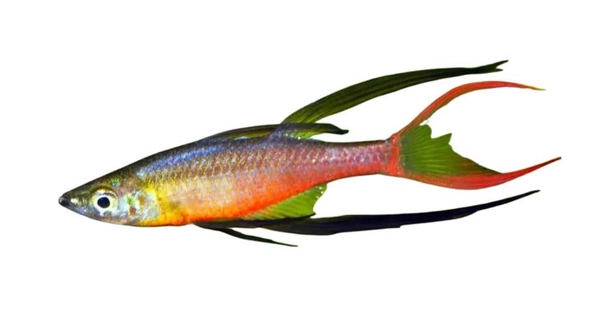
Threadfin Rainbowfish are vibrant and active aquarium fish. They often move quickly through their tanks, showing off their colorful scales. Watching them swim can be enjoyable, but some owners notice them bumping into glass repeatedly.
This behavior is usually caused by reflections on the glass, which the fish mistake for other rainbowfish. It may also indicate stress, limited swimming space, or sudden changes in the tank environment. Addressing these factors can reduce such collisions effectively.
Understanding why this happens will help maintain a healthier and calmer environment for your fish. Small adjustments can make a noticeable difference in their daily behavior.
Common Reasons Threadfin Rainbowfish Bump Into Glass
Threadfin Rainbowfish are naturally curious and active swimmers. One main reason they collide with the glass is reflections. When light hits the tank, it can create mirror-like surfaces that confuse the fish. They often see their own reflection and mistake it for another fish, triggering chasing or territorial behaviors. Limited swimming space can also lead to accidental bumps, especially in smaller aquariums. Sudden changes in the environment, like new decorations or moving the tank, can increase stress and disorientation. Stress may make them swim erratically or more rapidly, which increases the likelihood of hitting the glass. Overcrowding is another factor; when there are too many fish in the tank, they have less room to maneuver. Water conditions also play a role—poor water quality or strong currents can affect swimming patterns. Observing your fish carefully can help identify which factors are affecting them most. Adjustments can significantly reduce this behavior.
Reflections and stress are often the main reasons for repeated collisions. Improving tank layout and water conditions helps prevent it.
By reducing bright reflections, providing ample swimming space, and keeping water conditions stable, you can help your Threadfin Rainbowfish swim more calmly. Adding plants or background decorations can break up reflections. Ensuring the tank is large enough for all fish to move freely will also reduce accidental collisions. Monitoring their behavior after changes will help you understand their comfort levels. Proper feeding routines and minimal sudden disturbances in the tank environment are equally important. Gradually acclimating new fish or decorations helps lower stress. Regular water testing ensures optimal conditions, keeping them active but controlled. This combination of environmental and care adjustments can make a noticeable difference in their behavior. In most cases, simple changes lead to calmer swimming patterns and fewer glass bumps, creating a more peaceful tank for both you and your fish.
How to Minimize Glass Collisions
Positioning the tank away from direct sunlight and bright lights helps reduce reflections that confuse the fish.
Choosing the right decorations, adding background elements, and maintaining clear water are essential. Observing and adjusting these factors ensures a calmer environment. Gradually introducing changes prevents stress. Overcrowding should be avoided. Consistent care routines, stable water conditions, and gentle handling when feeding or cleaning keep the fish more relaxed. Avoiding sudden loud noises or vibrations near the tank also helps. By combining proper tank setup with attentive observation, you can minimize collisions and encourage natural swimming behaviors. Regularly checking water temperature, pH levels, and filtration keeps their environment predictable. Plants and hiding spots provide comfort and reduce anxiety. Even small improvements in tank layout or lighting can significantly reduce erratic swimming. Tracking changes over time allows you to see which adjustments work best. This structured approach creates a safer, calmer habitat, supporting both their health and overall happiness.
Tank Setup Adjustments
Proper tank setup can significantly reduce glass collisions. Positioning plants and decorations strategically breaks up reflections. Ensuring enough open swimming space allows fish to move freely without bumping into walls. Adjusting lighting to avoid harsh glare on the glass also helps minimize confusion.
Plants and background decorations provide visual barriers that reduce mirrored reflections. Using tall or bushy plants near the edges prevents the fish from seeing their reflection clearly. Rearranging ornaments occasionally can redirect swimming patterns and keep the environment stimulating. Ensuring the tank is long enough for horizontal swimming is important, as Threadfin Rainbowfish are active swimmers. Open areas in the center give them space to glide smoothly without hitting glass. Combining these elements improves overall comfort and lowers stress levels.
Regular monitoring of the tank setup is essential. Checking that decorations don’t create tight spaces, verifying plants are not overcrowded, and maintaining open swimming lanes helps fish adjust comfortably. Lighting placement should be considered carefully, avoiding reflections that may trigger chasing behavior. When new decorations or background elements are added, observing the fish for stress signs is important. Over time, these adjustments create a calmer environment where Threadfin Rainbowfish can swim naturally. Small changes in layout can prevent repeated collisions and improve their overall well-being.
Water Quality and Environment
Stable water conditions play a key role in reducing erratic swimming. Temperature, pH, and filtration all affect the fish’s comfort. Sudden changes can trigger stress responses, leading to more frequent collisions with glass.
Maintaining clean, well-filtered water reduces stress and encourages normal swimming patterns. Regular water testing ensures temperature stays within the recommended range for Threadfin Rainbowfish, generally around 24–28°C (75–82°F). pH levels should remain stable, ideally between 6.5 and 7.5. Sudden drops in water quality, like spikes in ammonia or nitrite, can cause panic swimming. Avoid overfeeding, as excess food decays and affects water clarity. Gentle water flow prevents strong currents that can push the fish into walls. Paying attention to these factors ensures a healthier and calmer environment for the fish to thrive.
Lighting and tank surroundings also influence behavior. Bright, direct light can create reflections, while nearby movement outside the tank can startle the fish. Using a solid background minimizes visual stressors and prevents them from reacting to reflections. Plants and hiding spots provide comfort and reduce anxiety. Overcrowding should be avoided to ensure each fish has enough space. Regular observation helps detect unusual behavior early, allowing adjustments before stress escalates. Combining stable water conditions with thoughtful tank arrangement improves swimming patterns and reduces repeated glass collisions, ensuring a calmer, healthier habitat for Threadfin Rainbowfish.
Behavioral Factors
Territorial instincts can cause Threadfin Rainbowfish to chase reflections or other fish, leading to glass collisions. They may also react to sudden movements or disturbances near the tank. Recognizing these behaviors helps in managing and adjusting the environment effectively.
Stress from overcrowding or frequent changes can increase erratic swimming. Providing stable conditions and enough space reduces tension, making the fish calmer and less likely to bump into glass.
Feeding and Activity Patterns
Regular feeding schedules help maintain predictable activity levels. Overfeeding or irregular feeding can lead to hyperactive behavior, increasing the chance of collisions. Monitoring food portions ensures the fish remain active without causing stress-related swimming issues. Consistent feeding routines support overall tank harmony and fish health.
Tank Lighting Considerations
Positioning lights to reduce glare on the glass helps minimize reflections. Soft, evenly distributed lighting supports calmer swimming patterns and prevents visual confusion among the fish.
Monitoring Fish Health
Regular health checks are essential. Illness or injury can affect swimming ability and increase accidental collisions. Observing changes in behavior early allows prompt intervention, keeping the fish active and healthy.
FAQ
Why does my Threadfin Rainbowfish keep bumping into the glass even though the tank seems fine?
This usually happens because of reflections on the glass or sudden environmental changes. Fish may mistake their own reflection for another fish, triggering chasing or territorial behavior. Even in well-maintained tanks, limited swimming space, nearby movements, or sudden noises can make them swim erratically. Adjusting lighting, tank layout, and ensuring open swimming areas can significantly reduce this behavior. Observing your fish helps identify the specific triggers in your tank.
Can stress make my rainbowfish hit the glass more often?
Yes, stress plays a big role in repeated collisions. Overcrowding, sudden decorations, temperature fluctuations, or water quality issues can make fish swim more frantically. Maintaining stable water parameters, proper tank size, and consistent routines reduces stress. Adding plants and hiding spots can also calm them. Calm fish tend to swim naturally and avoid walls, whereas stressed fish may dash into the glass frequently.
Does tank size matter for this behavior?
Absolutely. Threadfin Rainbowfish are active swimmers and need sufficient horizontal space. Small tanks restrict movement, causing accidental bumps. A longer, wider tank allows smoother swimming patterns. Combining adequate space with decorations that break reflections can prevent repeated collisions and encourage healthier, more natural movement.
Can lighting affect how often they bump into glass?
Yes. Bright or uneven lighting can create strong reflections on the glass, confusing the fish. Positioning lights to avoid glare and using a solid background can minimize visual stressors. Soft, diffused lighting helps fish see their environment more clearly, reducing the likelihood of collisions while supporting calmer swimming patterns.
Will rearranging decorations help prevent glass collisions?
Rearranging decorations can help break reflections and create new swimming paths. Placing plants or ornaments near glass edges reduces the visibility of mirrored surfaces, lowering territorial or chasing behaviors. Rotating decorations gradually can redirect swimming patterns without adding stress. Open areas in the center of the tank give fish enough space to glide freely.
How does water quality influence this behavior?
Poor water quality can increase erratic swimming and collisions. Spikes in ammonia, nitrite, or sudden pH changes cause discomfort and stress. Keeping water clean, maintaining consistent temperature, and using proper filtration create a stable environment. Fish are calmer when water conditions are optimal, and they swim naturally instead of darting into the glass.
Does overcrowding make them hit the glass more often?
Yes. Too many fish in the tank reduce space for movement, increasing accidental bumps. Overcrowding also intensifies territorial behavior and stress, leading to more collisions. Ensuring proper stocking density and giving each fish enough room improves swimming patterns and overall comfort.
Can behavioral issues be corrected naturally?
Most behavioral issues can be managed through environmental adjustments. Addressing reflections, adding hiding spots, stabilizing water conditions, and providing adequate space often resolves repeated collisions. Consistent feeding schedules and gentle handling also reduce stress. Observation over time helps identify triggers, allowing small but effective corrections to the fish’s environment.
When should I worry about glass-bumping behavior?
Occasional bumps are normal, but constant or violent collisions may indicate stress, illness, or injury. If your fish shows signs of lethargy, loss of appetite, discoloration, or fin damage, it’s time to check water quality and health carefully. Prompt intervention prevents long-term issues and ensures their well-being.
Are there long-term effects if they keep hitting the glass?
Frequent collisions can cause injury, fin damage, or stress-related health problems. Stress weakens the immune system, making fish more prone to disease. By correcting environmental factors, providing sufficient space, and reducing reflections, these issues can be prevented. A stable and thoughtfully arranged tank supports long-term health and natural behavior.
Can adding plants help reduce glass collisions?
Yes, plants act as visual barriers and provide comfort. They break reflections, reduce stress, and create hiding spots. Tall or bushy plants near the edges prevent the fish from seeing themselves clearly, decreasing territorial or chasing behavior. Strategically placing plants improves swimming flow and overall tank aesthetics.
Do feeding routines affect this behavior?
Consistent feeding schedules reduce hyperactive swimming and stress. Overfeeding can cause frantic movements as fish compete for food, sometimes leading to glass collisions. Providing the right amount of food at regular times keeps activity levels predictable and maintains harmony within the tank.
Final Thoughts
Threadfin Rainbowfish are active and visually striking fish that bring life to any aquarium. Their energy and vibrant colors make them enjoyable to watch, but their behavior, such as bumping into glass, can be concerning for owners. This behavior is often caused by reflections, stress, limited swimming space, or sudden environmental changes. Understanding the reasons behind these actions is essential to providing a calm and healthy environment. By observing the fish carefully, owners can identify patterns and triggers that lead to glass collisions. Adjusting the tank layout, providing enough space for swimming, and maintaining stable water conditions are key factors in reducing these incidents. Even small changes, such as moving decorations or adjusting lighting, can have a significant impact on the fish’s behavior. Paying attention to these details ensures the fish feel secure and allows them to exhibit natural swimming patterns without constant stress or confusion.
Maintaining proper tank conditions goes beyond avoiding collisions. Water quality, tank size, and stocking density play important roles in the overall well-being of Threadfin Rainbowfish. Consistent water testing and filtration prevent sudden changes that could lead to erratic behavior. Providing hiding spots, plants, and background decorations helps reduce visual stress and gives the fish areas to retreat when needed. Feeding routines also affect activity levels. Overfeeding or irregular schedules can make the fish hyperactive, which may increase the chance of hitting the glass. By keeping a predictable routine and carefully monitoring tank parameters, owners can create a stable environment that supports the fish’s natural behaviors. Stability in the tank encourages calm swimming and reduces stress, which in turn minimizes accidents. Observing the fish regularly allows owners to detect early signs of discomfort or health issues, making it easier to intervene before problems escalate.
Behavioral adjustments are another important aspect of caring for Threadfin Rainbowfish. These fish may bump into glass due to territorial instincts or responses to reflections, but environmental adjustments can help manage these behaviors. Rearranging decorations, reducing harsh lighting, and providing sufficient open swimming areas all contribute to calmer activity. Over time, fish adapt to their surroundings when stressors are minimized, resulting in less erratic movement. Consistency in care and environment helps the fish feel secure, reducing the likelihood of repeated collisions. Overall, understanding the interplay between environment, health, and behavior allows owners to create a peaceful and supportive tank. By applying these practices, Threadfin Rainbowfish can thrive, swim freely, and display their natural, vibrant beauty without frequent interruptions from collisions with glass.

Hello,
If you enjoy the content that we create, please consider saying a "Thank You!" by leaving a tip.
Every little bit helps us continue crafting quality advice that supports the health, happiness, and well-being of pets around the world, for pets of all shapes, sizes, and species.
We really appreciate the kindness and support that you show us!