
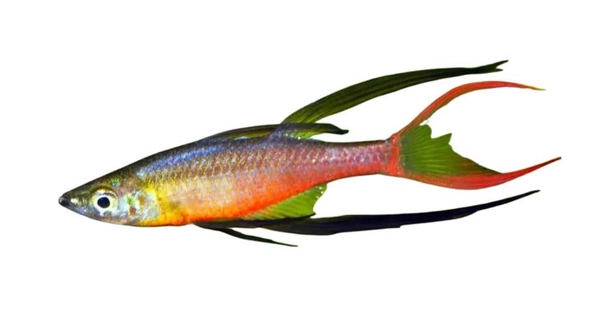
Are your Threadfin Rainbowfish behaving differently than usual, showing less energy or avoiding their tank mates? Many fish owners notice subtle changes that could indicate something is wrong, and understanding these signs early helps prevent serious issues.
Threadfin Rainbowfish injuries often manifest through visible wounds, torn fins, abnormal swimming patterns, or sudden changes in appetite and coloration. Prompt identification and care are crucial to minimizing long-term harm and ensuring the fish’s recovery within a controlled aquatic environment.
Recognizing these warning signs early can make a significant difference in your fish’s well-being. Paying attention to their behavior and appearance ensures they remain healthy and active in your aquarium.
Visible Wounds or Torn Fins
Seeing your Threadfin Rainbowfish with frayed or torn fins is an immediate sign of injury. These wounds can occur from fights with other fish, rough decorations in the tank, or even accidental scraping against objects. When left untreated, torn fins may worsen, leading to infections or slower healing. Observing the severity of the damage is essential because minor tears can often heal on their own with proper water conditions, while deeper wounds may require isolation or treatment. It’s important to maintain clean water and reduce stress in the tank to allow the fish to recover efficiently. Fish with injuries might hide more often, showing less interaction with other tank mates. Keeping a close eye on their movement and appetite helps determine if the injury is improving or worsening. Consistent monitoring can prevent small wounds from turning into serious health issues.
Injured fins can make swimming difficult and affect balance, so careful observation is key to early care.
Treating these injuries involves maintaining pristine water quality, possibly adding antibacterial solutions, and removing any sharp objects from the tank. Isolating the fish in a smaller hospital tank can help prevent further damage and allow it to recover without interference from other fish. During this period, feeding high-quality, nutrient-rich food supports healing. Even minor injuries benefit from daily checks to ensure that fin edges are not deteriorating and that the fish is regaining normal swimming behavior. Over time, healthy tissue can regrow, but the rate of recovery depends on water temperature, stress levels, and diet. Proper attention to these factors ensures that your Threadfin Rainbowfish returns to its active self and reduces the risk of complications. Consistent care during this healing phase is essential for long-term health.
Abnormal Swimming Patterns
Fish that swim erratically, float unusually, or stay at the bottom often signal discomfort or injury.
Unusual swimming behavior is often linked to internal injuries or stress from external wounds. When a Threadfin Rainbowfish loses balance or struggles to maintain orientation, it may indicate damage to fins, muscles, or the swim bladder. Observing patterns such as darting suddenly, circling repeatedly, or floating near the surface without movement is crucial. Early detection allows for interventions like adjusting water parameters, reducing tank crowding, or isolating the fish for recovery. These behaviors should not be ignored, as they can worsen if underlying injuries are left untreated. Monitoring the frequency and intensity of these swimming abnormalities gives insight into the fish’s recovery progress. By acting promptly, you can support the fish’s ability to regain normal swimming behavior, reducing stress and promoting overall well-being in the aquarium.
Loss of Appetite
A Threadfin Rainbowfish that suddenly refuses food may be experiencing pain or internal injury. Appetite changes are one of the earliest signs of stress or illness and should not be ignored.
Loss of appetite often accompanies other signs of injury, such as lethargy or abnormal swimming. When a fish stops eating, it can weaken quickly, making recovery harder. Changes in water temperature, quality, or tank aggression can also contribute to appetite loss. Feeding smaller, softer portions and monitoring whether the fish shows any interest in food helps determine the severity of the problem. Consistent observation over several days is important to detect patterns and prevent further health decline.
Some injuries may affect the fish internally, causing discomfort that prevents normal feeding. In such cases, specialized food or supplements can help maintain strength. Ensuring the tank environment is calm and stable reduces stress, encouraging the fish to regain its appetite. Observation combined with proper care helps identify whether the loss of appetite is temporary or indicates a more serious condition requiring intervention.
Color Changes
Faded or dull coloration often signals an underlying injury or illness in Threadfin Rainbowfish.
Color changes can result from physical trauma, stress, or infections. Healthy fish typically display vibrant colors, and any dulling may indicate that the fish is struggling to recover from a wound. Stress from aggression, overcrowding, or poor water quality can also affect pigmentation. Regularly monitoring water conditions and tank dynamics helps prevent situations that cause stress-related color loss.
Immediate attention to faded colors can prevent more severe complications. Treating injuries promptly and ensuring optimal nutrition supports the fish’s natural pigmentation. Adjusting tank conditions, isolating the injured fish, and providing high-quality food improves the chance of recovery. Tracking gradual improvements in color helps determine if the fish is healing properly or if further intervention is necessary. Consistency in care is crucial to restore both health and vibrancy.
Hiding More Than Usual
Threadfin Rainbowfish that hide frequently may be trying to protect themselves from further injury. This behavior often signals stress or discomfort.
Excessive hiding can make it harder to notice other warning signs. Ensure the tank provides safe spaces while monitoring the fish closely for any changes in behavior or appearance.
Rapid Gill Movement
Rapid gill movement can indicate internal stress or injury, affecting the fish’s ability to breathe efficiently.
When a fish struggles to get enough oxygen, it may show quick, shallow gill movements. Poor water quality, physical trauma, or infection can all contribute. Monitoring oxygen levels and maintaining clean water supports recovery.
Loss of Balance
A Threadfin Rainbowfish that tilts, floats unevenly, or struggles to stay upright is likely injured or unwell.
Balance issues often point to swim bladder problems or internal injury. Observing these symptoms early and adjusting tank conditions can help the fish regain normal swimming and prevent further complications.
FAQ
How can I tell if my Threadfin Rainbowfish is seriously injured?
Serious injuries often show as deep fin tears, open wounds, or internal issues like difficulty swimming. Look for lethargy, faded colors, or loss of appetite. Multiple warning signs appearing together usually indicate that professional care or immediate intervention is needed.
What should I do if my fish has a torn fin?
First, maintain clean water to prevent infection. Isolate the fish in a small tank if possible, and remove sharp objects from the main tank. Feeding high-quality food and monitoring for signs of infection can speed up recovery and reduce stress during healing.
Can water conditions affect injuries?
Yes, poor water quality can slow healing and worsen injuries. Ensure the tank is free from ammonia, nitrites, and excess waste. Keeping temperature and pH stable helps the fish recover faster and reduces the risk of secondary infections.
How long does it take for a Threadfin Rainbowfish to heal?
Healing time varies depending on the type and severity of the injury. Minor fin tears may take a week or two, while deeper wounds or internal injuries can take several weeks. Proper care and consistent observation are essential for full recovery.
Should I change the diet for an injured fish?
Yes, providing nutrient-rich, easily digestible food helps the fish regain strength. Foods high in protein and vitamins can improve healing, especially when the fish is not eating normally. Avoid overfeeding, which can worsen water quality.
Is isolation necessary for injured fish?
Isolation can prevent further damage from other fish and reduce stress. Using a small hospital tank with clean water and hiding spots allows better monitoring and care. Isolation should continue until the fish is swimming normally and wounds show improvement.
Can injuries lead to infection?
Injuries, especially open wounds, can easily become infected. Bacterial and fungal infections are common in fish tanks if water is unclean. Observing any white patches, redness, or unusual growths is critical, and treatment should be started immediately to prevent complications.
What are early signs of internal injury?
Internal injuries may show as difficulty swimming, floating unevenly, rapid gill movement, or loss of appetite. Color changes, lethargy, and hiding more than usual are also common indicators. Early detection is crucial to minimize long-term damage.
How can I prevent future injuries?
Maintain proper tank size, avoid overcrowding, and remove sharp decorations. Monitor fish interactions and separate aggressive tank mates. Consistently maintaining water quality and providing a balanced diet helps the fish remain strong and less prone to injury.
When should I consult a professional?
If injuries are severe, persistent, or accompanied by internal symptoms like erratic swimming or difficulty breathing, consulting an aquatic veterinarian or experienced fish keeper is important. Prompt professional care can prevent complications and improve recovery outcomes.
Are all color changes a sign of injury?
Not always. Temporary dulling can occur due to stress or water fluctuations. However, persistent fading, especially with other signs like hiding, lethargy, or loss of appetite, usually points to an underlying problem requiring attention.
Can minor injuries heal on their own?
Yes, minor fin tears or small scrapes can heal naturally with proper water quality, a calm environment, and good nutrition. Continuous monitoring is important to ensure the injury does not worsen or become infected.
How often should I check on an injured fish?
Daily observation is ideal. Look for changes in swimming, appetite, color, and fin condition. Quick intervention at the first sign of deterioration increases the chances of a full recovery.
What role does tank setup play in injury recovery?
A safe, well-maintained tank supports healing. Remove sharp objects, provide hiding spots, and maintain stable temperature and water parameters. Reducing stressors helps the fish focus energy on recovery rather than defense or stress responses.
Can stress worsen an injury?
Yes, stress slows healing and weakens the immune system. Minimize disturbances, avoid aggressive tank mates, and keep feeding routines consistent. A calm environment is crucial for injured Threadfin Rainbowfish to regain health efficiently.
Final Thoughts
Caring for Threadfin Rainbowfish requires careful observation and attention. These fish are delicate, and even minor injuries can affect their health and behavior. By keeping a close eye on their appearance, swimming patterns, and appetite, you can catch problems before they become serious. Simple changes, like torn fins, color fading, or hiding more than usual, often signal that something is wrong. Noticing these signs early allows you to act quickly, whether that means improving water conditions, adjusting the tank setup, or isolating the injured fish for treatment. Small steps like these can make a big difference in preventing further damage and supporting the fish’s recovery. Understanding your fish’s normal behavior is key, because subtle deviations are often the first clues that they are injured or stressed. Consistently monitoring their activity helps you recognize patterns and identify problems faster, which is crucial for maintaining their health and well-being.
Providing a clean and safe environment is one of the most important things you can do for an injured Threadfin Rainbowfish. Water quality plays a major role in healing, so testing for ammonia, nitrites, and pH levels regularly is essential. A properly maintained tank reduces the risk of infection and creates conditions that help wounds heal more quickly. Removing sharp decorations or rearranging tank objects can prevent accidental scrapes or injuries from reoccurring. Additionally, giving your fish a stress-free environment by minimizing overcrowding or aggressive tank mates improves their ability to recover. A small hospital tank can be helpful, allowing the injured fish to rest without interference. Feeding nutritious, high-quality food also supports healing by providing essential energy and vitamins. Even if the injury seems minor, these measures create a supportive environment that speeds up recovery and ensures the fish stays healthy. Consistency in care is key, as fluctuations in water quality, temperature, or feeding routines can slow healing and add stress.
Paying attention to the overall well-being of your Threadfin Rainbowfish goes beyond just treating injuries. Understanding their behaviors, preferences, and social interactions helps you prevent accidents and reduce stress. Injuries often occur due to fights, rough surfaces, or sudden changes in the tank, so anticipating potential hazards is important. By taking a proactive approach, you not only address current issues but also protect your fish from future problems. Regular observation, careful monitoring of water parameters, and providing a balanced diet are all part of responsible fishkeeping. While it can take time and patience, seeing an injured fish recover and regain its normal activity is rewarding. Every small action, from maintaining a safe tank environment to monitoring feeding habits, contributes to their health. Caring for Threadfin Rainbowfish is a continuous process, but thoughtful attention and early intervention make a lasting difference in their quality of life, helping them thrive in your aquarium for years to come.

Hello,
If you enjoy the content that we create, please consider saying a "Thank You!" by leaving a tip.
Every little bit helps us continue crafting quality advice that supports the health, happiness, and well-being of pets around the world, for pets of all shapes, sizes, and species.
We really appreciate the kindness and support that you show us!