
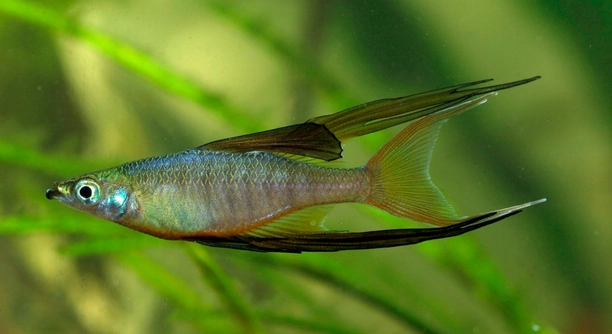
Threadfins are known for their gentle nature, yet they can be hesitant when exploring new environments. Encouraging them to move around can improve their health and keep their aquatic habitat more engaging and dynamic.
A few small adjustments in their tank setup, feeding routines, and environmental enrichment can stimulate threadfins’ natural curiosity. Providing safe spaces, varied textures, and subtle changes in lighting encourages exploration and helps these fish remain active and healthy.
These simple tricks can make a noticeable difference, helping threadfins feel more comfortable and confident as they explore their surroundings.
Adjust the Tank Layout
Changing the layout of your threadfins’ tank can make a significant difference in their willingness to explore. Start by adding small hiding spots like smooth rocks, driftwood, or ceramic caves. Threadfins feel safer when they have places to retreat. Moving decorations around occasionally also piques their curiosity. Make sure the open swimming areas remain unobstructed so they can move freely without stress. Live plants can provide a natural environment and encourage gentle exploration. Avoid overcrowding with too many decorations, as this can limit movement and cause tension among the fish. Subtle changes, like adjusting the height of a plant or placing a small rock cluster, can be enough to make the environment feel new and interesting. Observe how your threadfins react to each adjustment to understand their preferences. Over time, a well-thought-out tank layout supports their physical activity, reduces boredom, and enhances overall well-being, creating a more dynamic and interactive habitat.
Adding small open spaces within the tank helps threadfins feel secure while exploring. Simple adjustments can encourage movement.
Frequent observation is key. Notice which areas they prefer and adjust accordingly. Rotate decorations gradually to avoid sudden stress. Provide varied surfaces, such as sand, smooth stones, and gentle slopes, which offer both exploration and exercise. The fish will naturally investigate areas with subtle changes, especially when new textures or hiding spots are introduced. Keep water quality consistent, as stressed fish are less likely to explore. Regularly feeding in different tank zones can also motivate movement, reinforcing exploration behavior. Over time, this approach helps your threadfins remain active, engaged, and less prone to inactivity, ultimately supporting their long-term health.
Use Light and Shadow
Threadfins respond well to changes in lighting, which can stimulate their activity. Adjusting light intensity gradually or creating shaded areas encourages them to explore. Avoid sudden bright lights that may cause stress, but gentle variations can guide movement.
Subtle changes in lighting create curiosity and movement among threadfins, supporting their natural behavior.
Try using floating plants or partial shading to create dim spots in the tank. Gradually shift light throughout the day to mimic natural cycles. Fish often investigate new or changing light patterns, moving through shaded and illuminated areas. Avoid placing lights directly over areas where threadfins hide, as they may retreat instead of exploring. Consistent yet gentle variations in light intensity, combined with shaded nooks and cozy corners, motivate activity and exploration. Over time, the fish begin to recognize these areas as safe and interesting. Lighting adjustments, when paired with varied tank layout and enrichment, encourage natural swimming patterns and curiosity. Observing their response helps refine the approach, ensuring the environment remains stimulating without causing stress, leading to healthier, more active threadfins.
Offer Varied Food Options
Providing different types of food encourages threadfins to explore areas they might usually avoid. Changing feeding locations or introducing new textures keeps them engaged and active throughout the tank.
Rotating their diet with flakes, pellets, and occasional live or frozen foods stimulates natural foraging behaviors. Dropping food in different zones of the tank motivates them to swim around and investigate each corner. Live foods, like small worms or brine shrimp, can be especially effective, as they trigger hunting instincts and increase movement. Avoid overfeeding in one spot, as it may cause them to stay stationary and reduce exploration. Small, frequent feedings also promote curiosity and encourage social interaction among the fish, making mealtime an engaging activity rather than a routine. By observing which foods spark the most movement, you can adjust feeding strategies to maintain interest and support both physical activity and mental stimulation.
Feeding in various spots works well alongside other enrichment. It promotes curiosity and reinforces safe exploration throughout the tank.
Regularly introducing new food types not only provides balanced nutrition but also acts as a behavioral stimulant. Alternate between sinking pellets and floating flakes to encourage vertical movement. Occasionally hiding small treats under decorations or within plants can inspire investigation and create mild challenges that keep the fish mentally active. Live foods, while temporary, can excite natural instincts, making exploration more purposeful. Avoid drastic changes that might stress them. Maintaining a consistent feeding routine while introducing subtle variations ensures the fish remain healthy and attentive. Over time, combining variety and strategic placement develops confident, active threadfins that utilize all areas of their environment, improving overall activity levels and well-being.
Introduce Gentle Currents
Threadfins respond to gentle water movement, which encourages swimming and exploration. A mild current helps them exercise while engaging with the entire tank.
Positioning a filter or small pump to create subtle flows can stimulate activity without causing stress. Threadfins naturally explore flowing water, using it to navigate and interact with their surroundings. Moderate currents can be created using sponge filters or adjustable powerheads, ensuring the water moves evenly across the tank. Observe their swimming patterns to avoid areas where the current is too strong. Currents can also enhance oxygen distribution and prevent stagnant zones, contributing to overall tank health. Small, consistent flows encourage them to investigate different tank zones while supporting physical fitness and natural behaviors, making their environment more dynamic and interesting.
Gradually introducing variations in water movement ensures threadfins do not become overwhelmed. This gentle stimulation promotes natural swimming patterns, improves stamina, and increases curiosity. Adjust flow speed in small increments to observe responses. Combining current stimulation with varied decorations, lighting, and feeding zones enhances engagement. Over time, threadfins begin using previously underexplored areas, swimming confidently through shaded spots, plants, and open swimming zones. Currents also mimic natural habitats, helping reduce stress and encouraging social interactions. Careful monitoring ensures the current remains safe and enjoyable, supporting both physical activity and mental enrichment.
Provide Safe Hiding Spots
Threadfins feel more confident exploring when there are secure areas to retreat to. Small caves, hollow logs, or dense plants give them comfort while they navigate open spaces.
Hiding spots reduce stress and encourage movement. Fish are more likely to investigate new areas when they know a safe zone is nearby.
Gentle Interaction
Interacting subtly with threadfins can spark curiosity. Hand movements near the tank or small floating objects stimulate exploration without causing alarm.
Add Floating Plants
Floating plants create shaded areas that attract threadfins. They provide comfort while giving the fish new zones to investigate.
Maintain Consistent Water Conditions
Stable water temperature, pH, and cleanliness support active behavior. Threadfins explore more confidently in predictable, healthy environments.
FAQ
How often should I change the tank layout for threadfins?
Changing the tank layout should be done gradually and not too frequently. Small adjustments every few weeks are enough to keep threadfins curious. Sudden or drastic changes may stress them, causing them to hide rather than explore. Start with moving a single decoration or adding a new plant. Observe their reaction before making additional changes. Rotating objects like rocks or rearranging caves encourages natural investigation. Over time, small, consistent modifications maintain interest without overwhelming the fish.
What types of food best encourage exploration?
Threadfins respond well to variety in their diet. Mixing flakes, pellets, frozen foods, and occasional live foods stimulates natural foraging instincts. Dropping food in different areas of the tank motivates movement and exploration. Live foods like brine shrimp or small worms are especially effective at encouraging active searching behaviors. Avoid overfeeding in one spot, which can reduce movement. Small, frequent feedings work best. Hiding tiny treats under plants or rocks also makes foraging more engaging. Variety in both type and placement helps maintain activity and curiosity.
Can lighting changes really affect threadfin activity?
Yes, gentle variations in lighting encourage threadfins to explore. They naturally investigate areas with different light intensities or shaded spots. Floating plants, partial shading, or soft adjustments in overhead lighting mimic natural patterns and create safe zones. Avoid sudden bright lights, which can cause stress. Observing their response helps determine ideal intensity and placement. Over time, subtle changes in light motivate exploration without overwhelming the fish. Consistent cycles of light and shadow, combined with safe hiding spots, improve overall activity levels and stimulate curiosity.
Do currents really help threadfins move more?
Gentle currents promote swimming and exercise. Threadfins naturally explore flowing water, using it to navigate. Positioning filters or small pumps to create mild, even flows encourages movement without causing stress. Avoid strong currents that could tire or injure them. Gradually increasing flow strength lets fish adjust safely. Currents also improve oxygenation and reduce stagnant areas, which enhances both health and activity. Observing swimming patterns ensures the current is effective but comfortable. Combining currents with varied decorations and feeding zones increases engagement and promotes natural exploration behavior.
How important are hiding spots for encouraging exploration?
Hiding spots are crucial. Threadfins explore more confidently when they know safe retreats exist. Small caves, hollow logs, or dense plants provide security. Lack of hiding places can make fish stressed and less willing to move around. Regularly offering accessible shelters supports activity. Multiple safe areas encourage investigation while reducing anxiety. Over time, fish become comfortable using open spaces knowing they can retreat if needed. Hiding spots, combined with lighting, currents, and varied food, create a balanced environment that stimulates natural behaviors.
Can interacting with threadfins affect their willingness to explore?
Yes, subtle interaction encourages curiosity. Gentle hand movements near the tank, floating objects, or slow gestures can draw attention without frightening them. Sudden or aggressive movements may cause stress. Observation is key. Over time, they recognize safe interactions and may approach areas they usually avoid. Combining this with varied feeding spots, currents, and tank enrichment maintains active and confident fish.
How can I tell if my threadfins are exploring enough?
Active swimming in different zones, investigating decorations, and moving through shaded and open areas indicate healthy exploration. Hesitation, prolonged hiding, or clustering in one spot may signal stress or boredom. Small changes in layout, light, and feeding routines can increase movement. Monitor behavior consistently to ensure activity levels remain healthy. Balanced water conditions and proper nutrition also play a role. Consistent observation allows adjustments to encourage confident exploration while keeping stress minimal.
How often should water conditions be monitored?
Regular monitoring is essential. Stable temperature, pH, and cleanliness support exploration and reduce stress. Weekly checks are usually sufficient for stable systems, but frequent observation is better during adjustments or seasonal changes. Maintaining consistent water parameters encourages confident movement. Regular water changes and filtration maintenance support a healthy, active environment. Threadfins are more likely to explore when conditions are predictable and comfortable.
Final Thoughts
Encouraging threadfins to explore their tank is a combination of providing a safe environment, offering varied stimulation, and maintaining consistent care. Small changes, like rearranging decorations or adding new hiding spots, can make a big difference in how confident they feel. Threadfins naturally seek security, so providing areas where they can retreat helps them feel comfortable venturing into open spaces. Observation is key; watching how they respond to changes allows you to adjust the environment to suit their needs. Over time, these small adjustments support healthy activity, reduce stress, and create a more engaging habitat for the fish.
Food variety and placement also play a critical role in motivating exploration. Offering different types of food—flakes, pellets, frozen options, or occasional live treats—encourages natural foraging behaviors. Placing food in different areas of the tank can guide the fish to explore parts of the environment they might otherwise ignore. Live foods or small treats hidden under plants and decorations can be especially effective at stimulating curiosity. Combined with subtle changes in lighting or water flow, these feeding strategies create a dynamic and enriching setting. Threadfins respond well to consistent but gentle variations, and this type of enrichment helps maintain both physical activity and mental engagement.
Maintaining stable water conditions, gentle currents, and consistent lighting supports exploration and overall health. Threadfins are more likely to investigate their surroundings when the environment feels safe and predictable. Gradual changes in water flow or light intensity can encourage movement without causing stress. Providing floating plants or shaded areas offers comfort while creating interesting zones to explore. Subtle, consistent strategies that combine environmental enrichment, feeding variety, and careful monitoring ensure that threadfins remain active, confident, and curious. When all these factors are balanced, the tank becomes a space where threadfins can thrive and exhibit their natural behaviors fully.

Hello,
If you enjoy the content that we create, please consider saying a "Thank You!" by leaving a tip.
Every little bit helps us continue crafting quality advice that supports the health, happiness, and well-being of pets around the world, for pets of all shapes, sizes, and species.
We really appreciate the kindness and support that you show us!