
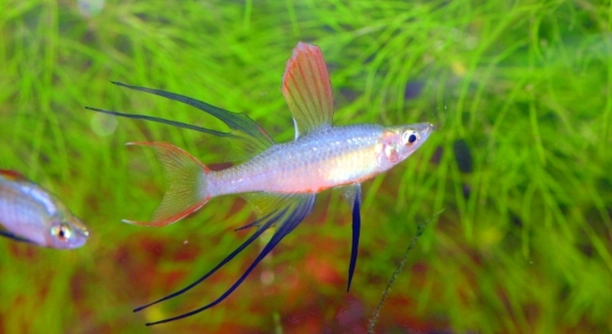
Threadfin Rainbowfish are small, colorful fish that many hobbyists enjoy keeping in home aquariums. Their shimmering scales and active swimming habits make them a lively addition to any tank, attracting attention and admiration.
Keeping Threadfin Rainbowfish in a bare-bottom aquarium reduces waste buildup and simplifies maintenance. Bare-bottom tanks allow easier cleaning, better water circulation, and more precise monitoring of fish health and behavior, supporting the long-term well-being of these sensitive fish.
Exploring the benefits of a bare-bottom setup will help you understand how it can make caring for these fish simpler and more efficient.
Easier Cleaning and Maintenance
A bare-bottom tank makes cleaning much simpler compared to a substrate-covered aquarium. Without gravel or sand, uneaten food, fish waste, and algae are easier to spot and remove. This reduces the time spent scrubbing and siphoning and ensures the water stays clear. For Threadfin Rainbowfish, clean water is essential because they are sensitive to poor water quality. I’ve noticed that even small amounts of debris can stress these fish, causing them to lose color or hide more often. In addition, bare-bottom tanks prevent detritus from building up under rocks or plants, which often leads to bacterial growth. It also allows for easier rearranging of decorations and plants without disturbing hidden waste. Overall, maintaining a bare-bottom aquarium keeps the tank visually appealing and creates a healthier environment for the fish. This setup works particularly well if you keep multiple Rainbowfish together, as monitoring the tank becomes simpler.
The main advantage is that you can quickly remove waste and keep the water consistently healthy for the fish.
Many hobbyists find that switching to a bare-bottom tank reduces stress for both the keeper and the fish. Cleaning takes less effort, and water parameters are easier to manage. The setup encourages observing fish behavior closely, helping to notice health issues sooner. Over time, this can lead to a more stable, thriving aquarium where Rainbowfish show their best colors and active swimming patterns. Plants can still be added in pots, giving some natural aesthetic without complicating maintenance. Overall, the simplicity of a bare-bottom tank helps create a balanced, attractive, and low-stress environment.
Better Water Quality Monitoring
Monitoring water quality becomes more accurate in a bare-bottom tank because there is no substrate to trap debris.
Without sand or gravel, you can quickly see changes in water clarity or signs of waste buildup. This allows for faster reactions to prevent ammonia spikes, nitrite accumulation, or other harmful conditions that Threadfin Rainbowfish are sensitive to. When fish are in a clean, transparent environment, it’s easier to notice behavioral changes that may indicate stress or illness. I often find that small adjustments in feeding or filtration make a big difference when the tank is bare-bottomed.
Keeping a bare-bottom tank encourages more frequent observation of water parameters. Filtration efficiency improves because water circulates freely, reducing stagnant areas. Routine water testing is more reliable since there is no hidden debris affecting readings. This setup also allows for quicker partial water changes and better oxygenation, which benefits Rainbowfish health. For aquarists who want their fish to thrive without spending excessive time on tank maintenance, bare-bottom aquariums offer a practical, effective solution. You can still create visual appeal with floating plants or decorations, but the primary focus remains on water quality and fish well-being. Over time, this approach results in a stable, low-stress environment where Rainbowfish remain active, healthy, and colorful.
Reduced Risk of Disease
A bare-bottom tank lowers the chance of infections because waste and leftover food don’t accumulate in hidden spots. Threadfin Rainbowfish stay healthier when their environment is easier to clean and monitor regularly.
Without substrate, bacterial or fungal growth is minimized, and parasites have fewer places to hide. This is especially important for Threadfin Rainbowfish, which are prone to stress-related illnesses if water quality is poor. I’ve seen tanks with sand develop hidden pockets of decay that were difficult to notice until fish showed signs of sickness. A bare-bottom setup allows for quick observation and treatment. Regular cleaning becomes more straightforward, and you can spot early signs of illness, such as color fading or unusual swimming patterns. Overall, it provides a safer, more controlled environment for maintaining fish health over time.
Additionally, using a bare-bottom tank makes it easier to isolate and treat sick fish if necessary. The absence of substrate allows medications to disperse evenly, improving treatment effectiveness.
Faster Detection of Health Issues
Without substrate, changes in behavior, color, or physical condition are easier to see, allowing quicker intervention.
I often notice small injuries, fin damage, or early signs of disease more clearly in a bare-bottom setup. Threadfin Rainbowfish are active and display vibrant colors, which fade subtly when they are stressed or unwell. With a bare-bottom tank, any change becomes obvious immediately, helping me take action before minor issues become serious. Quick detection reduces the risk of prolonged illness, which can affect the entire tank. Keeping a close eye on water parameters and fish behavior is simpler, making routine observation more effective.
Bare-bottom tanks also simplify feeding observation. You can track how much food each fish consumes and notice if any are refusing meals, which can indicate illness. Uneaten food is visible immediately, reducing the risk of it decomposing and harming water quality. Overall, this setup supports proactive care, helping Threadfin Rainbowfish thrive in a consistently healthy environment.
Easier Tank Rearrangement
Rearranging decorations or plants is simpler without substrate. I can move pots, rocks, or ornaments quickly without disturbing hidden waste or trapped debris.
This also reduces stress for Threadfin Rainbowfish. Sudden changes in tank layout can be unsettling, but a bare-bottom tank allows smoother adjustments and faster acclimation.
Better Observation of Fish Behavior
A clear, substrate-free bottom lets me watch swimming patterns and interactions more closely. Aggression, schooling behavior, and feeding habits are easier to monitor.
Reduced Algae Growth
Without sand or gravel, algae has fewer surfaces to attach to. This keeps the tank cleaner and visually appealing.
FAQ
Why should I consider a bare-bottom tank for Threadfin Rainbowfish?
A bare-bottom tank makes maintenance easier and helps keep water quality high. Threadfin Rainbowfish are sensitive to waste buildup, and without substrate, it’s easier to spot uneaten food, waste, or early signs of disease. I’ve found that tanks without gravel are cleaner and more stable, which keeps the fish healthier and more active.
Will my fish feel stressed without substrate?
Not usually. Threadfin Rainbowfish are active swimmers and spend most of their time mid-water. Bare-bottom tanks don’t remove hiding spots entirely; you can still add plants in pots or small ornaments. I’ve noticed that fish quickly adapt, and they often seem more visible and active without substrate getting in the way.
How do I add decorations without substrate?
You can use plant pots, rocks, or floating decorations. Weighted ornaments or suction-cup accessories work well to anchor items. I prefer small clusters of plants in pots, which give my Rainbowfish a sense of cover while keeping cleaning simple. This setup allows me to move decorations easily without stirring up waste.
Does a bare-bottom tank make feeding easier?
Yes. Uneaten food is visible immediately, reducing the risk of it decomposing and affecting water quality. I can measure portions better and observe which fish are eating properly. It also helps prevent overeating and ensures that all Rainbowfish get their share of food.
How does a bare-bottom tank affect water changes?
Water changes are faster and more effective. There’s no substrate to trap debris or harbor bacteria, so I can siphon waste directly and see results immediately. The water circulates more freely, making filtration more efficient and maintaining stable conditions for the fish.
Is algae easier to control in a bare-bottom setup?
Definitely. Without sand or gravel, algae has fewer surfaces to attach to. I still clean the tank regularly and sometimes scrub decorations, but overall, algae growth is much more manageable compared to tanks with substrate.
Will my Rainbowfish reproduce in a bare-bottom tank?
Yes, they can. Threadfin Rainbowfish lay eggs on plants, rocks, or decorations, so you can provide spawning sites without needing substrate. I’ve had success using fine-leaved plants in pots or small spawning mops, which are easy to clean and monitor.
Do bare-bottom tanks look less natural?
They can, but careful decoration helps. I use potted plants, driftwood, and a few rocks to create a visually appealing tank. Personally, I find the clean look emphasizes the fish’s colors and movement, and it’s easier to appreciate their activity without substrate distractions.
Is a bare-bottom tank suitable for all fish species?
Not all, but it works well for mid- and top-swimming species like Threadfin Rainbowfish. Bottom-dwelling fish, such as loaches or corydoras, prefer substrate, so I avoid bare-bottom tanks for them. For my Rainbowfish, though, this approach balances cleanliness and fish comfort effectively.
Can I switch from a substrate tank to bare-bottom?
Yes, but it requires careful cleaning and monitoring. I remove all gravel, thoroughly rinse decorations, and ensure water parameters are stable. The fish adjust quickly, and maintenance becomes much simpler. Regular observation after switching is important to ensure the fish remain comfortable and healthy.
Does a bare-bottom tank require special filtration?
Not necessarily. Standard filters work fine, but free water circulation is important. I use a gentle sponge or hang-on-back filter to maintain water flow without creating strong currents, which keeps the Rainbowfish comfortable and healthy.
How often should I clean a bare-bottom tank?
Cleaning can be more flexible, but I usually siphon waste and check water parameters weekly. The absence of substrate makes cleaning faster and more thorough, so I spend less time on maintenance and more time observing the fish.
Is this setup suitable for planted tanks?
Yes, with adjustments. Plants can be grown in pots or anchored to decorations. I find that floating plants or rooted plants in containers provide natural cover and aesthetic appeal without complicating cleaning or waste removal.
Are there long-term benefits for the fish?
Absolutely. Threadfin Rainbowfish thrive in clean, well-oxygenated water. Bare-bottom tanks reduce stress, make disease detection easier, and maintain stable conditions. Over time, fish show better coloration, more activity, and overall health compared to substrate-heavy tanks.
How do I maintain the tank’s appearance?
Regular cleaning of surfaces, pots, and decorations keeps it attractive. I wipe glass walls and remove algae as needed. A few well-placed plants and rocks create a natural feel while keeping the setup functional and easy to maintain.
Can I mix bare-bottom and substrate areas?
Yes, partial substrate works if desired. I sometimes leave small sections with sand for aesthetic purposes but keep the main area bare for easy cleaning and observation. This compromise maintains water quality while adding visual interest.
What common mistakes should I avoid?
Overcrowding and overfeeding are the main risks. Without substrate, waste accumulates quickly if too much food is added. I also avoid sudden, large changes in decorations or water parameters to prevent stress. Regular monitoring ensures the Rainbowfish stay healthy and vibrant.
How do I handle fish health emergencies in this setup?
Bare-bottom tanks make isolation and treatment easier. Sick fish can be moved quickly to a hospital tank, and medications disperse evenly. I’ve found early detection and prompt action to be much simpler compared to substrate tanks.
Will bare-bottom tanks affect water temperature?
No significant effect, but proper heater placement is important. I place heaters and thermometers where water circulates freely to maintain a stable, comfortable temperature for the Rainbowfish.
Does this method work for breeding pairs?
Yes. Bare-bottom setups allow easy monitoring of eggs and fry. I use small plants or spawning mops to protect eggs, which makes it easier to separate adults if needed and maintain optimal water conditions for the young fish.
Can I still create a natural-looking habitat?
Absolutely. Using potted plants, driftwood, and decorations provides structure and cover while keeping the bottom clean. I’ve arranged my tank to look natural and lively, emphasizing the Rainbowfish’s colors and activity without complicating maintenance.
Is feeding more consistent in a bare-bottom tank?
Yes. Observation is easier, allowing me to ensure all Rainbowfish get enough food. Uneaten bits are visible immediately, reducing water contamination and maintaining stable conditions. This consistency supports growth, color, and overall health.
How do I monitor water parameters effectively?
Regular testing with kits works best. I check ammonia, nitrite, nitrate, and pH weekly. Without substrate, readings are more reliable because there’s no hidden debris affecting results, making it easier to maintain a healthy environment.
Will my fish show better colors in this setup?
Yes. Cleaner water and reduced stress lead to brighter, more vivid colors. I’ve noticed my Rainbowfish become more active and display their natural hues more consistently in bare-bottom tanks.
Is this suitable for a small tank?
Yes. Bare-bottom setups are especially effective in small aquariums because they simplify cleaning and reduce waste accumulation. I manage my 20-gallon tank easily with this approach, keeping the fish healthy and the environment stable.
Does it reduce maintenance time?
Significantly. Without substrate, siphoning, scrubbing, and monitoring are faster. I spend less time cleaning and more time observing fish behavior, which improves their care and my enjoyment of the aquarium.
Can plants grow well without substrate?
Yes, in pots or anchored to decorations. Floating plants also work. I’ve found that this method keeps plants healthy while allowing easy maintenance and good water circulation for Rainbowfish.
Are there any drawbacks?
The main drawback is appearance. Some aquarists prefer a natural substrate look. I’ve learned that careful decoration and plants compensate for this, keeping the tank visually appealing while maintaining the benefits of a bare-bottom setup.
How do I start a bare-bottom tank from scratch?
Clean the tank, install filtration and heater, add decorations and potted plants, fill with water, and cycle properly. Once water parameters are stable, introduce Rainbowfish gradually. I find that preparation is key to a smooth transition and healthy fish.
Can bare-bottom tanks be used long-term?
Yes. Many hobbyists, including myself, keep Rainbowfish in bare-bottom setups for years. The key is regular cleaning, monitoring, and careful decoration to balance aesthetics with functionality. This approach supports long-term health and reduces common maintenance issues.
Do bare-bottom tanks work with other species?
Yes, for mid- and top-swimming fish. Bottom dwellers prefer substrate, so this setup is ideal for Threadfin Rainbowfish, guppies, and similar species. I avoid it for species that need sand or gravel for comfort or feeding.
Are bare-bottom tanks more cost-effective?
Yes. There’s no need to buy substrate, and cleaning supplies are used less intensively. I also spend less on water treatments caused by decaying food in gravel, making it an economical option for long-term maintenance.
Will my fish enjoy the tank as much?
Absolutely. Threadfin Rainbowfish remain active, healthy, and social. I’ve noticed my fish swim more freely and show natural behavior without substrate interfering with cleaning or observation. The clean environment supports their well-being and activity.
How do I keep the tank visually interesting?
Use a mix of potted plants, driftwood, and small rocks. I also arrange decorations in layers and include floating plants to create depth. This keeps the tank engaging while maintaining the bare-bottom benefits.
Can I combine bare-bottom with planted substrate areas?
Yes, partial substrate sections work if desired. I keep most of the tank bare for easy maintenance and designate small planted areas for aesthetics. This method balances cleanliness and natural look effectively.
Is this method beginner-friendly?
Very. The simplicity of cleaning, monitoring, and feeding makes it ideal for new Rainbowfish keepers. I found it easier to manage water quality and notice fish health issues without worrying about substrate debris.
Does bare-bottom affect breeding success?
No, it can improve it. Spawning sites are easier to monitor, and eggs are less likely to be lost in substrate. I use small pots and fine plants to encourage healthy breeding.
How often should I monitor fish behavior?
Daily observation works best. I check for activity levels, feeding, and interactions. Bare-bottom tanks make spotting changes easier, helping detect problems before they escalate.
Do bare-bottom tanks require more water changes?
Not necessarily. Regular weekly water changes are sufficient. I’ve found that clean tanks with good filtration maintain stable parameters more easily without extra effort.
Is this setup suitable for large groups?
Yes. Bare-bottom tanks make managing larger numbers easier by simplifying cleaning and observation. I’ve kept schools of Rainbowfish successfully while maintaining water quality and fish health efficiently.
What accessories help in bare-bottom tanks?
Potted plants, small rocks, driftwood, and floating plants work best. I avoid loose gravel or sand to keep the bottom accessible and easy to clean. Accessories provide cover and aesthetic appeal without compromising the setup’s benefits.
Can bare-bottom tanks prevent aggressive behavior?
Partially. Clear visibility allows me to monitor interactions and separate aggressive fish quickly. While it doesn’t eliminate aggression completely, it makes management more effective and reduces stress-related issues.
Are there special considerations for lighting?
Standard aquarium lighting works well. I use moderate intensity to support plants and fish coloration. Bare-bottom tanks reflect light better, enhancing the Rainbowfish’s colors and making the tank visually appealing.
Do I need special tools for cleaning?
No. Standard siphons, scrubbers, and algae pads work fine. Cleaning is faster and more thorough without substrate, reducing the time and effort required.
How do I handle decorations long-term?
Regularly check for algae buildup and clean pots, rocks, and driftwood as needed. I find that maintaining decorations keeps the tank attractive while preserving the bare-bottom benefits for easy maintenance.
Does bare-bottom affect filtration efficiency?
Yes, positively. Water flows freely without trapped debris, making filters more effective. I’ve noticed improved oxygenation and more stable water parameters in my setup compared to substrate tanks.
Can bare-bottom tanks support live plants long-term?
Yes, with pots or anchored plants. Floating species also thrive. I maintain healthy plants while keeping cleaning easy and water circulation optimal for Threadfin Rainbowfish.
Is this setup suitable for small children or beginners?
Yes. The reduced maintenance and clear visibility make it easier to teach aquarium care. I’ve used bare-bottom tanks to introduce new hobbyists to fishkeeping with minimal complications.
Are there any special feeding tips?
Feed small portions multiple times a day. Uneaten food is easier to remove, and feeding patterns are easier to monitor. I’ve found this keeps fish healthy and reduces water quality issues.
How do I handle water parameter fluctuations?
Frequent testing and partial water changes help. I also maintain filtration and avoid overstocking. Bare-bottom tanks make fluctuations easier to detect and correct quickly.
Can I still add substrate later if I change my mind?
Yes, but it requires careful cleaning and acclimation. I removed gravel before switching to bare-bottom and found the fish adjusted quickly. Reintroducing substrate later works, but it reduces the ease of cleaning.
Does bare-bottom impact tank aesthetics?
Not if decorated thoughtfully. I use potted plants, driftwood, and rocks to create natural-looking areas. The clean bottom emphasizes fish activity and colors while keeping the tank manageable.
Is it more suitable for freshwater than saltwater?
Yes. Freshwater Rainbowfish benefit most, though bare-bottom setups can work in saltwater tanks for certain species. I primarily use it for freshwater mid- and top-swimming fish.
Does bare-bottom require more frequent testing?
Not necessarily, but it makes testing more accurate. I monitor parameters weekly, and the absence of substrate ensures readings reflect actual water conditions without hidden debris interference.
Can I integrate this with automated systems?
Yes. Automatic feeders, filters, and heaters work well. I’ve used timers and controllers to maintain water quality and feeding schedules, taking full advantage of the easy maintenance offered by a bare-bottom setup.
How do I keep the tank safe for fish during cleaning?
Avoid strong currents and rapid temperature changes. I remove only part of the water at a time and clean surfaces gently. Bare-bottom tanks reduce stress because cleaning is faster and more visible.
Are bare-bottom tanks widely recommended for Threadfin Rainbowfish?
Yes. Many keepers prefer them for ease of maintenance, water quality, and better observation of fish health. I’ve found this setup consistently supports thriving, colorful, and active Rainbowfish.
Does bare-bottom affect fish growth?
Indirectly. Cleaner water and reduced stress contribute to better growth. I’ve noticed my Rainbowfish develop more evenly and maintain vibrant coloration in bare-bottom tanks compared to substrate-heavy setups.
Can I combine this with other care strategies?
Absolutely. Using proper filtration, diet, and water monitoring complements the bare-bottom setup. I find the combination maximizes fish health while keeping maintenance simple and effective.
Is a bare-bottom setup better for small tanks?
Yes. Small tanks benefit from easy cleaning and clear observation. I’ve managed small schools of Rainbowfish efficiently, keeping water quality stable and the environment stress-free.
How do I prevent fish from injuring themselves on decorations?
Use smooth rocks, rounded driftwood, and potted plants. I check for sharp edges and arrange decorations to create hiding spots without risk. This ensures fish swim safely in a substrate-free tank.
Does a bare-bottom tank support natural behavior?
Yes. Threadfin Rainbowfish still school, explore, and interact. I’ve noticed their activity remains normal, and the clean bottom allows better visibility of behavior.
How long does it take for fish to adjust to bare-bottom?
Usually a few days to a week. I monitor them closely and make gradual adjustments, ensuring they remain active and stress-free.
Are bare-bottom tanks energy efficient?
Yes. Filtration and heating are more effective without trapped debris, and cleaning requires less effort. I spend less time on maintenance, which indirectly saves energy and resources.
Can I use bare-bottom with floating plants?
Absolutely. Floating plants thrive and provide cover without complicating cleaning. I often use them to soften the look of the tank while maintaining easy maintenance.
Do bare-bottom tanks need special lighting?
No special lighting is required. I use standard aquarium lights, and the clear bottom reflects light, enhancing fish colors and plant growth.
Are bare-bottom tanks more hygienic for breeding?
Yes. Eggs and fry are easier to monitor and protect. I’ve successfully bred Rainbowfish using potted plants and fine leaves without substrate interfering.
Can I use natural decorations like driftwood?
Yes, driftwood and rocks are ideal. They provide hiding spots and break up the open space, keeping the tank interesting while maintaining easy cleaning.
Does this setup work with community tanks?
Yes, if species are compatible. Mid- and top-swimmers like Rainbowfish, guppies, or tetras thrive. Bottom dwellers may need substrate, so I avoid mixing them in bare-bottom setups.
Are there long-term risks?
No major risks if water is maintained and fish aren’t overcrowded. I’ve kept Rainbowfish for years in bare-bottom tanks without issues, seeing stable water quality and healthy, active fish.
How do I prevent stress during cleaning?
Move decorations slowly, clean surfaces gently, and avoid rapid water changes. I find bare-bottom cleaning less disruptive, making it easier to maintain a calm environment.
Does bare-bottom affect water circulation?
Yes, positively. Free circulation improves oxygenation and prevents stagnant areas. I notice my Rainbowfish are more active and healthy when water moves freely in a substrate-free tank.
Can I still use filters effectively?
Absolutely. Standard filters work well, and water flows better without substrate, improving overall efficiency. I maintain stable parameters with minimal effort.
Is it easy to monitor breeding behavior?
Yes. Eggs, fry, and spawning activity are visible immediately. I use potted plants or spawning mops to encourage healthy reproduction and monitor development without substrate hiding eggs.
Can I mix bare-bottom with small substrate patches?
Yes, small areas for aesthetic purposes work, but the main benefit comes from keeping most of the tank clear for cleaning and observation. I arrange patches sparingly for visual interest.
Does bare-bottom improve feeding efficiency?
Yes, you can see exactly who eats what. I prevent overfeeding and make sure all Rainbowfish get sufficient nutrition, which supports their growth and color development.
Are there specific plants that work best?
Potted plants, floating plants, and anchored species thrive. I avoid rooting them directly in substrate. This allows easy cleaning and maintains water circulation, supporting both plant and fish health.
Can I use bare-bottom for quarantine tanks?
Yes. Quick cleaning and clear visibility make it ideal for monitoring sick or new fish before introducing them
Final Thoughts
Keeping Threadfin Rainbowfish in a bare-bottom tank offers practical advantages that make caring for them simpler and more efficient. Without gravel or sand, cleaning becomes faster and less stressful. Uneaten food and waste are easy to see and remove, which helps maintain stable water quality. I have found that tanks without substrate allow me to monitor my fish closely, spotting early signs of stress or illness before they become serious problems. This kind of setup supports healthy, active, and vibrant fish while reducing the time and effort I spend on maintenance. Regular siphoning, checking water parameters, and cleaning decorations are all straightforward tasks in a bare-bottom tank. The absence of substrate also makes it easier to adjust decorations, rearrange plants, or add new elements to the tank without disturbing hidden debris.
A bare-bottom tank does not mean you have to sacrifice the visual appeal or comfort of your aquarium. Potted plants, driftwood, and small rocks can be arranged to create a natural and engaging environment for your Rainbowfish. Floating plants can soften the open space and provide some cover, while small clusters of decorations give the fish places to explore and hide. I personally find that the clean, open bottom allows the colors and movements of Threadfin Rainbowfish to stand out more vividly than they might over gravel or sand. At the same time, the setup reduces the risk of algae buildup on substrate surfaces, which keeps the tank looking clear and well-maintained. Even with a mostly bare bottom, the tank can remain visually appealing and feel lively, while still being much easier to keep clean and healthy.
Long-term, a bare-bottom tank supports a more stable and controlled environment for Threadfin Rainbowfish. The combination of improved water quality, simpler maintenance, and easier observation leads to fish that are healthier, more active, and less stressed. I have noticed that Rainbowfish in bare-bottom tanks display brighter colors, swim more freely, and are easier to monitor during feeding or when checking for any unusual behavior. This setup also allows better control of breeding and early detection of potential issues, giving me more confidence that the fish are thriving. While some may prefer a fully planted substrate, the benefits of a bare-bottom tank—such as simplicity, hygiene, and enhanced visibility—often outweigh the aesthetic differences. For anyone looking to maintain Threadfin Rainbowfish with minimal stress for both the keeper and the fish, a bare-bottom tank provides a practical, effective, and sustainable solution.

Hello,
If you enjoy the content that we create, please consider saying a "Thank You!" by leaving a tip.
Every little bit helps us continue crafting quality advice that supports the health, happiness, and well-being of pets around the world, for pets of all shapes, sizes, and species.
We really appreciate the kindness and support that you show us!