
Do you ever notice your aquarium looking lonely and wish to add more colors and movement without causing stress? Many fishkeepers enjoy mixing species but wonder how their choices will behave together peacefully.
Threadfin Rainbowfish can generally coexist with bettas if the tank is spacious, well-planted, and monitored carefully. Proper water conditions and non-aggressive behavior from both species are essential to reduce conflicts and ensure a harmonious environment.
Maintaining a balanced tank goes beyond selecting compatible fish; small details in setup and care can significantly impact harmony. Observing interactions and adjusting conditions can help both species thrive together safely.
Understanding Threadfin Rainbowfish Temperament
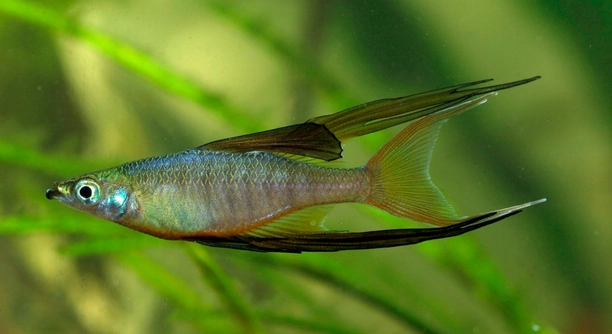
Threadfin Rainbowfish are lively and social fish that enjoy swimming in groups. They prefer open spaces where they can move freely, and their activity level adds a dynamic touch to any aquarium. These fish are generally peaceful and avoid aggressive confrontations, making them suitable for community tanks. Their colorful appearance often stands out, drawing attention in well-lit tanks with plants and decorations.
Despite their peaceful nature, Threadfin Rainbowfish can become stressed if overcrowded or paired with overly aggressive tank mates. They respond well to consistent water conditions and benefit from hiding spots, which provide a sense of security. Observing their behavior over time helps determine if the environment meets their needs. Maintaining stable temperatures and balanced nutrition ensures they remain healthy, active, and vibrant, which in turn supports a calmer tank environment.
Their schooling habits encourage them to stay together, reducing stress and minimizing conflicts. Providing at least six in a group can help create a balanced social structure. They adapt to different tank sizes, but larger spaces allow them to exhibit natural behaviors. Paying attention to their responses with other fish ensures long-term harmony.
Betta Fish Compatibility
Bettas are territorial and can display aggressive behavior toward other males, though females are usually calmer. Proper tank setup is key to reducing stress.
Keeping bettas with Threadfin Rainbowfish requires careful monitoring. Bettas need their own space and hiding spots to avoid confrontation, while Rainbowfish benefit from a peaceful environment. Tank size should be sufficient for both species to swim comfortably, ideally with dense plants or decorations to create visual barriers. Feeding routines should accommodate both diets, ensuring no fish is left hungry or stressed. Observing interactions during feeding times helps prevent dominance issues. Over time, most bettas tolerate non-aggressive Rainbowfish if their territory isn’t threatened, but occasional flare-ups can occur, especially in smaller tanks. Maintaining clean water and stable conditions also reduces irritability and promotes healthier behavior. Choosing compatible individuals, along with patience and attention, is essential to maintaining a harmonious aquarium that keeps both species active and colorful.
Tank Setup Tips
A proper tank setup is essential for both Threadfin Rainbowfish and bettas. Plants, hiding spots, and open swimming areas help reduce stress and encourage natural behaviors. Water quality must remain stable, with regular maintenance to keep both species healthy and active.
Spacing is critical in a shared tank. Threadfin Rainbowfish need room to school, while bettas require territory to feel secure. Adding floating plants or decorations creates visual barriers, preventing constant confrontation. Proper filtration keeps water clean without creating strong currents that may stress the betta. Maintaining a temperature between 75–80°F suits both species. Observing fish behavior after setup helps identify problem areas, allowing adjustments before conflicts escalate. Regular water tests ensure a stable environment and reduce disease risk.
Substrate choice also impacts comfort and behavior. Fine gravel or sand prevents injury to Rainbowfish fins. Soft-leafed plants and driftwood offer resting places for bettas. Avoid overcrowding decorations; balance is key to giving each fish space while creating an engaging environment. Lighting should mimic natural conditions, bright enough for Rainbowfish but with shaded areas for the betta.
Feeding and Nutrition
Threadfin Rainbowfish are omnivores and thrive on a varied diet including flakes, pellets, and live foods. Balanced nutrition keeps them healthy and active.
Bettas primarily eat protein-rich foods such as pellets, frozen or live bloodworms, and brine shrimp. Feeding both species requires timing and portion control to prevent competition. Offering food in multiple areas ensures each fish receives enough nutrition without dominating others. Overfeeding can lead to water quality issues, so monitoring portions is important. Feeding small amounts multiple times a day works best for Rainbowfish, while bettas can be fed once or twice daily. Fresh or frozen foods add variety and enhance colors. Observation during feeding helps identify if any fish is stressed or being bullied. Proper nutrition supports immunity and reduces aggressive tendencies.
Including occasional treats like daphnia or finely chopped vegetables benefits both species. Balanced diets prevent deficiencies that can affect energy levels, coloration, and overall well-being. Rotating food types keeps fish interested and encourages natural foraging behaviors. Avoid feeding foods that float too long, which may cause waste buildup. Ensuring clean water during and after feeding further reduces stress and keeps the tank safe for all inhabitants. This approach helps maintain a healthy, harmonious aquarium.
Monitoring Behavior
Regular observation is crucial when keeping Threadfin Rainbowfish with bettas. Watch for signs of stress, such as hiding, flared fins, or erratic swimming. Immediate adjustments can prevent aggression or injury.
Pay attention to feeding interactions. Ensure no fish is being chased away or left hungry. Balanced access to food helps maintain calm behavior and reduces tension in the tank.
Common Signs of Stress
Threadfin Rainbowfish may show stress through faded colors, loss of appetite, or unusual swimming patterns. Bettas can flare excessively, become lethargic, or hide constantly. Stress can weaken immune systems and make both species more susceptible to disease. Monitoring these indicators allows timely intervention to maintain a healthy tank environment.
Water Quality Essentials
Stable water parameters are key to keeping both species healthy. Regular testing for ammonia, nitrites, and pH helps prevent issues. Maintaining proper filtration and performing routine water changes reduce the risk of illness and keep fish comfortable.
FAQ
Can Threadfin Rainbowfish and bettas live together long-term?
Yes, they can live together long-term if the tank is spacious and well-structured. Bettas need their own territory, while Rainbowfish thrive in groups. Providing hiding spots, plants, and open swimming areas helps both species feel secure. Monitoring behavior during the first few weeks is important to ensure compatibility and reduce stress.
What is the ideal tank size for keeping them together?
A minimum of 30 gallons is recommended for a single betta and a small school of Threadfin Rainbowfish. Larger tanks are better, especially if you plan to keep six or more Rainbowfish. More space allows natural schooling behavior and reduces territorial disputes, keeping the environment calmer.
How many Rainbowfish should I keep together with a betta?
At least six Rainbowfish should be kept together to maintain their schooling behavior. Smaller numbers can increase stress and lead to erratic swimming. Grouping them in larger numbers helps balance interactions with the betta, reducing chances of conflict and making the tank more visually appealing.
Do Rainbowfish ever bother bettas?
Rainbowfish are generally peaceful and avoid confrontation. However, if the tank is overcrowded or lacks hiding spots, they may stress the betta unintentionally. Bettas may flare at active fish, but proper tank setup and monitoring usually prevent serious aggression or injury.
What should I feed both species?
Rainbowfish eat a varied diet of flakes, pellets, and live or frozen foods. Bettas need protein-rich foods such as pellets, bloodworms, and brine shrimp. Feeding small amounts multiple times a day ensures both species get enough nutrition without overcrowding the tank or causing competition.
How can I prevent aggression from the betta?
Aggression can be reduced by providing plants, decorations, and visual barriers. Avoid placing the betta in a small tank with no space to retreat. Monitoring interactions and separating the betta if repeated attacks occur is necessary. Keeping female bettas or more passive individuals often reduces tension.
What water conditions are best for both species?
Maintain a temperature between 75–80°F, pH around 6.5–7.5, and low ammonia and nitrite levels. Regular water changes, good filtration, and consistent testing help prevent stress and illness. Stable water conditions benefit both species and reduce aggressive or erratic behavior.
How do I know if the tank setup is working?
Healthy, active Rainbowfish schooling together and a calm, non-flaring betta are good signs. Observing their feeding behavior and overall coloration also indicates comfort. Adjusting hiding spots, plant density, or swimming space as needed ensures both species remain healthy and stress-free.
Can I keep multiple bettas with Rainbowfish?
Multiple male bettas should not be kept together, as territorial fights can cause serious injury. Female bettas may coexist with Rainbowfish if the tank is spacious and well-planted. Each betta needs adequate space and visual barriers to reduce territorial disputes.
Do they require special lighting or decorations?
Moderate lighting works well. Floating plants provide shaded areas for bettas, while open swimming areas allow Rainbowfish to school freely. Driftwood and soft-leaf plants offer resting spots and enhance tank aesthetics. Avoid overcrowding with decorations, as it may restrict movement and increase stress.
How often should I perform water changes?
Weekly water changes of 20–30% are ideal for maintaining clean water. More frequent changes may be necessary in smaller tanks or heavily stocked setups. Regular maintenance helps prevent disease and keeps both Rainbowfish and bettas active and healthy.
What signs indicate a problem in the tank?
Look for faded colors, lethargy, loss of appetite, flaring, or hiding. These can indicate stress, illness, or poor water conditions. Early intervention, such as adjusting the environment or separating aggressive individuals, can prevent more serious issues and maintain harmony in the tank.
Is it safe to introduce new fish later?
Introducing new fish requires caution. Quarantine newcomers to prevent disease. Gradually acclimate them to the existing tank to reduce stress. New additions may temporarily disturb the social balance, so monitor interactions closely and provide extra hiding spots to maintain peace.
Can Rainbowfish jump out of the tank?
Yes, Rainbowfish are active swimmers and may jump. A secure lid or cover is necessary to prevent accidents. Bettas may also jump occasionally, so full coverage protects both species while keeping the tank environment safe.
Do they need supplemental vitamins or treatments?
Occasional supplementation with high-quality food ensures proper nutrition. Treat only if needed for specific deficiencies or illness. Avoid overmedicating, as Rainbowfish and bettas are sensitive to chemicals. Consistent diet and clean water usually provide everything they require for healthy growth and activity.
How can I encourage natural behavior in both species?
Providing plants, open swimming areas, and occasional live food encourages Rainbowfish to school and bettas to explore. Rotating decorations or adding floating plants periodically keeps the environment engaging. Natural behavior reduces stress and promotes a more harmonious tank for both species.
This FAQ section covers essential points for keeping Threadfin Rainbowfish and bettas together safely. Following these tips ensures a peaceful, active, and visually appealing aquarium while preventing common issues that arise in shared tanks.
Threadfin Rainbowfish and bettas can live together peacefully if the tank is set up properly. Both species have unique needs that must be considered before combining them. Rainbowfish are active schooling fish that enjoy swimming in open spaces, while bettas are more territorial and require hiding spots to feel secure. By providing enough space, plants, and decorations, it is possible to create an environment where both species feel comfortable and can display natural behaviors. Careful planning and observation are essential to prevent stress and aggression, as even a well-intentioned setup can cause problems if the tank is too small or lacks adequate hiding places. Maintaining stable water conditions is another key factor. Both Rainbowfish and bettas thrive in clean water with consistent temperatures and balanced pH. Monitoring ammonia, nitrites, and nitrates regularly helps keep the environment healthy and reduces the chances of disease.
Feeding both species also requires attention and consistency. Rainbowfish need a varied diet that includes flakes, pellets, and occasional live or frozen foods. Bettas need protein-rich foods, such as pellets or bloodworms. Feeding small amounts multiple times a day ensures that all fish get enough nutrition without overcrowding or competing aggressively. Observing mealtimes can help identify any issues, such as a fish being chased away or not eating enough. Providing multiple feeding spots or spreading food around the tank helps reduce competition and ensures all fish remain healthy and active. Additionally, maintaining a predictable feeding schedule creates a sense of stability, which can reduce stress and help both species settle more comfortably in a shared environment.
Regular observation and maintenance are vital for long-term success. Watching fish behavior, checking water parameters, and performing routine water changes keeps the tank balanced and safe. Signs of stress, like faded colors, hiding, or flaring, should be addressed promptly. Adjustments can include adding more plants, rearranging decorations, or temporarily separating aggressive individuals. Over time, most Threadfin Rainbowfish and bettas can coexist without major issues if their environment is well-designed and their needs are met. Taking a careful, patient approach ensures that both species remain healthy, active, and visually striking, making the aquarium a more enjoyable and harmonious space for anyone maintaining it. Regular care and attention allow both Rainbowfish and bettas to thrive together while reducing the risk of conflict.

Hello,
If you enjoy the content that we create, please consider saying a "Thank You!" by leaving a tip.
Every little bit helps us continue crafting quality advice that supports the health, happiness, and well-being of pets around the world, for pets of all shapes, sizes, and species.
We really appreciate the kindness and support that you show us!