
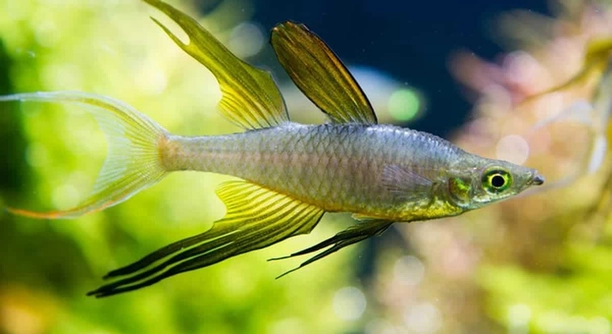
Do your threadfins seem restless or constantly swimming near the tank edges? Observing their behavior closely can help you understand if they feel comfortable and secure in their environment. Small changes often indicate stress or unease.
Threadfins display security through stable swimming patterns, active feeding, and interaction with tank mates. Signs such as calm movement, healthy coloration, and exploration of the tank environment indicate a fish that is confident and stress-free.
Recognizing these behaviors early allows you to create a safer, more comfortable tank for your threadfins and ensures their long-term well-being and natural development.
Observing Swimming Patterns
Threadfins that feel secure in their tank will swim smoothly and confidently throughout the environment. They move in consistent patterns without erratic darting or hiding for long periods. Calm swimming often indicates that they are comfortable with the water conditions, the tank layout, and the presence of other fish. Uncertain or stressed fish may cling to corners, hover near surfaces, or repeatedly bump into decorations, which are clear signs of insecurity. Consistent daily observation allows you to notice subtle changes, such as slight hesitations or shifts in swimming behavior, that could indicate stress or discomfort. Threadfins often explore new tank areas gradually, showing curiosity without panic. Their interaction with tank mates can also provide clues; secure fish swim confidently alongside others, occasionally engaging in synchronized movements. Monitoring these behaviors over time gives a strong indication of their emotional and physical well-being in the tank environment.
Regular swimming patterns demonstrate a healthy, confident fish that is well-adjusted to its habitat and companions.
Observing these behaviors is essential for maintaining a stress-free environment. Threadfins that swim confidently and explore naturally are less likely to develop health issues. Providing stable water parameters, hiding spaces, and sufficient swimming room encourages these secure behaviors. Tank decorations, plants, and open spaces should be arranged to allow both exploration and retreat when needed. Feeding routines also influence swimming patterns; fish that are confident will approach food readily without hesitation. By closely monitoring how your threadfins move, you can adjust tank conditions promptly to support their security. Over time, recognizing these patterns will help you maintain a harmonious aquarium where each fish feels safe, resulting in more active, colorful, and healthy threadfins that thrive in their environment.
Feeding Behavior
Threadfins that feel secure show consistent and enthusiastic feeding behaviors. They approach food without hesitation and often compete calmly with other fish, demonstrating comfort with their surroundings.
Feeding is a direct reflection of security. Secure threadfins eat at predictable times, maintain good appetite, and show no signs of stress, such as hiding or refusing food. Fish that feel unsafe may nibble cautiously or avoid eating altogether, which can impact their health over time. Observing feeding habits daily helps you detect changes in comfort levels early. Insecure threadfins may retreat to hiding spots during feeding or display aggressive competition unexpectedly. Providing a balanced diet and feeding in consistent locations encourages a sense of stability. Over time, secure feeding behaviors indicate that your fish trust their environment and feel safe interacting with both food and tank mates. Proper monitoring and adjustment of feeding routines, combined with attention to water quality and tank layout, ensures that your threadfins remain confident, healthy, and active.
Interaction with Tank Mates
Threadfins that feel secure coexist peacefully with other fish. They do not hide excessively or show constant signs of aggression.
Secure threadfins engage in calm interactions, often swimming near other fish without confrontation. They show curiosity but maintain personal space, signaling confidence. Fish that feel threatened may nip or retreat repeatedly. Observing these social patterns helps determine whether the tank environment supports their comfort. Balanced stocking levels and compatible species minimize stress, encouraging natural, healthy social behaviors. Over time, confident threadfins demonstrate steady routines, reinforcing that their environment is stable and predictable, which is crucial for long-term health.
Providing enough hiding spots and open swimming areas reduces tension between fish. Threadfins that feel secure explore freely while maintaining social harmony, resulting in a calmer tank. By watching how they interact, subtle issues in compatibility or tank setup can be addressed early. Ensuring adequate food distribution and monitoring aggression levels supports their security, allowing each fish to thrive. Confidence in social settings directly reflects overall comfort in the aquarium and contributes to vibrant, healthy fish that display normal behaviors without fear or stress.
Response to Environment
Threadfins adjust quickly to changes in water conditions and tank layout when they feel secure. Their calm behavior reflects comfort.
Secure threadfins show adaptability to their environment. They explore new decorations or plants gradually without panic. Sudden water parameter shifts may cause temporary hesitation, but confident fish return to normal activity quickly. In contrast, stressed or insecure fish react with prolonged hiding, erratic swimming, or refusal to feed. Monitoring their responses provides insight into tank stability. Gradual changes, such as slowly introducing new elements or maintaining consistent water quality, support secure behaviors. Over time, observing how threadfins respond ensures the tank environment meets their needs, promoting healthy, stress-free fish.
Maintaining stable conditions and predictable routines reinforces security in threadfins. Regular water testing, consistent feeding schedules, and thoughtful placement of decorations contribute to their well-being. When fish explore confidently, interact normally, and tolerate minor changes without distress, it indicates a secure environment. Careful observation allows for early intervention if any behavioral shifts occur, ensuring their comfort remains intact. By prioritizing stability, you support both physical health and natural behavior, allowing threadfins to thrive and exhibit the full range of their vibrant, active, and confident behaviors in the tank.
Body Language
Threadfins display security through relaxed body posture. Their fins remain open, and movements are smooth, without sudden jerks or frantic darting.
A confident fish swims evenly, without pressing against tank walls or hiding excessively. Their natural posture reflects comfort and a sense of safety in the environment.
Reaction to Feeding
Secure threadfins approach food quickly and eat without hesitation. They compete calmly with other fish and maintain consistent appetite patterns. Feeding behaviors reveal comfort levels, as confident fish show enthusiasm while avoiding panic or retreat. Monitoring these responses ensures their nutritional needs are met while maintaining a stable tank environment.
Resting Habits
Threadfins that feel safe rest in calm areas of the tank. They do not hide excessively or remain motionless for long periods.
FAQ
How can I tell if my threadfins are stressed?
Threadfins show stress through erratic swimming, hiding for long periods, loss of appetite, or color changes. They may avoid interacting with tank mates and dart quickly when disturbed. Observing these behaviors daily helps identify stress early so you can adjust tank conditions. Consistent water parameters, proper tank size, and appropriate decorations reduce stress.
What are the best hiding spots for threadfins?
Threadfins need places to feel safe. Plants, rocks, and small caves provide security. Hiding spots should be evenly spaced to prevent territorial disputes. Avoid overcrowding, which can increase stress. By offering both open swimming areas and sheltered spots, threadfins can choose where they feel most comfortable.
How often should I monitor their behavior?
Daily observation is ideal. Even short periods allow you to notice changes in swimming patterns, feeding habits, or social interactions. Recording behavior over time helps detect subtle signs of discomfort. Consistency in monitoring ensures that any issues are addressed promptly, maintaining their well-being.
Can tank mates affect threadfins’ sense of security?
Yes, tank mates play a major role. Aggressive or overly active species can cause stress, while calm, compatible fish promote confidence. Introducing new fish gradually and monitoring interactions helps maintain a secure environment. Adjusting stocking density ensures everyone has space to swim freely.
Does water quality influence their comfort?
Absolutely. Threadfins are sensitive to temperature, pH, and ammonia levels. Sudden changes can trigger hiding or erratic swimming. Regular testing and stable conditions promote natural behaviors. Proper filtration and routine maintenance prevent stress-related illnesses, supporting both security and long-term health.
How do I know if they are feeding confidently?
Secure threadfins approach food without hesitation, eat steadily, and rarely compete aggressively with others. Hesitant or scattered feeding patterns indicate insecurity. Feeding in consistent locations and times encourages confident behavior while helping you monitor overall health.
Do changes in tank layout affect them?
Yes, sudden changes can cause temporary stress. Confident threadfins explore new objects gradually. Rearranging plants or decorations should be done slowly. Providing familiar hiding spots during changes helps them adapt without panic, supporting stability and comfort.
Is it normal for them to swim together?
Threadfins often form loose groups when secure. Coordinated swimming demonstrates comfort and social confidence. If fish isolate themselves or show aggression, it may indicate stress or incompatibility. Observing group dynamics helps evaluate overall tank harmony.
How can I encourage secure behavior?
Maintaining stable water parameters, providing hiding spots, and ensuring proper nutrition are key. Consistent feeding schedules and compatible tank mates reinforce comfort. Observing behavior regularly allows you to respond to signs of insecurity quickly, keeping the fish active, healthy, and stress-free.
What signs show they are adapting well?
Threadfins that feel safe explore their environment, interact with other fish calmly, and maintain regular feeding and resting routines. Smooth swimming, bright coloration, and relaxed body posture are all indicators of security. Continuous observation ensures these positive behaviors remain consistent.
Are there any health risks associated with insecurity?
Yes, prolonged stress can lead to weakened immune systems, reduced appetite, and higher susceptibility to disease. Insecure threadfins may injure themselves while hiding or darting. Maintaining proper tank conditions, compatible tank mates, and predictable routines reduces these risks and promotes long-term health.
How important is routine for threadfins?
Routine is essential. Predictable feeding times, consistent water maintenance, and a stable environment reduce stress. Fish thrive when their habitat is reliable, allowing natural behaviors to flourish. Deviations from routine should be gradual to maintain confidence and security in the tank.
Can I use observation tools to monitor behavior?
Yes, using notes, videos, or apps helps track swimming patterns, feeding habits, and interactions. Detailed records allow you to spot gradual changes that indicate insecurity. Regular documentation supports proactive care and ensures threadfins remain confident and healthy.
What should I do if a fish seems insecure?
Identify potential stress factors like aggressive tank mates, poor water quality, or lack of hiding spots. Adjust the environment gradually, provide reassurance through stable routines, and monitor changes. In some cases, separating the fish temporarily may help restore confidence. Prompt action prevents long-term health issues.
How long does it take for threadfins to feel secure in a new tank?
Adjustment time varies but usually ranges from a few days to several weeks. Providing stable water conditions, hiding spots, and compatible companions accelerates acclimation. Monitoring behaviors such as regular feeding, calm swimming, and social interaction confirms that the fish are becoming comfortable.
Can observation alone ensure they are secure?
Observation is critical but should be paired with environmental management. Even confident behaviors can hide subtle stress if water quality, nutrition, or tank layout is poor. Combining careful observation with proper care ensures threadfins maintain security, health, and normal behaviors consistently.
Do threadfins show signs of stress at night?
Yes, they may hide excessively or remain unusually still. Providing calm resting areas and avoiding sudden disturbances at night supports secure behavior. Observing nighttime patterns occasionally helps ensure that they remain comfortable even when lights are off.
How does social hierarchy affect security?
Threadfins establish subtle hierarchies that influence access to food and space. Secure fish navigate these structures confidently, without aggression or fear. Insecure fish may hide or avoid certain areas. Understanding these dynamics allows you to arrange the tank to minimize conflict and promote comfort.
Are there visual cues of a confident threadfin?
Yes, bright coloration, smooth swimming, relaxed fins, and active exploration indicate security. Conversely, dull colors, clamped fins, or erratic movement suggest discomfort. Visual monitoring is an effective tool for evaluating their well-being and maintaining a healthy, confident tank environment.
How often should I check water parameters?
Regularly, at least once a week, or more often if issues arise. Stable water conditions prevent stress-related behaviors. Testing temperature, pH, ammonia, nitrite, and nitrate levels ensures threadfins remain secure and healthy, supporting normal feeding, swimming, and social patterns.
Can breeding behavior indicate security?
Yes, confident threadfins display natural breeding behaviors when comfortable. Courtship, nest-building, or territorial displays occur without panic or aggression. Insecure fish may avoid mating entirely. Observing these behaviors helps assess comfort levels and overall environmental suitability for their health and growth.
What adjustments can improve their sense of security?
Adjustments include stable water quality, balanced nutrition, proper hiding spots, compatible tank mates, and predictable routines. Gradual changes in layout or additions minimize stress. Consistent monitoring ensures these measures reinforce natural behaviors, helping threadfins thrive in a confident, safe tank environment.
How do I differentiate between temporary stress and chronic insecurity?
Temporary stress shows short-term hiding or hesitation after changes, with a quick return to normal behavior. Chronic insecurity persists over weeks, including prolonged hiding, poor feeding, or erratic swimming. Early intervention is essential to prevent health issues and restore confidence in the tank.
Is lighting important for threadfin security?
Yes, proper lighting supports natural activity cycles. Bright lights may stress fish if sudden, while dim areas offer comfort. Gradual light adjustments and consistent day-night cycles promote calm, confident behaviors, supporting overall health and normal routines.
How can I make sure they feel secure during maintenance?
Perform water changes slowly, avoid sudden movements, and temporarily provide hiding spots. Minimizing disturbances helps threadfins stay calm and maintain confidence, reducing stress during routine tank care.
Do all threadfins respond the same way to stressors?
No, individual temperament affects reactions. Some are naturally bolder, while others are more timid. Understanding each fish’s behavior allows for tailored adjustments in tank setup, feeding, and social interactions, ensuring all threadfins feel secure and supported.
Can enrichment affect their security?
Yes, providing objects to explore, varied textures, or gentle currents encourages natural behaviors. Secure threadfins interact with enrichment confidently. Overcrowding or complex setups may increase stress, so balance is key to promoting comfort and healthy activity levels.
How do I know if environmental changes are beneficial?
Positive changes result in increased exploration, confident feeding, relaxed swimming, and normal social interactions. Negative responses include hiding, erratic movements, or aggression. Monitoring these outcomes guides further adjustments, ensuring threadfins remain secure and healthy.
What is the most reliable indicator of a secure threadfin?
Consistent calm swimming, regular feeding, healthy social interactions, bright coloration, and relaxed posture are reliable signs. When all these behaviors are present, it demonstrates that the fish feel safe, confident, and well-adjusted to their environment.
How do seasonal changes affect security?
Seasonal temperature fluctuations, light variations, or changes in water chemistry can impact comfort. Gradual adjustments and monitoring behaviors ensure threadfins remain confident despite external changes, preventing stress and maintaining normal activity and feeding patterns.
What role does tank size play in their sense of security?
Adequate swimming space allows threadfins to explore freely, reducing territorial disputes and stress. Overcrowded tanks limit movement and increase hiding or aggression. Choosing the right tank size supports natural behaviors and helps fish feel confident and secure.
Can I use companions to encourage security?
Compatible, calm tank mates promote confidence. Introducing new fish slowly and observing interactions ensures harmony. Avoid aggressive species that may intimidate threadfins, as secure social settings are critical for their comfort and overall well-being.
How long should I observe new behaviors before acting?
Observe for several days to identify patterns. Temporary changes may normalize quickly, while persistent unusual behaviors indicate insecurity or environmental issues. Promptly addressing concerns supports fish health and security, ensuring confident, stable behavior in the tank.
Is temperature stability critical for security?
Yes, sudden fluctuations can trigger hiding, erratic swimming, or reduced appetite. Maintaining a consistent temperature range suited to threadfins promotes confidence, normal feeding, and smooth swimming patterns, supporting overall well-being.
How do I prevent bullying among tank mates?
Monitor interactions, provide multiple hiding spots, and ensure even food distribution. Adjusting tank population and layout prevents dominant fish from intimidating others. Secure environments reduce stress, allowing threadfins to swim, feed, and rest confidently without fear.
Are there signs of recovery after stress?
Yes, gradual return to normal swimming, feeding, and social behavior indicates recovery. Brightening colors, relaxed fins, and exploration of new areas demonstrate regained confidence. Continuous monitoring ensures the environment remains supportive to prevent relapse.
How important is observation of multiple behaviors together?
Monitoring swimming, feeding, resting, and social interactions together provides a complete picture. Isolated behaviors may be misleading. Evaluating patterns collectively ensures accurate assessment of threadfins’ security, guiding proper tank management and care.
Can enrichment replace hiding spots?
No, enrichment stimulates activity but does not provide refuge. Hiding spots remain essential for comfort and security. A combination of both supports confident, healthy fish that explore, feed, and interact naturally without stress.
How does water movement affect confidence?
Moderate currents simulate natural conditions and encourage exploration. Excessive flow may stress timid fish, while stagnant water can limit activity. Balancing water movement supports secure swimming patterns and promotes overall well-being.
Should I separate fish showing insecurity?
Temporary separation may help restore confidence if aggression or chronic stress is present. Provide safe spaces and monitor interactions carefully. Once behaviors normalize, gradual reintegration ensures a secure, harmonious tank environment.
How do I know if their environment is fully supportive?
Confident swimming, normal feeding, calm social interactions, and relaxed resting patterns indicate an optimal environment. Continuous observation and adjustments ensure threadfins remain healthy, secure, and active, reflecting a well-maintained and comfortable tank.
What is the role of routine observation in long-term security?
Routine observation allows early detection of stress, behavioral changes, or environmental issues. Consistent monitoring helps maintain optimal conditions, promotes confidence, and ensures threadfins exhibit natural, healthy behaviors over time, supporting long-term well-being in the tank.
How do I encourage shy threadfins to explore?
Gradual introduction to open areas, gentle feeding, and consistent routines build confidence. Avoid sudden movements or overcrowding. Over time, shy fish learn to navigate the tank comfortably, interacting with companions and exploring their environment without fear.
Can water chemistry imbalances cause long-term insecurity?
Yes, prolonged exposure to poor pH, ammonia, or nitrite levels can cause chronic stress. Regular testing and corrective measures restore confidence, allowing threadfins to swim, feed, and interact naturally, preventing health issues associated with long-term insecurity.
What behavioral changes indicate improved security?
Increased exploration, confident feeding, calm social interactions, smooth swimming, and bright coloration all indicate improved comfort. Monitoring these behaviors over time confirms the effectiveness of environmental adjustments, feeding routines, and social arrangements in supporting secure, healthy threadfins.
How do I balance social and territorial needs?
Provide sufficient space, multiple hiding spots, and compatible tank mates. Observe interactions to prevent aggression or dominance issues. Balanced social and territorial arrangements allow threadfins to coexist confidently, explore freely, and maintain healthy routines without stress.
Is it normal for confident threadfins to retreat occasionally?
Yes, even secure fish use hiding spots for rest or temporary safety. Occasional retreats are natural and do not indicate stress if overall behavior remains confident, feeding is regular, and swimming patterns are smooth.
Can adding plants improve security?
Yes, plants offer both shelter and exploration opportunities. They reduce stress, create visual barriers, and allow fish to navigate comfortably. Proper placement enhances confidence, providing areas to hide or rest while maintaining open swimming space for natural behaviors.
How important is gradual change for maintaining security?
Gradual changes in layout, feeding, or water parameters prevent panic and prolonged hiding. Sudden shifts can trigger stress responses. Careful adjustments maintain confidence, allowing threadfins to adapt smoothly while preserving natural behaviors and overall health.
What is the best way to track progress?
Documenting swimming patterns, feeding habits, social interactions, and body condition helps identify trends. Photos, notes, or video recordings allow comparison over time, ensuring that threadfins remain secure and that any interventions are effective in supporting long-term well-being.
Can confident threadfins help insecure fish?
Yes, calm and active fish often encourage timid companions to explore and feed. Observing group dynamics can help guide interventions and provide reassurance to less confident fish, promoting overall tank harmony and reducing stress.
How do I maintain security during tank upgrades?
Introduce changes slowly, maintain hiding spots, and avoid overcrowding. Monitor behaviors closely and provide reassurance through consistent feeding and stable water conditions. Gradual upgrades ensure threadfins remain confident and adapt without stress.
Are there seasonal behaviors I should expect?
Some seasonal variations in activity or coloration may occur, but confident fish maintain regular feeding and social patterns. Observing these trends helps distinguish normal seasonal changes from stress-induced behaviors.
How do I address aggression among tank mates?
Separate aggressive individuals temporarily, provide additional hiding spots, and monitor interactions. Adjust stocking density or species composition if needed. Reducing aggression allows threadfins to swim and feed confidently without fear.
Is tank enrichment more effective for confident or insecure fish?
Confident fish engage more readily, but enrichment also benefits insecure fish by encouraging exploration and reducing boredom. Gradual introduction of enrichment supports adaptation and helps shy fish build confidence over time.
How do I know when a fish is fully adapted?
Regular feeding, calm swimming, active exploration, social harmony, and relaxed resting behaviors indicate full adaptation. Observation over several weeks confirms the fish has acclimated and feels secure in its environment.
Can poor nutrition affect security?
Yes, inadequate diet weakens immune response and increases stress. Proper feeding supports energy, growth, and confidence. Secure fish approach food willingly, whereas poorly fed or insecure fish may hesitate or avoid eating, signaling a need for dietary adjustments.
How do I encourage natural behaviors?
Stable environment, proper hiding spots, compatible companions, enrichment, and consistent routines encourage natural swimming, feeding, and social behaviors. Observing responses ensures adjustments support security and well-being without introducing unnecessary stress.
Are there signs of chronic stress I might miss?
Yes, subtle signs include slight color fading, minor appetite changes, or irregular swimming patterns. Continuous observation and documentation help detect these early, allowing intervention before long-term health is affected.
How important is space for maintaining confidence?
Ample swimming room prevents territorial disputes and stress. Overcrowding reduces exploration, increases hiding, and triggers aggression. Providing enough space allows threadfins to swim freely, interact naturally, and maintain secure, confident behaviors.
Can water temperature fluctuations alone cause insecurity?
Yes, sudden shifts trigger hiding, erratic swimming, or reduced feeding. Maintaining stable, appropriate temperatures promotes calm, confident behaviors and supports normal feeding, social, and resting patterns.
Do visual barriers improve security?
Yes, rocks, plants, or decorations create safe zones. Fish can retreat or hide without complete isolation, reducing stress. Proper placement balances open swimming areas and sheltered spaces to support natural behaviors.
How do I know if an intervention worked?
Improved swimming patterns, feeding behavior, social interactions, and overall activity indicate successful intervention. Continued observation ensures changes are effective and that threadfins remain confident, healthy, and secure in their environment.
Can nighttime behavior indicate insecurity?
Yes, excessive hiding or abnormal inactivity at night can signal stress. Providing calm resting areas and minimizing disturbances supports secure behavior, ensuring threadfins feel safe even during dark periods.
How do I encourage shy fish without stressing them?
Gradual exposure to open areas, gentle feeding, and predictable routines help shy fish explore. Avoid sudden changes or overcrowding. Over time, they gain confidence and engage in natural behaviors alongside other tank mates.
What are the long-term benefits of secure behavior?
Confident threadfins have improved health, better feeding habits, stronger immune systems, and natural social interactions. Maintaining security promotes longevity, reduces disease risk, and ensures a vibrant, active, and stress-free aquarium environment.
Can secure behaviors be learned from other fish?
Yes, observing calm, confident fish can influence timid individuals. Positive modeling encourages exploration, normal feeding, and social interaction, gradually increasing the overall sense of security in the tank.
How do I maintain security when adding new fish?
Introduce new fish slowly, provide hiding spots, and monitor interactions. Gradual acclimation reduces stress for both newcomers and established fish, ensuring a confident, harmonious tank environment.
Are there any subtle signs of insecurity I might miss?
Minor hesitation in swimming, brief retreats from food, or slight fin clamping are early indicators. Continuous observation and recording help detect these subtle behaviors before they escalate into chronic stress.
How do I ensure all fish feel secure simultaneously?
Balance tank size, stocking density, hiding spots, compatible species, and feeding distribution. Monitor behavior closely and make adjustments as needed. A well-planned environment promotes confidence for every fish, maintaining harmony and natural behaviors
Threadfins are delicate fish that rely heavily on their environment to feel secure. Observing their behaviors closely provides a clear understanding of their comfort level. Swimming patterns, feeding habits, and social interactions are all strong indicators of how confident they feel in the tank. When threadfins move smoothly, explore their surroundings, and eat regularly, it shows that they are well-adjusted to their environment. Calm interactions with other fish further demonstrate that they feel safe and comfortable. Consistent monitoring allows for early detection of stress or insecurity, which can help prevent long-term health issues and maintain a harmonious tank atmosphere. Security is not just about avoiding stress; it is about promoting natural, healthy behaviors that reflect their overall well-being.
Providing a stable and predictable environment is essential for threadfins to thrive. Water quality, temperature, and pH levels must be maintained within suitable ranges to prevent stress. Equally important is the arrangement of the tank, including hiding spots, open swimming areas, and decorations that encourage exploration without causing territorial disputes. Feeding routines play a critical role as well. Fish that approach food confidently and maintain steady eating habits are more likely to feel secure. Changes to the tank, whether adding new fish, decorations, or adjusting water conditions, should be introduced gradually to avoid triggering insecurity. Over time, these measures build trust in the environment and encourage healthy, confident behaviors that benefit both the fish and the overall aquarium ecosystem.
Security in threadfins also depends on careful observation and attention to detail. Noticing subtle shifts in body language, social interaction, or resting habits can help identify potential problems before they escalate. Confident threadfins display relaxed fins, bright coloration, and calm, steady movements, while insecure fish may hide, dart erratically, or show hesitation during feeding. Encouraging secure behaviors requires a balance of stable conditions, thoughtful tank management, and compatible companions. By maintaining this balance, threadfins can flourish, showing natural, healthy behaviors that indicate comfort and confidence. Consistent care and observation ensure that each fish remains safe, stress-free, and active, contributing to a thriving and well-maintained aquarium environment.

Hello,
If you enjoy the content that we create, please consider saying a "Thank You!" by leaving a tip.
Every little bit helps us continue crafting quality advice that supports the health, happiness, and well-being of pets around the world, for pets of all shapes, sizes, and species.
We really appreciate the kindness and support that you show us!