
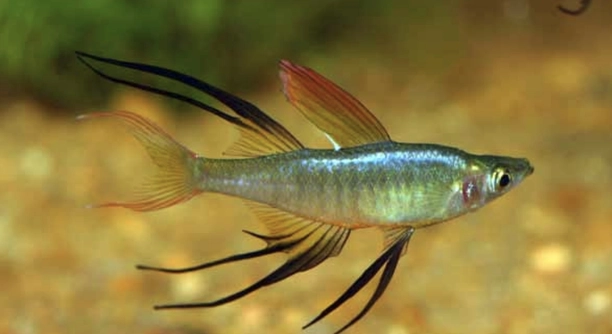
Have you ever noticed your threadfin rainbowfish acting a bit differently and wondered if they might be forming a pair? These delicate, colorful fish often show subtle signs when they begin choosing a mate. Recognizing these signs can help you better care for them.
Threadfin rainbowfish begin pairing up when a male and female start swimming closely together, mirroring each other’s movements, and staying separated from other fish. Males often display brighter colors and spread their fins more frequently to impress their chosen partner.
Understanding these gentle changes can help you create a peaceful environment and support their natural bonding process in your aquarium.
Subtle Behaviors That Show Pairing
When threadfin rainbowfish begin pairing, their behavior changes in noticeable yet gentle ways. You might see a male following a female closely, often circling her in a graceful motion. His colors become richer, especially around the fins and tail, as he tries to attract her attention. They will spend more time together near plants or calm areas of the tank, away from other fish. The female may respond by swimming slowly beside him, showing acceptance. These small behaviors are signs that the two are forming a bond. Observing them without disturbing their space helps the pair feel safe and ready to breed naturally.
Paired fish also develop a sense of familiarity with each other. They swim in unison, explore the same spots, and even rest near one another. These actions are gentle but consistent signals that they are becoming a bonded pair.
Creating a calm, stable environment supports these early pairing stages. Keep the lighting soft and maintain clean, slightly warm water with good filtration. Adding fine-leaved plants such as java moss gives them places to interact and display comfortably. Avoid overcrowding, as it can stress the fish and interrupt natural behaviors. When they feel secure, their pairing behavior becomes more obvious, and soon you may see courtship displays that mark the beginning of breeding.
Signs of Successful Pairing
Once the pair has bonded, their behavior becomes more synchronized and confident. They stay together throughout the day and rarely separate, even when feeding.
As the bond strengthens, the male often shows his fins in full display, fluttering them in front of the female in short bursts. This movement is a sign of readiness to spawn. The female may look fuller around her belly as she prepares to lay eggs. You might see the pair visiting the same plant areas repeatedly, which is where she will eventually scatter her eggs. Keeping water conditions stable and offering live foods such as daphnia or brine shrimp encourages healthy spawning. Observing these moments is rewarding, as it shows your care and patience have helped your threadfin rainbowfish thrive and form a lasting pair.
Creating the Right Tank Conditions
Threadfin rainbowfish thrive in stable, clean water with soft to moderately hard conditions. A temperature between 75°F and 82°F helps maintain their comfort and natural rhythm. Balanced lighting and gentle filtration keep them active and stress-free, encouraging natural pairing behaviors.
A planted tank with fine-leaved plants such as cabomba or java moss provides shelter and security. These plants also serve as spawning sites once the pair bonds. Ensure good water flow without strong currents, as these fish prefer calm areas for interaction. Performing small, regular water changes helps maintain clarity and quality. Consistent care builds trust in their environment, allowing them to behave naturally and confidently. Avoid sudden changes in water temperature or lighting, as this can disrupt their pairing process. Observing their comfort in a stable tank is a good sign that conditions are just right for bonding.
Keeping the tank peaceful is also important. Avoid pairing them with aggressive or fast-moving fish, as this may cause stress and interrupt their connection. A group of threadfin rainbowfish with a balanced male-to-female ratio creates a calm, natural setting where pairs can form easily. Gentle aeration and minimal noise help keep them relaxed. Over time, you’ll notice that healthy, stress-free fish bond more easily and display their full beauty.
Encouraging Healthy Spawning Behavior
Proper feeding plays a key role in successful spawning. Offer a mix of high-quality flakes, frozen foods, and live treats like daphnia or mosquito larvae. This varied diet helps strengthen the pair and prepare them for breeding.
A well-fed pair shows stronger colors and more frequent interactions. The male becomes more active, showing off his fins, while the female’s abdomen appears slightly rounder as eggs develop. When spawning begins, the pair will move together through fine plants, with the female scattering eggs and the male following closely to fertilize them. Keeping the tank calm during this time prevents disturbance and helps ensure success. Remove the eggs afterward to a separate tank to protect them from being eaten. With the right care, those tiny eggs will soon develop into new, healthy fry that reflect your patience and attention.
Watching for Changes After Pairing
After pairing, the two fish often stay close together, swimming side by side and exploring the same areas. They become less interested in other fish and more focused on each other, showing clear signs of mutual comfort and connection.
Their colors stay bright and vivid, especially in males who continue to display their fins proudly. Feeding behavior may also change, as paired fish tend to eat calmly near each other rather than competing. These quiet signs confirm that their bond has become steady and natural.
Caring for Eggs and Fry
Once the eggs are laid, they usually stick to plants or spawning mops. Remove them carefully to a separate tank with clean, slightly warm water. Use gentle aeration to keep the eggs oxygenated and prevent fungus from forming.
In a few days, the eggs hatch into tiny fry that need microscopic food like infusoria or liquid fry food. Gradually introduce baby brine shrimp as they grow stronger. Keep the water clean and avoid strong filtration that could harm them. With steady care and patience, the fry will grow into healthy, colorful threadfin rainbowfish ready to thrive in their own space.
Common Mistakes to Avoid
Overcrowding and poor water quality are the main issues that disturb pairing and breeding. Always keep conditions stable, avoid loud disturbances, and maintain gentle care to help your threadfin rainbowfish bond and breed successfully.
FAQ
How can I tell if my threadfin rainbowfish are forming a pair?
You can usually tell when a pair is forming by their swimming patterns and behavior. The male will begin to follow a specific female, swimming beside her and showing off his fins with more color and energy. The two fish will spend more time together, often separating themselves slightly from the group. They will move in unison, showing comfort and familiarity. This quiet closeness is one of the clearest signs that they are pairing up.
Do I need to separate a pair once they start bonding?
It’s not always necessary to separate them right away. Threadfin rainbowfish are peaceful and can stay in a small group even when paired. However, if you plan to breed them, a separate breeding tank helps protect their eggs from being eaten. A gentle environment with fine plants or spawning mops will make them feel secure and encourage successful spawning.
What is the best water temperature for breeding threadfin rainbowfish?
The ideal temperature for breeding is between 78°F and 82°F. This range encourages natural behavior and healthy egg development. Keeping the temperature consistent is key because sudden drops can interrupt pairing or delay spawning. Warm, stable water helps maintain the right conditions for both courtship and hatching.
How often do threadfin rainbowfish breed once paired?
Once a pair has bonded, they can spawn frequently under the right conditions. They may lay eggs several times a week, scattering small batches among plants. Consistent water quality and good nutrition play an important role in keeping them active and ready to breed regularly.
What should I feed them before breeding?
Before breeding, it’s best to offer a mix of high-quality flakes, frozen foods, and live options like daphnia, brine shrimp, or mosquito larvae. These foods help improve color, strengthen the fish, and increase the female’s egg production. A protein-rich diet supports better spawning results and healthier fry.
How can I protect the eggs after spawning?
Once eggs are scattered, they should be moved to a separate tank. Threadfin rainbowfish do not guard their eggs and may eat them if left together. Use a soft net or move the plants with eggs attached. Keep the water clean, warm, and gently aerated to prevent fungus.
How long does it take for the eggs to hatch?
Under the right temperature and water quality, eggs usually hatch within three to five days. The fry are very small and delicate at first, so avoid strong water flow. Keep lighting dim and feed them with infusoria or liquid fry food until they grow large enough for baby brine shrimp.
Why are my fish not pairing or breeding?
A lack of pairing can happen if the environment isn’t ideal. Poor water quality, stress, or overcrowding often interfere. Make sure the tank has calm areas, proper lighting, and soft plants for comfort. Balanced male-to-female ratios and high-quality food can also encourage natural bonding.
Can threadfin rainbowfish breed in a community tank?
Yes, but success rates are lower. While they may pair and spawn in a community setup, other fish often eat the eggs or disturb the pair. If you want to raise fry successfully, a separate breeding tank gives the best chance for survival and growth.
Do threadfin rainbowfish stay paired for life?
They do not form lifelong pairs. Once spawning ends, pairs may separate and sometimes bond with new partners later. Their connections are more social than permanent, based on readiness to breed rather than long-term attachment. However, during their pairing phase, they do show strong loyalty and cooperation.
How can I tell if the eggs are fertile?
Fertile eggs usually appear clear or slightly amber in color, while unfertilized ones turn white or cloudy. After a few days, you may notice tiny dark dots forming inside—these are the developing fry. Remove unfertilized eggs to prevent fungus from spreading to healthy ones.
What kind of lighting is best for pairing and spawning?
Soft, natural lighting is ideal. Threadfin rainbowfish prefer gentle brightness that mimics daylight without harsh glare. Bright or changing lights can stress them and interrupt natural behavior. Using a timer to maintain consistent light cycles helps them stay calm and encourages stable breeding patterns.
Should I use a spawning mop or live plants for breeding?
Either option works well. Live plants like java moss create a natural space for eggs, while spawning mops are easier to clean and move. Many breeders use both, giving the fish a comfortable choice while making it easier to collect eggs safely after spawning.
What should I expect when raising fry?
Fry are very small and sensitive at first, needing microscopic food and stable water. Feed tiny portions several times a day and keep the tank clean with gentle filtration. As they grow, slowly introduce larger foods. Patience and consistency are key to raising strong, colorful young fish.
Final Thoughts
Caring for threadfin rainbowfish and observing their pairing process can be a rewarding experience. These fish are peaceful and graceful, making them enjoyable to watch as they interact with one another. Understanding their behavior, especially during pairing, helps you provide the right conditions for their comfort and well-being. When males begin to display brighter colors and swim closely beside a female, it’s often the first sign of bonding. Over time, this behavior becomes more consistent, showing that the pair feels safe and secure. By maintaining clean water, proper lighting, and a balanced diet, you create an environment that supports these natural connections. Even small adjustments, like reducing strong currents or adding fine plants, can make a noticeable difference in how relaxed and active your fish become.
Successful pairing and breeding depend largely on patience and observation. Threadfin rainbowfish are gentle creatures that thrive in calm, well-kept tanks. They respond best to stability—consistent water temperature, minimal stress, and regular feeding routines. Watching a bonded pair move together in harmony is a sign that your care has paid off. It’s important not to rush the process, as some pairs take longer to form. Avoid disturbing them during their early bonding stages, and let them adjust naturally. Once they are ready to spawn, providing a safe space with fine plants or spawning mops ensures that the eggs are well-protected. Moving the eggs to a separate tank can help increase the chances of survival, giving you the opportunity to raise healthy fry that carry the same bright beauty as their parents.
What makes keeping threadfin rainbowfish special is how subtle their behavior can be. They communicate through gentle movements and color changes rather than loud displays. Paying attention to these details allows you to understand their needs better. As they pair, breed, and raise young, they offer a glimpse into the quiet rhythm of aquatic life. Whether you’re a beginner or experienced aquarist, observing this natural process teaches patience and appreciation for small moments in fishkeeping. Each phase—from courtship to fry—reveals a new side of their delicate nature. By maintaining consistency and care, you help them thrive and display their best colors. Watching a bonded pair gracefully glide through the water reminds you that even the smallest creatures have intricate ways of connecting, showing that with the right attention and environment, life in your aquarium can flourish beautifully.

Hello,
If you enjoy the content that we create, please consider saying a "Thank You!" by leaving a tip.
Every little bit helps us continue crafting quality advice that supports the health, happiness, and well-being of pets around the world, for pets of all shapes, sizes, and species.
We really appreciate the kindness and support that you show us!