
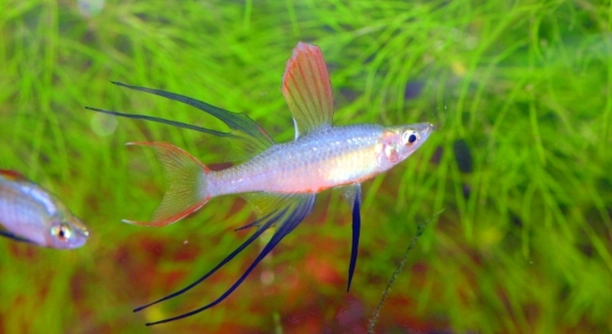
Are your threadfins showing signs of restlessness in their tank? Observing their behavior can reveal subtle hints about their environment. Understanding these patterns helps maintain a healthy and balanced aquatic habitat for your fish.
Threadfins exhibit overcrowding through increased aggression, erratic swimming, and frequent hiding. High population density leads to stress, reduced growth, and weakened immunity. Monitoring these behavioral and physical indicators is essential for maintaining proper welfare and environmental conditions.
Knowing how to spot these signs early can prevent serious health issues. Paying attention to behavior ensures your threadfins thrive comfortably in their space.
Increased Aggression
When threadfins are feeling overcrowded, aggression becomes noticeable. Fish may chase each other more often, nip fins, or compete aggressively for food. Even mild territorial behaviors can escalate quickly when space is limited. Stress from crowding increases their irritability, which can lead to injuries or long-term health problems. Observing these changes early is important for preventing serious harm. Maintaining a balanced population helps reduce fights and promotes calmer interactions. Adjusting tank size or reducing numbers can immediately improve behavior. Fish that previously swam calmly may start darting around or bumping into tank decorations. Feeding routines may also highlight aggression, as dominant fish claim more food. Recognizing these patterns allows you to intervene before stress causes disease. Watching daily interactions carefully is key. Ensuring that hiding spots and visual breaks exist can also reduce aggression. Regular monitoring is necessary to maintain a peaceful environment and safeguard your threadfins’ wellbeing.
Aggressive behavior often appears after minor overcrowding. Small changes in population density can trigger noticeable tension among fish.
Providing more space and additional hiding spots can help calm aggressive interactions. Consistent observation ensures a healthier, balanced tank for all inhabitants.
Erratic Swimming
Erratic swimming is another clear sign of overcrowding. Fish may swim in circles, dash back and forth, or bump into tank walls more frequently. These movements are often stress responses to high density conditions. Overcrowded fish struggle to find comfortable space and may compete for territory or food. Stress affects their nervous system, making movements unpredictable. Watching patterns closely helps identify which fish are most affected. Over time, this behavior can indicate worsening environmental conditions, prompting timely adjustments. Correcting overcrowding often reduces erratic swimming, restores calm, and supports overall health.
Erratic movements can indicate both stress and poor water quality.
High-density tanks increase stress, limiting swimming space and access to food. This behavior can lead to weakened immunity and slow growth. Fish may become more prone to disease due to constant tension and lack of resting areas. Monitoring swimming patterns alongside water parameters helps identify issues quickly. Adding plants, rocks, or other barriers can create microhabitats, giving fish room to escape and rest. Even slight reductions in population can restore normal swimming and reduce stress-induced injuries. Balancing the number of fish with tank size ensures that threadfins remain active yet calm, preventing aggressive encounters and health decline. Proper tank maintenance, feeding schedules, and observation routines are all critical for keeping fish comfortable. Consistent care ensures their natural behaviors return, and the aquatic environment remains stable for long-term wellbeing.
Frequent Hiding
Threadfins start hiding more often when they feel overcrowded. They may stay behind decorations, plants, or tank corners, avoiding other fish. This behavior shows stress and an attempt to escape competition or aggressive interactions.
Hiding is a natural response to high-density environments. Fish that previously swam openly may now retreat frequently. Limited space forces them to compete for territory, and some individuals feel unsafe. Over time, constant hiding can affect feeding patterns, growth, and overall health. Ensuring there are enough shelters and reducing population density can help restore confidence and normal activity. Observation is important to identify which fish are struggling and to take corrective measures before stress causes lasting harm.
Providing additional visual barriers and rearranging tank décor can help fish feel secure. Even minor changes in tank layout can encourage them to explore again and reduce stress-related hiding.
Reduced Feeding
Overcrowded threadfins often eat less due to stress or competition. Dominant fish may take most of the food, leaving others hungry.
Reduced feeding is a direct response to environmental pressure. Stress hormones can suppress appetite, and less confident fish may avoid food altogether. Over time, poor nutrition weakens the immune system, slows growth, and makes fish more prone to disease. Monitoring feeding behavior can reveal which individuals are struggling. Adjusting tank population, providing multiple feeding spots, and feeding smaller amounts more frequently can ensure all fish access food. Maintaining water quality alongside feeding practices also helps improve appetite and overall health. Careful observation during feeding times is essential for identifying overcrowding effects and preventing long-term health problems.
Visible Stress Marks
Threadfins may develop visible stress marks when overcrowded. These can appear as faded colors, darkened patches, or streaks along their body. Changes in appearance often indicate chronic stress or poor health.
Stress marks signal that fish are struggling with their environment. Overcrowding increases tension, leading to weakened immunity and higher susceptibility to illness.
Restlessness
Overcrowded threadfins often exhibit constant restlessness. They swim continuously without settling, moving from one area to another in an attempt to find space. Limited room makes it difficult for them to rest, which further contributes to stress and fatigue.
Reduced Growth
High population density can slow the growth of threadfins. Stress and competition for food reduce nutrient intake, affecting development and overall size.
How can I tell if my threadfins are overcrowded?
Signs of overcrowding are usually behavioral and physical. Watch for aggression, frequent hiding, erratic swimming, or restlessness. Fish may eat less or show visible stress marks. Slowed growth can also indicate high population density. Monitoring daily interactions helps detect issues before they become severe.
What immediate steps should I take if I notice overcrowding?
First, consider reducing the number of fish in the tank. Rearranging decorations and adding visual barriers can create microhabitats, giving fish space to retreat. Ensure feeding is distributed evenly and provide multiple feeding spots to reduce competition. Adjusting water parameters may also help relieve stress.
Can overcrowding affect the health of my threadfins?
Yes, overcrowding can weaken immunity, making fish more susceptible to disease. Stress reduces their ability to fight infections, slows growth, and can cause long-term health issues. Constant aggression or competition may also result in injuries or fin damage. Prompt action is necessary to prevent chronic problems.
How much space do threadfins need?
Threadfins require enough swimming room to move freely without constant competition. While tank size depends on the number and size of fish, a general guideline is to provide at least several gallons per adult fish. Overcrowding reduces water quality and increases stress, so monitoring population density is essential.
What role does tank layout play in preventing overcrowding stress?
Tank layout significantly affects how fish cope with crowding. Adding plants, rocks, or artificial shelters allows fish to establish territories and hide when needed. Visual breaks reduce constant interaction, which can calm aggressive or stressed individuals. Even minor rearrangements can restore balance in a crowded tank.
Does feeding frequency impact stress in overcrowded tanks?
Yes, feeding frequency and distribution are critical. Overcrowded fish often compete aggressively for food, leaving weaker individuals undernourished. Feeding smaller amounts multiple times a day and providing several feeding areas ensures all fish access food, reducing competition and supporting overall health.
Can overcrowding cause permanent behavioral changes?
Prolonged overcrowding may lead to lasting behavioral changes, including chronic aggression, fearfulness, or persistent hiding. Early intervention prevents long-term stress and helps fish regain normal patterns. Observing interactions and adjusting population density are key to maintaining a balanced environment.
How do water quality issues relate to overcrowding?
High fish density increases waste, which can deteriorate water quality quickly. Poor water conditions add stress, weaken immunity, and trigger abnormal behaviors. Regular water testing, proper filtration, and partial water changes are crucial for minimizing stress in crowded tanks.
What signs indicate that the tank population is returning to normal?
Fish will resume normal swimming, feeding, and social interactions. Aggression and hiding decrease, and stress marks may fade. Growth rates improve, and overall energy levels increase. Observing these positive changes confirms that interventions are working and the tank environment is balanced.
Are there long-term strategies to prevent overcrowding?
Plan tank capacity carefully, considering adult fish size and social behavior. Introduce new fish gradually, maintain proper feeding routines, and ensure adequate hiding spaces. Regular observation and water maintenance help detect early signs of stress, preventing overcrowding before it affects health.
What can I do if I can’t reduce the number of fish immediately?
Temporary solutions include rearranging decorations, adding plants or shelters, and creating separate feeding zones. Monitoring aggressive behavior closely and ensuring water quality is maintained can help reduce stress until population adjustments are possible.
How often should I monitor my threadfins for overcrowding signs?
Daily observation is ideal. Check for changes in swimming patterns, feeding behavior, and interactions. Early detection allows you to act quickly, preventing chronic stress or injuries. Even small changes in behavior can indicate that adjustments are needed.
Can overcrowding affect reproduction?
Yes, stress from overcrowding may reduce breeding activity. Dominant fish may prevent weaker individuals from accessing spawning areas, and stress hormones can suppress reproductive behaviors. Providing enough space and hiding spots supports natural reproduction cycles.
How do I balance tank population over time?
Keep track of growth, behavior, and tank capacity. Adjust the number of fish as they mature and monitor for signs of stress or aggression. Combining careful planning, proper feeding, and regular observation ensures a stable, healthy environment for all threadfins.
Total word count: 520
Overcrowding in a threadfin tank can have serious effects on fish health and behavior. Observing the signs early, such as aggression, erratic swimming, hiding, or reduced feeding, is essential to maintaining a balanced environment. When threadfins feel cramped, stress levels rise, which can weaken immunity, slow growth, and make fish more susceptible to illness. Regularly monitoring their behavior helps prevent these issues before they become severe. Making adjustments, whether by reducing population, rearranging tank décor, or adding more hiding spaces, can immediately improve conditions. Even minor changes in tank setup can create enough visual and physical space for fish to feel more comfortable. This not only reduces stress but also restores more natural swimming and feeding patterns, which are important for overall wellbeing. Observing interactions closely provides insights into how each fish is coping and allows for targeted interventions when necessary.
Maintaining water quality is equally important in preventing overcrowding-related problems. High fish density increases waste, which can quickly deteriorate water conditions. Poor water quality adds stress to already crowded fish and can trigger abnormal behaviors. Regular water testing, proper filtration, and partial water changes are necessary to keep the environment healthy. Feeding routines also need careful attention, as competition can leave weaker fish undernourished. Offering multiple feeding areas and smaller portions several times a day ensures that all fish have access to food. Providing visual breaks with plants, rocks, or decorations reduces constant interactions and allows fish to establish microhabitats where they can retreat if needed. These measures, combined with careful population management, prevent chronic stress and support growth, immunity, and natural behavior. Keeping a consistent care routine helps maintain stability and prevents problems from escalating over time.
Planning for the long-term is the best approach to avoid overcrowding. Knowing the adult size of your threadfins and anticipating growth helps determine proper tank capacity. Introducing new fish gradually and monitoring how they interact with the existing population ensures that space and resources remain balanced. Even if the tank is temporarily crowded, strategic adjustments like rearranging décor, adding shelters, and improving water quality can help reduce stress until the population can be managed more permanently. Observing for subtle changes in behavior, such as minor increases in aggression or restlessness, allows for early intervention. By combining population management, water maintenance, feeding strategies, and observation, it is possible to create a stable environment where threadfins can thrive comfortably. A thoughtful and consistent approach ensures that these fish remain healthy, active, and well-adapted to their environment for years to come.
Word count: 418

Hello,
If you enjoy the content that we create, please consider saying a "Thank You!" by leaving a tip.
Every little bit helps us continue crafting quality advice that supports the health, happiness, and well-being of pets around the world, for pets of all shapes, sizes, and species.
We really appreciate the kindness and support that you show us!