
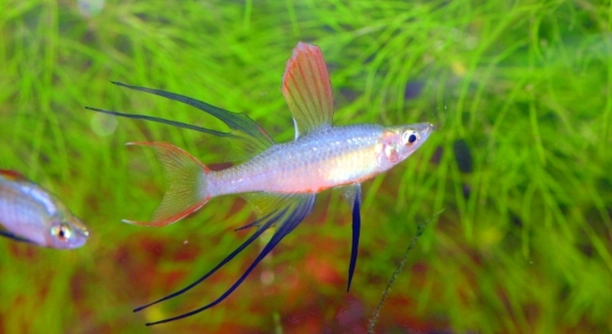
Do you ever notice your Threadfin Rainbowfish swimming differently when the filter stops working? These small, colorful fish rely on water movement to stay active and healthy in their tanks. Changes can be subtle yet important.
When the filter shuts off, Threadfin Rainbowfish typically reduce their activity, gather near areas with residual oxygen, and display slower, cautious swimming. This behavior helps them conserve energy and cope with reduced water circulation and oxygen levels in the aquarium.
Understanding these behaviors can help you maintain a stable environment. Observing their reactions ensures your fish remain healthy and comfortable even during brief disruptions.
How Threadfin Rainbowfish React Immediately
When the filter shuts off, Threadfin Rainbowfish often react within minutes. They may gather near the surface, where oxygen levels remain slightly higher, or cluster around plants and decorations that create minor water movement. Their usual energetic swimming slows, and they may hover in place, conserving energy. You might notice occasional quick darting movements, which are attempts to locate more oxygenated water. Some fish may seem restless, moving from one side of the tank to the other. It is common for them to remain close to the filter output when it is running intermittently. These behaviors indicate that the fish are adjusting to the sudden change in water flow. Watching them closely during this time can give insights into their health. Stress levels increase with prolonged filter inactivity, which can affect appetite and immune response. Consistent monitoring helps prevent long-term issues from developing.
This initial reaction is temporary if the filter is restored promptly. Observing them provides guidance for proper care.
Even if the filter resumes working, Threadfin Rainbowfish may continue cautious behavior for a while. Their swim patterns might remain slower, and they often stick near plants or decorations that provide shelter. Some may avoid open areas of the tank for several hours. Feeding may need adjustment since stress can reduce appetite. Maintaining a stable environment, including consistent water temperature and quality, helps the fish recover more quickly. Adding temporary aeration or circulating the water manually can support oxygen levels until the filter functions normally. These small steps ensure the fish do not experience extended stress, which could compromise health. Consistent observation after filter interruptions allows you to notice subtle changes in behavior, which can prevent problems before they escalate. Preparing for occasional filter shutdowns ensures the fish remain comfortable and active despite temporary disruptions.
Long-Term Effects of Filter Shutdowns
Repeated or prolonged filter shutdowns can gradually affect Threadfin Rainbowfish behavior. Their swimming patterns may become less dynamic, and they might spend more time near surfaces or objects.
Extended exposure to low water movement increases stress and can lead to weakened immune responses. Threadfin Rainbowfish depend on stable oxygen levels and clean water to thrive. If the filter stops frequently, waste builds up, and water quality deteriorates, making them more susceptible to disease. Behavior changes can include lethargy, reduced appetite, and hiding. Over time, repeated exposure may alter their typical schooling patterns, as fish become cautious and avoid open swimming spaces. Providing temporary aeration and promptly restoring filtration minimizes these risks. Maintaining regular water checks and cleaning schedules ensures conditions remain suitable for health. Consistent observation and early intervention help mitigate the negative effects of occasional filter failures. By understanding their needs and responses, it is possible to keep Threadfin Rainbowfish active and thriving despite minor disruptions.
Signs of Stress in Threadfin Rainbowfish
Threadfin Rainbowfish show stress through rapid gill movement, clamped fins, and erratic swimming. They may hide more than usual or avoid open spaces, signaling discomfort from low water flow or oxygen levels caused by a filter shutdown.
Stress can affect feeding habits significantly. Fish may refuse food or eat less, which can weaken them over time. You might notice sudden changes in color or energy levels, indicating the fish are coping with environmental changes. Even brief filter outages can trigger this response, particularly in smaller or younger fish. Observing subtle behavioral shifts helps catch problems before they escalate. Small adjustments like adding temporary aeration or maintaining water quality reduce the impact of stress and help them recover faster.
Prolonged stress may also cause illness. Fish under constant low-oxygen conditions are prone to infections or parasites. Maintaining proper filtration and monitoring water parameters ensures a healthier, more stable environment, preventing recurring stress episodes.
Temporary Solutions During Filter Outages
Using a battery-operated air pump can maintain oxygen levels when the main filter stops working. It helps reduce immediate stress and keeps the water moving slightly.
Manual water circulation is another helpful strategy. Gently stirring the water or using a small cup to pour water back into the tank promotes oxygenation. These actions are temporary fixes but help the fish remain active and comfortable. Keeping up with regular water changes during filter interruptions prevents harmful waste buildup. Additionally, reducing feeding slightly during outages minimizes strain on water quality. These practical steps support Threadfin Rainbowfish until the filter is restored.
Even with short-term solutions, monitoring remains essential. Observe their swimming, breathing, and interactions with the tank environment. Minor adjustments to lighting or tank decorations can offer sheltered spots, reducing stress. Temporary aeration or circulation should be paired with quick filter repairs to ensure the long-term health of the fish. Consistent care during these interruptions makes a noticeable difference in recovery speed and overall activity levels.
Common Mistakes During Filter Shutdowns
Leaving the filter off for long periods is the most frequent mistake. Some owners may assume short outages are harmless, but fish can experience stress and oxygen depletion quickly.
Overfeeding during outages worsens water quality. Uneaten food decomposes, increasing toxins and further reducing oxygen, which can harm Threadfin Rainbowfish.
Preventing Stress in Threadfin Rainbowfish
Maintaining backup aeration and monitoring water parameters are key to preventing stress. Small interventions, such as using a battery-operated air pump or manually circulating water, help maintain oxygen levels. Reducing feeding slightly during outages prevents excessive waste buildup. Regular observation of swimming patterns, breathing, and color changes ensures timely intervention. Adjusting tank layout to provide sheltered spots helps fish feel secure. Ensuring the filter is promptly repaired or replaced minimizes disruption. These consistent practices create a stable environment that reduces stress, maintains health, and allows Threadfin Rainbowfish to continue their natural behaviors without prolonged negative effects.
Quick Recovery Tips
Increasing oxygenation temporarily and restoring normal water flow quickly encourages recovery. Observing their behavior ensures they return to regular activity.
FAQ
How long can Threadfin Rainbowfish survive without a filter?
Threadfin Rainbowfish can survive short periods without a filter, usually a few hours, depending on tank size and oxygen levels. Smaller tanks or densely stocked aquariums reduce survival time because oxygen depletes faster. Temporary aeration or water movement can extend survival, but prolonged filter inactivity increases stress and health risks.
What signs indicate a filter shutdown is affecting my fish?
Common signs include slower swimming, hovering near the surface, clamped fins, rapid gill movement, hiding more than usual, and color fading. Appetite may decrease, and fish may avoid open areas. Observing these behaviors quickly helps prevent long-term stress or illness.
Can I feed my fish during a filter outage?
Feeding should be reduced during a filter outage. Uneaten food decomposes, producing toxins and lowering oxygen levels. Small, controlled portions are acceptable if the outage is brief, but avoid overfeeding to minimize water quality issues and stress on Threadfin Rainbowfish.
Is temporary aeration necessary when the filter stops?
Yes, temporary aeration is highly beneficial. A battery-operated air pump or gentle manual water circulation helps maintain oxygen levels and reduces stress. Even short periods of low oxygen can impact fish behavior, so providing water movement ensures their health until the filter is restored.
How can I prevent recurring filter-related stress?
Prevent stress by maintaining backup aeration, regular filter maintenance, and monitoring water parameters. Ensure the filter is clean, functional, and capable of supporting tank inhabitants. Minor adjustments, like providing plants or sheltered areas, help fish feel secure during brief disruptions.
Will my fish return to normal behavior once the filter is back on?
Most Threadfin Rainbowfish return to normal behavior shortly after the filter is restored, especially if stress was minimal. Swimming patterns normalize, appetite returns, and energy levels increase. Continued observation ensures they are fully recovered and helps identify lingering health issues.
What should I do if the filter fails at night?
If a filter fails overnight, adding temporary aeration is ideal. In the absence of equipment, manually stirring the water or gently pouring water across the surface can help maintain oxygen levels. Morning checks allow you to restore the filter and monitor fish recovery.
Are younger fish more sensitive to filter shutdowns?
Yes, juvenile Threadfin Rainbowfish are more vulnerable because smaller gills and higher metabolism make them less tolerant of oxygen depletion. Extra care, such as aeration and prompt restoration of filtration, is necessary to protect young fish during outages.
Can other tank inhabitants affect how my Rainbowfish react to a shutdown?
Yes, heavily stocked tanks or aggressive fish can increase stress levels. Territorial behavior may escalate when water movement is reduced. Observing interactions helps ensure all fish remain safe, and temporary adjustments, like separating certain species, can reduce conflict during outages.
How often should I check on my fish if the filter is off?
During a filter outage, frequent monitoring is crucial. Check at least every 15–30 minutes for signs of stress or oxygen depletion. Quick interventions, such as aeration or minor water movement, prevent serious health issues and help maintain a safe environment for Threadfin Rainbowfish.
Can filter shutdowns cause long-term health issues?
Prolonged or repeated filter failures can weaken immune systems, increase susceptibility to infections, and alter natural swimming or schooling behavior. Preventing frequent shutdowns, using temporary aeration, and maintaining water quality reduce long-term negative effects and support overall health.
Is it necessary to change water after a filter outage?
Yes, partial water changes after a filter outage help remove accumulated waste and restore water quality. This reduces toxins, stabilizes oxygen levels, and supports recovery. Avoid complete changes, as sudden shifts in water parameters can stress fish further.
How can I make my tank more resilient to filter failures?
Keep a backup air pump, perform regular filter maintenance, and ensure water parameters are stable. Tank decorations that create sheltered spaces, routine partial water changes, and careful feeding routines all contribute to a more resilient environment that supports Threadfin Rainbowfish during outages.
What are the easiest ways to monitor fish stress?
Look for changes in swimming patterns, fin clamping, surface-gathering behavior, and appetite. Observing interactions with other fish and response to water movement provides early warning signs. Keeping notes on behavior during filter outages can help track patterns and guide interventions.
How quickly should I restore the filter?
Restoring the filter as soon as possible is crucial. Even a short period of reduced oxygen and water movement can trigger stress responses. Prompt restoration, combined with temporary aeration, ensures minimal disruption to Threadfin Rainbowfish behavior and overall health.
Can I leave a backup battery-operated pump on all the time?
Yes, keeping a backup pump ready or running during outages is safe and provides continuous oxygenation. These devices are designed for temporary use but can also serve as a precautionary measure during maintenance or unexpected filter failures.
How can I reduce the risk of oxygen depletion?
Regular water changes, avoiding overfeeding, and maintaining a clean tank all help maintain oxygen levels. Temporary aeration during outages and ensuring proper filter function minimize oxygen depletion risks, keeping Threadfin Rainbowfish active and healthy.
Should I be concerned about water temperature during filter outages?
Water temperature can fluctuate without circulation, especially in smaller tanks. Maintaining stable temperatures is important, as sudden changes can add stress. Using a heater or monitoring room temperature can help prevent additional strain on the fish during outages.
How long does it take for fish to fully recover after a short shutdown?
Recovery depends on stress level and duration of the outage. For brief interruptions, Threadfin Rainbowfish typically resume normal activity within hours. Appetite returns, energy increases, and swimming patterns normalize, assuming water quality is stable and proper aeration was provided during the shutdown.
Are there any long-term preventive strategies for maintaining fish health during outages?
Yes, regular filter maintenance, backup aeration, partial water changes, stable feeding routines, and monitoring water quality all help prevent health issues during outages. Providing sheltered areas in the tank and observing behavior consistently ensures Threadfin Rainbowfish remain resilient against stress and environmental changes.
Final Thoughts
Threadfin Rainbowfish are vibrant, active fish that rely heavily on consistent water movement and oxygen levels in their tank. A sudden filter shutdown can disrupt their environment, triggering stress behaviors such as hovering near the surface, hiding, or slowing down their swimming. While these fish are resilient to short interruptions, prolonged or repeated filter outages can negatively affect their health and behavior. Observing changes in their activity, appetite, and color provides early warnings that the water conditions are not ideal. Simple adjustments, like temporary aeration or careful manual circulation, can reduce the stress they experience during these periods. Acting quickly helps prevent long-term health issues and allows the fish to return to normal behavior more quickly.
Maintaining a stable environment is the most important factor for Threadfin Rainbowfish. Regular filter maintenance, timely cleaning, and monitoring water parameters such as oxygen levels, temperature, and waste buildup are essential practices. During any brief filter outages, limiting feeding helps maintain water quality, as leftover food can increase toxins and reduce oxygen further. Providing plants or decorations that offer sheltered spots can also help fish feel secure, giving them a safe place to rest until normal water movement resumes. Even small interventions, like using a battery-operated air pump or gently circulating the water, can make a noticeable difference in reducing stress. Consistent observation and prompt action ensure that fish do not suffer from extended periods without proper filtration.
Ultimately, understanding the behavior of Threadfin Rainbowfish during filter shutdowns allows for better care and a healthier aquarium. By recognizing signs of stress early, applying temporary solutions, and maintaining long-term stability, you can support the well-being of your fish. Filter outages, while sometimes unavoidable, do not have to be harmful if managed properly. Regular monitoring, thoughtful interventions, and maintaining optimal water conditions will keep your Threadfin Rainbowfish active, colorful, and healthy. Being attentive to their responses and adjusting care practices ensures they thrive, even during brief environmental disruptions. A proactive approach creates a safe, stable habitat where these fish can continue to display their natural behaviors and remain resilient in the aquarium setting.

Hello,
If you enjoy the content that we create, please consider saying a "Thank You!" by leaving a tip.
Every little bit helps us continue crafting quality advice that supports the health, happiness, and well-being of pets around the world, for pets of all shapes, sizes, and species.
We really appreciate the kindness and support that you show us!