
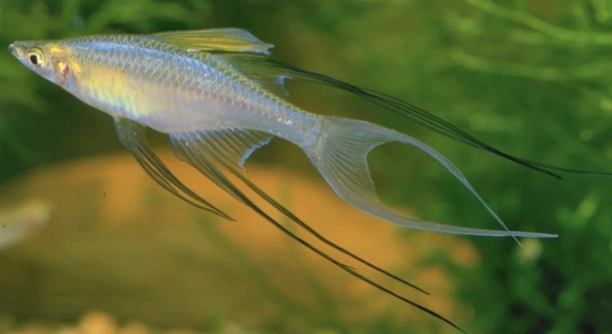
Threadfin Rainbowfish are small, vibrant fish that bring life to any freshwater aquarium. Their shimmering colors and gentle movements make them a delight to observe during the day, adding charm and calm to their environment.
Threadfin Rainbowfish display increased activity during low-light periods, particularly at dusk and after dark. This nocturnal behavior is linked to their natural instincts for feeding and schooling, allowing them to navigate their habitat efficiently while avoiding predators.
Observing these patterns can enhance the care and environment you provide, ensuring your Rainbowfish remain healthy and active in your aquarium.
Understanding Nocturnal Behavior
Threadfin Rainbowfish tend to be more active after dark due to their natural behavior in the wild. During low-light conditions, they feel safer moving around, exploring their environment, and foraging for food. This activity is usually more noticeable if the aquarium lights are dimmed or turned off at night. Observing them during these hours shows their schooling instincts, as they swim together in coordinated patterns. Nighttime activity also helps maintain their health by encouraging movement and reducing stress that can occur from staying idle for long periods. Many aquarists notice that after feeding in the evening, these fish become more energetic and playful, displaying bursts of speed and color that are less visible during daylight hours. Providing hiding spaces and plants allows them to feel secure while active at night.
Their after-dark activity can indicate that they are comfortable and adapting well to their tank environment.
Understanding these patterns is useful for adjusting feeding schedules and tank maintenance. By recognizing when Rainbowfish are naturally active, you can provide food at optimal times, making sure all fish get their share. Tank decorations should allow open swimming areas for exercise while also including shaded spots or plants where they can retreat. Lighting schedules that mimic natural day and night cycles help regulate behavior, keeping the fish calm during the day and active at night. Additionally, monitoring nighttime activity can reveal health issues; lethargy or unusual swimming patterns often indicate stress or illness. Maintaining a clean tank, stable water parameters, and compatible tank mates enhances their natural behaviors. Observing their nocturnal habits over several days gives insight into individual personalities and group dynamics, helping you create a balanced and stimulating environment that keeps Threadfin Rainbowfish happy.
Feeding and Activity Patterns
Feeding times affect how active Threadfin Rainbowfish are after dark. Adjusting the schedule can encourage natural movement patterns.
Fish tend to be more active at night when food is provided in small, frequent amounts. Offering meals in the evening or using floating foods that sink slowly mimics natural feeding, stimulating swimming and interaction. Overfeeding can lead to sluggishness and poor water quality, while underfeeding may cause stress and aggression. Observation helps determine the right portion size. Consistent routines allow the fish to anticipate feeding, reducing unnecessary roaming during inactive periods.
By aligning feeding with natural activity, you can support their health and energy levels. Small changes in diet and timing can transform tank behavior. Feeding high-quality, varied foods such as live or frozen options provides essential nutrients while maintaining interest. Rotating protein sources and vegetable-based meals ensures balanced nutrition and encourages natural hunting and foraging instincts. Evening feeding should be done carefully to prevent leftover debris that affects water quality. Including occasional treats like brine shrimp or daphnia keeps them stimulated. Watching how the fish respond to different feeding strategies informs future adjustments, creating a healthier, more active aquarium. Overall, integrating feeding schedules with natural nocturnal tendencies promotes better well-being and more engaging behavior patterns.
Tank Setup for Night Activity
Proper tank setup encourages Threadfin Rainbowfish to move naturally after dark. Open swimming areas combined with plants and hiding spots allow them to feel safe while exploring, reducing stress and promoting healthy nocturnal activity.
Providing gentle, dim lighting at night simulates natural conditions. Floating plants or low-level LED lights can create shaded areas, giving fish comfort while still allowing observation. Avoid bright, harsh lighting in the evening, as it may inhibit activity or cause hiding behavior. Decorations should be arranged to balance open swimming zones with areas for retreat, mimicking their natural habitat. Regular water changes and consistent temperature support overall well-being, making nighttime movement more consistent.
Maintaining a structured environment also helps establish routines. When Rainbowfish feel secure, they display more natural behaviors, including schooling and foraging. Adjustable lighting and thoughtful tank layout contribute to their energy levels, encouraging both activity and relaxation.
Social Dynamics and Nocturnal Movement
Threadfin Rainbowfish are schooling fish, and group behavior strongly influences nighttime activity. A cohesive group will explore together, while isolated fish may hide or remain inactive.
The size and composition of the school impact movement patterns. Larger groups tend to be more confident at night, swimming actively and maintaining coordination. Aggressive or dominant fish can cause stress, reducing activity in less assertive individuals. Introducing compatible tank mates and observing interactions ensures harmony. Nighttime activity is also linked to safety in numbers; synchronized swimming reduces the risk of predation instincts, even in an aquarium.
Environmental enrichment can further encourage nocturnal exploration. Plants, floating cover, and subtle currents stimulate movement and natural instincts. Avoid overcrowding, which can increase stress and limit swimming space, diminishing nighttime activity. Regular monitoring allows adjustments to group dynamics, ensuring all fish remain active and healthy. Social structure, combined with a secure environment, directly affects how Threadfin Rainbowfish behave after dark.
Lighting and Nighttime Activity
Low-level lighting at night encourages Threadfin Rainbowfish to explore without stress. Dim LEDs or floating plants provide shaded areas, allowing natural movement and safer foraging behaviors while reducing hiding tendencies.
Sudden bright lights can startle fish and inhibit activity. Gradual transitions in lighting help them adjust, keeping nocturnal patterns consistent and natural.
Observing Behavior Without Disturbance
Minimizing disturbances during nighttime observation is key. Limiting sudden movements, tapping, or bright lights allows Rainbowfish to display genuine nocturnal behaviors. Observing quietly helps monitor health and activity patterns accurately.
Feeding Adjustments for Evening Activity
Shifting small feedings to late afternoon or evening can stimulate movement. Offering sinking or slow-floating foods encourages foraging and swimming. Consistent timing ensures all fish receive nutrition while reinforcing natural nocturnal routines.
Environmental Enrichment
Adding plants, hiding spots, and gentle water flow improves activity levels. Enriched tanks promote exploration, reduce stress, and maintain energy after dark.
FAQ
Do Threadfin Rainbowfish need complete darkness to be active at night?
No, they do not require complete darkness. They respond well to dim lighting that mimics dusk or moonlight. Gentle LED lights or floating plants that diffuse light can help them feel safe while remaining active. Bright lights may inhibit movement, so gradual transitions are best.
Why do some Rainbowfish hide more than others at night?
Individual behavior varies based on personality, confidence, and social status. Shyer fish or smaller individuals may seek shelter until they feel secure. Providing plants, caves, or floating cover allows these fish to stay hidden while still participating in natural nocturnal activities at their own pace.
Can feeding schedules affect nighttime activity?
Yes. Evening or late-afternoon feedings encourage movement and natural foraging. Using sinking or slow-floating foods stimulates swimming and interaction. Overfeeding can lead to sluggishness, while underfeeding may cause stress. Consistent timing helps fish anticipate meals, reinforcing activity during low-light periods.
Does tank size impact nocturnal behavior?
Absolutely. Larger tanks provide more open space for swimming and schooling, which increases nighttime activity. Crowded tanks can stress fish, reduce movement, and limit natural behavior. Arranging decorations to balance open areas with hiding spots encourages exploration and energy after dark.
Do Rainbowfish become more colorful at night?
They can appear more vibrant when active due to increased movement and healthy energy levels. However, color is generally more noticeable during daylight. Proper nutrition, low stress, and a comfortable environment support natural coloration both day and night.
How important are social dynamics for nighttime activity?
Schooling behavior strongly affects activity. Cohesive groups are more confident, swimming together and exploring. Aggressive or dominant fish can inhibit movement in timid individuals. Observing interactions and maintaining compatible group sizes helps ensure all Rainbowfish stay active during low-light periods.
Will nighttime activity indicate health problems?
Yes, changes in nocturnal behavior can signal stress or illness. Lethargy, erratic swimming, or prolonged hiding may indicate poor water quality, insufficient nutrition, or disease. Monitoring nighttime activity allows early detection of issues and adjustment of care routines to maintain health.
Can environmental enrichment improve nighttime activity?
Adding plants, hiding spots, and gentle water flow encourages natural exploration and reduces stress. Enriched tanks keep Rainbowfish engaged, promote schooling, and maintain energy. Variation in tank layout and enrichment items allows individual fish to exhibit natural behaviors safely during the night.
How long should I observe their nighttime behavior?
Observing over several days provides insight into patterns, energy levels, and group dynamics. Short-term observation may miss subtle behaviors. Quiet, consistent monitoring ensures accurate understanding of how each fish responds to lighting, feeding, and tank layout, allowing informed adjustments to care.
Is it necessary to adjust daytime lighting for better nocturnal activity?
Yes. Mimicking natural day-night cycles helps regulate activity. Gradual dimming in the evening encourages movement, while adequate daytime light supports health and natural schooling behavior. Balanced lighting prevents stress and maintains consistent nocturnal routines, ensuring Rainbowfish remain energetic and active after dark.
Do temperature and water quality affect nighttime activity?
They do. Stable water parameters and appropriate temperature encourage energy and natural behavior. Sudden fluctuations or poor water quality can reduce movement, increase stress, and disrupt nocturnal patterns. Regular monitoring and maintenance keep the tank environment conducive to healthy nighttime activity.
Can tank mates influence after-dark activity?
Yes. Compatible, non-aggressive tank mates encourage confidence and movement. Aggressive or overly dominant fish may suppress activity, causing hiding or stress. Careful selection and observation of interactions are crucial to maintaining a harmonious environment that supports nighttime exploration.
Are there signs that Rainbowfish are stressed at night?
Yes. Excessive hiding, clamped fins, erratic swimming, or lethargy may indicate stress. Stress can result from poor water quality, overcrowding, or incompatible tank mates. Adjusting the environment, monitoring group dynamics, and maintaining stable conditions help reduce nighttime stress and promote natural behavior.
How can I encourage more consistent nocturnal activity?
Maintain consistent lighting, feeding schedules, and tank conditions. Provide enrichment, hiding spots, and adequate swimming space. Observing behavior and making gradual adjustments ensures all fish feel secure, promoting natural nighttime activity and supporting overall health and energy levels.
Threadfin Rainbowfish are fascinating creatures that display unique behaviors after dark. Observing them during nighttime hours can provide insight into their natural instincts, including schooling, foraging, and movement patterns. Their activity is influenced by multiple factors such as lighting, tank setup, feeding schedules, and social dynamics. Maintaining a balanced environment with enough open swimming space and areas for retreat helps Rainbowfish feel secure while still allowing them to explore and be active. Proper care ensures they remain healthy, energetic, and display natural behaviors, making nighttime observation an enjoyable and informative experience.
Lighting plays a crucial role in supporting nocturnal activity. Dim or low-level lighting simulates natural evening conditions, encouraging movement while preventing stress or hiding behavior. Bright lights at night can disrupt their natural rhythms, causing inactivity or anxiety. Combining soft lighting with plants, floating cover, or shaded areas allows them to feel safe while swimming. Observing subtle changes in behavior under different lighting conditions can help refine tank management practices and improve overall well-being. Adjusting light gradually rather than suddenly ensures Rainbowfish maintain consistent activity patterns and feel comfortable in their environment, enhancing their overall quality of life.
Feeding routines and environmental enrichment also significantly impact after-dark activity. Offering meals in the late afternoon or evening stimulates foraging behavior and encourages swimming and interaction. Using slow-floating or sinking foods mimics natural feeding conditions, while small, consistent portions prevent overfeeding and maintain water quality. Providing enrichment such as plants, decorations, and gentle water flow allows Rainbowfish to engage with their surroundings, exercise, and explore safely. Monitoring social dynamics within the group ensures that all fish remain active and confident, as cohesive schools are more likely to move together. Balancing these factors promotes natural nocturnal behavior, supports health, and makes observing Threadfin Rainbowfish after dark a rewarding part of aquarium care.

Hello,
If you enjoy the content that we create, please consider saying a "Thank You!" by leaving a tip.
Every little bit helps us continue crafting quality advice that supports the health, happiness, and well-being of pets around the world, for pets of all shapes, sizes, and species.
We really appreciate the kindness and support that you show us!