
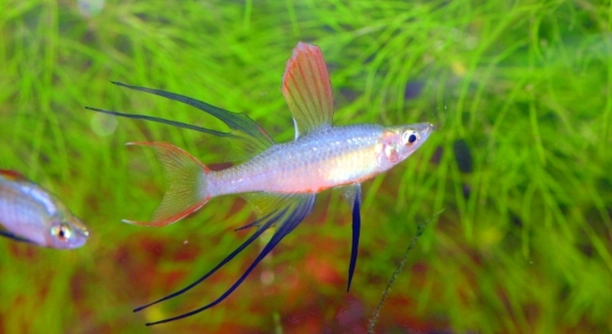
Threadfin Rainbowfish are small, colorful fish that bring life to home aquariums. Many fish keepers admire their shimmering colors but may not know much about their daily habits or unique behaviors. They are gentle and social creatures that enjoy company.
Threadfin Rainbowfish display specific preferences in feeding, habitat, and social interactions. They thrive in well-planted tanks with moderate water flow, prefer live or frozen foods, and exhibit schooling behavior that promotes both physical and psychological well-being in captive environments.
Learning about these aspects can improve your fish-keeping experience. Their subtle behaviors and preferences reveal more than meets the eye, making every observation worthwhile.
Bright Color Changes
Threadfin Rainbowfish are known for their vivid colors, which can shift based on mood, health, and environment. When stressed or scared, their colors may fade slightly, while a healthy, relaxed fish will display brighter hues. Lighting in the aquarium also plays a key role in color intensity, and proper placement of tank lights can enhance their natural beauty. Nutrition contributes as well; a diet rich in live or frozen foods helps maintain vibrant scales. Observing their colors can give insights into their well-being, as dullness may indicate illness or improper water conditions. These fish are sensitive to changes in temperature and pH, so consistent tank care is essential. Overcrowding can also dull their colors, making tank size an important factor. Males often show more pronounced color changes than females, particularly during social interactions or mating displays. Monitoring these shifts helps keep them healthy and visually striking.
Color shifts are normal and part of their natural communication.
Maintaining the right balance of diet, water quality, and tank mates ensures your Rainbowfish remain bright and active. Regular observation allows adjustments to environment or care, preventing stress-related fading. Even subtle improvements in lighting or feeding routines can significantly enhance their colors. Males will often display the brightest shades when competing for attention, while females show more subdued tones. Over time, you learn to recognize subtle signals of happiness, stress, or illness through these changes. Keeping them in small schools allows natural behavior and promotes social stability, further enhancing their appearance. Incorporating plants, rocks, and hiding spots reduces stress, which also helps maintain strong color intensity.
Social Behavior and Schooling
Rainbowfish are highly social and prefer to swim in groups rather than alone.
Schooling provides security and encourages natural activity. They communicate subtly through movements and positioning within the school.
A proper school should include at least six individuals, as smaller groups can lead to stress and erratic behavior. In a larger school, each fish establishes a loose hierarchy, which reduces aggression and ensures everyone gets access to food. Watching them interact is fascinating—they often mirror each other’s movements, darting together or resting in synchronized positions. Social interaction impacts their health; isolated fish may refuse food or display lethargy, while properly grouped fish are more active and vibrant. Tank layout influences schooling patterns: open swimming space combined with hiding spots allows natural exploration while offering safety. Pairing Threadfin Rainbowfish with other peaceful species supports a calm community, reducing stress. Understanding their social needs is essential for long-term health, as well as for maintaining bright coloration and active behavior. Adjusting group size and monitoring interactions ensures a stable, thriving aquarium environment.
Feeding Preferences
Threadfin Rainbowfish prefer a mix of live, frozen, and high-quality flake foods. They enjoy small insects, brine shrimp, and micro worms, which provide essential nutrients and help maintain their bright colors. Feeding several small portions daily works best for their metabolism.
A balanced diet is key to their health and longevity. Live foods encourage natural hunting behaviors, which keeps them active and engaged. Frozen foods like bloodworms and daphnia provide variety and are convenient for regular feeding. High-quality flakes or pellets ensure they get essential vitamins and minerals. Overfeeding can lead to water quality issues, so portion control is important. Regularly rotating food types keeps them interested and supports vibrant coloration. Feeding at the same times each day also creates a routine that reduces stress.
Avoid sudden changes in diet, as Rainbowfish can be sensitive. Introducing new foods gradually helps prevent digestive upset. Pairing live and frozen foods with quality flakes ensures they receive complete nutrition. Observing their eating habits helps you spot potential health issues early, such as loss of appetite or picky behavior. A well-fed group of Rainbowfish will display more vivid colors, active schooling behavior, and stronger immune systems. Even small improvements in diet can have visible effects on both appearance and activity levels, making careful food choices essential for thriving fish.
Tank Conditions
Optimal water conditions include a temperature range of 24–28°C, a pH of 6.5–7.5, and moderate hardness. Maintaining stable parameters reduces stress and promotes healthy growth.
Water quality directly impacts their health. Regular water changes and proper filtration prevent ammonia and nitrite buildup. Gentle currents mimic natural environments and encourage natural swimming patterns. Plants and decorations provide hiding spots and reduce territorial conflicts. Monitoring temperature and pH daily ensures consistency.
A suitable tank should provide at least 20 gallons for a small school, with ample swimming space. Live plants such as Java fern or Anubias offer shelter and contribute to water quality by absorbing excess nutrients. Smooth substrate prevents fin damage, while open areas allow full schooling movement. Adding driftwood or rocks creates visual interest and additional hiding spots. Filtration should produce gentle flow to avoid stress, while aeration ensures sufficient oxygen. Regular testing and maintenance prevent sudden parameter shifts, which can weaken immune responses and dull colors. By creating a stable, enriched environment, Rainbowfish remain active, colorful, and display natural behaviors consistently.
Breeding Behavior
Threadfin Rainbowfish lay eggs in plants or fine-leaved vegetation. Spawning usually occurs in the morning, and males display brighter colors to attract females. Eggs hatch in about a week under stable water conditions.
Males often chase females gently, nudging them toward suitable spawning sites. Females scatter eggs, which adhere to plant leaves or substrate. Removing adults after spawning prevents egg predation. Fry feed on infusoria or finely crushed flake foods initially.
Interaction with Tank Mates
Rainbowfish are peaceful and do well with other non-aggressive species. Avoid large or fin-nipping fish, as this stresses them and can affect color intensity.
Keeping them with similarly sized fish promotes calm schooling behavior and reduces competition for food.
Lifespan and Growth
Threadfin Rainbowfish can live up to five years with proper care. Growth rates depend on diet, tank size, and water quality. Young fish grow rapidly during the first year, reaching most of their adult size within eight to ten months. Regular observation helps detect health issues early.
Activity Levels
Rainbowfish are highly active swimmers and prefer open areas in the tank.
Providing ample swimming space encourages natural movement, promotes social interaction, and supports overall health.
FAQ
How often should I feed Threadfin Rainbowfish?
Threadfin Rainbowfish do best with small, frequent meals throughout the day. Feeding two to three times daily helps maintain their metabolism and keeps them active. Combining live, frozen, and high-quality flake foods ensures balanced nutrition, supports color vibrancy, and promotes natural hunting behavior. Avoid overfeeding, as uneaten food can quickly pollute the tank. Observing their eating habits helps determine if portions need adjusting.
Can Threadfin Rainbowfish live with other fish?
Yes, they are peaceful and adapt well to community tanks. Ideal tank mates include similarly sized, non-aggressive species like tetras, guppies, or small gouramis. Avoid fin-nipping or large predatory fish, which can stress them and suppress colors. Proper schooling and compatible tank mates improve social behavior and overall health.
What tank size is recommended?
A minimum of 20 gallons is suggested for a small school of six or more. Larger tanks allow more natural swimming, reduce stress, and help maintain water quality. Open spaces combined with plants and hiding spots create a comfortable, enriched environment for active schooling.
How do I maintain water quality?
Stable water conditions are essential. Keep the temperature between 24–28°C, pH at 6.5–7.5, and hardness moderate. Regular water changes, proper filtration, and monitoring ammonia, nitrite, and nitrate levels prevent stress and disease. Gentle currents and aeration mimic their natural habitat and encourage activity.
Do they require live plants?
Live plants are highly beneficial. They provide hiding spots, reduce aggression, and contribute to water quality by absorbing excess nutrients. Fine-leaved plants are ideal for spawning, while taller plants offer shelter. Even hardy plants like Java fern or Anubias improve both aesthetics and fish well-being.
How can I encourage breeding?
Maintain stable water conditions and provide plenty of plants for egg-laying. Males display brighter colors and actively chase females toward suitable sites. Removing adults after spawning prevents predation. Feed high-protein foods like live brine shrimp to condition both males and females for spawning.
What is their typical lifespan?
Threadfin Rainbowfish can live up to five years with proper care. Diet, water quality, and tank size significantly affect longevity. Regular monitoring for illness and maintaining an enriched environment helps them grow fully and remain active throughout their lifespan.
How can I tell if they are healthy?
Healthy Rainbowfish display bright, consistent colors, active schooling, and responsive behavior. Signs of stress or illness include dull coloration, lethargy, loss of appetite, or erratic swimming. Maintaining clean water, a balanced diet, and proper social conditions prevents most common health issues.
Are there special considerations for lighting?
Moderate lighting enhances their colors and supports plant growth. Avoid overly bright or direct light, which can stress them. A consistent day-night cycle mimics natural conditions and supports normal behavior, including feeding and breeding activity.
What is the best diet for vibrant colors?
A mix of live, frozen, and high-quality flakes ensures complete nutrition. Live foods stimulate natural hunting behavior, frozen options provide variety, and flakes supply essential vitamins. Rotating food types and including protein-rich options like brine shrimp and bloodworms helps maintain strong coloration and overall health.
Can they adapt to new tank conditions quickly?
They are moderately sensitive to sudden changes. Gradual acclimation to temperature, pH, or tank mates reduces stress. Floating the bag, slowly mixing tank water, and monitoring behavior during the first few hours helps them adjust without health risks.
How many should I keep together?
A minimum school of six is recommended for social stability. Larger schools allow natural hierarchy and reduce stress. Small groups can result in isolation, aggression, and reduced activity, which negatively impacts coloration and well-being.
Do they require special filtration?
Standard aquarium filtration is sufficient if it provides gentle water flow. Strong currents can stress Rainbowfish. Filtration should maintain water clarity and prevent buildup of ammonia or nitrites. Supplemental aeration supports oxygen levels, especially in densely planted or heavily stocked tanks.
How do I prevent stress in the aquarium?
Provide ample swimming space, stable water parameters, compatible tank mates, and hiding spots. Avoid sudden changes in temperature, lighting, or décor. Regular observation allows early intervention for aggressive behavior, illness, or overcrowding, ensuring a calm, thriving environment.
Are they suitable for beginners?
Yes, with proper guidance on feeding, tank size, and water maintenance, they are manageable for novice fish keepers. Their peaceful nature and active schooling behavior make them rewarding to care for while learning about aquarium management and fish health.
Final Thoughts
Threadfin Rainbowfish are small, vibrant fish that bring life and movement to any aquarium. Their shimmering colors and active swimming behavior make them enjoyable to watch, and they adapt well to a properly maintained tank. While they are peaceful, they thrive best in small schools, which allows them to display natural behaviors and reduces stress. Observing a group of Rainbowfish moving together can be rewarding, as it shows their social structure and the subtle ways they communicate. The combination of bright colors, graceful movements, and schooling behavior makes them a striking addition to community tanks. Understanding their preferences for tank size, water conditions, and compatible tank mates ensures that they remain healthy and active.
Feeding and nutrition are important for both their health and appearance. A varied diet that includes live, frozen, and high-quality flake foods ensures they receive the necessary vitamins, proteins, and nutrients to maintain energy and color intensity. Overfeeding should be avoided, as leftover food can affect water quality and lead to illness. Introducing new foods gradually allows them to adjust without digestive problems. Regular observation during feeding helps identify changes in appetite or behavior, which may indicate stress or health issues. Keeping the tank clean and stable with consistent water parameters supports their well-being. Plants and decorations are more than just aesthetic; they provide hiding spots, encourage exploration, and offer places for breeding.
Maintaining Threadfin Rainbowfish requires attention, but it is manageable with basic knowledge and care. They are sensitive to sudden changes in temperature, pH, and water quality, so consistent monitoring is necessary. Proper filtration, gentle currents, and occasional water testing help prevent stress and illness. Breeding can be encouraged by providing fine-leaved plants and stable conditions, while observing natural behaviors enhances the experience of keeping them. Over time, learning their subtle cues and patterns makes caring for Rainbowfish easier and more rewarding. Their peaceful nature, beautiful coloration, and active schooling behavior make them a satisfying species to keep, and paying attention to their needs ensures a thriving, colorful aquarium.

Hello,
If you enjoy the content that we create, please consider saying a "Thank You!" by leaving a tip.
Every little bit helps us continue crafting quality advice that supports the health, happiness, and well-being of pets around the world, for pets of all shapes, sizes, and species.
We really appreciate the kindness and support that you show us!