
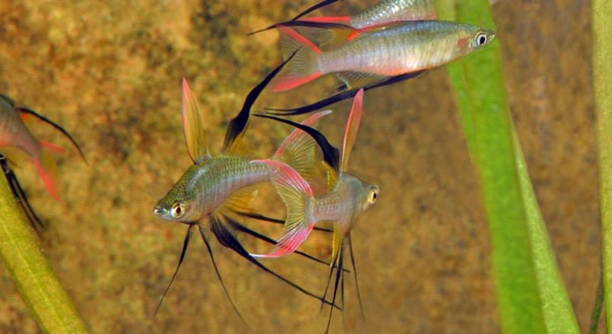
Threadfin Rainbowfish are delicate freshwater fish that require careful attention. Their health can change quickly, and spotting early signs of illness is essential. Ich, or white spot disease, is a common issue that can affect these fish unexpectedly.
Ich in Threadfin Rainbowfish often presents through small white spots on the body and fins, clamped fins, lethargy, loss of appetite, rapid gill movement, scratching against surfaces, and unusual swimming patterns. Early detection is crucial to prevent severe health decline.
Recognizing these warning signs early can protect your fish and maintain a healthy tank environment. Knowing what to watch for makes all the difference.
Small White Spots on the Body and Fins
The most noticeable sign of ich in Threadfin Rainbowfish is the appearance of tiny white spots on their body and fins. These spots look like grains of salt scattered across the fish. Initially, they may appear in small numbers and in isolated areas, but they can spread quickly if untreated. The spots indicate that the parasite has attached to the fish’s skin and fins, feeding on their tissues. It is important to monitor fish daily, especially after introducing new fish to the tank. Changes in water quality, temperature fluctuations, or stress can increase susceptibility to ich. Early detection allows for prompt treatment before the infestation becomes severe. Treatments often involve increasing the water temperature slightly and using medications designed to eliminate the parasite. Careful observation, combined with proper tank maintenance, can prevent the infection from spreading to other fish. Consistent monitoring is key for healthy and thriving Threadfin Rainbowfish.
Even a single white spot should be taken seriously. Acting quickly reduces risks.
Regular tank cleaning and quarantining new fish help prevent ich outbreaks. Early action is always better than waiting.
Clamped Fins
Clamped fins are another common indicator that your Threadfin Rainbowfish may be developing ich. When the fins are held close to the body instead of spreading naturally, it usually signals discomfort or stress. This behavior often appears before other visible signs, making it a useful early warning. Fish may also show reduced activity and hide more frequently when experiencing fin clamping.
Clamped fins indicate irritation caused by parasites. Prompt observation is necessary.
Fin clamping often occurs alongside other symptoms such as small white spots, rapid breathing, or loss of appetite. When multiple signs appear, it confirms that the fish is under stress and likely battling an infection. Addressing the issue immediately through water adjustments and appropriate treatment can prevent worsening of the condition. Ensuring the tank maintains stable temperature, proper filtration, and minimal stressors helps fish recover faster. In addition, separating infected fish temporarily can reduce the risk of spreading the parasite to others. Consistent monitoring and careful attention to subtle behavioral changes allow you to act before the infection becomes serious.
Lethargy and Reduced Activity
Lethargy is a clear sign that your Threadfin Rainbowfish may be affected by ich. Infected fish often swim less and hide in corners, showing less interest in usual activities. Reduced movement is a reaction to discomfort caused by the parasite.
Fish with ich often appear listless and avoid swimming actively. They may spend more time near the bottom or behind decorations. This decrease in activity can make them more vulnerable to other stress factors. Observing daily behavior helps identify changes early. When lethargy appears alongside other signs, it usually indicates that treatment should begin immediately. Maintaining stable water conditions can ease some stress, but medication is often necessary to fully resolve the infection.
Lethargic fish are more likely to lose appetite. Monitoring feeding habits can provide additional clues. Acting quickly improves recovery chances.
Loss of Appetite
Loss of appetite is common in Threadfin Rainbowfish affected by ich. Infected fish may ignore food or nibble only occasionally, which weakens their immune response and slows recovery. This symptom often appears after the initial spots and fin clamping.
A decrease in eating indicates that the fish is stressed and fighting an infection. Fish that stop eating may lose weight rapidly, making them more susceptible to secondary infections. It is important to maintain clean water and stable conditions while monitoring feeding closely. Offering easily digestible food in small amounts can encourage limited eating without overwhelming the fish. Failure to address loss of appetite can lead to severe health decline. Early intervention with proper treatment helps restore feeding behavior and overall vitality. Recognizing this symptom in combination with others ensures that ich is addressed promptly and effectively.
Rapid Gill Movement
Rapid gill movement is a sign that your Threadfin Rainbowfish is under stress from ich. Fish may appear to breathe faster than usual, indicating irritation or oxygen deficiency caused by the parasite.
This symptom often accompanies clamped fins and lethargy. Monitoring gill activity daily helps detect problems early.
Scratching Against Surfaces
Fish may rub or scratch themselves against decorations, gravel, or tank walls when infected. This behavior is an attempt to relieve the irritation caused by ich parasites. It can lead to minor injuries or torn fins if not addressed promptly.
Unusual Swimming Patterns
Infected Threadfin Rainbowfish often display erratic swimming, including darting, spinning, or staying near the surface. These changes reflect discomfort and stress caused by the parasite.
Stress and Irritability
Stress increases susceptibility to ich. Fish under stress may hide, swim erratically, or show heightened sensitivity to movements in the tank.
FAQ
What causes ich in Threadfin Rainbowfish?
Ich is caused by a parasite called Ichthyophthirius multifiliis. It attaches to the skin, fins, and gills of the fish, feeding on tissue and causing irritation. Stress, poor water quality, sudden temperature changes, and introducing new fish without quarantine can increase the risk of infection.
How quickly does ich spread in a tank?
Ich spreads rapidly under favorable conditions. The parasite reproduces quickly in warm water, and once one fish is infected, others in the same tank are at high risk. Early detection and treatment are essential to prevent the entire population from becoming infected.
Can ich go away on its own?
Mild cases may resolve if the fish’s immune system is strong and water conditions are ideal. However, relying on natural recovery is risky. Most infections require intervention, including temperature adjustments and anti-parasitic treatments, to prevent severe health decline or death.
What are the best treatments for ich?
Common treatments include raising the tank temperature slightly to speed the parasite’s life cycle and using anti-parasitic medications available for freshwater fish. Copper-based treatments, formalin, and malachite green are widely used. Always follow instructions carefully and remove carbon from filters during medication.
How long does it take for fish to recover from ich?
Recovery time depends on infection severity, water conditions, and treatment effectiveness. Mild cases can improve within a week, while severe infections may take two to three weeks. Consistent monitoring, water changes, and careful feeding support faster recovery.
Can ich infect other types of fish in the same tank?
Yes. Ich is highly contagious among freshwater fish. Any uninfected fish in the same tank can easily contract the parasite. Quarantining new fish and isolating infected individuals can reduce the risk of spreading the disease.
Is it safe to eat fish treated for ich?
Fish treated with appropriate freshwater medications are generally not intended for human consumption. Treatments often involve chemicals that may leave residues. For aquarium fish, this is not usually a concern, but fish intended for food should never be treated with these medications.
How can I prevent ich in my tank?
Prevention includes maintaining stable water conditions, regular tank cleaning, and quarantining new fish for at least two weeks before introduction. Avoid sudden temperature changes, overstocking, or overfeeding, as these stressors make fish more susceptible to infection.
Do environmental factors affect ich outbreaks?
Yes. Temperature fluctuations, poor filtration, overcrowding, and stress can trigger ich outbreaks. Keeping water parameters stable, providing hiding spaces, and avoiding excessive handling reduces the likelihood of infection.
Can I use natural remedies for ich?
Some hobbyists try salt baths, garlic, or herbal treatments to reduce ich. While these methods can provide mild relief, they are usually less effective than proven medications. Careful dosing and monitoring are still necessary to prevent worsening infections.
Is quarantine really necessary for new fish?
Quarantine is one of the most effective ways to prevent ich. New fish can carry the parasite without showing symptoms. Isolating them for at least two weeks allows any infections to appear and be treated before introducing them to the main tank.
Can ich return after treatment?
Yes, ich can recur if conditions remain favorable for the parasite. Incomplete treatment, stress, or reinfection from new fish can cause another outbreak. Maintaining clean water, monitoring fish closely, and observing for early warning signs help prevent recurrence.
Are some fish more resistant to ich?
Some species tolerate ich better than others, but Threadfin Rainbowfish are moderately susceptible. Individual fish may show varying levels of resistance depending on health, genetics, and stress levels. Even resistant fish can become infected if conditions are poor.
What should I do if multiple fish are infected?
Treat the entire tank rather than individual fish. Isolate the most severely affected if possible, adjust water temperature, use anti-parasitic medication, and maintain excellent water quality. Removing debris and performing regular water changes support recovery for all fish.
How can I tell if treatment is working?
Signs of improvement include reduced scratching, increased activity, resumed appetite, and fading white spots. Gill movement should normalize, and fins should begin to recover from clamping. Monitoring these changes helps determine whether treatment is effective or needs adjustment.
Can ich affect fish behavior permanently?
Severe infections can cause lasting stress or fin damage, which may alter swimming behavior slightly. Early detection and treatment reduce long-term effects, allowing fish to return to normal activity and feeding patterns.
Is it necessary to remove decorations during treatment?
Removing or thoroughly cleaning decorations helps prevent the parasite from lingering. Scrubbing surfaces, changing substrate if heavily contaminated, and cleaning filters carefully can support treatment effectiveness.
How often should I monitor my fish during an ich outbreak?
Daily observation is crucial. Check for spots, fin clamping, unusual swimming, rapid gill movement, and feeding habits. Regular monitoring ensures early intervention if symptoms persist or worsen, increasing the chances of full recovery.
Can stress alone trigger ich without introducing new fish?
Yes. Even established fish in a tank can develop ich if stressed by poor water quality, temperature swings, or overcrowding. Reducing stress and maintaining stable conditions help prevent outbreaks in healthy fish populations.
Are there any long-term health impacts from ich?
If caught early and treated effectively, most fish recover fully without lasting effects. Severe or untreated infections can lead to permanent fin damage, weakened immunity, or secondary infections, so timely action is critical to maintain overall health.
Final Thoughts
Threadfin Rainbowfish are delicate freshwater fish that require careful attention to maintain their health. Ich, or white spot disease, is one of the most common problems that can affect them. Recognizing the early warning signs is essential to prevent serious illness. Small white spots on the body and fins, clamped fins, and unusual swimming behaviors are clear indicators of infection. Additionally, lethargy, loss of appetite, rapid gill movement, and scratching against surfaces show that the fish are experiencing discomfort and stress. Observing these symptoms daily allows for early intervention, which increases the chances of a full recovery. Consistent monitoring also helps reduce the risk of the parasite spreading to other fish in the tank. Taking these steps ensures that your Threadfin Rainbowfish remain active, healthy, and resilient.
Addressing ich effectively involves a combination of careful observation, proper treatment, and maintaining a stable environment. Increasing the water temperature slightly and using appropriate anti-parasitic medications are standard methods to combat the parasite. Quarantining new fish before introducing them to the main tank is another crucial preventive measure. Regular tank cleaning, maintaining proper filtration, and avoiding overcrowding all contribute to reducing stress and strengthening the fish’s immune response. Even minor improvements in water quality can make a significant difference in preventing outbreaks. Consistent attention to feeding habits and overall behavior allows for timely action. When treated promptly, most fish recover fully, and the tank environment returns to normal. Prevention and early detection are key factors in reducing the impact of ich and ensuring that your fish live a healthy life.
Long-term care and management are important to keep Threadfin Rainbowfish thriving. Stress reduction, stable water parameters, and attentive monitoring support their overall well-being. Fish that experience ich and recover may return to normal behavior and activity levels if proper care is continued. Avoiding sudden changes in temperature, overstocking, or frequent handling helps maintain their health. In addition, observing the subtle signs of discomfort, such as slight changes in fin positioning or swimming patterns, allows for earlier interventions in the future. Maintaining a routine for water changes, tank cleaning, and observation builds a safer environment. With consistent effort and attention, ich can be managed effectively, and your fish can continue to live comfortably. Healthy Threadfin Rainbowfish require diligence, but the results are rewarding, as they remain vibrant, active, and resilient in a well-maintained aquarium.

Hello,
If you enjoy the content that we create, please consider saying a "Thank You!" by leaving a tip.
Every little bit helps us continue crafting quality advice that supports the health, happiness, and well-being of pets around the world, for pets of all shapes, sizes, and species.
We really appreciate the kindness and support that you show us!