
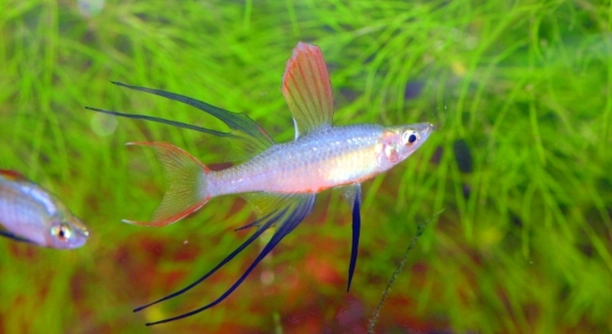
Have you ever brought home a group of Threadfin Rainbowfish only to notice they seem timid or hesitant in their new tank? Adjusting to unfamiliar surroundings can take time, especially for these delicate and graceful freshwater fish.
Threadfin Rainbowfish typically take about one to two weeks to settle into a new environment. During this adjustment period, stable water conditions, proper tank mates, and minimal disturbances are essential to help them feel secure and exhibit natural behavior.
Understanding their settling process can help you create a calm, stable habitat that supports their comfort, color vibrancy, and long-term well-being.
Understanding the Settling Period
When first introduced to a new aquarium, Threadfin Rainbowfish may display shy behavior such as hiding, reduced appetite, or minimal movement. This reaction is normal as they adjust to unfamiliar surroundings and water parameters. Maintaining stable conditions—especially temperature, pH, and lighting—helps ease this transition. They thrive in peaceful environments with soft lighting and gentle filtration. Avoid rearranging tank décor too often, as consistency helps them feel secure. It’s also best to keep noise levels low and limit sudden movements near the tank. Over time, you’ll notice gradual changes—brighter coloration, active swimming, and group schooling—signs they’re comfortable and adapting well. Patience and gentle care are key during this stage.
Once they start exploring more freely and eating regularly, it’s a good indication they’ve settled in. Providing a calm atmosphere during this adjustment period ensures their long-term comfort and reduces stress.
Feeding plays a subtle yet important role during the settling phase. Offering small, easy-to-eat meals like micro pellets, crushed flakes, or live foods such as daphnia helps them regain energy and confidence. Avoid overfeeding early on, as uneaten food can affect water quality and delay their adjustment. Keeping the feeding routine consistent helps establish trust and predictability, allowing them to associate you with nourishment rather than disturbance. In about one to two weeks, most Threadfin Rainbowfish begin showing natural behaviors—displaying fins beautifully and interacting with each other in graceful movements that reveal they finally feel at home.
Creating the Right Environment
A comfortable habitat greatly influences how quickly Threadfin Rainbowfish settle. These fish prefer calm, well-planted aquariums with open swimming areas and gentle water flow. Providing both hiding spots and free space allows them to explore confidently while feeling protected.
Threadfin Rainbowfish thrive best in soft, slightly acidic water with temperatures between 75°F and 82°F. Live plants such as Java fern, hornwort, or water wisteria help create a natural setting and improve oxygen levels. A dark substrate enhances their delicate colors, making them appear more vibrant as they grow comfortable. Keep tank mates peaceful and similar in size to avoid stress or competition. Regular maintenance—such as weekly partial water changes and monitoring ammonia, nitrite, and nitrate levels—keeps their environment healthy and stable. By maintaining these simple yet vital conditions, your Threadfin Rainbowfish will settle faster, display brighter hues, and live a more peaceful, balanced life within their aquatic home.
Common Behaviors During Adjustment
During the first few days, Threadfin Rainbowfish may seem withdrawn, often hiding behind plants or near the tank’s corners. Their colors might appear dull, and they may eat less than usual while adjusting to the new environment. This behavior is temporary and typically improves within a week.
As they grow comfortable, you’ll notice small but reassuring changes. They’ll start exploring the tank more actively, swimming in small groups, and showing curiosity toward their surroundings. Gentle movements, steady lighting, and stable water conditions encourage this progress. It’s normal if they take breaks near the bottom or mid-levels of the tank—these are simply resting habits. Avoid overcrowding and maintain a peaceful environment to prevent stress. By the second week, you’ll likely see more coordinated swimming and brighter coloration, which signals confidence and full adaptation to their new space.
Feeding behavior also evolves during this period. Initially, they may ignore food, but once they feel secure, they begin eating eagerly, often approaching the feeding area as soon as food is introduced. Keep portions small and feed twice daily to prevent excess waste. Observing their feeding patterns can tell you a lot about their comfort level. Healthy Threadfin Rainbowfish show fluid movements, quick reactions, and synchronized feeding behavior, all clear signs that they’ve fully adjusted and established routine comfort in their environment.
Signs of Stress to Watch For
Stress in Threadfin Rainbowfish usually shows through clamped fins, faded colors, or erratic swimming patterns. These signs often appear when tank conditions fluctuate or when they’re housed with overly active or aggressive fish that disturb their sense of safety.
Poor water quality is one of the main causes of stress. Even small imbalances in ammonia or pH can affect their health. If you notice loss of appetite or gasping near the surface, it’s important to check water parameters immediately. Ensuring proper oxygenation, stable temperature, and clean filtration can quickly restore balance. Overcrowding or sudden movements near the tank can also increase anxiety. Providing a consistent feeding schedule, dim lighting, and adequate plant coverage helps reduce stress. Maintaining calm surroundings supports both their health and their naturally graceful swimming behavior.
Helping Them Settle Faster
Keeping the environment consistent plays a big role in helping Threadfin Rainbowfish settle faster. Avoid making sudden changes to lighting, temperature, or décor. Gentle filtration, steady water flow, and regular feeding at the same times each day help build trust and predictability.
Adding floating plants can also make them feel more secure. These plants soften the light and provide shaded areas that mimic their natural habitat. Keep noise around the tank low, and limit frequent activity near it. Stability and calm surroundings help reduce their stress and encourage them to adjust more quickly.
Ideal Tank Companions
Threadfin Rainbowfish do best with peaceful species that won’t outcompete them for food or disturb their calm nature. Good companions include small rasboras, ember tetras, pygmy corydoras, and cherry shrimp. Avoid fin-nippers or overly active fish that can cause tension in the group.
Monitoring Progress
Watch for consistent feeding, brighter coloration, and synchronized group swimming. These behaviors show they’re fully adjusted and thriving. Regular observation helps catch any early signs of stress, ensuring they remain healthy and comfortable in their carefully maintained environment.
FAQ
How long does it take for Threadfin Rainbowfish to feel completely comfortable in a new tank?
Most Threadfin Rainbowfish settle within one to two weeks. During this period, they gradually explore their surroundings, start eating regularly, and show brighter coloration. Consistent water conditions, gentle tank mates, and minimal disturbance are key to helping them adjust efficiently.
What signs indicate that my Threadfin Rainbowfish are stressed?
Stress often shows through clamped fins, faded or dull colors, hiding constantly, or erratic swimming. A sudden drop in appetite or gasping near the surface can also indicate stress. Poor water quality, sudden changes in the environment, or aggressive tank mates are common causes.
Can I speed up the settling process?
Yes, creating a stable environment helps. Keep water parameters consistent, provide hiding spaces with plants or décor, maintain a calm atmosphere, and feed small, regular meals. Avoid sudden changes to lighting, water flow, or tank layout, as these can increase anxiety and delay adjustment.
What type of food should I offer during the adjustment period?
Small, easily digestible foods are best. Crushed flakes, micro pellets, and live foods like daphnia or brine shrimp encourage eating without overloading the tank. Feed twice daily in small portions to prevent uneaten food from affecting water quality, while gradually building their confidence to eat regularly.
Are certain tank mates better for helping Threadfin Rainbowfish settle?
Peaceful species of similar size are ideal. Ember tetras, small rasboras, pygmy corydoras, and cherry shrimp make good companions. Avoid aggressive or fast-moving fish that can outcompete them for food or create stress. A calm social environment supports natural schooling behavior and faster adjustment.
How important is water quality during the settling period?
Water quality is extremely important. Threadfin Rainbowfish are sensitive to ammonia, nitrite, and nitrate levels. Regular monitoring, partial water changes, and stable filtration ensure a healthy environment. Clean water reduces stress and supports proper growth, coloration, and overall well-being during the adjustment phase.
Should I rearrange the tank décor to make them feel more comfortable?
It’s best to keep the tank layout consistent. Sudden changes in décor or plants can stress the fish and slow settling. Only make minor adjustments if absolutely necessary, and allow time for them to re-acclimate to the changes gradually.
How do I know when they are fully settled?
Signs of full adjustment include regular, eager feeding, bright and vibrant colors, fluid swimming, and schooling behavior. They will explore freely, interact calmly with tank mates, and show minimal hiding. Observing these behaviors over several consecutive days confirms that they feel secure and comfortable.
What should I do if they don’t seem to settle?
First, check water quality and stability. Review tank mates and environment for potential stressors. Ensure they have enough hiding spots and a calm atmosphere. Sometimes slow adjustment is normal, but prolonged stress may require consulting an experienced aquarist or adjusting the tank conditions to better match their natural preferences.
Can lighting affect how quickly they settle?
Yes, soft, consistent lighting encourages calm behavior. Bright or fluctuating lights can make them nervous and hide more. Floating plants or shaded areas help diffuse light, making the tank feel safer and aiding in faster adjustment.
Do Threadfin Rainbowfish interact with their owners during settling?
Initially, they may keep their distance and stay near plants or decorations. Over time, they may recognize feeding routines and approach the front of the tank. Regular, gentle observation without sudden movements builds trust while keeping stress low.
Is temperature adjustment necessary during settling?
Maintain a stable temperature between 75°F and 82°F. Sudden fluctuations can cause stress and illness. Gradual changes should be made only when necessary, allowing the fish time to acclimate without disrupting their comfort or behavior.
How can I help them feel secure in a new tank?
Provide hiding spots, maintain stable water parameters, limit disturbances, and use peaceful tank mates. Consistent feeding routines and a calm environment help Threadfin Rainbowfish feel safe and encourage natural swimming and social behaviors.
How often should I monitor them during the first two weeks?
Daily observation is ideal. Watch for feeding behavior, swimming patterns, coloration, and interaction with tank mates. Regular monitoring allows early detection of stress, illness, or adjustment issues, ensuring a smoother settling period.
Are live plants necessary for settling?
Live plants are not strictly required but greatly help. They provide shelter, shade, and mimic a natural environment, reducing stress and encouraging exploration. Floating plants or dense clusters near the edges give them comfort while they acclimate to the tank.
Can they settle if the tank is slightly crowded?
Crowding can increase stress and slow adjustment. Threadfin Rainbowfish prefer space to swim freely and interact calmly with their group. Overcrowding may cause hiding, aggression, or reduced feeding, making proper stocking density essential for a successful settling period.
How do I prevent aggression during the adjustment phase?
Choose peaceful tank mates and maintain ample swimming space. Avoid mixing them with fin-nippers or highly active fish. Plants and décor can provide refuge, while keeping feeding consistent and water stable minimizes competition and tension.
Do they need a specific tank size to settle properly?
A medium to large tank with open swimming areas and shaded hiding spots works best. Providing sufficient space allows natural schooling behavior, reduces stress, and supports gradual acclimation to their new environment.
How long should I wait before introducing new tank mates?
Wait until the Threadfin Rainbowfish are fully settled, usually after two weeks. Introducing new fish too early can cause stress and disrupt adjustment. Gradually adding compatible species ensures a peaceful, stable tank environment.
Can settling issues affect their long-term health?
Yes, prolonged stress can weaken their immune system, reduce appetite, and slow growth. Maintaining a stable environment, proper diet, and peaceful companions ensures they adjust quickly and remain healthy over time.
What is the best way to encourage natural behavior during settling?
Stable water, consistent feeding, calm surroundings, and adequate hiding spots allow them to swim, school, and explore naturally. Minimal disturbances and peaceful tank mates reinforce confidence and help establish normal routines.
Are there any supplements or additives that help during settling?
Routine water conditioners to remove chlorine and detoxify heavy metals help, but avoid overusing supplements. A healthy diet and stable environment are far more important for reducing stress and encouraging natural behavior during the adjustment period.
Can temperature fluctuations slow down the settling process?
Yes, even minor temperature changes can cause hesitation, hiding, or reduced appetite. Keeping the tank consistently warm within the 75°F–82°F range is crucial to ensure smooth acclimation. Gradual changes are preferable when adjustments are necessary.
Do young and adult Threadfin Rainbowfish settle differently?
Juveniles may adjust more quickly because they are more adaptable, while adults can be cautious and require more time. Both benefit from stable water, calm tank mates, and hiding areas, but adults may take extra days to show full confidence.
How do I maintain their color during settling?
A nutritious diet, stable water, and calm surroundings are key. Bright colors return gradually as they feel secure. Overstressed or ill fish often display dull coloration, so patience and proper care ensure they regain their natural vibrancy.
What should I avoid during the settling period?
Avoid sudden tank rearrangements, aggressive tank mates, rapid water changes, overfeeding, and fluctuating temperatures. Any of these factors can stress the fish, delay adjustment, and impact long-term health. Consistency and calmness are essential.
Is schooling behavior important for their adjustment?
Yes, schooling provides security and reduces stress. Observing coordinated swimming indicates comfort, while isolation or erratic movement may signal stress or fear. Ensuring enough space and compatible companions supports natural group behavior.
How can I tell if they’re fully comfortable with their environment?
Bright colors, regular feeding, smooth swimming, and active schooling all indicate comfort. They explore the tank confidently, interact peacefully with tank mates, and spend minimal time hiding. These signs confirm successful adjustment and well-being.
What role does light play in their settling?
Consistent, soft lighting helps them feel safe. Harsh or fluctuating lights can cause hiding or stress. Floating plants or shaded areas create gentle light diffusion, encouraging calm and natural behavior.
Do I need to adjust the feeding schedule during settling?
Keep a predictable schedule with small portions twice daily. Consistency builds trust and encourages regular eating without affecting water quality. Overfeeding or irregular timing can cause stress and disrupt adjustment.
Are there any long-term benefits to helping them settle properly?
Yes, fully adjusted Threadfin Rainbowfish display better coloration, healthier growth, stable behavior, and improved immunity. A calm, supportive environment early on sets the foundation for a long, vibrant life in the aquarium.
How often should I test water parameters during settling?
Check daily during the first week, then at least twice weekly afterward. Monitoring ammonia, nitrite, nitrate, pH, and temperature ensures a stable environment that supports health and reduces stress during acclimation.
Can Threadfin Rainbowfish recover if they experience stress during settling?
Yes, if issues are addressed quickly. Correcting water quality, reducing disturbances, providing hiding spots, and feeding properly can restore comfort. Recovery may take several days, but attentive care usually results in full adjustment and return to normal behavior.
How do I know if the tank environment is ideal?
Stable water parameters, peaceful tank mates, consistent feeding, and observation of natural swimming, schooling, and bright coloration indicate a suitable environment. Adjustments are rarely needed once fish consistently display confident, healthy behavior.
Are there any specific behaviors to encourage bonding within the group?
Providing space, plants, and calm surroundings encourages schooling and interaction. Shared feeding times help them feel secure together. Over time, coordinated movements and group exploration show strong social comfort and cohesion within the tank.
What is the most common mistake during the settling period?
The most common mistake is overhandling or making frequent changes to the tank. Sudden shifts in environment, décor, or lighting can prolong stress and slow the adjustment process. Patience, consistency, and a calm approach are more effective than constant intervention.
How long should I wait to consider introducing additional fish?
Wait until the original group is fully settled, usually two weeks. Introducing new fish too early can disrupt behavior and cause stress, while waiting ensures a stable and harmonious tank environment for all inhabitants.
Can Threadfin Rainbowfish adjust to a tank without plants?
They can, but plants provide shade, hiding spaces, and mimic a natural habitat, which reduces stress. Without plants, extra care is needed to ensure calm surroundings and sufficient hiding areas through décor or tank layout.
Is it normal for them to hide a lot at first?
Yes, hiding is a natural response to a new environment. They often remain near plants, rocks, or tank corners initially. Over time, as they feel safe, they gradually explore and show active swimming and schooling behaviors.
Does tank size affect settling time?
Larger tanks with open swimming space and adequate hiding spots generally promote faster settling. Crowded or small tanks can increase stress, limit movement, and slow the adjustment process, making size an important factor for comfort.
How can I encourage activity during the settling phase?
Consistent water flow, gentle filtration, and predictable feeding routines encourage movement. Providing space to swim and shaded areas for security allows them to explore confidently, gradually increasing activity and interaction with their environment.
Are Threadfin Rainbowfish sensitive to sudden noises?
Yes, loud or sudden sounds can startle them, causing stress or hiding. Keeping the area around the tank quiet and avoiding abrupt disturbances helps maintain calm and supports faster adjustment.
Do they ever refuse to eat during settling?
Some may temporarily refuse food due to stress or new surroundings. Offering small, frequent meals of easily digestible food and maintaining a calm environment usually encourages them to resume eating within a few days.
How important is tank maintenance during this time?
Regular maintenance, including partial water changes, monitoring parameters, and cleaning the filter, is crucial. Stable, clean water supports health, reduces stress, and ensures a smoother, faster settling period for Threadfin Rainbowfish.
Can adult fish adapt as easily as juveniles?
Adults may take longer to settle because they are less adaptable than juveniles. However, with stable conditions, calm companions, and a peaceful environment, adults can adjust successfully, though patience is key during the process.
Should I rearrange decorations after they’ve settled?
Minimize rearranging even after settling. Sudden changes can trigger stress and hiding. Only adjust gradually if necessary, allowing them to re-acclimate slowly to maintain comfort and stable behavior.
Is schooling essential for their health during settling?
Yes, schooling provides a sense of security, reduces stress, and encourages natural behavior. Observing synchronized movement and group interaction indicates comfort and proper adjustment to the tank environment.
What is the best way to support their immune system during adjustment?
Stable water conditions, nutritious diet, calm surroundings, and minimal stress all support a strong immune system. Avoid introducing potential pathogens or abrupt environmental changes to reduce illness risk during the settling period.
Do they respond differently to live versus frozen food?
Live food often encourages feeding and exploration, boosting confidence early on. Frozen or prepared foods can work as well but may take longer to attract attention. Consistent feeding routines ensure they receive balanced nutrition regardless of food type.
How do I know if the tank is too stressful?
Signs include constant hiding, clamped fins, faded colors, erratic swimming, and refusal to eat. Identifying and correcting stressors like water quality issues, aggressive tank mates, or environmental changes helps restore comfort quickly.
Is partial water changing better than full water changing during settling?
Yes, partial water changes maintain stability while removing waste. Full changes can shock sensitive fish, altering temperature and water chemistry, and may prolong the settling period. Regular, small water changes are safer and more effective.
Can they settle if the tank has a strong current?
Strong currents can stress them, making hiding and erratic swimming more common. Gentle filtration and moderate water flow create a calm environment that supports exploration, schooling, and natural behavior during the adjustment period.
Do temperature swings affect feeding behavior?
Yes, sudden changes in temperature can reduce appetite and slow digestion. Maintaining a consistent temperature encourages regular feeding and supports healthy growth and adaptation to the new environment.
Are floating plants necessary for all tanks?
Floating plants aren’t required but provide shaded areas and reduce stress. They mimic natural habitats, giving Threadfin Rainbowfish a sense of security while helping them acclimate comfortably to their surroundings.
How long should I observe their behavior daily?
Daily observation for 10–15 minutes is sufficient. Watch feeding, swimming patterns, schooling behavior, and coloration. Regular monitoring ensures early detection of stress, illness, or environmental issues, supporting successful settling and long-term health.
Can they settle in a community tank?
Yes, if tank mates are peaceful and water conditions are stable. Avoid aggressive species and ensure enough swimming space and hiding spots. A calm, balanced community tank supports faster adjustment and natural behavior.
Is stress during settling reversible?
Yes, most stress responses are temporary. Correcting water quality, minimizing disturbances, and providing hiding spots usually restores comfort. Recovery may take several days, but careful management ensures a smooth transition to normal behavior.
Do they need special lighting schedules during settling?
A consistent day-night cycle with soft lighting helps reduce stress. Avoid sudden bright lights or irregular schedules, which can cause hiding or erratic behavior. Gradual transitions support calmness and natural activity.
Can they settle faster with more space?
Yes, ample swimming areas reduce stress and encourage natural schooling. Overcrowding limits movement, increases tension, and slows adjustment. Providing a roomy environment ensures comfort and supports healthy behavior during the settling phase.
What’s the best way to reduce hiding behavior?
Provide shaded areas, consistent feeding, and calm surroundings. Avoid sudden movements and bright lights. Gradual exploration and gentle observation encourage confidence and minimize excessive hiding, leading to a smoother adjustment.
Is monitoring water chemistry daily necessary?
During the first week, daily checks are recommended. After that, twice-weekly monitoring is sufficient if parameters remain stable. Consistent water quality prevents stress, supports feeding, and encourages natural swimming and schooling behavior.
How long until their colors fully return?
Colors usually brighten within one to two weeks as they feel secure and eat regularly. Patience and stable conditions are essential, as stress or poor water quality can delay color recovery.
Do they prefer a planted tank during settling?
Planted tanks provide shade, hiding spaces, and a natural feel, reducing stress and encouraging exploration. While not strictly necessary, plants significantly improve comfort and adaptation during the adjustment period.
Can Threadfin Rainbowfish settle alone or do they need a group?
They are schooling fish and feel most secure in groups of at least six. Isolation can increase stress, reduce feeding, and slow adjustment. A small, peaceful group encourages confidence and natural behavior.
Are they sensitive to sudden human movement nearby?
Yes, abrupt movements can startle them, leading to hiding or stress. Calm observation and minimal disturbance around the tank help maintain comfort and support a faster, smoother settling process.
Is water hardness important during settling?
Moderate softness is preferred, but stability matters more than exact hardness. Sudden changes in hardness can stress the fish, so maintaining consistent parameters supports smooth adjustment and reduces hiding or erratic behavior.
How do I know if they’ve fully adapted socially?
They will swim in coordinated groups, feed together without hesitation, and interact peacefully. These behaviors indicate confidence and comfort, confirming they’ve successfully settled in both the environment and their social group.
Should I introduce new decorations during the settling period?
It’s best to avoid it. Sudden changes can cause hiding, stress, or aggression. Any necessary additions should be introduced gradually, allowing the fish to acclimate without disrupting established comfort and behavior.
Can they tolerate minor fluctuations in pH?
Slight, gradual fluctuations are usually tolerated, but large or rapid changes can stress them. Stable water chemistry is more important than exact values during the settling phase, ensuring comfort and proper adaptation.
Do they require hiding spots at all times?
Yes, accessible hiding spots provide security and reduce stress. Even after settling, plants, caves, or décor offer optional refuge, helping maintain confidence, calm behavior, and overall well-being.
How long until they start schooling regularly?
Most begin schooling within a week if comfortable and unstressed. Synchronized swimming indicates social confidence and adjustment. Ensuring peaceful companions and adequate space encourages natural group behavior.
Are there any foods to avoid during settling?
Avoid large or hard foods that are difficult to eat, as well as overfeeding, which can harm water quality. Stick to small, easily digestible pellets, flakes, or live foods for smooth adjustment and health.
What should I do if one fish remains stressed longer than the others?
Check
Threadfin Rainbowfish are delicate and graceful fish that require patience and attention when adjusting to a new environment. Their initial days in a new tank may involve hiding, reduced appetite, or cautious swimming, which is a normal response to change. By maintaining stable water conditions, providing gentle filtration, and keeping a calm atmosphere, you can help them feel secure and begin exploring their surroundings. Consistency in feeding, lighting, and tank décor also plays a crucial role in supporting their comfort. Observing these behaviors and responding appropriately ensures that they gradually become confident and active, which is essential for their health and overall well-being.
Creating a supportive environment goes beyond just water parameters. Providing adequate hiding spots with plants, rocks, or décor allows Threadfin Rainbowfish to feel protected while adjusting. Peaceful tank mates of similar size reduce stress and encourage natural schooling behavior. Avoiding sudden movements, bright lights, or loud noises further helps them feel safe. Over the course of one to two weeks, most Threadfin Rainbowfish begin showing signs of adaptation, including brighter coloration, fluid swimming, and eagerness to feed. Paying attention to these subtle changes not only indicates progress but also guides adjustments in care, such as fine-tuning feeding schedules or ensuring stable water quality.
Patience and consistent care are key to helping Threadfin Rainbowfish settle successfully. Attempting to rush their adjustment with frequent interventions or rapid changes can cause stress and prolong the settling period. Monitoring their behavior daily and maintaining proper tank maintenance ensures they remain healthy and comfortable. Once fully settled, they will display their natural beauty, socialize with their group, and demonstrate regular feeding patterns, which are clear signs of well-being. By focusing on creating a stable, calm, and predictable environment, you provide the foundation for Threadfin Rainbowfish to thrive over the long term. Consistency, attention, and understanding their natural behavior allow them to grow into active, confident, and visually striking members of the aquarium.

Hello,
If you enjoy the content that we create, please consider saying a "Thank You!" by leaving a tip.
Every little bit helps us continue crafting quality advice that supports the health, happiness, and well-being of pets around the world, for pets of all shapes, sizes, and species.
We really appreciate the kindness and support that you show us!