
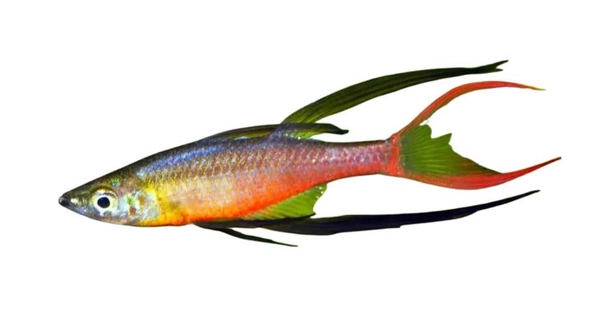
Adding new fish to an established tank can feel exciting yet challenging. Threadfins are delicate and require careful introduction. Their behavior and adaptation to a new environment often take time and observation from the aquarist.
When threadfins are first added to a tank, they typically exhibit cautious swimming patterns and may hide frequently. They adjust slowly to water conditions, feeding routines, and the presence of other fish, making gradual observation crucial for their wellbeing.
Proper acclimation ensures threadfins settle comfortably, helping maintain overall tank harmony and health while preventing stress-related issues.
Initial Behavior and Adjustment
When threadfins are first introduced to a tank, their movements are often cautious and reserved. They may stay close to corners or decorations, avoiding open water. Some may hover near the surface, while others explore slowly along the bottom. During this period, they are sensitive to water currents, lighting, and the presence of other fish. Rapid changes in temperature or pH can cause stress, making it important to monitor water conditions closely. Feeding can be irregular at first, as threadfins take time to recognize the offered food. Providing small, frequent meals helps them adjust without overfeeding the tank. Observing their interactions with tank mates is equally important. Aggressive or territorial fish may intimidate them, so temporary separation or rearranging decorations can reduce conflict. Over time, their behavior stabilizes, showing more confident swimming, routine feeding, and exploration. Patience is key, as threadfins gradually adapt to the new environment.
Threadfins may hide for several days, but consistent care encourages them to explore confidently.
Maintaining a calm environment and avoiding sudden disturbances supports their adjustment. Proper lighting, gentle filtration, and hiding spaces allow threadfins to feel secure. Watching subtle changes in behavior can indicate stress or acceptance. Once comfortable, they begin swimming more freely, feeding consistently, and interacting with tank mates.
Feeding Patterns and Nutrition
Threadfins often eat less at first. They need time to recognize new food and adapt to feeding schedules.
Introducing a varied diet gradually is crucial. Live, frozen, and high-quality prepared foods encourage natural feeding behavior. Overfeeding can lead to water quality issues, while underfeeding slows growth and weakens the fish. Offering food at consistent times helps establish routine and reduces stress. Observing which foods they prefer allows better nutritional planning. Some threadfins may show hesitation toward sinking foods, while others adapt quickly to flakes or pellets. Incorporating occasional live or frozen options stimulates natural hunting instincts, keeping them active. Monitoring leftover food helps maintain tank cleanliness and prevents the growth of harmful bacteria. Ensuring proper water circulation and filtration supports digestion and overall health. Over several weeks, most threadfins settle into predictable eating patterns, showing healthy appetite and energy levels. By providing balanced nutrition and consistent feeding, you create conditions for strong growth and long-term vitality. Adjustments may be needed based on individual preferences and tank dynamics.
Tank Environment and Compatibility
Threadfins thrive in tanks with stable water conditions, gentle currents, and plenty of hiding spots. They do best with non-aggressive tank mates and open swimming areas. Decorations like rocks or plants help reduce stress. Proper spacing prevents territorial disputes and encourages natural behavior.
Maintaining water temperature between 75–82°F and pH levels around 6.5–7.5 is important. Sudden changes in temperature or water chemistry can stress threadfins, leading to illness or reduced feeding. Gentle filtration helps maintain oxygenation without creating strong currents that could overwhelm them. Regular water testing and partial water changes support a healthy environment. Avoid overcrowding, as it can trigger aggression or stress, especially with smaller or shy species. Observing interactions with other fish ensures compatibility and helps identify any potential issues early.
Threadfins benefit from a mix of open swimming space and hiding areas. Live plants, driftwood, or smooth rocks provide shelter. Proper lighting, combined with shaded zones, allows them to regulate activity and feel secure.
Health Monitoring and Common Issues
Threadfins may show signs of stress such as clamped fins, rapid gill movement, or reduced appetite. Early observation is key to preventing serious health problems.
Regular monitoring for signs of disease, injury, or unusual behavior helps maintain fish health. Quarantining new fish before introduction can reduce the risk of spreading illness. Maintaining water quality, consistent feeding routines, and avoiding overcrowding are preventive measures. Common health issues include fin rot, swim bladder problems, or parasitic infections, often linked to poor water conditions or stress. Prompt attention to symptoms and consulting reliable care guides ensures better outcomes.
A clean tank and careful observation support long-term health. Minor changes in behavior or appearance often indicate early stress or illness, allowing timely intervention. Providing a stable environment, balanced diet, and proper care reduces the likelihood of disease and encourages threadfins to thrive.
Acclimation Process
Threadfins need slow acclimation to avoid shock from new water conditions. Float the bag in the tank for 15–20 minutes, then gradually mix small amounts of tank water with the bag water every 5–10 minutes.
This process helps them adjust to temperature, pH, and other water parameters. Sudden changes can stress them, making them more susceptible to illness. Using a drip line or slowly pouring tank water into the transport bag encourages smoother adaptation. Observing their behavior during acclimation can indicate stress levels, allowing adjustments. Patience during this stage is essential for a successful introduction and long-term health.
Lighting and Habitat
Threadfins prefer moderate lighting with shaded areas. Bright lights can stress them initially. Use plants or decorations to create safe zones where they can retreat.
Observation and Adjustment
Monitor threadfins closely for the first few days. Look for consistent feeding, swimming patterns, and interactions with tank mates. Adjust placement of decorations or tank mates if signs of stress appear.
Long-Term Care
Consistent water changes, careful feeding, and routine observation are essential. Maintaining stability reduces stress and promotes healthy growth in threadfins.
FAQ
How long does it take for threadfins to adjust to a new tank?
Threadfins usually take several days to a couple of weeks to fully acclimate. During this period, they may hide frequently, swim cautiously, and eat less. Providing hiding spots, gentle filtration, and stable water conditions supports smoother adjustment. Observing their behavior daily helps determine when they feel secure.
What should I feed threadfins during the first week?
Start with small, frequent meals using easily accepted foods such as high-quality flakes, pellets, or small live and frozen options. Avoid overfeeding, as uneaten food can pollute the tank. Gradually introduce a variety of foods to encourage normal feeding behavior and ensure proper nutrition.
Can threadfins be kept with other fish?
Yes, but they do best with peaceful, non-aggressive species. Avoid large or territorial fish that could intimidate or harm them. Adding plenty of open swimming space and hiding spots minimizes conflicts and helps maintain harmony in the tank.
How do I know if my threadfins are stressed?
Signs of stress include clamped fins, erratic swimming, hiding excessively, rapid gill movement, and reduced appetite. Early detection allows you to adjust tank conditions, reduce disturbances, or separate them temporarily to prevent illness.
How often should I change the water?
Perform partial water changes of 20–25% weekly. This helps maintain stable water parameters, reduces toxins, and supports overall health. Regular monitoring of pH, temperature, and ammonia levels ensures the tank environment remains safe for threadfins.
Are threadfins sensitive to lighting?
Yes, bright lights can make them nervous at first. Provide shaded areas or decorations to create shelter. Moderate, consistent lighting helps them adjust and feel secure, while allowing them to explore the tank comfortably.
Do threadfins need special decorations or substrates?
Smooth rocks, driftwood, and live or artificial plants provide hiding spaces and reduce stress. A soft substrate like sand or fine gravel is ideal to prevent injuries. Avoid sharp or rough surfaces that could damage their delicate fins.
How can I prevent common health issues?
Maintaining stable water conditions, consistent feeding, and proper acclimation reduces the risk of illness. Quarantining new fish, monitoring behavior, and addressing early signs of stress or disease promptly are key to preventing common problems like fin rot or parasitic infections.
Will threadfins eat everything offered?
Not immediately. Some may be hesitant at first. Offering a variety of foods and observing preferences helps ensure balanced nutrition. Over time, most threadfins develop a reliable feeding pattern and accept a wide range of appropriate foods.
How do I encourage natural behavior?
Providing open swimming areas, shaded retreats, and occasional live or frozen foods stimulates natural hunting and exploration behaviors. Minimal disturbances and a consistent routine help threadfins feel secure and active.
Is it necessary to monitor tank mates closely?
Yes, interactions with other fish impact threadfins’ comfort and health. Observing behavior ensures peaceful coexistence, allowing interventions like rearranging decorations or temporary separation if stress appears.
How quickly do threadfins grow in a new tank?
Growth rates vary based on diet, water quality, and stress levels. Consistent feeding, stable water conditions, and low-stress environments promote steady, healthy growth over time.
Can threadfins tolerate minor water fluctuations?
They are moderately sensitive. Sudden temperature or pH changes can cause stress. Gradual adjustments during maintenance or acclimation reduce risks and support overall health.
What is the best way to introduce multiple threadfins?
Introduce them together if possible, or stagger introductions with careful observation. Ensure enough hiding spots and swimming space to minimize territorial disputes and allow them to adapt comfortably.
How do I know when threadfins are fully comfortable?
They swim confidently in open areas, feed regularly, interact calmly with tank mates, and no longer hide excessively. Consistent behavior over several days indicates successful acclimation and a secure environment.
This FAQ provides essential guidance for anyone adding threadfins to a tank. Careful observation, stable conditions, and consistent feeding routines ensure they settle well and thrive in their new environment.
Word count: 528
Final Thoughts
Introducing threadfins to a tank requires patience, careful planning, and consistent care. These fish are delicate and respond strongly to changes in their environment. Proper acclimation is crucial for minimizing stress, and it should never be rushed. Floating the transport bag, gradually mixing tank water, and observing behavior during the first hours ensures that threadfins adjust safely. Even after introduction, they may hide or swim cautiously for several days. Providing plenty of hiding spots, smooth decorations, and shaded areas allows them to feel secure. Observing their movements and interactions helps you understand when they are beginning to settle. A calm, stable environment reduces the likelihood of stress-related illnesses and encourages natural behaviors such as exploration and feeding. Maintaining patience during these early days is one of the most important steps for long-term success.
Feeding threadfins properly during the first few weeks is equally important. They may eat less initially as they become familiar with their new surroundings. Offering small, frequent meals using a variety of foods such as high-quality flakes, pellets, and occasional live or frozen options helps them adapt. Overfeeding should be avoided because leftover food can pollute the tank, leading to water quality issues that could harm the fish. Observing their preferences and adjusting the diet gradually encourages consistent eating habits. Regular feeding schedules help threadfins feel secure and reinforce normal behavior. Nutrition impacts growth, energy levels, and overall health, so it is important to remain consistent while also being attentive to their responses. Over time, most threadfins establish predictable feeding patterns, making it easier to provide balanced care.
Long-term care focuses on maintaining stable water conditions, monitoring health, and ensuring compatibility with tank mates. Threadfins are sensitive to sudden changes in temperature, pH, or lighting, so gradual adjustments are essential. Keeping the tank clean through regular partial water changes and careful filtration helps reduce stress and prevents disease. Observing fish daily allows you to notice early signs of illness, such as clamped fins, reduced appetite, or unusual swimming patterns. Addressing minor issues early prevents more serious health problems. Providing an environment with open swimming areas, shaded retreats, and appropriate tank mates promotes natural behavior and reduces stress. Consistency in care routines, including feeding, water maintenance, and observation, creates conditions for threadfins to thrive. With attention, patience, and proper setup, these fish can adapt well to a tank, exhibit healthy behavior, and become a stable part of a peaceful aquarium community.
Word count: 409

Hello,
If you enjoy the content that we create, please consider saying a "Thank You!" by leaving a tip.
Every little bit helps us continue crafting quality advice that supports the health, happiness, and well-being of pets around the world, for pets of all shapes, sizes, and species.
We really appreciate the kindness and support that you show us!