
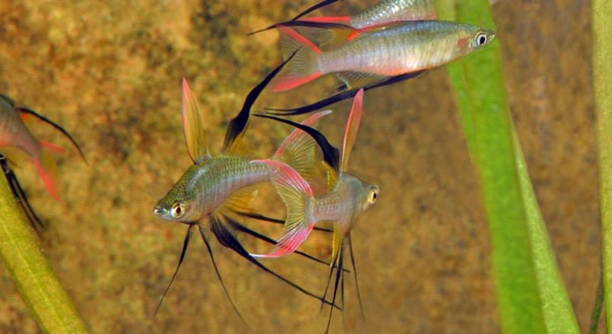
Threadfins are fascinating fish that often choose their habitats carefully. Their movements are influenced by many factors, including water conditions, food availability, and the presence of predators. Understanding these choices can reveal much about their behavior.
Threadfins may avoid specific areas due to unsuitable environmental conditions. Factors such as water temperature, salinity, pollution, and lack of food sources directly influence their distribution. Additionally, human activities and predator presence can further discourage threadfins from settling in certain zones.
Examining these influences will provide insight into their behavior, helping anglers and researchers better understand the factors affecting threadfin distribution.
Water Temperature and Its Impact
Threadfins are sensitive to changes in water temperature, which can affect their feeding, movement, and overall health. They thrive in moderate ranges and may avoid areas that are too warm or too cold. Sudden temperature shifts can also stress them, reducing activity and making them more vulnerable to disease. Shallow waters tend to heat faster, while deeper zones remain cooler, creating a natural selection for areas that meet their comfort range. Seasonal changes, such as summer heat or winter chill, often influence their location patterns. Additionally, temperature affects the availability of prey, as smaller fish and crustaceans also have preferred ranges. A lack of suitable temperatures can cause threadfins to relocate to more stable environments, often leading them to aggregate in zones with optimal conditions. Monitoring temperature trends in local waters can help explain why threadfins suddenly appear or vanish in certain areas over time.
Temperature plays a major role in threadfin movement, often determining where they feed, rest, and reproduce effectively.
Temperature shifts can cause threadfins to move frequently. By observing these patterns, anglers and researchers can predict their preferred zones and better understand their behavior.
Salinity Levels Affect Habitat Choice
Threadfins avoid areas where salinity levels are inconsistent or extreme. They prefer stable, moderate salinity that supports both their survival and the growth of their prey. Sudden changes, like freshwater influx from rainfall or tidal shifts, can drive them away temporarily.
High or low salinity disrupts their osmoregulation, making it harder for their bodies to maintain the proper balance of salts and fluids. In areas with stable salinity, threadfins are more active, feeding efficiently and reproducing successfully. Conversely, estuaries with fluctuating salt levels often see reduced threadfin presence. Over time, this can influence population distribution, as fish favor environments that consistently meet their physiological needs. Managing salinity in aquaculture or monitoring estuarine conditions in the wild helps researchers track movements and understand their patterns. Knowing how salinity interacts with other factors, like temperature and prey availability, provides a clearer picture of why threadfins may avoid certain regions altogether. This information is crucial for both conservation and local fishing practices, ensuring that these fish remain healthy and accessible.
Pollution and Contaminants
Threadfins tend to avoid waters with high pollution levels. Chemicals, heavy metals, and oil residues make areas unsuitable for feeding and breeding. Contaminated waters can also reduce the availability of healthy prey.
Pollution has a direct impact on threadfin health. Toxic substances accumulate in their bodies, weakening immune systems and making them more vulnerable to disease. Industrial runoff, sewage, and agricultural waste all contribute to degraded water quality. When prey species are affected by pollutants, threadfins often relocate to cleaner zones. This movement is not always permanent, but repeated exposure can significantly reduce population density in certain areas. Monitoring water quality can help predict these avoidance patterns.
Even low-level contamination affects reproduction. Eggs and larvae are particularly sensitive to chemical imbalances, causing lower survival rates. Adult fish may move elsewhere to protect offspring, leaving once-popular feeding grounds largely empty. Avoiding polluted waters ensures threadfins maintain healthy populations and continue their natural behaviors.
Predators and Competition
Threadfins often steer clear of regions with high predator activity. Large predatory fish or birds can make feeding and resting risky.
Predator presence influences where threadfins feel safe. Areas with dense cover or natural shelters provide refuge, while open zones with heavy predator activity see fewer threadfins. Competition with other fish for food also plays a role, as aggressive species can limit access to prey. Threadfins adjust their patterns to balance feeding opportunities with safety.
Understanding these dynamics helps explain local population shifts. When predators increase or competing species dominate a region, threadfins relocate to minimize risk and maintain energy efficiency. This behavior ensures survival and allows them to continue reproducing successfully, even in changing environments.
Lack of Food Sources
Threadfins avoid areas where prey is scarce. Small fish, crustaceans, and other invertebrates are essential for their diet, and limited availability can drive them elsewhere.
Without sufficient food, threadfins cannot maintain energy for growth, reproduction, or migration. They move to zones where feeding is consistent and reliable, ensuring survival and maintaining population stability.
Water Flow and Currents
Strong currents or stagnant water can affect threadfin presence. They prefer moderate flow that aids feeding but does not require excessive energy to navigate.
Water movement shapes their activity patterns. Currents influence where prey gathers and determine resting areas. Threadfins adjust locations based on these conditions to maximize feeding efficiency while minimizing energy use, which is essential for survival and healthy populations.
Human Disturbance
Frequent boating, fishing, or coastal development can scare threadfins away. They prefer quieter, less-trafficked waters where natural behavior is not disrupted.
FAQ
Why do threadfins avoid areas with sudden temperature changes?
Threadfins are sensitive to water temperature. Sudden shifts can stress their bodies, reduce feeding, and make them more vulnerable to disease. They move to regions with stable temperatures that support both their activity and the presence of prey. Seasonal variations can also influence these movements.
How does salinity affect threadfin distribution?
Salinity directly impacts threadfin health. Extremes or fluctuations disrupt their ability to maintain fluid and salt balance. Areas with stable, moderate salinity allow them to feed and reproduce efficiently. Estuaries or rivers with rapidly changing salt levels are often avoided until conditions stabilize.
Can pollution permanently drive threadfins away?
Pollution harms threadfins by contaminating food sources and weakening immune systems. While short-term exposure may cause temporary relocation, long-term contamination can reduce population density in affected areas. Clean waters with sufficient prey encourage threadfins to return and thrive.
Do predators significantly change where threadfins live?
Yes. Threadfins avoid zones with heavy predator activity to reduce risk. They seek shelter in areas with cover or lower predator density. Competition with other species for food also affects movement patterns, ensuring they feed safely while conserving energy.
Why do threadfins leave areas with weak or strong currents?
Threadfins prefer moderate currents that facilitate feeding without expending excessive energy. Stagnant water reduces prey availability, while overly strong currents make swimming and feeding difficult. Adjusting their location helps maintain energy balance and ensures access to sufficient food.
Does human activity impact threadfin behavior?
Frequent boating, fishing, or coastal construction can disturb threadfins. Loud noises and vibrations cause stress, prompting them to move to quieter waters. Minimizing disruptions in key habitats helps threadfins maintain natural feeding, resting, and breeding behaviors.
How does food scarcity influence their movement?
Threadfins rely on small fish, crustaceans, and invertebrates. When prey is limited, they relocate to areas where feeding is consistent. This behavior is essential for growth, reproduction, and energy maintenance. Lack of food in one area can explain sudden absences or population declines.
Can threadfins adapt to changing environmental conditions?
Threadfins show some adaptability, moving between areas to find optimal temperature, salinity, and prey. However, extreme or rapid environmental changes can overwhelm their capacity to adjust, causing stress or population reduction. Monitoring these factors helps predict their preferred habitats.
Why do threadfins sometimes return after avoiding an area?
When environmental conditions improve, such as stabilized temperature, clean water, or restored prey populations, threadfins often return. Their movements are largely driven by survival needs, balancing food, safety, and suitable habitat conditions.
How can understanding these factors benefit fishing or research?
Knowing why threadfins avoid certain areas allows for better prediction of their locations. Researchers can track population health, while anglers can focus on zones with stable conditions, abundant food, and minimal disturbance. This knowledge supports sustainable practices and conservation efforts.
Are there seasonal patterns in their avoidance behavior?
Yes. Seasonal changes in temperature, salinity, and prey availability often dictate movement. Threadfins migrate to areas with favorable conditions, returning when seasons stabilize. Understanding these patterns helps explain temporary absences in familiar habitats.
What role does habitat complexity play?
Areas with natural shelters, like submerged vegetation or rocky structures, are preferred because they offer protection from predators. Open or simplified habitats are often avoided, even if food is available, emphasizing the importance of safe, structured environments.
Can multiple factors combine to drive threadfins away?
Absolutely. Temperature, salinity, pollution, predator presence, currents, and human disturbance can interact, amplifying avoidance behavior. Observing a combination of these factors provides a more complete understanding of why threadfins relocate from specific areas.
How long can threadfins stay away from a previously inhabited area?
The duration depends on how quickly conditions improve. Some relocate temporarily for days or weeks, while chronic issues like long-term pollution or persistent predators may keep them away for months or permanently.
What can be done to make an area more inviting for threadfins?
Maintaining stable temperature and salinity, reducing pollution, minimizing human disturbance, and supporting healthy prey populations encourage threadfins to inhabit a zone. Natural shelters and moderate currents further enhance suitability. Sustainable management ensures these fish can thrive over time.
Are younger threadfins more sensitive to environmental changes?
Yes. Juveniles are particularly vulnerable to temperature shifts, salinity changes, and low prey availability. They rely on safe, consistent habitats for growth, making them more likely to relocate when conditions are unfavorable.
Do threadfins communicate danger to each other?
Indirectly. While they don’t vocalize, sudden movements or fleeing behavior signal threats, influencing group relocation. Schooling behavior helps them collectively avoid predators or unsuitable conditions.
How can researchers track threadfin avoidance patterns?
Tagging, sonar monitoring, and environmental assessments help track movements. Recording water quality, temperature, salinity, and human activity alongside fish locations allows for detailed understanding of avoidance behaviors.
Why is monitoring threadfin behavior important?
Monitoring ensures healthy populations, informs sustainable fishing practices, and guides habitat protection efforts. Understanding their responses to environmental changes helps predict population trends and supports conservation measures for long-term survival.
What should anglers know about threadfin patterns?
Recognizing the influence of temperature, salinity, food, currents, predators, and human activity helps anglers target areas where threadfins are more likely to feed safely. Awareness of these factors promotes ethical fishing and reduces unnecessary disturbance to their habitats.
Can threadfins coexist with other species without relocating?
They can coexist if food and shelter are sufficient. Intense competition or aggressive species may force them to move, but balanced ecosystems with diverse prey and adequate cover allow multiple species to thrive together without significant displacement.
How quickly do threadfins respond to environmental changes?
Responses can be immediate, especially to predators or sudden temperature shifts. Other factors like slow salinity changes or gradual pollution buildup may take longer to influence movement, depending on severity and frequency of the stressor.
Do threadfins show loyalty to certain areas?
They tend to return to familiar habitats if conditions remain favorable. However, survival needs override loyalty, and they will relocate when environmental or safety conditions change. Consistent, suitable environments encourage repeated use of the same zones.
How do seasonal prey movements affect threadfins?
Threadfins often follow the seasonal availability of small fish and crustaceans. Changes in prey populations due to breeding, migration, or environmental conditions prompt threadfins to adjust locations, ensuring access to sufficient food throughout the year.
Can artificial habitats attract threadfins?
Yes. Structures like submerged reefs, fish attractors, or artificial vegetation can provide shelter and encourage prey aggregation, making areas more attractive. These measures can offset natural habitat loss and support healthy populations in managed zones.
Are there signs that threadfins are avoiding an area?
Reduced sightings, lower catches, or sudden disappearance of schools often indicate avoidance. Observing prey availability, water quality, and predator activity can help confirm why threadfins may have moved elsewhere.
How do researchers separate natural avoidance from human impact?
By monitoring control areas with minimal human activity and comparing with impacted zones, researchers can distinguish between natural environmental preferences and avoidance due to pollution, boating, or development. This comparison helps inform effective management strategies.
Do threadfins ever return to risky areas?
They may return if conditions improve and the benefits, like abundant food or shelter, outweigh the risks. Their decisions balance safety, energy efficiency, and reproductive needs, ensuring they make choices that optimize survival.
How can coastal management support threadfin populations?
Maintaining water quality, regulating fishing, controlling pollution, and preserving natural habitats help keep threadfins healthy. Thoughtful coastal planning ensures stable environments, encouraging fish to remain in or return to previously avoided areas.
What is the most common reason threadfins move away?
While multiple factors play roles, a combination of unsuitable water conditions and limited prey is often the primary driver. Predators and human activity further reinforce avoidance, making environmental monitoring essential to understanding distribution patterns.
Are there differences in avoidance behavior between juvenile and adult threadfins?
Juveniles are more sensitive to environmental stressors and may relocate more frequently. Adults have stronger swimming abilities and experience but will still leave areas with extreme conditions or high predation pressure to ensure survival.
Do threadfins ever tolerate suboptimal conditions?
Yes, if conditions are temporarily unfavorable but manageable, they may stay to conserve energy or maintain proximity to essential resources. Persistent poor conditions, however, eventually lead to relocation.
How do tides affect threadfin movements?
Tidal changes influence water depth, currents, and prey availability. Threadfins often adjust locations based on tidal cycles, seeking areas where feeding is efficient and energy expenditure is minimized. Timing and height of tides can significantly impact their distribution.
Can climate change alter threadfin avoidance patterns?
Long-term shifts in temperature, salinity, and prey populations can change habitual areas. Threadfins may move to new regions or alter seasonal patterns as environmental conditions evolve, highlighting the importance of monitoring climate impacts on coastal ecosystems.
Is it possible to predict where threadfins will go next?
By analyzing water quality, prey abundance, predator activity, and seasonal patterns, researchers and anglers can make educated predictions about likely threadfin locations. While not exact, these insights improve understanding of their behavior and movement trends.
Do threadfins ever adapt to polluted areas?
Some may tolerate mild pollution temporarily, but prolonged exposure reduces health, reproduction, and survival. Clean, balanced ecosystems remain essential for sustainable populations, as adaptation to heavily polluted zones is limited.
How does schooling behavior influence avoidance?
Threadfins often move in groups. When one or a few detect danger or poor conditions, the entire school may relocate. This collective response increases survival chances and ensures coordinated feeding and movement patterns.
Are certain threadfin species more sensitive than others?
Sensitivity varies by species, size, and age. Some species tolerate broader ranges of temperature or salinity, while others require stable, specific conditions. Understanding species-specific needs is essential for managing habitats effectively.
Can artificial feeding areas help retain threadfins?
Providing consistent, safe food sources can encourage threadfins to remain in an area, especially if natural prey is scarce. However, food alone cannot offset extreme environmental stressors or high predation risk.
Do threadfins prefer shallow or deeper waters?
They often favor moderate depths where food is abundant and shelter is available. Shallow areas may heat quickly or expose them to predators, while very deep waters can limit prey availability, influencing avoidance behavior.
How does spawning season affect avoidance?
During spawning, threadfins seek safe, suitable habitats for egg laying and juvenile growth. Areas that cannot support these needs are temporarily or permanently avoided to ensure reproductive success.
What monitoring tools are most effective?
Tagging, sonar, and environmental sensors help track movements and habitat conditions. Combining these methods provides a comprehensive view of avoidance patterns, helping researchers and managers make informed decisions.
How important is prey diversity for threadfins?
High prey diversity supports consistent feeding and reduces the need to relocate. Monocultures or depleted populations force threadfins to move in search of balanced nutrition, affecting local density and distribution.
Can threadfins return after human disturbances stop?
Yes. If noise, boating, or coastal activity decreases, threadfins often return to previously avoided areas. Recovery depends on restoration of food, shelter, and water quality.
Do threadfins exhibit territorial behavior?
Generally, they are not highly territorial but defend optimal feeding spots when necessary. Avoidance is more often driven by environmental conditions and predators rather than aggressive interactions with other fish.
How quickly do juveniles learn to avoid unsuitable areas?
Juveniles respond quickly to stressors, following older fish or reacting to environmental cues. Early avoidance behavior increases survival chances and guides them toward safer, more productive habitats.
Are avoidance patterns consistent year to year?
Many patterns repeat seasonally, but changes in temperature, salinity, prey, or human impact can alter behaviors. Observing long-term trends helps identify consistent drivers versus temporary shifts.
Does habitat restoration encourage threadfin return?
Restoring water quality, prey populations, and shelter often attracts threadfins back. Consistent improvements lead to higher occupancy rates and healthier populations over time.
How do extreme weather events affect them?
Storms, floods, or heatwaves can temporarily displace threadfins. They move to calmer, safer waters until conditions normalize, with repeated extreme events potentially causing long-term distribution changes.
Can threadfins coexist with aquaculture activities?
They can, if farming practices maintain water quality and minimize disturbances. Unsustainable operations, however, reduce prey availability, increase pollution, and may drive threadfins away permanently.
Are there natural signs of threadfin avoidance in a habitat?
Reduced prey density, quiet waters, and absence of schools indicate avoidance. Researchers look for these signs alongside environmental measurements to confirm patterns.
Do threadfins prefer areas with specific vegetation?
Yes. Submerged grasses, mangroves, or algae provide shelter and attract prey. Areas lacking vegetation are often avoided, even if other conditions are suitable.
How do tidal estuaries influence their movements?
Estuaries with moderate salinity, abundant prey, and gentle currents attract threadfins. Rapid salinity changes or strong tidal flows may prompt relocation, especially for juveniles.
Are there behavioral differences between morning and evening activity?
Threadfins often feed more actively during low-light periods, avoiding peak predator activity. Time of day can influence their location choice and visibility in certain habitats.
Do water clarity and turbidity matter?
High turbidity can reduce feeding efficiency and increase predator risk. Threadfins prefer areas with moderate clarity, allowing efficient hunting while avoiding detection.
How do human-made barriers like dams affect them?
Dams and similar structures alter water flow, temperature, and salinity. Threadfins may avoid upstream or downstream zones if conditions no longer support feeding, reproduction, or safe movement.
Are threadfins indicators of ecosystem health?
Yes. Their presence or absence reflects water quality, prey availability, and habitat stability. Monitoring threadfins can provide insight into broader environmental conditions.
Can relocation programs help?
Careful relocation to suitable habitats can support conservation, but only if environmental conditions are restored and maintained. Otherwise, relocated threadfins may struggle or return to avoid stressful zones.
Do threadfins ever explore new habitats proactively?
Yes, especially when searching for food or safe spawning areas. Exploration is guided by environmental cues, prey presence, and predator avoidance.
How much does schooling size affect avoidance behavior?
Larger schools may relocate more effectively, as collective movement allows detection of danger and efficient foraging. Smaller groups may be more cautious and selective in choosing areas.
What role does nighttime behavior play?
Threadfins often rest or feed differently at night. They may avoid exposed areas during darkness to reduce predation risk, choosing habitats that provide safety and access to food.
Do artificial lights affect their behavior?
Bright lights from docks or boats can disrupt feeding and movement. Threadfins tend to avoid illuminated areas, especially if predator exposure increases.
Are avoidance patterns the same for all threadfin populations?
Patterns vary by region, species, and environmental conditions. Local factors such as prey type, human activity, and seasonal changes influence how populations respond to unsuitable habitats.
Can threadfins adapt to long-term changes in prey availability?
They can adjust diet and movement, but extreme reductions or loss of key prey species can force relocation or reduce population density over time.
Do environmental regulations influence their behavior?
Protective measures, such as pollution control and habitat preservation, create favorable conditions. Areas with consistent enforcement tend to retain stable threadfin populations.
How do natural disasters interact with other stressors?
Storms or floods combined with pollution, predator pressure, or human activity amplify avoidance behavior. Multiple stressors often lead to long-term relocation or population decline.
Are threadfins more sensitive during breeding season?
Yes. Reproductive needs require safe, stable habitats with abundant food. Disturbances during this period can prompt temporary or permanent avoidance.
Can artificial reefs help mitigate avoidance caused by habitat loss?
Yes. They provide shelter and attract prey, encouraging threadfins to inhabit areas that might otherwise be unsuitable. Placement and design are critical for effectiveness.
Do migratory patterns affect local avoidance behavior?
Migratory movements depend on seasonal conditions. Threadfins may temporarily avoid regions during migration, returning when local environmental factors align with survival and feeding needs.
How do invasive species impact avoidance?
Aggressive or competitive invasive species can limit prey access and increase predation risk. Threadfins relocate to maintain energy balance and ensure survival when invasives dominate.
Is there a difference between coastal and riverine threadfins?
Yes. Coastal populations face stronger currents, tidal changes, and human activity, while riverine populations encounter fluctuating freshwater conditions. Each responds differently to environmental stressors, influencing avoidance patterns.
How can anglers use this information responsibly?
Understanding environmental influences on threadfin behavior allows anglers to fish in ways that minimize stress. Targeting areas with stable conditions and abundant prey reduces unnecessary disturbance and supports sustainable practices.
Are juvenile schools more likely to relocate than adults?
Juveniles are generally more reactive to stressors, following older fish or avoiding unsuitable conditions more quickly. Adults may tolerate minor changes but relocate if threats persist or resources dwindle.
Does water depth alone influence avoidance?
Depth affects temperature, prey availability, and predator exposure. Threadfins select optimal depths rather than extreme shallow or deep zones, balancing safety and feeding efficiency.
Do seasonal migrations ever conflict with other environmental pressures?
Yes. Migration may bring threadfins into areas with predators, human activity, or poor water quality. They must weigh risks against feeding and reproductive needs when moving between habitats.
Can threadfins coexist with recreational fishing areas?
Yes, if fishing pressure is moderate and habitats remain stable. Overfishing or high human activity can drive them away, while well-managed zones allow coexistence.
Are threadfins more sensitive to freshwater influx?
Sudden freshwater inflows can disrupt salinity balance. Threadfins may temporarily relocate to maintain osmoregulation and feeding efficiency until salinity stabilizes.
Do threadfins return gradually or all at once?
Return patterns depend on conditions. Some may trickle back as prey or water quality improves, while others may return in schools once habitats are consistently suitable.
How do seasonal storms influence their distribution?
Storms can temporarily displace threadfins, alter currents, and affect prey. They seek calmer, protected waters until conditions stabilize, sometimes moving considerable distances to avoid harsh conditions.
Are there differences between male and female avoidance behavior?
Females may
Threadfins are remarkable fish that show clear preferences for where they live. Their behavior is shaped by many environmental and ecological factors, including water temperature, salinity, currents, prey availability, and the presence of predators. They also respond to human activity, such as boating, fishing, and pollution, which can make certain areas less appealing or even unsafe. By observing these patterns, it becomes clear that threadfins are not randomly moving but making deliberate choices to support their survival and reproduction. Understanding why they avoid specific areas helps us learn more about their needs and the health of the habitats they rely on.
Avoidance behavior in threadfins is often a combination of several factors rather than a single issue. For example, a location with slightly fluctuating temperature may still be suitable if prey is abundant and predators are minimal. On the other hand, a polluted area with few hiding spots and low food availability is much less likely to support them. Threadfins constantly balance safety, feeding efficiency, and environmental conditions. Juvenile threadfins are especially sensitive to these changes, relying on older fish and natural cues to determine safe zones. Even adult threadfins, which are more experienced and resilient, will relocate when conditions do not meet their survival needs. Seasonal shifts further influence their distribution, as temperature, prey availability, and tidal changes vary throughout the year.
Recognizing the factors that drive threadfins away from certain areas can help both researchers and anglers make better decisions. For researchers, understanding these patterns informs conservation efforts, habitat restoration, and management strategies, ensuring healthy populations over the long term. For anglers, knowing where threadfins are more likely to gather can make fishing more efficient while minimizing disturbances to their natural behavior. Maintaining clean, stable, and diverse habitats encourages threadfins to remain in areas they would otherwise avoid, promoting balanced ecosystems. By monitoring temperature, salinity, currents, predator presence, and human activity, we can anticipate their movements and support the well-being of threadfin populations. Ultimately, respecting these natural patterns ensures that threadfins continue to thrive in their preferred habitats and that their ecological role remains intact.

Hello,
If you enjoy the content that we create, please consider saying a "Thank You!" by leaving a tip.
Every little bit helps us continue crafting quality advice that supports the health, happiness, and well-being of pets around the world, for pets of all shapes, sizes, and species.
We really appreciate the kindness and support that you show us!