
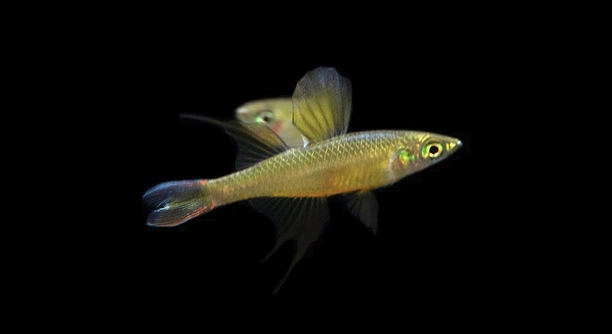
Are your Threadfin Rainbowfish only nibbling on one type of food while ignoring everything else in the tank? This can be frustrating, especially when you want to provide a balanced diet that keeps them healthy and vibrant.
The main reason your Threadfin Rainbowfish is eating only one type of food is due to preference, texture, or familiarity. Fish often gravitate toward foods they recognize, and sudden changes or new items may be ignored until gradual adjustments are made.
Understanding these habits can help you expand their diet safely. Small changes and careful observation are key to encouraging healthier, more varied eating patterns.
Reasons Your Threadfin Rainbowfish Prefers One Food
Many Threadfin Rainbowfish develop strong preferences early in life. They often gravitate toward foods with certain textures, colors, or flavors. Over time, repeated feeding of one type of food reinforces this habit. Stress or sudden changes in the tank environment can also affect their willingness to try new foods. Some fish are naturally cautious and will avoid unfamiliar items until they feel secure. Temperature and water quality also influence appetite. A fish that feels comfortable and healthy is more likely to explore other food options. Additionally, the nutritional composition of the food matters; fish may instinctively select what satisfies their energy needs first. Observing feeding patterns can reveal what types of food your fish prefers, allowing you to introduce new options gradually without overwhelming them. Feeding at consistent times and in small amounts encourages exploration and reduces food waste, helping your fish develop a more varied diet over time.
Introducing variety slowly helps your fish adapt without stress, making it more likely they will accept new food types over time.
Consistency and patience are essential when expanding your fish’s diet. Start by mixing a small portion of a new food with the familiar one. Gradually increase the proportion as the fish begins to accept it. Offering live or frozen options can stimulate natural foraging instincts. Rotate foods every few days to prevent boredom and ensure balanced nutrition. Avoid overfeeding, as leftover food can harm water quality, affecting fish health and appetite. Monitoring reactions closely lets you know which foods are more appealing. Sometimes, even changing the food’s presentation or breaking it into smaller pieces encourages acceptance. Remember that some fish simply take longer to adapt, so maintaining a calm environment is crucial. By combining observation, patience, and gradual introduction of new foods, you can expand your fish’s diet successfully while keeping them healthy and active.
Tips for Encouraging a Balanced Diet
Start by offering small portions of different foods at the same time each day. Consistency helps fish recognize new options without feeling stressed.
Introduce live foods, flakes, and frozen options to maintain nutritional balance. Observe your fish’s reactions closely, and rotate foods gradually. Avoid sudden changes, and always remove uneaten portions promptly. Keeping the tank environment stable encourages exploration, while maintaining water quality ensures appetite remains strong. Over time, these strategies help even the pickiest Threadfin Rainbowfish accept a wider variety of foods. Tracking preferences and progress helps refine feeding practices. Small adjustments, patience, and careful observation create a healthier, more balanced diet for your fish, reducing the risk of deficiencies and promoting overall well-being. Regularly changing textures, colors, and flavors can make feeding more engaging, reinforcing natural foraging behaviors and encouraging consistent consumption.
Adjusting Feeding Techniques
Feeding smaller amounts more frequently can encourage your Threadfin Rainbowfish to try new foods. Breaking food into tiny pieces helps them explore textures and flavors without feeling overwhelmed. Consistency in feeding times builds trust and reduces stress, making them more willing to eat variety.
Gradually mixing new food with their favorite type is effective. Start with just a few pieces and slowly increase the amount over several days. Observing how your fish reacts helps you adjust the pace. Using live or frozen options can trigger natural hunting instincts, making them more likely to accept unfamiliar foods. Patience is key, as some fish need several attempts before trying something different. Avoid rushing changes, as this can cause refusal or stress.
Changing presentation can make a difference. Sinking food, floating options, or sprinkling flakes in different areas encourages exploration. Rotating textures and sizes engages curiosity, while maintaining clean water prevents leftovers from deterring feeding. Keeping the tank calm and monitoring reactions ensures a smooth transition to a more varied diet for healthier, happier fish.
Monitoring Health and Appetite
Pay close attention to your fish’s body condition and energy levels. A sudden refusal of food may indicate stress or illness, not just preference. Observing behavior provides clues about overall well-being and appetite patterns.
Healthy Threadfin Rainbowfish are active, responsive, and show consistent interest in food. Sudden lethargy or changes in swimming patterns can signal dietary or environmental issues. Maintaining stable water temperature, quality, and tank setup supports appetite. Gradual dietary changes reduce stress, encouraging them to explore new food options. Tracking feeding patterns daily helps you identify preferences and detect early signs of illness. A balanced diet with variety ensures proper growth, coloration, and vitality, promoting long-term health. Regular observation and adjustments help you respond quickly to any changes, keeping your fish thriving.
Encouraging New Food Acceptance
Offering new food alongside their favorite type increases the chance of acceptance. Small, gradual introductions prevent stress and make them more willing to try something different. Patience is essential during this process, as each fish adapts at its own pace.
Consistency in feeding times builds familiarity. Using the same spot and routine encourages your Threadfin Rainbowfish to explore new options without feeling threatened. Repeating this regularly helps create a positive association with unfamiliar foods, gradually expanding their diet.
Using Live and Frozen Foods
Live and frozen foods stimulate natural hunting instincts and encourage exploration. Bloodworms, brine shrimp, and daphnia are excellent options. These foods provide variety and essential nutrients, making them more appealing than flakes alone. Gradually incorporating them improves overall diet balance and vitality.
Avoiding Overfeeding
Overfeeding can lead to wasted food and poor water quality. Providing measured portions helps maintain a healthy tank and encourages fish to try new foods. Consistent, controlled feeding promotes appetite and prevents health issues associated with excess nutrition.
FAQ
Why is my Threadfin Rainbowfish refusing all other foods except one type?
Threadfin Rainbowfish often develop strong preferences early in life. They feel comfortable eating what they know and may ignore anything unfamiliar. Stress, sudden changes in water, or a new tank environment can make them hesitant to try other foods. Gradual introductions and consistency help them adapt over time.
How can I get my fish to eat different foods?
Start by mixing a small amount of the new food with their preferred type. Gradually increase the proportion of the new food over several days or weeks. Offering live or frozen foods, breaking flakes into smaller pieces, and presenting food in different areas of the tank encourages exploration. Patience is key.
Can feeding only one type of food harm my fish?
Yes, relying solely on one type of food can lead to nutritional imbalances. Threadfin Rainbowfish need variety for proper growth, coloration, and overall health. A diet lacking in diversity may cause deficiencies, weaken immunity, and affect energy levels. Gradually introducing multiple food types ensures a balanced diet.
Is it normal for Threadfin Rainbowfish to be picky eaters?
Yes, pickiness is common. Many fish are cautious about trying unfamiliar foods, especially if they’ve been fed the same diet for a long time. Some fish are naturally more selective, while others adapt quickly. Observing patterns and making small changes over time usually resolves the issue.
How long does it take for my fish to accept new foods?
Acceptance varies per fish. Some may try new food in a few days, while others take weeks. Consistency in feeding routine, gradual mixing, and a calm environment improve the likelihood of success. Monitoring appetite and reactions helps adjust the pace effectively.
Are live foods necessary for my Threadfin Rainbowfish?
Live foods are not strictly necessary but are highly beneficial. They stimulate natural hunting instincts, encourage activity, and provide nutrients often missing in processed foods. Combining live, frozen, and high-quality flakes or pellets ensures a well-rounded diet that promotes health and vitality.
Can temperature or water conditions affect feeding behavior?
Absolutely. Threadfin Rainbowfish are sensitive to water quality, temperature, and tank stability. Stress from sudden changes, poor water parameters, or overcrowding can reduce appetite. Maintaining optimal water conditions and a calm environment encourages consistent feeding and willingness to try new foods.
How can I tell if my fish is undernourished?
Signs include lethargy, faded coloration, sunken belly, or slow growth. Monitoring body condition and behavior is important. Ensuring a balanced diet with varied foods and proper feeding frequency prevents deficiencies. Observing your fish daily allows early detection and corrective measures.
Should I remove uneaten food immediately?
Yes, removing leftover food prevents water pollution, which can stress fish and reduce appetite. Overfeeding and decaying food lead to poor water quality, increasing the risk of illness. Small, controlled portions and prompt removal keep the tank healthy and encourage consistent eating.
Can stress affect my fish’s willingness to try new food?
Stress significantly impacts feeding. Changes in lighting, tank mates, water conditions, or sudden introduction of new foods can cause hesitation. Keeping a stable environment and gradually introducing new foods reduces stress, making your Threadfin Rainbowfish more willing to explore and accept dietary variety.
How often should I rotate food types?
Rotating foods every few days ensures balanced nutrition and prevents boredom. Combining flakes, pellets, frozen, and live foods provides variety and promotes natural foraging behavior. Observing preferences while rotating helps tailor a diet that keeps your fish healthy, active, and visually vibrant.
Is it okay if my fish prefers one food most of the time?
It’s fine if they show preference, as long as they occasionally accept other foods. The goal is variety over time, not forcing them to eat everything at once. Regular monitoring, gradual introduction, and patience ensure a balanced diet without causing stress.
Can supplements help picky eaters?
Supplements can support health if diet lacks variety, but they shouldn’t replace proper feeding. Vitamins, minerals, and color-enhancing supplements can fill gaps, especially if your fish refuses certain foods. Using them alongside diverse feeding improves overall vitality and resilience.
What if my fish still refuses new foods after weeks?
Continue with slow, incremental introductions and try different textures, sizes, and presentations. Live or frozen options often trigger natural instincts. Ensure water quality and environment are optimal, as stress or illness can impede acceptance. Some fish are naturally more selective, and gradual persistence usually works.
Are frozen foods as good as live foods?
Frozen foods retain most nutrients and are safer than live foods, reducing the risk of parasites. They are convenient and provide variety, stimulating feeding instincts. Combining frozen, live, and high-quality prepared foods ensures your Threadfin Rainbowfish receives balanced nutrition consistently.
How important is observation during feeding?
Observation is essential. Watching reactions helps identify preferences, detect illness early, and adjust feeding techniques. Noting which foods are accepted, ignored, or partially eaten informs diet planning, portion control, and strategies for introducing new foods. Consistent observation supports overall health and well-being.
Can tank mates affect feeding habits?
Yes, aggressive or fast-eating tank mates can prevent picky fish from trying new foods. Providing separate feeding areas, slower feeders, or controlled feeding times helps your Threadfin Rainbowfish feel secure and encourages exploration of unfamiliar food without competition.
What’s the best way to mix new food with old?
Start with a small proportion of the new food mixed with their preferred type. Gradually increase the ratio over days or weeks. This gradual transition reduces stress, encourages acceptance, and allows you to monitor reactions, ensuring your fish receives balanced nutrition without sudden changes.
How often should I feed my Threadfin Rainbowfish?
Feed small portions two to three times a day, depending on tank size and fish quantity. Overfeeding can reduce appetite and harm water quality. Regular, measured feeding encourages consistent eating habits and allows easier monitoring of new food acceptance.
Is it normal if my fish only tries new food once and then ignores it?
Yes, this is common. Threadfin Rainbowfish often need multiple exposures before accepting new foods. Persistence, patience, and gradual mixing increase the chance of eventual acceptance. Avoid forcing changes, as this can cause stress and reinforce refusal behaviors.
What is the best mix of food types for balanced nutrition?
A combination of high-quality flakes or pellets, frozen or live foods, and occasional treats provides a balanced diet. Rotating textures and flavors ensures sufficient protein, vitamins, and minerals, supporting growth, coloration, energy levels, and immune system strength. Variety over time is more effective than forcing daily changes.
How do I know if my fish prefers one type because of texture?
Fish often choose foods based on softness, crunchiness, or size. Observing which foods are eaten fastest can indicate texture preference. Introducing alternatives with similar textures gradually can encourage exploration without overwhelming their natural comfort zone, leading to a more balanced diet.
Can lighting or tank layout affect feeding behavior?
Yes, poor lighting or cluttered tanks may make fish hesitant to explore new foods. Clear, calm areas for feeding and moderate lighting encourage comfort and reduce stress, making your fish more willing to accept different foods while maintaining healthy behavior.
How do I prevent future pickiness?
Start early with varied foods, mix textures and flavors, and maintain stable tank conditions. Consistent exposure to different options helps fish develop adaptability. Monitoring and rotating foods regularly reinforces a balanced diet, reducing the likelihood of strong preferences forming as they grow.
What is the role of foraging behavior in food acceptance?
Threadfin Rainbowfish naturally forage in the wild. Encouraging exploration with sinking foods, scattered flakes, or live prey stimulates instincts. Engaging this behavior promotes curiosity, reduces boredom, and increases the likelihood of accepting new foods over time.
How can I tell if my fish is stressed or unhealthy during feeding?
Signs include refusal to eat, lethargy, erratic swimming, or hiding. Poor water quality, illness, or sudden dietary changes can cause stress. Observing closely, maintaining clean water, and gradual food introduction help alleviate stress and support overall well-being.
Are there specific flavors that Threadfin Rainbowfish prefer?
Preferences vary, but most respond positively to protein-rich foods like brine shrimp, bloodworms, or small insects. Experimenting with flavors and textures helps identify favorites while gradually encouraging acceptance of other nutritious options to maintain a balanced diet.
Can supplements enhance color if my fish is picky?
Yes, supplements with carotenoids or natural color enhancers can improve vibrancy even if diet is somewhat limited. They should complement, not replace, a balanced variety of foods. Combining supplements with gradual introduction of new foods ensures healthy coloration and overall vitality.
How do I track progress in expanding diet?
Keep a simple feeding log noting which foods are accepted, rejected, and how long it takes for new foods to be eaten. Observing behavior, appetite, and physical condition over time allows adjustments, ensuring your Threadfin Rainbowfish develops a diverse, balanced diet while staying healthy.
What if my fish still refuses most foods despite all efforts?
Some fish are extremely selective. Continue gradual introduction, focus on preferred textures, and provide live or frozen options to stimulate natural instincts. Maintaining optimal water conditions and minimal stress can eventually encourage acceptance, though patience and persistence are required.
Is it harmful to only feed one food type occasionally?
Feeding only one type occasionally is generally fine, as long as the diet is balanced over time. Regular variety is more important than forcing every meal to be different. Gradual, consistent adjustments help maintain overall health, coloration, and energy levels in your Threadfin Rainbowfish.
Can tank decorations or hiding spots influence feeding?
Yes, providing safe spaces reduces stress and encourages fish to explore during feeding. A calm environment helps picky eaters feel secure, increasing the likelihood they will try new foods without feeling threatened by tank mates or sudden changes.
How do I know when to stop introducing new foods?
Once your fish consistently accepts a variety of foods and shows healthy growth, coloration, and energy, you can reduce intensive introduction efforts. Continue rotating foods to maintain balanced nutrition, but daily experimentation is no longer necessary once habits are established.
Are frozen foods more convenient than live foods?
Frozen foods are safer, easier to store, and retain nutrients well. They reduce the risk of introducing parasites and are convenient for consistent feeding. Combining frozen, live, and high-quality prepared foods provides variety and supports overall health for your Threadfin Rainbowfish.
Can I use commercial pellets alone?
High-quality pellets can be the base of the diet, but relying on them exclusively may limit variety and nutrients. Supplementing with frozen, live, or flakes ensures balanced protein, vitamins, and minerals, preventing deficiencies and supporting optimal growth and coloration.
How important is tank size in feeding picky fish?
Adequate space reduces stress, prevents competition, and allows all fish to explore new foods comfortably. Overcrowded tanks make picky eaters hesitant, while a well-sized, stable environment encourages natural foraging behavior and willingness to try different foods.
What is the safest way to introduce live food?
Rinse live food before feeding to remove debris or contaminants. Offer small quantities at first, observing reactions. Gradually increase portions as your fish accepts it. Combining with familiar foods helps reduce stress while providing nutritional and behavioral benefits.
Can picky eating affect breeding or growth?
Yes, insufficient variety or nutrition can hinder growth, weaken immunity, and reduce reproductive success. Ensuring a balanced, varied diet is essential for healthy development, coloration, energy, and overall vitality in Threadfin Rainbowfish.
How do I know if my fish is truly healthy while picky?
Healthy fish remain active, maintain bright coloration, respond to stimuli, and show steady growth. Even picky eaters can be healthy if they occasionally consume balanced foods. Monitoring behavior, appetite, and physical condition ensures long-term well-being.
Are there signs that my fish prefers certain food for nutritional reasons?
Yes, fish often select protein-rich or energy-dense foods first. Observing which items are consistently eaten quickly can indicate dietary needs. Introducing complementary options gradually ensures balanced nutrition while respecting natural preferences.
How do I prevent stress from new tank mates affecting feeding?
Introduce tank mates slowly, provide hiding spots, and feed in multiple locations. Ensuring slow or non-aggressive fish are not bullied during feeding encourages exploration and acceptance of new foods while maintaining a calm, secure environment.
Can supplements replace missing variety in diet?
Supplements help fill nutritional gaps but should not replace whole foods. They are useful for picky eaters temporarily but are most effective alongside a gradual introduction of diverse foods to ensure proper growth, color, and overall health.
How do I know when my feeding techniques are working?
Look for consistent consumption of new foods, active behavior, and improved coloration. Regular observation, tracking reactions, and noting gradual acceptance indicate successful techniques. Adjustments can be made based on progress to maintain balanced nutrition and long-term health.
Is it okay if my fish prefers frozen over live food?
Yes, frozen foods are nutritionally sufficient and safe. Preference for frozen options is normal, especially if live food is unfamiliar. Combining both types ensures variety, stimulates foraging behavior, and supports balanced growth and vitality.
How important is patience in changing feeding habits?
Patience is critical. Picky behavior takes time to overcome. Gradual introductions, observation, and a calm environment allow your fish to explore new foods naturally. Rushing changes often backfires, causing stress and rejection, while consistent, patient effort leads to successful dietary variety.
Can water changes influence appetite and willingness to try new foods?
Yes, clean water improves health, reduces stress, and encourages feeding. Regular partial water changes prevent toxins from building up and support appetite. Healthy conditions make fish more receptive to dietary variety and help maintain consistent feeding behavior.
How can I balance favorite foods with new options?
Offer preferred foods alongside new items, gradually increasing the new food proportion. Monitoring reactions and adjusting slowly allows your Threadfin Rainbowfish to accept variety without stress, ensuring balanced nutrition while respecting natural preferences.
What if my fish ignores new foods for weeks?
Continue small, gradual introductions and try different textures or sizes. Live or frozen options often stimulate interest. Maintaining optimal tank conditions and minimizing stress encourages eventual acceptance. Patience and persistence are essential when fish are particularly selective.
Can I rotate food textures to reduce pickiness?
Yes, offering flakes, pellets, frozen, and live foods in rotation engages natural foraging instincts and curiosity. Alternating textures gradually reduces selectiveness, encourages experimentation, and ensures balanced nutrition over time without overwhelming the fish.
Should I separate fish for feeding picky eaters?
Separating slow or selective feeders prevents competition from faster tank mates. Providing a calm, secure area for introducing new foods encourages exploration and increases acceptance while reducing stress from overcrowding or aggressive behavior.
How do I prevent future dietary issues?
Start early with varied foods, introduce new items gradually, and maintain stable tank conditions. Observing behavior, rotating textures and flavors, and ensuring balanced nutrition help prevent strong food preferences from forming, supporting long-term health and vitality.
Are there specific signs that my fish enjoys a new food?
Signs include eagerly swimming toward the food, quickly consuming it, and returning for more. Excited behavior, chasing scattered pieces, and active foraging indicate acceptance and enjoyment, signaling a successful dietary addition.
How can I make new foods more appealing?
Adjust size, texture, or presentation. Mixing with familiar foods, breaking into smaller pieces, or offering at different tank levels encourages exploration. Using live or frozen options can trigger natural instincts, gradually increasing acceptance and variety in diet.
What should I do if one fish dominates food intake?
Feed in multiple areas, separate aggressive feeders, or provide controlled portions. Ensuring all fish get access reduces stress, encourages exploration, and allows picky eaters to try new foods without being intimidated or outcompeted.
Is it okay if my fish only tries new food occasionally?
Yes, gradual acceptance over time is normal. Consistent exposure, small portions, and patience lead to broader dietary variety while respecting the fish’s natural preferences. Daily repetition isn’t necessary once habits improve.
How do I maintain a balanced diet long-term?
Rotate flakes, pellets, frozen, and live foods, monitor reactions, and adjust gradually. Maintaining variety, texture, and nutritional content ensures your Threadfin Rainbowfish grows healthily, retains vibrant color, and stays active while preventing pickiness from developing again.
Can feeding environment affect acceptance of new foods?
Yes, calm, well-lit areas encourage exploration. Reducing stressors like aggressive tank mates, sudden movements, or poor water quality increases willingness to try different foods and supports healthy feeding behavior.
How do I know if my fish’s diet is balanced?
Balanced diets show in growth, coloration, energy, and consistent appetite. Including varied textures and types over time ensures proper protein, vitamins, and minerals. Observing health and behavior regularly confirms dietary balance.
Are treats like freeze-dried food safe for picky eaters?
Yes, occasional freeze-dried foods provide variety and nutrients. Offer sparingly and combine with staple foods to prevent over-reliance. They encourage exploration and stimulate natural feeding behavior without compromising health.
How can I make diet changes less stressful?
Introduce new foods gradually, maintain consistent feeding times, and ensure tank stability. Using familiar foods as a base and observing reactions reduces stress, supporting gradual acceptance and maintaining overall health and appetite.
How do I know if my fish is underfed or overfed?
Underfed fish appear thin, lethargic, or slow-growing, while overfed fish may have bloated bellies or uneaten leftovers in the tank. Monitoring portions, behavior, and physical condition helps maintain proper feeding practices and overall health.
What role does water temperature play in feeding?
Temperature affects metabolism and appetite. Threadfin Rainbowfish may eat less in cooler water and more in warmer conditions. Maintaining stable, appropriate temperatures encourages regular feeding behavior and willingness to try new foods.
Can fish develop a preference for color or shape of food?
Yes, visual cues influence selection. Fish may prefer bright or familiar-looking items. Introducing new foods gradually while observing reactions helps expand acceptance without forcing changes abruptly.
How do I prevent food from causing water issues?
Feed controlled portions, remove leftovers promptly, and maintain filtration. Overfeeding and decaying food reduce water quality, stressing fish and reducing appetite. Proper management ensures healthy feeding behavior and water conditions.
What is the best way to combine different food types?
Mix small amounts gradually, adjusting ratios over time. Offer variety in texture, size, and flavor to stimulate interest and ensure balanced nutrition. Observation and consistency allow safe, effective dietary expansion for picky fish.
Are there signs of over-reliance on one food type?
Yes, refusal of other foods, constant chasing of a favorite item, and limited exploration indicate over-reliance. Gradual introduction, rotation, and small portions help diversify diet while minimizing stress.
Can my fish get bored with one food type?
Yes, monotony can reduce appetite over time
Final Thoughts
Feeding a Threadfin Rainbowfish can sometimes feel tricky, especially when they seem to favor just one type of food. It is normal for fish to develop preferences, and each individual may react differently to new foods. Patience is key, and gradual changes usually work better than sudden switches. Observing your fish closely while making these adjustments helps you understand what they prefer and how they respond to different textures, sizes, and flavors. By paying attention to their reactions, you can make feeding time less stressful for both you and your fish. Small, steady efforts often lead to the best results over time.
Consistency in feeding routine plays a major role in expanding your fish’s diet. Feeding at regular times and in small amounts encourages exploration of new foods while preventing overfeeding. Mixing new options with their favorite food gradually helps your fish adjust without feeling overwhelmed. Including a variety of food types, such as flakes, pellets, frozen, and live options, ensures proper nutrition while stimulating natural foraging instincts. Rotating textures and flavors keeps feeding interesting and prevents monotony. Maintaining clean water and stable tank conditions supports appetite, making it easier for your Threadfin Rainbowfish to accept new foods. When your fish is comfortable in their environment, they are more likely to experiment with different foods.
A balanced diet is essential for long-term health, coloration, and vitality. While it may take time for your fish to accept new foods, persistence and careful observation are effective strategies. Even if your Threadfin Rainbowfish remains selective for a while, gradual introduction of variety ensures they receive the nutrients they need. Monitoring their body condition, behavior, and energy levels provides valuable insight into their overall health. Feeding is not just about nutrition; it also affects activity, mood, and longevity. With patience, consistency, and attention to both diet and tank environment, you can help your Threadfin Rainbowfish thrive while expanding their palate safely. Over time, a balanced approach to feeding will promote growth, improve color, and encourage natural behaviors, supporting a healthier, happier fish for years to come.

Hello,
If you enjoy the content that we create, please consider saying a "Thank You!" by leaving a tip.
Every little bit helps us continue crafting quality advice that supports the health, happiness, and well-being of pets around the world, for pets of all shapes, sizes, and species.
We really appreciate the kindness and support that you show us!