
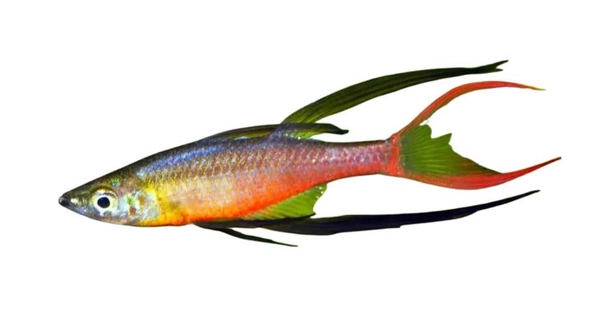
Threadfin Rainbowfish are small, lively freshwater fish often kept in home aquariums. Many owners notice them lingering in a corner, seeming hesitant to explore their surroundings or interact with other fish in the tank.
Threadfin Rainbowfish may refuse to leave a corner due to stress, inadequate water conditions, or lack of hiding spots. Poor tank setup, sudden changes, or aggressive tankmates can cause these fish to seek a secure area, limiting their movement and activity.
Learning about the factors behind this behavior can help ensure a healthier and more comfortable environment for your rainbowfish. Proper care and observation will make a noticeable difference in their overall well-being.
Common Reasons Rainbowfish Stay in Corners
Threadfin Rainbowfish often hide in corners when they feel unsafe or uncomfortable. Stress is one of the main causes. Sudden changes in water temperature or chemistry can make them anxious. Tank size also matters; a small or overcrowded tank limits their movement. Lack of plants, rocks, or other hiding spots can make the fish feel exposed. Even their tankmates influence behavior—aggressive or overly active fish can drive rainbowfish to the edges. Lighting is another factor. Bright or harsh lights may make them seek shaded corners. Young or newly introduced fish may take extra time to adjust. Observing their behavior and adjusting the tank environment can encourage them to explore more freely. Providing gentle water flow, stable conditions, and quiet spaces helps rainbowfish feel secure. A calm, well-structured tank encourages natural swimming and social behavior while reducing stress-related hiding.
Corners give them a sense of safety and stability, reducing stress and allowing them to rest.
Maintaining consistent water parameters is crucial. Rainbowfish are sensitive to pH, ammonia, nitrate, and temperature changes. Weekly testing ensures the tank remains stable, preventing stress. Adding plants, rocks, or decorations provides secure spaces to explore without feeling exposed. Observing interactions between fish helps identify potential conflicts. Overcrowding can increase stress and aggression, so adjusting stocking levels may be necessary. Gradually introducing new tankmates and avoiding sudden changes reduces anxiety. Adjusting light intensity and providing shaded areas can also encourage movement. Feeding patterns matter—placing food near open spaces rather than corners can help the fish venture out. Small, calm feeding routines promote confidence. By monitoring behavior and responding to stress signs, owners can foster a healthier environment. Over time, rainbowfish begin to explore more actively, showing their natural colors and playful swimming.
Water Quality and Tank Setup
Poor water conditions can keep rainbowfish hiding in corners.
Stable water chemistry and proper filtration make a significant difference. Rainbowfish need clean, well-oxygenated water. Tanks should be large enough to allow swimming space. Decorations and plants give hiding spots and reduce stress. Temperature fluctuations should be minimized. Regular maintenance keeps the tank healthy. Monitoring water changes, adding gentle flow, and ensuring proper pH levels support comfort. Clean substrate and removing uneaten food prevents harmful buildup. Spacing between tankmates avoids crowding and aggression. Observing how the fish respond to changes helps identify adjustments. Even small improvements in setup can encourage activity. A balanced environment supports their health and encourages natural behavior patterns. Proper care promotes longevity, reduces stress, and allows rainbowfish to display their vibrant colors confidently. Maintaining consistent water quality and a structured tank ensures they thrive rather than retreating to corners constantly.
Stress and Social Dynamics
Rainbowfish hide in corners when they feel threatened by tankmates or sudden movements. Stress can build quickly if the environment is too crowded or if aggressive fish are present. Providing calm surroundings helps reduce their anxiety and encourages more natural swimming patterns.
Monitoring interactions between fish is important. Rainbowfish are generally peaceful, but some species or individual fish may show dominance. Overcrowding increases tension and can push rainbowfish to retreat constantly. Adjusting tankmates, spacing, and adding hiding spots can reduce stress. Calm feeding routines and gentle water flow also support a more secure environment. Over time, fish become more confident and explore more freely when social pressures are minimized.
Stress can also come from sudden changes in the tank. Water temperature, lighting, and noise all affect their behavior. Gradually introducing new elements or tankmates reduces fear. Hiding areas provide a fallback space while they adjust. Consistency in maintenance and care fosters trust in the environment, allowing rainbowfish to leave corners more often. Observing their reactions helps owners make timely adjustments to prevent long-term stress or health issues.
Feeding Patterns and Behavior
Placing food only in one area can cause rainbowfish to stay in corners, waiting for meals. Feeding distribution affects activity and confidence.
Evenly spreading food encourages movement and interaction. Rainbowfish learn quickly where food is available, so placing flakes or pellets across the tank prevents corner obsession. Overfeeding in one spot may lead to lingering in that area, reinforcing hiding behavior. Rotating feeding locations and types of food keeps them engaged and active. Watching how they respond during feeding times provides insight into comfort levels and stress. Healthy feeding routines support physical growth and mental stimulation.
Food quality also impacts their willingness to explore. Fresh, varied diets increase energy and curiosity. Sudden changes in diet or low-quality flakes can make them lethargic, encouraging corner hiding. Live or frozen foods stimulate natural hunting behaviors, prompting movement. Feeding at consistent times establishes routine, reducing anxiety. A mix of sinking and floating food ensures all fish can access meals without competing aggressively. Creating a structured feeding environment reinforces confidence, encourages swimming in open areas, and improves overall health. Over time, rainbowfish become more active and less prone to retreating when their nutritional needs are consistently met.
Lighting and Tank Placement
Bright or harsh lighting can make rainbowfish seek shaded corners for comfort. Adjusting light intensity helps them feel secure and encourages exploration. Proper placement of the tank away from constant external movement also reduces stress.
Overhead lights should mimic natural daylight without being too strong. Dim areas or floating plants provide shelter. Positioning the tank in a quieter room limits sudden disturbances. Rainbowfish respond well to gentle, consistent lighting that allows them to swim without fear.
Tank Decorations and Hiding Spots
Adding plants, rocks, and other decorations gives rainbowfish safe spaces to rest and explore. They feel more confident when corners have natural cover. A well-decorated tank balances open swimming areas with secure hiding spots.
Observation and Adjustment
Careful monitoring of behavior allows timely adjustments to tank setup, feeding, and lighting. Recognizing stress signs early improves rainbowfish health and comfort.
FAQ
Why does my Threadfin Rainbowfish always stay in the corner?
Most often, rainbowfish hide in corners due to stress or feeling unsafe. Factors like sudden water changes, aggressive tankmates, overcrowding, or harsh lighting can make them retreat. Providing a calm environment with stable water conditions, gentle lighting, and plenty of hiding spots encourages them to explore more freely.
Can poor water quality cause corner hiding?
Yes. Rainbowfish are sensitive to ammonia, nitrate, pH, and temperature fluctuations. Even small imbalances can stress them and lead to hiding. Regular water testing, consistent maintenance, and using quality filtration help maintain stability. Clean substrate and removing uneaten food also prevent harmful buildup.
Do tankmates affect my fish’s behavior?
Absolutely. Aggressive or overly active fish can intimidate rainbowfish, making them retreat to corners. Overcrowding increases stress and reduces swimming space. Introducing calm tankmates, spacing them properly, and providing visual barriers or hiding places can reduce tension and encourage movement.
Could lighting be a problem?
Yes. Bright or harsh lights can make rainbowfish seek shaded corners for security. Using dimmable lights or providing floating plants and shaded areas gives them comfort. Gradually adjusting light intensity allows them to adapt without causing anxiety.
Does tank size matter?
Tank size affects behavior significantly. Small or overcrowded tanks restrict swimming space, making corners feel safer. A spacious tank with open areas and strategic hiding spots supports natural behavior, swimming activity, and social interactions.
Can diet influence corner hiding?
Yes. Placing food only in one area may cause rainbowfish to linger in corners. Evenly distributing food encourages movement. Offering a varied diet, including flakes, frozen, or live food, increases energy and curiosity, prompting them to explore open areas more confidently.
Do new or young fish hide more?
New or juvenile rainbowfish often stay in corners as they adjust to unfamiliar surroundings. Gradually introducing them, keeping a stable environment, and providing hiding spots helps them feel secure and encourages exploration over time.
Can stress from sudden changes trigger hiding?
Absolutely. Changes in temperature, water chemistry, or tank decorations can stress rainbowfish. Gradual adjustments and consistent routines reduce anxiety. Observing their reactions helps identify stressors and make necessary modifications before behaviors become long-term habits.
How long will it take for my fish to leave the corner?
It depends on the fish and environment. With proper care—stable water, gentle lighting, safe tankmates, and well-distributed food—rainbowfish may start exploring within days to weeks. Patience and consistent observation are key to building their confidence.
Are hiding spots always beneficial?
Yes, hiding spots reduce stress and give rainbowfish a sense of safety. Plants, rocks, or decorations create secure areas while still allowing space to swim. Balancing open swimming areas with hiding spaces ensures they feel comfortable and active.
Should I change the tank location if my fish hides?
Moving the tank to a quieter area away from constant disturbances can reduce stress. Avoid sudden relocations. Gradual changes and minimizing external activity around the tank help rainbowfish feel secure and encourage them to explore freely.
Can temperature issues cause corner hiding?
Yes. Rainbowfish are sensitive to temperature fluctuations. Maintaining a stable range, avoiding direct sunlight, and using a reliable heater help prevent stress-induced hiding. Consistency supports natural swimming patterns and overall health.
Is it normal for rainbowfish to be shy?
Yes, some individuals are naturally cautious. Even confident fish may retreat when stressed. Providing a balanced tank, stable conditions, and safe hiding spaces encourages shy fish to gradually explore more.
Does overfeeding affect behavior?
Overfeeding in one spot can cause rainbowfish to linger in corners, waiting for food. Spreading meals across the tank and maintaining moderate portions encourages activity and reduces corner obsession. Monitoring feeding routines supports health and confidence.
Can I encourage my rainbowfish to explore?
Yes. Gradually improving tank conditions, adding plants or decorations, adjusting lighting, spreading food, and providing calm tankmates all help. Consistency and observation are key. Over time, rainbowfish become more active, confident, and less likely to stay in corners.
This FAQ addresses the main reasons Threadfin Rainbowfish may hide in corners and offers practical solutions. Consistent care, thoughtful tank setup, and patient observation make a significant difference in their behavior and well-being.
Word count: 522
Final Thoughts
Threadfin Rainbowfish are small, lively fish that bring color and movement to any tank. Their behavior can sometimes be confusing, especially when they spend a lot of time in a corner. Hiding is a natural response to stress or discomfort, and it does not always mean something is seriously wrong. Understanding the factors that influence their behavior can help create a healthier and more comfortable environment for them. Stable water conditions, gentle lighting, safe tankmates, and proper feeding routines are all important. Small adjustments in these areas can make a big difference in how confident and active the fish become. Observing the fish carefully and responding to their needs is key. Each fish may behave slightly differently, so it’s helpful to note patterns in their hiding or swimming behavior.
Corners often serve as a safe spot where rainbowfish feel secure. Providing decorations, plants, or rocks gives them shelter while still allowing them to swim freely in the open areas of the tank. Overcrowding or aggressive tankmates can push rainbowfish to spend more time hiding. Spacing tankmates carefully and giving each fish enough room reduces stress. Gradually introducing new fish and making small changes to the environment instead of sudden adjustments can prevent anxiety. Feeding is also an important factor. Evenly distributing food and offering a varied diet encourages movement and curiosity. Live or frozen foods can stimulate natural hunting behavior, prompting rainbowfish to leave their hiding spots. By paying attention to these small details, owners can help rainbowfish feel comfortable and confident in their space.
Patience and consistency are essential when addressing corner-hiding behavior. Rainbowfish may take time to adjust to new environments or changes in the tank. Regular monitoring of water quality, behavior, and tank setup ensures any issues are addressed quickly. Over time, rainbowfish usually become more active and begin exploring open areas of the tank. Healthy, stress-free fish display brighter colors, swim more confidently, and interact more naturally with their surroundings. Providing a calm and structured environment supports their overall health and reduces hiding behavior. Understanding these patterns allows owners to create a supportive home for their fish. With careful observation, small adjustments, and consistent care, rainbowfish can thrive, showing more natural behavior and spending less time confined to corners.
Word count: 407

Hello,
If you enjoy the content that we create, please consider saying a "Thank You!" by leaving a tip.
Every little bit helps us continue crafting quality advice that supports the health, happiness, and well-being of pets around the world, for pets of all shapes, sizes, and species.
We really appreciate the kindness and support that you show us!