
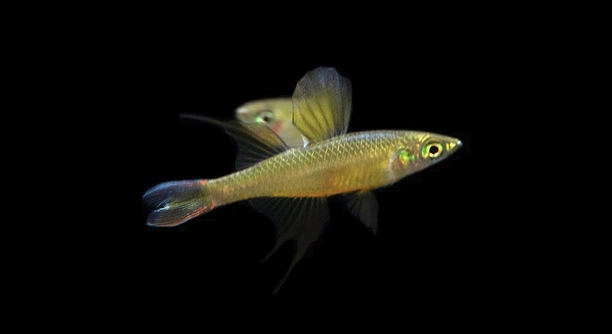
Do your threadfins often hide behind decorations, leaving you worried about their comfort in the tank? Many aquarists place ornaments without realizing how these choices affect shy fish like threadfins. Their behavior can change subtly over time.
Certain tank decor items, such as tall dense plants, dark caves, sharp ornaments, cluttered substrates, overly bright decorations, large rock formations, and reflective surfaces, can induce hiding behavior in threadfins. These items reduce visibility and perceived safety, prompting stress-related retreat.
Knowing which items may trigger hiding can help you make better decor choices and create a more comfortable environment for your threadfins.
Tall Dense Plants
Tall dense plants can create a lot of hiding spaces for threadfins, which may seem comforting at first. However, when overused, these plants can make the tank feel cramped and limit swimming space. Threadfins rely on open areas to feel safe and to move freely. If most of the tank is covered with dense vegetation, they might spend more time hidden, avoiding interaction and normal activity. Even artificial tall plants can cause the same effect if they block light or create large shadowed areas. Choosing plants that are medium height or placing tall plants only in corners can help maintain balance. This way, threadfins have both coverage and open space. Observing their behavior is important because even minor adjustments in plant placement can improve their comfort. Maintaining a mix of heights ensures the tank feels natural without overwhelming the fish. Less dense planting encourages more activity and reduces stress-related hiding.
Dense planting can reduce light and movement, increasing threadfins’ tendency to stay hidden.
Balancing plant height and density is key. Placing taller plants at the back or sides of the tank preserves open swimming areas. Medium-height plants in the center allow threadfins to navigate safely. Avoid clustering multiple tall plants together; spread them to maintain sightlines. Artificial plants should mimic natural textures but not block too much space. Monitor your fish for signs of stress like hiding or lethargy. Sometimes, a small rearrangement of plants can make the tank feel more open while still providing shelter. Lighting also matters—too many shadows from tall plants can make the environment feel unsafe. By keeping a mix of open water and plant coverage, threadfins will feel secure but not trapped. Regular observation ensures the balance remains suitable as plants grow or change over time. Adjusting decorations gradually helps the fish adapt without sudden stress.
Dark Caves
Dark caves in tanks provide shelter but can also encourage threadfins to hide excessively.
Caves with deep shadows can make threadfins feel enclosed. When they retreat frequently, they may avoid exploring or interacting with other fish. Using moderately sized caves or partially open structures allows protection without complete isolation. Ensuring caves are spaced out helps maintain visibility and reduces stress. Threadfins need a balance of cover and open water. By limiting overly dark or large caves, the tank environment becomes more welcoming and encourages natural behavior. Observation of fish activity helps determine if caves are excessive. Choosing lighter materials or semi-transparent designs can reduce hiding tendencies while still offering security. Properly placed caves enhance comfort without dominating the tank space, giving threadfins freedom to swim, explore, and display normal behaviors. Adjustments should be made slowly to prevent sudden stress reactions. Creating multiple smaller hiding spots instead of a single deep cave is usually more effective for maintaining active fish behavior.
Sharp Ornaments
Sharp ornaments can injure threadfins if they try to hide or swim near them. Even small cuts can stress the fish and make them retreat more often. Avoid jagged edges and opt for smooth surfaces to keep your fish safe.
Threadfins are delicate and prone to injuries from rough or pointed decorations. Sharp ornaments not only risk physical harm but can also increase stress, causing the fish to hide more frequently. Even if the ornament looks safe, narrow openings or rough points can trap fins or scales. Choosing rounded, smooth decorations prevents accidents while still providing visual interest in the tank. Monitoring fish behavior after introducing new ornaments is crucial to ensure they adapt safely. Properly designed ornaments maintain a stimulating environment without compromising safety, allowing threadfins to swim confidently and explore freely.
Large sharp structures can dominate the tank visually, reducing open swimming areas and making threadfins feel threatened. Placement matters—avoid clustering multiple sharp items in one area. Smooth, flat decorations can provide similar visual appeal without risk. Creating a balance of safe ornaments and open space encourages natural activity. Threadfins will feel less stressed and are more likely to use the tank openly rather than hiding constantly. Regular inspection of ornament edges ensures they remain safe as the tank ages or materials wear.
Cluttered Substrates
Cluttered substrates can make threadfins feel trapped and reduce their comfort in the tank. Too many rocks, gravel, or small items create obstacles that limit free movement.
Threadfins prefer a mix of open swimming areas and gentle substrate textures. Overcrowding the tank bottom with small items or irregular materials can cause hiding behavior because the fish feel unsafe. Fine gravel or sand with minimal decorations allows the fish to forage naturally without stress. Arranging substrate in a simple, organized way helps maintain water flow and visibility, reducing shadows where threadfins might feel the need to hide. Clean, uncluttered substrates also make maintenance easier and prevent debris from accumulating in hidden corners. A well-planned substrate layout balances shelter and open space, promoting healthy activity.
When substrates are overcrowded, threadfins often avoid the tank floor entirely. Limiting small rocks or dense layers of gravel improves visibility and encourages exploration. Using larger, well-placed items creates natural zones without overwhelming the tank. Gradual rearrangement helps fish adapt, reducing stress. By simplifying the substrate and providing clear swimming paths, threadfins feel more secure and engage more with their environment. Consistent observation ensures they remain comfortable and active.
Overly Bright Decorations
Overly bright decorations can make threadfins feel exposed and stressed. Intense colors or reflective surfaces may overwhelm their senses, causing them to hide more frequently in shaded areas or behind plants.
Using softer tones and matte finishes can help threadfins feel safer. Avoid shiny or neon-colored ornaments that dominate the tank visually.
Large Rock Formations
Large rock formations can create intimidating spaces that encourage threadfins to retreat. If the rocks block too much of the tank, the fish may spend excessive time hiding. Arranging rocks in smaller clusters with open swimming paths maintains security while allowing movement. Choosing smooth, rounded rocks reduces injury risk and prevents areas that feel too dark or confined. Proper placement ensures that threadfins can explore without feeling trapped. Observing their behavior after adding rocks helps determine if adjustments are needed. By creating balance, the tank stays visually appealing without limiting the fish’s comfort or natural activity.
Reflective Surfaces
Reflective surfaces can confuse threadfins, making them think there are other fish or predators nearby. This may trigger hiding behavior and reduce their visible activity.
FAQ
Why do my threadfins hide so much in the tank?
Threadfins naturally seek safety in enclosed spaces, especially if they feel threatened. Hiding can be a response to bright lights, large or sharp decorations, or overcrowded tanks. Stress from other aggressive fish or sudden changes in water conditions can also increase hiding behavior. Monitoring tank conditions and observing interactions helps identify causes.
Can certain decorations stress my threadfins without me realizing it?
Yes, decorations that seem harmless may create stress. Tall dense plants, dark caves, or reflective surfaces can make threadfins feel trapped or unsafe. Even smooth ornaments can cause stress if they block sightlines or reduce swimming space. Small adjustments in placement often reduce hiding behavior.
Are all hiding spots bad for threadfins?
Not all hiding spots are harmful. Threadfins benefit from moderate cover to feel secure. The key is balance—too many or overly dark hiding spots can encourage excessive retreat, while open swimming areas with some shelter promote natural activity and reduce stress.
How can I rearrange decorations to help my threadfins feel safer?
Start by moving large or sharp decorations away from the center and grouping plants or rocks along tank edges. Ensure there are clear open areas for swimming. Gradually introduce smaller hiding spots so fish adapt without stress. Regularly observe their response to see if hiding decreases.
Do lighting and color affect hiding behavior?
Yes, threadfins are sensitive to bright lights and highly reflective surfaces. Overly bright decorations or lights that cast strong shadows may increase hiding. Using softer lighting and matte decorations creates a more comfortable environment, encouraging the fish to explore rather than stay hidden.
Can substrate choice influence hiding tendencies?
Absolutely. Cluttered or uneven substrates can make threadfins feel confined. Fine gravel or sand with minimal clutter allows natural movement and foraging. Large, smooth items can create zones without overwhelming the tank. Regular cleaning also prevents debris buildup, which can make fish feel unsafe.
Should I remove all caves and ornaments?
No, removing everything isn’t necessary. Threadfins still need moderate shelter for comfort. Focus on reducing excessively dark, sharp, or large structures and spreading out hiding spots. The goal is to create a secure yet open environment that promotes activity.
How do I know if hiding is due to stress or normal behavior?
Normal hiding is brief and occurs mostly at rest or when startled. Stress-related hiding is more persistent, with fish avoiding open areas for extended periods. Signs include lethargy, loss of appetite, or constant retreat. Tracking behavior over days helps distinguish normal activity from stress-induced hiding.
Can rearranging decorations affect water quality?
Yes, moving rocks, plants, or ornaments can disturb sediment or impact filtration. Make changes gradually and monitor water parameters after adjustments. Maintaining clean water ensures threadfins stay healthy, reducing stress-related hiding.
How long does it take for threadfins to adjust after decor changes?
Adjustment time varies by individual fish. Some adapt within a day or two, while others may take a week or more. Gradual changes and careful observation help threadfins feel safe without sudden stress. Patience is key to ensuring a balanced, active tank environment.
Is it better to use artificial or live plants to reduce hiding?
Both can work if used thoughtfully. Artificial plants provide consistent shape and density, while live plants grow and change over time. The main factor is placement—avoid overcrowding and ensure open swimming space. The fish’s response will indicate which setup is most comfortable.
What role does tank size play in hiding behavior?
Smaller tanks can make threadfins feel confined, increasing hiding. Adequate space allows natural swimming patterns and reduces stress. Larger tanks with clear zones of open water and moderated decor support healthier behavior and less retreating.
Are reflective ornaments always bad?
Not always, but highly reflective surfaces can confuse threadfins, making them think other fish or predators are present. Matte or lightly reflective materials reduce false stimuli while still adding visual interest to the tank. Placement away from main swimming paths is helpful.
Can threadfins adapt to previously stressful decorations?
Some adaptation is possible over time, but it depends on the severity of stress. Minor adjustments and gradual exposure may help fish get used to certain decorations. However, if hiding persists, removing or modifying the items is usually more effective.
How do I monitor if my changes are working?
Observe swimming patterns, feeding behavior, and time spent in open areas versus hiding. Reduced retreating and more exploration indicate positive response. Keep notes over days or weeks to track improvements and make further adjustments as needed.
Do other fish affect hiding behavior?
Yes, aggressive or territorial tank mates can trigger retreat in threadfins. Even peaceful species may intimidate if they dominate space or food. Providing clear zones and visual barriers can reduce stress and encourage threadfins to remain active.
Is it normal for threadfins to hide during the day?
Threadfins can be naturally shy during daylight, but constant hiding is often a sign of stress. Balancing light levels, decor placement, and tankmates helps maintain normal behavior while providing safe resting spots.
Can temperature or water changes cause hiding?
Sudden temperature shifts or changes in water chemistry increase stress, leading to hiding. Keeping stable conditions and monitoring parameters ensures threadfins feel secure and minimizes retreat behavior.
Are multiple small hiding spots better than one large one?
Yes, multiple smaller spots give threadfins options without creating overwhelming dark areas. This encourages exploration, provides safety when needed, and maintains visibility throughout the tank. It balances security with activity.
How often should I reassess tank decorations for hiding behavior?
Regular observation every few weeks is recommended. Fish needs and growth of plants or decorations may change the environment over time. Adjusting layout gradually ensures threadfins remain comfortable and active.
Final Thoughts
Creating a comfortable environment for threadfins requires attention to detail and patience. Many decorations that seem harmless can actually make these fish feel unsafe or stressed. Overly dense plants, dark caves, sharp ornaments, cluttered substrates, overly bright or reflective items, and large rock formations can all contribute to hiding behavior. Even subtle factors like lighting, placement, and tank size can influence how confident your threadfins feel in their surroundings. Paying attention to their behavior and adjusting the tank accordingly helps create a balance between shelter and open swimming areas.
Threadfins need both safety and freedom to explore. While hiding spots are important for their sense of security, too many or poorly placed decorations can reduce activity and increase stress. By spacing out plants, rocks, and other ornaments, you allow the fish to move freely while still providing areas to retreat when needed. Using smooth, rounded decorations instead of sharp or jagged items minimizes the risk of injury. Substrates should be simple and uncluttered to provide natural foraging opportunities without creating confusing obstacles. Soft lighting and muted colors can also make the environment feel more secure, reducing the need for excessive hiding. Gradual adjustments are always better than sudden changes, allowing threadfins to adapt without unnecessary stress.
Observing threadfins regularly is key to maintaining a healthy and active tank. Watch how they respond to different decorations and placement choices. Signs of stress, such as prolonged hiding, loss of appetite, or lethargy, indicate that adjustments are needed. Small changes in layout, lighting, or ornament selection can have a significant impact on their comfort. Remember that every tank and every fish is different, so there is no one-size-fits-all solution. Being attentive and responsive to your threadfins’ needs ensures that they remain confident, active, and healthy. Over time, finding the right balance of shelter, open space, and safe decorations will result in a more visually appealing tank and happier fish.

Hello,
If you enjoy the content that we create, please consider saying a "Thank You!" by leaving a tip.
Every little bit helps us continue crafting quality advice that supports the health, happiness, and well-being of pets around the world, for pets of all shapes, sizes, and species.
We really appreciate the kindness and support that you show us!