
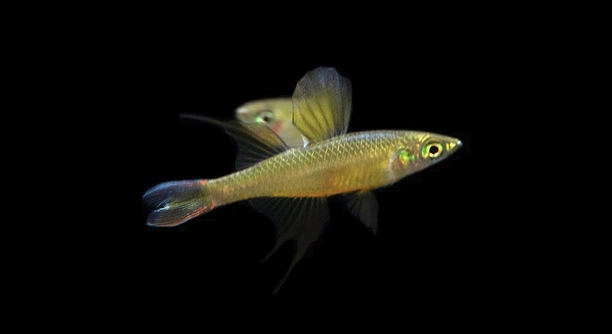
Do your Threadfin Rainbowfish seem restless or unusually skittish in their tank? Bright lighting can stress these delicate fish, affecting their natural colors and behaviors. Maintaining the right light intensity is essential for a healthy aquatic environment.
Excessive light in a Threadfin Rainbowfish tank can lead to heightened stress, color fading, and disrupted feeding patterns. Overexposure may also encourage algae growth, reducing water quality and overall tank stability, which negatively impacts the fish’s well-being.
Understanding how light affects your fish goes beyond simple aesthetics. Identifying subtle signs ensures a balanced environment for their long-term health and comfort.
Fading Colors
When the lighting in your Threadfin Rainbowfish tank is too strong, their natural colors can start to fade noticeably. These fish are naturally vibrant, but excessive light causes stress, which diminishes pigmentation over time. You might notice silvery tones replacing the usual bright reds, blues, or yellows. Faded colors are often one of the first signs that the tank’s light intensity is too high. Even short periods of overexposure can affect their appearance and energy levels. Adjusting the light gradually and providing shaded areas can help the fish recover their natural hues. Plants and decorations can be arranged to create gentle refuges, giving the fish breaks from constant illumination. Monitoring their behavior alongside color changes provides a clearer understanding of how lighting impacts them. Consistency in lighting duration and intensity is also important, as sudden changes can exacerbate stress. Over time, balanced light will restore vibrancy and improve overall fish health.
Bright light directly impacts color expression and behavior in Threadfin Rainbowfish.
Providing shaded spots and monitoring color changes ensures your fish regain their natural vibrancy without ongoing stress.
Restless Behavior
Excessive lighting often makes Threadfin Rainbowfish more restless. You may notice them darting rapidly, avoiding the top of the tank, or clustering near shaded areas. Overstimulation from bright light affects their natural routines, disrupting feeding and social interactions. Even minor overexposure can make them skittish and nervous. Adjusting light levels slowly can reduce agitation, while introducing floating plants or dim areas helps the fish feel secure. Observing their activity patterns alongside environmental changes allows you to fine-tune lighting without causing further stress. These behavioral shifts are usually more noticeable in smaller tanks, where the fish have limited space to escape intense light. Maintaining a consistent day-night cycle also supports normal behavior, reducing restlessness. Monitoring water parameters alongside lighting is essential, as high light often coincides with algae growth, which indirectly affects fish activity. Ultimately, a calm environment fosters healthier, more predictable behavior and prevents long-term stress effects on your Threadfin Rainbowfish.
Too much light disrupts their daily patterns and makes them uneasy.
Gradually adjusting light intensity and offering shaded zones helps restore calm behavior and encourages natural activity.
Hiding More Than Usual
Threadfin Rainbowfish may hide excessively when the tank light is too bright. You might notice them staying behind plants, rocks, or decorations for longer periods than normal.
Excessive hiding is a direct response to stress caused by overexposure to light. Fish naturally seek areas of lower brightness to feel secure. This behavior can interfere with feeding, as shy fish may avoid the top or center of the tank where food is offered. Providing consistent shaded areas and adjusting light gradually encourages them to explore the tank more confidently. Over time, reducing light intensity allows the fish to return to normal activity levels. Monitoring hiding patterns helps determine whether lighting adjustments are sufficient and whether additional tank modifications are needed.
Persistent hiding affects both social behavior and overall health. Fish that stay out of sight may miss meals, experience stress, and show slower growth, highlighting the importance of balanced lighting.
Algae Overgrowth
Too much light promotes rapid algae growth on tank surfaces, decorations, and plants. This can make the tank look untidy and reduce water quality.
Algae overgrowth competes with live plants for nutrients and oxygen, which can indirectly stress Threadfin Rainbowfish. Excess algae may cover hiding spots or limit swimming space, making fish feel confined and unsafe. Regular maintenance alone may not resolve the problem if lighting remains too intense. Adjusting the light schedule, reducing bulb intensity, or using floating plants to shade the water can help control algae naturally. Introducing algae-eating tank mates or performing partial water changes also supports a balanced environment, preventing overgrowth from becoming unmanageable. Observing how algae responds to these changes provides feedback on whether the tank’s lighting is suitable. Maintaining equilibrium between light and plant health ensures fish remain active, colorful, and stress-free.
Unchecked algae not only affects appearance but also reduces oxygen levels and space for fish activity, impacting long-term tank stability and fish health.
Clamped Fins
Threadfin Rainbowfish may clamp their fins when exposed to overly bright light. This is a stress response that limits movement and makes them appear smaller.
Clamped fins reduce swimming efficiency and indicate discomfort. Adjusting light intensity and creating shaded areas can help the fish relax and regain normal fin posture.
Loss of Appetite
Excessive light often causes Threadfin Rainbowfish to eat less. Bright conditions make them feel unsafe, and they may avoid feeding areas.
Providing dimmer zones and reducing light duration encourages natural feeding habits. Observing their appetite closely helps ensure they receive proper nutrition and maintain health.
Rapid Breathing
When stressed by bright light, Threadfin Rainbowfish may breathe rapidly. Their gills move faster as they try to cope with discomfort.
Monitoring breathing patterns is crucial, as prolonged rapid breathing can indicate ongoing stress or water quality issues that require immediate adjustment.
FAQ
How do I know if my Threadfin Rainbowfish tank is too bright?
Signs include faded colors, hiding more than usual, clamped fins, restlessness, and rapid breathing. Overexposed fish often avoid open areas, cluster under plants, or reduce feeding activity. Observing both behavior and physical appearance is the best way to gauge whether lighting is excessive.
What is the ideal light level for a Threadfin Rainbowfish tank?
A moderate light intensity that mimics natural daylight works best. Around 0.5 to 1 watt per liter is usually sufficient, depending on tank size and plant density. Providing areas of shade allows the fish to escape light when needed, reducing stress and encouraging natural behaviors.
How long should the lights be on each day?
A consistent day-night cycle of about 8 to 10 hours of light per day is recommended. Avoid leaving lights on for extended periods, as prolonged exposure increases stress, encourages algae growth, and can diminish color vibrancy. A timer can help maintain a steady schedule.
Can adjusting the lighting improve my fish’s health?
Yes, reducing brightness or providing shaded zones allows stressed fish to recover, improves feeding habits, and restores natural coloration. Adjustments should be gradual to prevent additional stress. Monitoring fish over several days helps assess whether changes are effective.
Do plants help regulate light for Threadfin Rainbowfish?
Live or floating plants are useful for shading and diffusing light. They create natural hiding spots, reduce stress, and help balance water quality. Arranging plants strategically can encourage exploration while giving fish safe retreats from bright areas.
How does algae growth relate to excessive lighting?
Bright light accelerates algae growth, which can cover tank surfaces and block shaded areas. This reduces swimming space and hiding spots, indirectly increasing stress levels. Controlling light duration and intensity, along with regular maintenance, helps manage algae while keeping the tank environment comfortable.
Is rapid breathing always caused by bright light?
Not always. Rapid breathing can indicate poor water quality, low oxygen, or disease. However, it is often a visible stress response to excessive lighting. Observing behavior alongside water parameters helps identify the underlying cause.
Can my fish recover from long-term exposure to too much light?
Yes, with gradual adjustments and careful monitoring. Providing shaded areas, reducing light intensity, and ensuring proper feeding and water quality allow fish to regain color, reduce hiding, and return to normal activity levels. Recovery may take several days to weeks.
Should I invest in specialized lighting for my tank?
Specialized aquarium lights designed for tropical fish help maintain consistent intensity and spectrum. These lights support plant growth while avoiding overstimulation for fish. Adjustable fixtures are particularly useful to fine-tune brightness according to tank needs.
How can I monitor whether lighting adjustments are effective?
Observe color vibrancy, feeding behavior, activity patterns, and breathing rate daily. Less hiding, more natural swimming, and brighter coloration indicate improvement. Tracking algae growth and water quality alongside fish behavior provides a complete picture of tank balance.
Are there risks to under-lighting the tank?
Yes, too little light can hinder plant growth and make colors appear dull. However, Threadfin Rainbowfish tolerate lower light better than excessive brightness. Balancing moderate light with shaded zones ensures fish comfort without sacrificing aesthetic or environmental stability.
What immediate steps should I take if I notice stress signs?
Reduce light intensity gradually, add floating plants or decorations for shade, check water parameters, and observe fish closely. Avoid sudden changes, as abrupt adjustments can worsen stress. Consistency and gradual correction are key to restoring a healthy tank environment.
Can changing the light spectrum help my fish?
Yes, cooler or neutral light spectra are less harsh and mimic natural daylight. Avoid overly bright white or blue lights, which can increase stress. A spectrum designed for tropical aquariums supports both fish well-being and plant health.
How important is the placement of lights in the tank?
Placement affects light distribution and intensity. Overhead lights that shine directly on the tank without diffusers can create hotspots, causing certain areas to be too bright. Positioning lights slightly higher and using diffusers ensures even coverage and reduces stress for fish.
Are there signs of recovery I should watch for?
Fish returning to open swimming areas, resuming normal feeding, displaying brighter colors, and relaxing fin posture indicate improvement. Rapid breathing should decrease, and algae overgrowth should stabilize as light exposure is balanced. Consistent observation confirms whether adjustments are successful.
Can I combine light reduction with other tank improvements?
Yes, addressing water quality, adding plants, and maintaining proper temperature alongside lighting adjustments ensures overall fish health. A holistic approach prevents stress from multiple sources and promotes long-term vitality in Threadfin Rainbowfish.
How long does it take to see changes after adjusting light?
Visible improvements, such as increased activity and reduced hiding, may appear within a few days. Full color restoration and behavioral normalization can take several weeks, depending on the extent of prior stress and environmental conditions.
Is it necessary to remove existing algae when adjusting light?
Yes, manually cleaning excess algae while adjusting light helps prevent blocked hiding spots and competition for nutrients. This supports fish comfort and encourages healthier tank conditions while the lighting balance is restored.
Do all Threadfin Rainbowfish react the same way to bright light?
Individual sensitivity varies, but most exhibit stress responses under excessive brightness. Observing each fish’s behavior helps tailor lighting adjustments, ensuring all members of the tank remain comfortable and healthy.
What tools can help manage lighting effectively?
Timers, adjustable light fixtures, and light diffusers provide precise control. Combining these tools with careful observation allows for consistent light schedules and intensity that meet both fish and plant needs.
Is it possible to prevent stress from lighting in new tanks?
Yes, starting with moderate light levels, creating shaded areas, and gradually acclimating fish reduces the risk of stress. Monitoring behavior and making minor adjustments early ensures a healthy environment from the beginning.
Final Thoughts
Maintaining the right lighting in a Threadfin Rainbowfish tank is essential for the health and well-being of your fish. Bright lighting can cause stress, hiding, color fading, and changes in behavior, which are all clear indicators that adjustments are needed. Over time, excessive light affects not only the fish but also the tank environment, promoting algae growth and reducing water quality. By paying attention to subtle signs such as clamped fins, restlessness, or rapid breathing, you can identify whether your tank is too bright before the issues become severe. Simple changes, like reducing the light intensity, providing shaded areas, or adding floating plants, can make a significant difference in their comfort. Regular observation and small, gradual adjustments help ensure that your fish are able to thrive and display their natural colors without stress or disruption.
It is important to consider both duration and intensity when managing tank lighting. Keeping the lights on for too long, even at moderate brightness, can still lead to negative effects. A consistent day-night cycle of eight to ten hours is generally sufficient for Threadfin Rainbowfish. Using timers or adjustable fixtures allows for precise control, ensuring that the tank environment remains stable. Additionally, the placement of lights matters; direct, harsh illumination can create hotspots, while diffused light provides a more even and comfortable environment. Plants, decorations, and hiding spots serve not only aesthetic purposes but also act as shelters for fish, giving them places to retreat from bright light. Monitoring algae growth alongside fish behavior provides insight into whether the lighting is balanced and whether further adjustments are needed. Maintaining a careful balance helps protect both the fish and the aquatic ecosystem, creating a healthier and more visually appealing tank.
Recovery from lighting stress is possible but requires patience and careful observation. Fish that have experienced overexposure will gradually regain their natural color, resume normal activity, and feed more reliably once adjustments are made. Gradual changes are critical; sudden reductions in light or abrupt modifications to the environment can cause additional stress, slowing recovery. By combining proper lighting control with consistent water quality, proper feeding, and a stable environment, you can prevent long-term negative effects and support the overall health of your Threadfin Rainbowfish. Paying attention to daily behavior, color vibrancy, and activity patterns ensures that any potential issues are addressed promptly. Creating a comfortable environment is not only beneficial for the fish but also makes the tank more enjoyable to observe, allowing you to appreciate the vibrant colors and natural behaviors that make Threadfin Rainbowfish so appealing. Over time, maintaining moderate light and observing their responses will result in a thriving, stress-free aquarium.

Hello,
If you enjoy the content that we create, please consider saying a "Thank You!" by leaving a tip.
Every little bit helps us continue crafting quality advice that supports the health, happiness, and well-being of pets around the world, for pets of all shapes, sizes, and species.
We really appreciate the kindness and support that you show us!