
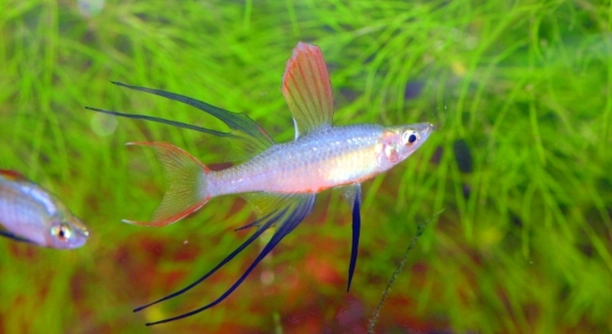
Do you ever find yourself admiring the shimmering colors of your threadfin rainbowfish but worrying about whether their tank environment is truly supporting their health? Maintaining a thriving tank requires attention to several subtle factors.
A healthy threadfin rainbowfish tank is indicated by stable water parameters, consistent feeding routines, clear water, active schooling behavior, proper tank decoration, absence of disease symptoms, and a balanced population density. These indicators collectively reflect a well-maintained aquatic habitat.
Recognizing these signs will help ensure your fish flourish while keeping their environment balanced, creating a more enjoyable and stress-free aquarium experience.
Stable Water Parameters
Maintaining stable water conditions is essential for the well-being of threadfin rainbowfish. They thrive in water with a temperature between 24–28°C, a pH of 6.5–7.5, and moderate hardness. Sudden fluctuations in these parameters can stress the fish, making them more vulnerable to disease. Regular testing with reliable kits allows for timely corrections, whether adjusting the pH, temperature, or ammonia levels. Equally important is consistent partial water changes, which help remove waste buildup, nitrates, and other harmful compounds. Filtration plays a crucial role, ensuring the water remains clean while supporting beneficial bacteria that aid in breaking down organic waste. Observing the behavior of the fish also provides insight; lethargy, loss of color, or erratic swimming can indicate water quality issues. By prioritizing stable water parameters, you establish a foundation for a thriving tank environment, reducing the likelihood of stress-related illnesses and promoting natural behaviors that reflect healthy fish.
Consistent water monitoring ensures fish remain vibrant, active, and stress-free, forming the backbone of a healthy rainbowfish tank.
Attention to water quality alone does not guarantee overall health. Filtration, circulation, and regular water changes all work together to maintain a balanced environment. Neglecting one aspect can lead to subtle but harmful imbalances. Temperature swings, even small ones, can reduce appetite or trigger immune system stress. Using a reliable heater and thermometer minimizes these risks. Equally, overfeeding contributes to nitrate accumulation, which strains water chemistry. Removing uneaten food and debris promptly prevents deterioration. Even plant matter, if decaying, can affect oxygen levels and pH. Regular observation of the fish and the tank environment allows for early detection of potential issues. By integrating monitoring, maintenance, and careful feeding, you create a habitat that supports natural behaviors, bright coloration, and overall resilience in threadfin rainbowfish. Each step builds toward a consistently healthy and thriving aquatic ecosystem, benefiting both the fish and your maintenance routine.
Active Schooling Behavior
Threadfin rainbowfish are naturally social and display active schooling behavior when comfortable. Observing them swimming together calmly indicates they feel secure, have adequate space, and experience low stress levels.
Watching fish interact as a cohesive group reflects a balanced tank, encouraging natural behaviors that support long-term health.
Active schooling is more than an aesthetic trait; it provides insight into the overall environment. Fish that scatter, hide, or show aggression may be experiencing stress, overcrowding, or water quality issues. Tank size, layout, and decoration impact schooling patterns, as open swimming areas allow coordinated movement while hiding spots provide safety when needed. Ensuring compatible tank mates and avoiding aggressive species maintains harmony within the group. Even feeding practices influence behavior; regular and appropriately sized meals encourage collective activity rather than competition. Observing the rhythm of their swimming, how often they interact, and whether they return to familiar positions offers clues about tank conditions. A healthy school of threadfin rainbowfish demonstrates stability in multiple aspects, from water parameters to population density, and provides a visual confirmation that the aquarium environment is supporting their natural instincts effectively.
Proper Tank Decoration
Tank decoration provides shelter and reduces stress for threadfin rainbowfish. Plants, rocks, and driftwood create hiding spots while leaving open areas for swimming. Avoid overcrowding to maintain good water circulation and visibility.
Decor placement affects behavior and health. Dense areas allow timid fish to retreat, while open spaces encourage schooling and activity. Live plants contribute to oxygenation and nitrate reduction, supporting water quality. Decorations should be arranged to prevent sharp edges or unstable structures that could injure fish. A balanced layout enhances natural movement, reduces aggression, and offers visual appeal. Maintaining cleanliness by removing decaying plant matter or debris is also important. The right combination of hiding spots and open areas ensures fish feel secure, thrive in their environment, and display natural behaviors.
Choosing decorations also involves considering maintenance. Rocks and driftwood must be cleaned to prevent algae buildup or bacterial growth. Live plants require pruning and monitoring for health. Positioning decorations for aesthetic appeal should not compromise swimming space. Providing variety in textures and heights allows fish to explore and engage in different activities. Regularly adjusting and cleaning decorations ensures ongoing comfort and reduces potential stress factors, making the tank environment more suitable for long-term health and vitality of threadfin rainbowfish.
Consistent Feeding Routine
A regular feeding schedule helps maintain health and reduces water quality issues. Feed small portions appropriate to the number of fish.
Balanced nutrition and portion control prevent overfeeding, which can lead to water pollution and obesity. High-quality flake, frozen, or live foods support growth, coloration, and energy.
Consistency in feeding impacts behavior and overall well-being. Fish accustomed to a routine become more active during feeding times, which can be observed as synchronized swimming and eagerness to eat. Overfeeding or irregular schedules can cause uneaten food to decay, increasing ammonia and nitrate levels, which stress fish and disrupt the tank ecosystem. Including a variety of foods ensures essential nutrients are met, enhancing immune function and coloration. Monitoring consumption helps adjust portions for changes in appetite or fish population. By feeding thoughtfully and consistently, you maintain both water quality and fish vitality, supporting a stable, thriving tank environment that encourages natural behavior patterns and overall health.
Clear Water
Clear water reflects proper filtration and regular maintenance. Cloudiness or discoloration can indicate waste buildup, algae growth, or bacterial imbalance.
Regular partial water changes and cleaning the substrate prevent toxins from accumulating. Monitoring clarity ensures the fish remain healthy and reduces stress from poor water conditions.
Absence of Disease Symptoms
Healthy fish display bright colors, smooth scales, and normal swimming patterns. Signs of disease include spots, torn fins, or unusual behavior.
Observing your fish daily helps catch issues early. Prompt intervention can prevent illness from spreading, supporting a stable and thriving tank environment.
Balanced Population Density
Overcrowding leads to stress, aggression, and rapid water quality decline. Maintaining an appropriate number of fish per tank volume ensures everyone has space to swim freely.
Regularly evaluating population prevents competition for food and hiding spots, helping all fish thrive.
FAQ
How often should I change the water in a threadfin rainbowfish tank?
Partial water changes should be performed weekly, replacing 20–25% of the tank water each time. This helps maintain stable water parameters, removes accumulated waste, and reduces nitrate buildup. Consistency is important to avoid sudden fluctuations that can stress your fish.
What temperature is ideal for threadfin rainbowfish?
They thrive in water between 24–28°C. Maintaining a steady temperature with a reliable heater ensures metabolic stability and prevents stress-related illnesses. Sudden changes in temperature can make them more susceptible to disease and reduce appetite.
What type of food is best for threadfin rainbowfish?
A varied diet of high-quality flakes, frozen foods, and live foods such as brine shrimp or daphnia supports growth, coloration, and energy. Offering a mixture of protein and vegetable-based foods ensures all nutritional needs are met.
How can I tell if my fish are stressed?
Signs of stress include loss of color, lethargy, erratic swimming, hiding, or refusal to eat. Observing your fish regularly allows you to catch stress indicators early and adjust water conditions, tank setup, or population density to improve their well-being.
Can I keep threadfin rainbowfish with other species?
Yes, they are peaceful and can coexist with similar-sized, non-aggressive fish. Avoid overly aggressive or much larger species, as these can intimidate or harm them. Proper stocking ensures harmony, reduces stress, and allows schooling behavior to remain natural.
How important are plants in the tank?
Live plants improve oxygen levels, provide shelter, and help absorb nitrates, contributing to a stable environment. They also create hiding spots for shy fish, encourage natural behaviors, and enhance the visual appeal of the tank without compromising swimming space.
How can I prevent diseases in my tank?
Maintaining stable water parameters, a consistent feeding routine, and regular cleaning minimizes disease risk. Quarantining new fish before introduction and monitoring for early signs of illness also helps protect the existing population and keeps the environment healthy.
What should I do if a fish becomes sick?
Isolate the affected fish in a separate tank and identify the symptoms. Treat according to the condition, adjust water parameters if necessary, and remove uneaten food promptly. Early intervention improves recovery chances and prevents the spread of illness.
How many threadfin rainbowfish should I keep together?
A minimum of six fish is recommended to support schooling behavior. Avoid overcrowding, as it increases aggression, stress, and waste buildup. Proper population density maintains social interaction, encourages natural swimming patterns, and promotes overall health.
How do I maintain clear water long-term?
Use an efficient filtration system, perform weekly partial water changes, and remove debris or decaying plant matter. Avoid overfeeding and monitor water parameters regularly. Clear water supports fish health, reduces stress, and enhances the aesthetic appeal of the aquarium.
Can decorations affect fish health?
Yes, decorations provide shelter and reduce stress, but overcrowding or sharp edges can harm fish. Arrange plants, rocks, and driftwood to allow open swimming areas while offering hiding spots. Regular cleaning prevents algae buildup or bacterial growth.
How often should I test water parameters?
Testing should be done at least once a week, including pH, ammonia, nitrite, nitrate, and temperature. Consistent monitoring allows for early detection of imbalances and timely corrective actions, ensuring a stable and healthy tank environment.
Are threadfin rainbowfish sensitive to lighting?
Moderate, consistent lighting supports plant growth and highlights natural coloration without causing stress. Avoid sudden changes or overly bright lights, as these can trigger hiding behavior or disrupt normal activity patterns.
What are the signs of overfeeding?
Uneaten food accumulating on the substrate, cloudy water, increased algae growth, and lethargic behavior indicate overfeeding. Reducing portion sizes and removing excess food promptly prevents water quality deterioration and supports fish health.
How do I maintain a balanced diet for my fish?
Rotate between flakes, frozen foods, and occasional live foods. Include both protein and vegetable-based options. Observe consumption to adjust portions and ensure no fish are left hungry, which helps maintain energy, coloration, and overall vitality.
This FAQ addresses common concerns, offering practical guidance for sustaining a healthy, thriving threadfin rainbowfish tank through careful monitoring, feeding, and environmental management.
Final Thoughts
Maintaining a healthy threadfin rainbowfish tank requires consistent attention to several key aspects of the aquarium environment. Stable water parameters are the foundation of fish health, and monitoring temperature, pH, and hardness regularly ensures that the fish remain comfortable and stress-free. Partial water changes, proper filtration, and careful removal of debris help prevent harmful waste buildup and keep the water clear. By establishing a routine, you create a reliable environment that allows the fish to display natural behaviors and reduces the likelihood of illness. Every small step in maintaining water quality, from testing parameters to adjusting as needed, contributes to the long-term vitality of your rainbowfish, ensuring they thrive in their habitat rather than merely surviving.
Equally important is the structure and layout of the tank. Proper decoration, including live plants, rocks, and driftwood, provides hiding spots and reduces stress, while open swimming areas encourage active schooling and natural interaction among the fish. Balanced population density prevents overcrowding, aggression, and competition for resources, allowing all fish to thrive comfortably. Observing behavior regularly, from swimming patterns to coloration, gives early insight into the overall health of the tank. Consistent feeding routines and a varied diet further support growth, immune function, and energy levels. Attention to these elements creates a harmonious environment where fish feel secure, active, and healthy, which in turn makes maintaining the tank easier and more enjoyable.
Finally, vigilance and proactive care are essential for sustaining a thriving aquarium over time. Early detection of disease, overfeeding, or environmental imbalance prevents minor issues from becoming serious problems. Monitoring water clarity, feeding habits, and fish behavior allows you to respond promptly to any changes, maintaining stability in the ecosystem. Every action, from choosing suitable tank mates to cleaning decorations and adjusting feeding portions, contributes to a healthier and more balanced habitat. By combining careful observation with regular maintenance and thoughtful planning, you support not only the physical health of your threadfin rainbowfish but also the overall harmony of their tank. With steady care, your aquarium can remain a vibrant, lively, and stress-free space where the fish flourish naturally.

Hello,
If you enjoy the content that we create, please consider saying a "Thank You!" by leaving a tip.
Every little bit helps us continue crafting quality advice that supports the health, happiness, and well-being of pets around the world, for pets of all shapes, sizes, and species.
We really appreciate the kindness and support that you show us!