
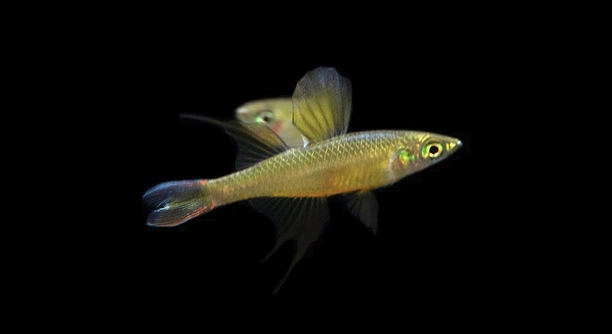
Do you ever notice your Threadfin Rainbowfish suddenly scattering across the tank after days of swimming together? Observing their behavior can be both confusing and concerning, especially for those who enjoy maintaining a harmonious aquarium environment.
Threadfin Rainbowfish may stop shoaling due to stress, changes in water conditions, or illness. Environmental factors, social dynamics, and diet inconsistencies can influence their natural schooling behavior, causing temporary or prolonged separation from the group.
Understanding these triggers can help restore balance and encourage healthy group behavior in your tank over time.
Changes in Water Conditions
Water quality is one of the most critical factors affecting Threadfin Rainbowfish shoaling behavior. Sudden fluctuations in temperature, pH, or hardness can make fish feel unsafe, prompting them to scatter. Even minor shifts in ammonia, nitrite, or nitrate levels can trigger stress, leading to temporary isolation. These fish thrive in stable, well-filtered environments with regular water changes. Introducing new decorations, substrate, or plants without proper acclimation can also alter their sense of security. Monitoring water parameters daily helps identify potential stressors early. Additionally, overcrowding or underpopulating the tank can influence how these fish interact, as they rely on numbers for comfort and coordination. Observing their behavior during feeding times and active hours can indicate whether changes in water quality are affecting them. Providing hiding spots and a gentle flow of water helps them feel secure and may encourage a return to natural shoaling. Consistent maintenance keeps the aquatic environment predictable.
Proper filtration, stable temperature, and regular monitoring ensure the fish feel secure and maintain normal group behavior.
By keeping water conditions steady and consistent, Threadfin Rainbowfish are more likely to resume normal shoaling. Regular testing, avoiding sudden changes, and ensuring adequate oxygenation all contribute to a comfortable habitat. Small adjustments, like gradual temperature shifts or slow introduction of new tank items, prevent unnecessary stress. Observing fish daily for signs of discomfort, such as erratic swimming or hiding, allows for timely intervention. Maintaining proper pH and mineral levels also supports their natural behavior. Additionally, balancing tank population and providing visual cover ensures they have both social and environmental security. Over time, these measures restore confidence in the fish, making them more likely to swim together naturally. Even subtle changes, like uneven water flow or bright lighting, can affect their sense of safety. Careful planning and patience are key to sustaining a peaceful, healthy aquarium where Threadfin Rainbowfish can thrive in groups as they are naturally inclined to do.
Social and Behavioral Factors
Stress from new tankmates or competition can make Rainbowfish stop shoaling.
Social dynamics strongly affect Threadfin Rainbowfish behavior. When a new fish is introduced, or if dominant individuals assert themselves, others may separate temporarily. Observing interactions helps identify aggressive or shy individuals. Maintaining a balanced group with compatible sizes reduces stress. Additionally, fish may isolate when spawning or when feeling threatened, which is natural but should be monitored. Providing enough space and avoiding sudden rearrangements of the tank environment encourages calm group behavior. Understanding their social needs ensures the shoal remains cohesive and healthy over time.
Diet and Feeding Patterns
Inconsistent feeding schedules or poor diet quality can affect Threadfin Rainbowfish behavior. Lack of nutrients may make them lethargic or irritable, causing them to separate from the group temporarily. Regular, balanced meals help maintain energy and social cohesion.
A diet rich in high-quality flakes, pellets, and occasional live or frozen foods supports their health and activity levels. Insufficient protein or vitamins can reduce energy, making fish less likely to shoal. Overfeeding, on the other hand, can cause water quality issues, indirectly stressing the fish. Observing how they respond during feeding times helps identify dietary problems early, and adjusting portion sizes ensures each fish receives enough nutrition without overloading the tank. Maintaining variety in diet also stimulates natural behaviors and encourages active swimming, which supports shoaling instincts.
Feeding at consistent times, monitoring intake, and offering diverse food options promote stable energy levels. Healthy fish are more confident in staying together. Ensuring proper nutrition contributes directly to overall social and behavioral stability in your tank.
Illness and Health Issues
Physical illness or internal parasites can lead Threadfin Rainbowfish to stop shoaling, as affected fish often isolate. Early detection is crucial to prevent the spread and maintain group cohesion.
Symptoms like faded colors, clamped fins, irregular swimming, or lack of appetite indicate health problems. Fish may hide or separate from the shoal to conserve energy or avoid harassment from healthier tankmates. Quarantining sick fish and consulting proper treatment methods helps restore their health. Routine observation and preventive care, such as maintaining clean water and a balanced diet, reduce the risk of illness. Even minor injuries can disrupt shoaling temporarily, so careful monitoring is essential to identify issues early and maintain a healthy, cohesive group.
Monitoring water conditions, maintaining hygiene, and treating illnesses promptly help Threadfin Rainbowfish recover and return to normal social behavior. Regular health checks and preventive measures minimize disruptions to shoaling. Observing subtle behavioral changes allows for early intervention, ensuring that the group remains stable and active. By keeping fish healthy and stress-free, their natural tendency to swim together can be maintained consistently.
Tank Size and Space
Insufficient space can cause Threadfin Rainbowfish to stop shoaling. Crowded conditions increase stress and aggression, making fish separate to avoid conflict. Adequate swimming area supports natural group behavior and reduces tension within the shoal.
Providing a spacious tank with open swimming areas encourages cohesive shoaling. Overcrowding limits movement, leading to frustration and isolation.
Lighting and Environmental Stress
Harsh or inconsistent lighting can make Threadfin Rainbowfish uneasy, prompting temporary separation. Fish prefer stable, moderate lighting that mimics natural conditions. Sudden changes in brightness or prolonged exposure to intense light may trigger stress responses, causing them to scatter and avoid the group.
Breeding and Shoaling Behavior
During breeding periods, Threadfin Rainbowfish may temporarily stop shoaling. Males become territorial, and females may isolate to spawn. This natural behavior is short-term, and fish typically resume normal shoaling once reproductive activities conclude. Monitoring the tank during this time ensures minimal conflict and a safe environment for all individuals.
Seasonal Changes
Shifts in temperature or daylight cycles can influence shoaling patterns. Fish may adjust behavior in response to seasonal variations, often leading to temporary separation. Maintaining stable conditions helps minimize stress and preserves group cohesion.
FAQ
Why do my Threadfin Rainbowfish separate even though the water looks fine?
Even when water appears clear, small fluctuations in temperature, pH, or hardness can stress fish. Threadfin Rainbowfish are sensitive to subtle changes. Maintaining stable conditions, checking ammonia, nitrite, and nitrate levels, and ensuring proper filtration helps prevent stress-induced separation.
Can introducing new fish cause my rainbowfish to stop shoaling?
Yes, adding new fish can disrupt social dynamics. Dominant individuals may assert themselves, causing others to isolate temporarily. Introducing new fish gradually and providing hiding spots reduces stress and encourages the group to reestablish cohesion naturally.
How does diet affect shoaling behavior?
A poor or inconsistent diet can make Threadfin Rainbowfish less active and less likely to shoal. Offering a balanced mix of high-quality flakes, pellets, and occasional live or frozen foods supports energy, health, and natural group behavior. Overfeeding should also be avoided to maintain water quality.
Could illness be the reason for separation?
Sick or parasitized fish often isolate themselves to conserve energy or avoid harassment. Signs include faded colors, clamped fins, erratic swimming, or reduced appetite. Quarantining affected fish and treating illnesses promptly helps restore shoaling behavior and protects the rest of the group.
Does tank size matter for shoaling?
Absolutely. Crowded conditions increase stress and aggression, causing fish to separate. Providing ample swimming space supports natural movement, reduces tension, and allows fish to maintain cohesive group behavior comfortably.
Do lighting changes affect their behavior?
Yes, harsh or inconsistent lighting can make Threadfin Rainbowfish uneasy. Sudden shifts in brightness or prolonged intense light can trigger stress responses. Stable, moderate lighting that mimics natural daylight encourages normal shoaling and reduces avoidance behavior.
Why do fish stop shoaling during breeding?
During breeding, males often become territorial while females may isolate to spawn. This is a natural behavior and usually temporary. Ensuring a safe environment and sufficient space reduces conflict, allowing fish to resume normal shoaling after reproductive activity.
Can seasonal changes influence shoaling?
Threadfin Rainbowfish may adjust their behavior in response to changes in temperature or daylight. Seasonal shifts can cause temporary separation, but maintaining stable tank conditions helps minimize stress and encourages the group to remain cohesive.
What are signs my fish are stressed and may stop shoaling soon?
Indicators include erratic swimming, hiding, clamped fins, reduced appetite, or sudden color changes. Early detection allows for adjustments in water quality, diet, lighting, or social environment to prevent long-term behavioral issues.
How long does it take for fish to return to normal shoaling?
The time varies depending on the cause. Minor water or lighting changes may see fish resuming normal behavior within hours, while stress from social disruption or illness may take days. Patience, consistent care, and monitoring are essential to restore cohesion.
Can environmental enrichment help maintain shoaling?
Yes, adding plants, decorations, and hiding spots can make fish feel secure, encouraging natural group behavior. Proper placement ensures open swimming areas while giving fish refuge when needed, reducing stress-induced separation.
Is it normal for older fish to stop shoaling occasionally?
Older or weaker fish may occasionally separate due to reduced energy or health issues. Monitoring their behavior and ensuring proper nutrition, water quality, and space helps them rejoin the group safely.
How can I prevent my Threadfin Rainbowfish from stopping shoaling in the future?
Maintaining stable water parameters, consistent feeding, adequate space, proper lighting, and monitoring social dynamics are key. Regular observation allows early detection of stress, illness, or behavioral changes, helping preserve natural shoaling patterns and overall fish health.
Are some fish naturally more independent within the shoal?
Yes, individual temperament varies. Some fish may occasionally stray from the group without being stressed or ill. Providing adequate space, hiding spots, and consistent conditions ensures these natural tendencies don’t disrupt overall group cohesion.
Does temperature fluctuation affect shoaling immediately?
Threadfin Rainbowfish are sensitive to sudden temperature changes. Even minor shifts can trigger stress and temporary separation. Gradual adjustments during maintenance or seasonal changes help minimize disruption and maintain group swimming behavior.
Can sudden tank rearrangements cause separation?
Yes, moving decorations, changing substrate, or altering hiding spots can make fish feel unsafe. Gradual adjustments, maintaining familiar landmarks, and providing sufficient cover help fish regain confidence and resume shoaling naturally.
How often should I monitor water parameters to prevent shoaling issues?
Daily or every other day is recommended, especially for sensitive species like Threadfin Rainbowfish. Frequent checks for pH, ammonia, nitrite, nitrate, and temperature help detect issues early, reducing stress and preventing group separation.
Does overcrowding permanently affect shoaling?
Persistent overcrowding can cause chronic stress, aggression, and long-term disruption of group behavior. Ensuring proper tank size relative to the number of fish is essential for healthy, cohesive shoaling.
Can stress from external factors, like loud noises, impact shoaling?
Yes, sudden vibrations, loud sounds, or frequent disturbances can frighten fish, prompting temporary separation. Minimizing environmental stressors helps maintain a stable, comfortable group dynamic.
Is it necessary to quarantine new fish to maintain shoaling?
Quarantining new fish prevents the spread of disease and allows the established shoal to adjust gradually to new additions. This reduces stress and ensures smooth reintegration, preserving normal group behavior.
Final Thoughts
Threadfin Rainbowfish are naturally social creatures, and observing them shoal is one of the most rewarding aspects of keeping them. Their behavior can change for a variety of reasons, many of which are environmental, dietary, or health-related. Sudden separation from the group is often a sign that something in their surroundings is affecting them. Maintaining stable water conditions, proper temperature, and consistent lighting helps create a safe environment that encourages natural group behavior. Even small fluctuations in pH, hardness, or chemical levels can create stress, and it is important to monitor these regularly. A clean, well-filtered tank with regular partial water changes helps reduce stress and keeps the fish feeling secure. Providing enough swimming space, hiding spots, and environmental enrichment allows the fish to move comfortably and express natural behaviors, reducing the likelihood of sudden shoaling issues. Paying attention to their daily routines and interactions also offers valuable insight into their well-being, making it easier to address minor problems before they escalate.
Diet plays a significant role in maintaining healthy shoaling behavior. Threadfin Rainbowfish require a varied and balanced diet that includes high-quality flakes or pellets, as well as occasional live or frozen foods. Inconsistent feeding schedules or poor nutrition can reduce their energy levels and cause them to separate from the group. Overfeeding, on the other hand, can affect water quality, indirectly causing stress. Observing how the fish respond during feeding times helps identify dietary deficiencies or behavioral changes early. Maintaining proper nutrition supports overall health, vitality, and social cohesion within the shoal. In addition to diet, monitoring the social dynamics of the tank is important. Dominant or aggressive individuals can temporarily disrupt shoaling, especially when new fish are introduced or during breeding periods. Providing a balanced group, adequate space, and visual cover can help minimize conflicts and support the natural tendencies of the shoal.
Health and preventive care are also critical factors in promoting stable shoaling behavior. Illness, parasites, or minor injuries can cause fish to isolate themselves, and early detection is key to restoring normal interactions. Regular observation for signs of stress, unusual swimming patterns, or changes in appetite allows timely intervention. Quarantining sick fish and following proper treatment measures ensures the rest of the shoal remains unaffected. Seasonal changes, temperature fluctuations, and sudden tank rearrangements can also influence behavior, but with consistent care and attention, fish usually return to normal shoaling quickly. By focusing on water quality, diet, social balance, and preventive health care, it is possible to maintain a thriving, cohesive group of Threadfin Rainbowfish. Understanding their needs and responding to environmental or social changes ensures that these fish remain active, healthy, and comfortably shoaling in your aquarium for years to come.

Hello,
If you enjoy the content that we create, please consider saying a "Thank You!" by leaving a tip.
Every little bit helps us continue crafting quality advice that supports the health, happiness, and well-being of pets around the world, for pets of all shapes, sizes, and species.
We really appreciate the kindness and support that you show us!