
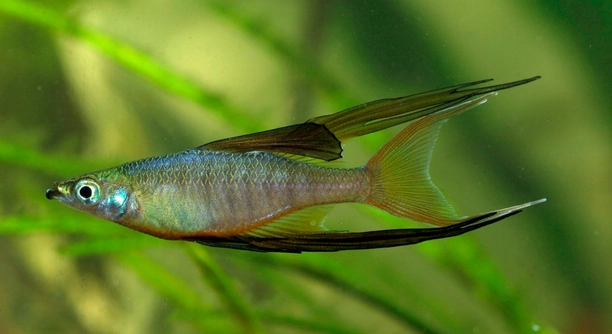
Threadfin rainbowfish are small, colorful freshwater fish often kept in home aquariums. They are lively swimmers, enjoying open spaces and gentle water flow, which allows them to display their natural agility and vibrant movements in their habitat.
Threadfin rainbowfish are capable of swimming against moderate currents, relying on their streamlined bodies and strong fins. However, extremely strong or continuous currents can exhaust them, reducing their ability to maintain position and potentially impacting overall health and well-being.
Knowing how currents affect these fish can help you create an ideal tank environment. Proper flow ensures their safety, activity, and long-term health in a home aquarium.
Understanding Threadfin Rainbowfish Swimming Abilities
Threadfin rainbowfish are naturally active swimmers, adapted to moderate currents in their natural habitats. Their slender, streamlined bodies allow them to move efficiently through water, using their fins to maintain balance and direction. In aquariums, they often explore the entire tank, demonstrating bursts of speed when navigating around plants or decorations. While they can handle gentle to moderate flow, continuous strong currents can stress them, causing fatigue or limiting their movement. Observing their behavior can indicate whether the current is suitable; signs of struggle include resting frequently, clinging to surfaces, or erratic swimming. Tank setup also plays a role. Providing areas with slower flow, such as behind plants or ornaments, allows the fish to rest while still enjoying active swimming. Proper water filtration and flow control can mimic natural conditions, improving health and longevity. Careful monitoring ensures these fish remain vibrant, healthy, and able to exhibit their natural agility.
Creating a tank with varied flow zones helps the fish thrive and reduces stress from constant swimming against strong currents.
Understanding the balance between current and rest is essential. By providing both active and calm areas, threadfin rainbowfish can maintain energy and natural behaviors. Excessive current can lead to reduced appetite, weaker immune response, and increased vulnerability to disease. Placement of plants, rocks, and driftwood can break water flow, creating microhabitats that allow the fish to choose their preferred environment. Regular observation is crucial; watching how they navigate different areas can guide adjustments in flow or tank layout. Additionally, considering tank mates is important, as more aggressive swimmers can increase competition and stress. Filtration systems should be adjusted to maintain oxygenation without producing constant strong currents. By managing flow thoughtfully, aquarists ensure their threadfin rainbowfish exhibit natural swimming patterns, enjoy mental stimulation, and remain healthy. Consistent attention to tank conditions promotes longevity and a more active, engaging aquarium display.
Effects of Strong Currents on Health
Strong currents in a tank can strain threadfin rainbowfish, affecting their overall health and behavior.
Excessive water flow forces them to expend extra energy constantly, which can reduce growth, lower immunity, and cause chronic stress. Observing their swimming patterns helps identify areas that need adjustment for their comfort.
When exposed to continuous strong currents, threadfin rainbowfish may experience physical and behavioral consequences. Constant effort to swim against high flow can lead to muscle fatigue, slower reaction times, and increased susceptibility to illness. Over time, they might avoid certain areas of the tank, limiting feeding opportunities and social interactions. Stress from strong currents can manifest as color fading, irregular swimming, or hiding excessively, signaling the need for tank modifications. Adjusting flow with baffles, decorations, or repositioning filters can create calmer zones, allowing fish to rest while still engaging with the environment. Proper water parameters, nutrition, and varied tank areas work together to counteract the negative effects of strong currents. By carefully balancing flow and providing safe spaces, threadfin rainbowfish can maintain optimal health, energy, and natural behavior patterns.
Adjusting Aquarium Flow
Moderate currents are best for threadfin rainbowfish. Too strong, and they tire easily; too weak, and they may become less active. Adjusting filter output and using baffles can help create areas with varying flow for comfort and natural behavior.
Positioning plants and decorations strategically can reduce excessive flow while maintaining circulation. Dense plant clusters, rocks, and driftwood act as barriers, slowing water in certain areas and providing resting spots. This allows fish to choose between active swimming and calmer spaces. Observing their movement daily helps fine-tune the setup. The goal is to mimic natural conditions, balancing activity and rest without compromising water quality or oxygenation. Proper adjustments lead to healthier, more vibrant fish.
Monitoring behavior is key. Fish that continually struggle against the current need immediate adjustments. Over time, maintaining flow diversity improves fitness, reduces stress, and supports natural swimming patterns. Using multiple flow zones, both strong and gentle, ensures threadfin rainbowfish remain energetic yet protected, preventing long-term fatigue.
Feeding and Current Interaction
Strong currents can impact feeding efficiency in threadfin rainbowfish. They may struggle to reach floating or slow-sinking food, causing uneven nutrition and stress.
Providing food near calmer zones ensures all fish can access it without excessive effort. Using sinking pellets or dispersing flakes slowly allows fish to eat naturally. Overfeeding can worsen water quality, so balanced portions are crucial. Observation during feeding helps identify which areas need adjustment to support proper nutrition. Maintaining consistent feeding routines in moderate flow areas promotes growth, health, and overall well-being for the fish in the aquarium.
Flow management during feeding also affects social dynamics. Fish that can reach food easily may dominate, leaving weaker swimmers undernourished. Creating multiple feeding zones or gently introducing food in different areas helps distribute access fairly. Pairing flow adjustments with feeding practices encourages natural foraging behaviors, reduces competition, and prevents stress-induced health issues. Over time, threadfin rainbowfish show improved vitality, brighter coloration, and balanced energy levels when currents are tailored for both swimming and feeding needs. Careful management ensures the aquarium remains a stable, healthy environment for all inhabitants.
Ideal Tank Setup
Threadfin rainbowfish thrive in tanks with moderate flow and open swimming areas. Plants, rocks, and driftwood provide resting spots and help break strong currents. A balanced environment supports their natural behavior and reduces stress.
Filtration should provide sufficient circulation without creating constant strong currents. Adjustable filters or baffles help manage flow, ensuring calmer zones for rest.
Choosing Compatible Tank Mates
Selecting tank mates is important. Other peaceful, moderately active fish work best. Aggressive or fast swimmers can outcompete threadfin rainbowfish for food and space, increasing stress and fatigue.
Observing Swimming Behavior
Regular observation of swimming patterns helps detect stress or discomfort. Fish struggling against flow may require adjustments in tank layout or current strength to maintain health and natural activity.
Maintaining Water Quality
Strong currents can improve oxygenation, but over-filtration may disturb fish. Monitor parameters like temperature, pH, and ammonia levels to ensure a stable environment that promotes well-being and vibrant activity.
FAQ
Can threadfin rainbowfish handle strong currents long-term?
Threadfin rainbowfish can swim against moderate currents for short periods, but prolonged exposure to strong flow can exhaust them. Continuous strong currents increase stress levels, reduce feeding efficiency, and may lead to weakened immunity. They perform best in aquariums with varied flow, allowing both active swimming and resting areas.
What is the ideal current speed for threadfin rainbowfish?
Moderate flow, roughly simulating gentle river or stream conditions, is ideal. Currents should not push the fish constantly. Using adjustable filters, flow baffles, or creating sheltered zones with plants and rocks helps achieve the right balance for swimming and rest.
How can I tell if the current is too strong?
Signs include frequent resting against surfaces, erratic swimming, hiding excessively, or faded coloration. Observing these behaviors allows adjustments to tank flow to prevent fatigue and health issues. Healthy fish swim actively but can navigate to calmer areas easily.
Do tank size and shape affect swimming against currents?
Yes. Longer tanks give threadfin rainbowfish more space to swim and regulate effort, while small or narrow tanks intensify the impact of currents. Tank layout, including plants and decorations, also affects flow patterns and resting opportunities.
Can strong currents affect feeding behavior?
Absolutely. Fish may struggle to reach floating or slow-sinking food in high-flow areas. Feeding in calmer zones ensures they can eat without excessive energy expenditure. Multiple feeding points help all fish get access fairly, reducing stress and competition.
Are there any health risks from swimming against strong currents?
Continuous effort to overcome strong currents can lead to muscle fatigue, stress, reduced immunity, and slower growth. Over time, this can make fish more prone to disease. Providing varied flow zones reduces these risks and promotes natural behavior.
What decorations or plants help manage currents?
Dense plants, driftwood, and rock formations break up strong flow and create resting zones. Floating plants can also reduce surface turbulence. Proper placement ensures the fish can choose between active swimming areas and calmer spaces.
Do threadfin rainbowfish prefer any current patterns?
They favor areas with gentle, steady flow interspersed with calm spots. This allows exercise while preventing fatigue. Mimicking natural stream conditions with varying flow encourages natural swimming patterns and overall well-being.
How often should I adjust the current?
Adjustments are usually needed only if behavioral signs indicate stress, after changing tank layout, or when adding new tank mates. Consistent observation helps maintain optimal flow without frequent unnecessary changes.
Can current affect breeding?
Yes. Strong currents may interfere with egg-laying and fry survival, as eggs can be displaced and fry may struggle to swim. Calm zones improve breeding success and protect young fish.
Does filter type matter for flow control?
Yes. Adjustable power filters or sponge filters are ideal because they provide sufficient circulation while allowing fine-tuning of flow strength. Avoid filters that create constant high-speed currents that can exhaust the fish.
Are there alternatives to strong flow for oxygenation?
Surface agitation through air stones or gentle circulation can maintain oxygen levels without creating high-speed currents. This ensures fish can swim comfortably while water remains well-oxygenated.
How do tank mates influence current tolerance?
Active or aggressive swimmers can increase stress if currents are high. Choosing peaceful, similarly sized fish ensures fair access to food and swimming space, reducing overall fatigue and maintaining balanced behavior.
Can adjusting current improve color and activity?
Yes. When flow is appropriate, threadfin rainbowfish display brighter coloration and remain energetic. Excessive currents cause fatigue, dulling color and reducing activity levels, so maintaining balance is crucial for a visually healthy aquarium.
Is it necessary to measure current speed?
While not mandatory, using flow meters or observing water movement can help fine-tune conditions. Fish behavior remains the most practical indicator, but measurement ensures consistent and safe flow.
What long-term benefits come from proper flow management?
Balanced currents reduce stress, improve feeding, encourage natural swimming patterns, support growth, and enhance immunity. Thoughtful tank setup creates a healthier, more active, and visually vibrant environment for threadfin rainbowfish.
How do I combine flow control with other tank maintenance?
Flow adjustments should complement regular water changes, monitoring of pH and temperature, and filtration upkeep. This ensures overall stability, keeps water clean, and maintains optimal conditions for both swimming and general health.
Can strong currents be temporarily used for exercise?
Short bursts of higher flow can stimulate activity, but should be brief and monitored. Continuous exposure is harmful. Providing calm areas immediately afterward allows fish to recover energy.
Are younger fish more sensitive to current?
Juvenile threadfin rainbowfish are less strong swimmers and can tire quickly. Flow should be gentle in tanks with young fish, with sheltered areas to prevent exhaustion and support growth.
How do seasonal changes affect current needs?
In warmer months, increased metabolism may make stronger currents more tolerable, but prolonged high flow can still stress fish. Seasonal observation helps maintain appropriate flow without compromising health.
Can current influence social behavior?
Yes. Strong currents can isolate weaker swimmers, reduce interaction, and increase hiding behavior. Properly balanced flow encourages natural schooling and social activity without forcing continuous exertion.
What is the best method to introduce changes in flow?
Gradually adjust filter output or rearrange decorations to alter flow in small increments. Sudden changes can shock the fish and increase stress. Observation after each adjustment ensures they adapt comfortably.
How do I maintain a balance between flow and tank aesthetics?
Positioning plants and decorations to break currents while keeping open swimming areas creates a visually appealing setup. Flow should support fish activity without compromising the tank’s layout or natural look.
Can strong currents affect water temperature?
Excessive movement may slightly increase surface evaporation, which can alter temperature over time. Monitor and adjust heaters or cover the tank to maintain stable conditions, ensuring fish comfort and health.
Are there signs of improved well-being from proper flow?
Fish will swim confidently, display vibrant coloration, feed efficiently, and interact naturally. Calm zones allow resting while active areas promote exercise, reflecting a healthy balance in tank management.
How important is observation in current management?
Observation is critical. Behavior, color, swimming patterns, and feeding efficiency provide the most reliable indicators of whether flow is suitable. Adjustments should always be guided by these signs rather than guesswork.
Does tank height or depth influence current effects?
Yes. Taller tanks can create vertical flow challenges, making it harder for fish to navigate. Shorter, wider tanks allow more horizontal swimming and easier rest zones, reducing stress from strong currents.
Can strong currents cause injuries?
Prolonged high flow may lead to fin damage, bruising, or collisions with tank walls and decorations. Providing protective zones and breaking strong currents reduces physical harm while maintaining activity.
What is the long-term impact of ignoring current stress?
Chronic exposure to strong currents can lead to weakened immunity, stunted growth, reduced reproduction, and increased susceptibility to disease. Early detection and flow adjustments are essential to prevent these outcomes.
Are there any flow patterns that mimic natural habitats?
Threadfin rainbowfish do best with gentle, steady currents interspersed with calm zones, similar to rivers or slow-moving streams. Mimicking these conditions supports natural behavior, swimming efficiency, and overall health.
How frequently should I re-evaluate tank flow?
Flow should be checked regularly, especially after changing filters, decorations, or tank inhabitants. Continuous monitoring ensures the environment remains suitable for swimming, feeding, and overall well-being.
Do environmental factors outside the tank affect swimming?
Temperature fluctuations, light cycles, and water chemistry influence activity. Consistent, moderate conditions combined with proper flow ensure threadfin rainbowfish remain healthy and active.
Can improper flow affect breeding behavior?
Yes. Calm areas are essential for egg-laying and fry survival. Strong currents may displace eggs and stress adult fish, reducing breeding success and overall reproductive health.
How do I correct excessive flow without compromising filtration?
Install flow baffles, adjust filter output, or use dense plant areas to reduce direct current. These methods maintain circulation and oxygenation while protecting fish from fatigue and stress.
Does water level influence current strength?
Higher water levels may increase surface flow speed, while lower levels reduce circulation. Adjusting water height and filter positioning helps maintain optimal swimming conditions.
Are there specific tank shapes better suited for threadfin rainbowfish?
Long, wide tanks are ideal, allowing horizontal swimming and easy access to calmer areas. Narrow or tall tanks can amplify current effects, increasing fatigue and stress.
Can I combine multiple filter types for better flow control?
Yes. Combining sponge filters with adjustable power filters can provide oxygenation and gentle currents simultaneously. This approach allows precise control while accommodating natural swimming behavior.
What is the best way to monitor fish during flow adjustments?
Observe swimming patterns, feeding behavior, and interactions. Healthy fish swim freely, feed efficiently, and display natural schooling. Behavioral changes indicate a need for further adjustments.
Can flow impact overall lifespan?
Yes. Properly managed currents reduce stress, improve health, and support growth, leading to longer, healthier lives. Conversely, constant strong currents can shorten lifespan by increasing fatigue, stress, and disease susceptibility.
How does water clarity affect swimming in currents?
Clear water ensures fish can navigate efficiently. Murky or debris-filled water increases effort against currents and can cause collisions, stress, or injuries. Regular maintenance maintains both clarity and safe swimming conditions.
Is there a correlation between current and social hierarchy?
Fish that manage currents better may dominate feeding and territory, while weaker swimmers retreat. Balanced flow and feeding zones help maintain equitable access and reduce stress within the group.
How important is temperature in combination with current?
Temperature affects metabolism and swimming stamina. In warmer water, fish may tolerate slightly stronger currents, while in cooler water, they tire faster. Maintaining consistent temperature supports balanced energy expenditure and reduces stress.
Do artificial decorations influence flow more than plants?
Yes, hard decorations often redirect water more dramatically than plants. Proper placement ensures safe swimming areas while providing sheltered zones for rest. Combining both creates natural flow patterns without overexerting fish.
How can I encourage natural swimming despite moderate currents?
Provide open areas with intermittent flow and calm spots. Encourage exploration by placing feeding zones and hiding spaces strategically, allowing fish to swim actively while having energy-saving zones nearby.
Can flow adjustments be seasonal?
Yes. Seasonal changes in temperature and activity levels may warrant slight flow modifications. Observing behavior during different seasons helps maintain optimal swimming conditions year-round.
Do threadfin rainbowfish need constant flow for oxygenation?
No. Moderate currents combined with surface agitation or air stones provide sufficient oxygen without exhausting the fish. Flow should focus on supporting swimming and comfort rather than maximizing circulation.
How does current interact with tank cleaning routines?
Strong currents can disperse debris unevenly during cleaning. Turn down filter flow or temporarily adjust currents during maintenance to prevent stress and allow effective cleaning.
Are there risks to suddenly reducing current?
Sudden reductions can confuse fish used to moderate flow but are less stressful than continuous strong currents. Gradual adjustments are always preferable for maintaining natural behavior.
Can flow impact schooling behavior?
Yes. Fish may school tightly to conserve energy in strong currents or spread out in calmer zones. Properly balanced flow encourages natural schooling patterns without causing exhaustion.
Is monitoring behavior better than measuring flow speed?
Observation is the most practical indicator. Behavioral signs reveal stress or comfort levels more reliably than numerical flow measurements alone.
How do I balance aesthetics with functional flow?
Use plants, driftwood, and rocks to break currents while keeping open swimming areas. Flow should support activity and rest without disrupting visual appeal or accessibility in the tank.
Can improper flow lead to fin damage?
Yes. Strong currents can cause fins to tear against decorations or tank walls. Creating calmer zones and adjusting flow reduces physical injuries and maintains healthy appearance.
Does lighting interact with swimming behavior?
Bright lighting may increase activity, causing more energy expenditure against currents. Adjusting flow with lighting cycles helps balance energy and reduce stress.
Can flow affect mating displays?
Yes. Calm areas encourage courtship and egg-laying. Strong currents disrupt displays and may reduce breeding success. Providing sheltered zones supports natural reproductive behaviors.
How do I combine current management with water changes?
Turn down flow during maintenance to reduce stress, then restore moderate currents afterward. Maintaining stable water quality alongside flow ensures healthy, active fish.
What long-term observations indicate successful flow management?
Fish remain energetic, feed evenly, display vibrant color, school naturally, and show minimal stress signs. Balanced flow supports health, behavior, and longevity consistently over time.
How can I test new flow configurations?
Introduce small changes gradually and monitor behavior over several days. Adjust as needed until fish swim confidently, feed efficiently, and use both active and calm zones comfortably.
Is current strength more critical than water chemistry?
Both matter. Proper flow supports swimming and comfort, while water chemistry ensures health. Balanced attention to both factors produces the best outcomes for threadfin rainbowfish.
Can young fish adapt to stronger currents over time?
Juveniles can gain strength gradually, but exposure should be moderate. Forcing strong currents too early can exhaust or harm developing fish, so incremental adjustments are safest.
Do seasonal plant growth or tank changes affect currents?
Yes. Plants and decorations can alter water flow patterns over time. Regular observation and adjustments maintain consistent and suitable swimming conditions.
Can water additives affect swimming behavior?
Some treatments can alter water density or stress fish temporarily. Ensure additives are used correctly and monitor behavior to prevent negative interactions with current.
Are there natural methods to reduce stress from strong currents?
Providing shelter, creating multiple flow zones, feeding in calm areas, and maintaining proper water conditions naturally reduce stress while allowing exercise and exploration.
How often should I review tank layout for flow optimization?
Every few months or after major changes, like adding new decorations or fish. Regular review ensures currents remain suitable and the environment supports natural swimming patterns.
Does tank cleaning frequency influence swimming behavior?
Yes. Proper cleaning reduces debris and maintains flow consistency. Over-cleaning or disrupting the substrate can temporarily disturb currents and stress fish.
Can substrate type affect current impact?
Fine sand or smooth gravel reduces turbulence compared to larger rocks, minimizing stress from strong currents while allowing safe resting areas.
What is the impact of current on stress hormone levels?
Prolonged exposure to strong flow increases stress hormones, affecting growth, immunity, and overall well-being. Balancing currents reduces physiological stress and supports long-term health.
Can introducing new fish change flow requirements?
Yes. More active or larger fish may alter swimming patterns and energy expenditure. Adjusting flow ensures all inhabitants can swim comfortably and access food fairly.
Are there DIY methods to control current?
Yes. Adding baffles, repositioning filter outlets, or using floating decorations can reduce strong flow without expensive equipment, giving fish calm zones and natural swimming areas.
How do I prevent fatigue from strong currents?
Provide calm zones, break up flow with decorations, and monitor fish behavior. Gradual adjustments and resting areas reduce exhaustion and maintain healthy activity.
Can strong currents affect fin regrowth after injury?
Yes. Excessive flow can hinder healing by causing constant movement and contact with surfaces. Calm zones promote recovery and minimize further damage.
Do different life stages require different flow levels?
Yes. Juveniles need gentler currents, adults tolerate moderate flow, and older fish may require calmer areas. Adjusting flow supports swimming ability and reduces stress at each stage.
Can temperature extremes amplify current stress?
Yes. High or low temperatures can increase energy expenditure against currents. Maintaining stable temperature minimizes additional stress, ensuring safe swimming conditions.
Is it better to have a uniform flow or variable flow?
Variable flow is preferable. Alternating strong and calm zones allows exercise and rest, promoting health, natural behavior, and reduced fatigue in threadfin rainbowfish.
Can too little current be harmful?
Yes. Insufficient flow may reduce activity, encourage stagnant water, and decrease oxygenation. Moderate, balanced currents maintain vitality and support overall well-being.
Does water hardness affect swimming in currents?
Water hardness primarily affects physiology rather than swimming directly, but extreme hardness may stress fish, reducing stamina and tolerance to stronger currents.
How do I balance multiple tanks with different flow needs?
Adjust filters individually based on species requirements. Observe behavior in each tank to maintain suitable conditions for all inhabitants.
Can sudden power outages impact swimming behavior?
Yes. Loss of current can cause temporary confusion or clustering. Gradually restoring flow after outages helps fish readjust comfortably.
Do seasonal lighting changes influence energy against currents?
Yes. Increased light can increase activity, causing higher energy expenditure. Balanced lighting and flow support consistent behavior and reduce fatigue.
Are there signs of over-exertion besides resting frequently?
Yes. Other signs include irregular swimming, faded color, fin clamping, reduced feeding, and hiding. Monitoring these signs helps prevent long-term health issues.
Can I train fish to adapt to stronger currents?
Gradual exposure helps build stamina, but care is needed. Sudden strong currents can cause stress or injury, so incremental adjustments are safest.
Is water temperature more important than current for metabolism?
Both affect metabolism. Temperature influences energy levels, while flow impacts energy expenditure. Proper balance ensures fish remain active without exhaustion.
Can flow influence territorial behavior?
Yes. Strong currents may concentrate activity, causing competition over calmer zones. Balanced flow helps maintain fair access to space and reduces conflict.
Do artificial or natural decorations influence swimming efficiency?
Both affect flow differently. Rocks and driftwood redirect water, while plants slow currents gradually. Combining both ensures effective zones for activity and rest.
How do I balance current for a mixed-species tank?
Consider the weakest or least active species when adjusting flow. Ensure all fish have access to calm zones and feeding areas to minimize stress.
Can flow adjustments reduce aggression in the tank?
Yes. Calm zones reduce competition and provide safe spaces, decreasing stress-induced aggression and promoting harmonious behavior.
Are there seasonal considerations for young fish in currents?
Yes. Juveniles may be more sensitive during temperature or light changes. Moderate flow with protected areas ensures safe development and healthy growth.
Does substrate slope affect current impact?
Yes. Sloped or uneven substrate can create faster local currents. Flat or gently contoured substrates reduce turbulence and allow safer resting spots.
Can strong currents cause long-term behavioral changes?
Yes. Chronic exposure may lead to fatigue, hiding behavior, or reduced activity. Proper flow management prevents lasting stress and maintains natural swimming patterns.
Do floating plants help regulate current for threadfin rainbowfish?
Yes. Floating plants reduce surface turbulence, provide shade, and create calm zones, helping fish conserve energy while swimming.
Can strong currents interfere with schooling?
Yes. Fish may compress into tighter groups to conserve energy, which can affect social dynamics. Balanced flow supports natural schooling behavior
Final Thoughts
Threadfin rainbowfish are active, lively fish that thrive when their environment closely mimics their natural habitat. Proper management of water currents plays a central role in supporting their well-being. Moderate currents encourage exercise, allowing them to swim freely and maintain healthy muscles. At the same time, calmer areas are essential for resting, feeding, and reducing stress. Balancing strong and gentle flow creates a safe, stimulating environment that supports their natural behavior patterns and overall health. Observing how these fish move and interact within the tank helps determine whether adjustments are necessary.
Maintaining appropriate currents is not just about creating a comfortable swimming environment. It also affects feeding, social behavior, and long-term health. Strong, constant currents can exhaust the fish, reducing appetite and energy levels. They may hide more, school less, and become more susceptible to disease. Providing multiple flow zones ensures all fish have access to resting areas and can navigate the tank without overexerting themselves. Decorations, plants, and driftwood serve as natural barriers to moderate water flow, allowing fish to choose the best area for their activity. Gradually adjusting flow, observing fish behavior, and creating calm zones can prevent stress while maintaining the benefits of gentle exercise.
Long-term care of threadfin rainbowfish requires attention to both physical and environmental factors. Consistent water quality, proper nutrition, and temperature management complement flow adjustments, promoting growth, color vibrancy, and longevity. Regular observation is crucial for identifying early signs of stress, fatigue, or behavioral changes caused by unsuitable currents. By thoughtfully arranging the tank, managing flow, and providing accessible feeding zones, aquarists create a stable and supportive environment. Properly balanced currents allow threadfin rainbowfish to swim confidently, interact naturally with tank mates, and maintain optimal health, ensuring a vibrant and engaging aquarium display for years.

Hello,
If you enjoy the content that we create, please consider saying a "Thank You!" by leaving a tip.
Every little bit helps us continue crafting quality advice that supports the health, happiness, and well-being of pets around the world, for pets of all shapes, sizes, and species.
We really appreciate the kindness and support that you show us!