
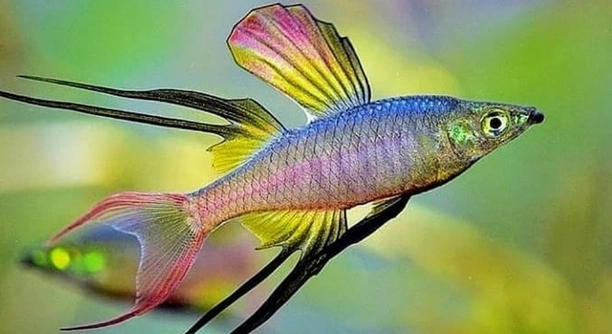
Do you enjoy keeping threadfin rainbowfish but notice changes in their usual swimming patterns and interactions? Observing these fish can be rewarding, yet certain conditions in their environment may subtly alter their social behavior over time.
Threadfin rainbowfish social behavior can be disrupted by factors such as overcrowding, sudden changes in water temperature, inconsistent feeding schedules, poor water quality, aggressive tank mates, lack of hiding spaces, and frequent handling, all of which influence their interactions and stress levels.
Recognizing these situations early can help maintain a balanced environment for your fish and support their natural social dynamics in the aquarium.
Overcrowding in the Tank
Overcrowding is a common issue in home aquariums that can heavily affect threadfin rainbowfish. When too many fish occupy a limited space, competition for food and territory rises. This can lead to stress, aggression, and a breakdown in normal social interactions. Fish may hide more often or chase one another, disturbing the usual harmony. Observing their swimming patterns and noting signs of stress like rapid gill movement or erratic swimming can indicate overcrowding. Adjusting the number of fish and providing adequate space helps restore balance. Proper tank size and careful planning when adding new fish are essential. It also allows each fish to establish its own territory and feel secure, which is vital for maintaining social structures. Overcrowding not only impacts social behavior but can also compromise overall health, making them more susceptible to disease and reducing their lifespan if left unaddressed.
Reducing the number of fish or upgrading the tank can quickly improve social interactions.
Giving each fish enough space supports natural behavior, decreases stress, and encourages peaceful swimming and interaction in the aquarium.
Sudden Water Temperature Changes
Even minor fluctuations in water temperature can unsettle threadfin rainbowfish. They are sensitive to abrupt shifts, which can affect metabolism, activity levels, and social interactions. Maintaining stable water temperature is crucial for preserving their natural behaviors.
Temperature swings stress fish, causing reduced movement, hiding, or aggression. Sudden drops may make them lethargic, while rapid increases can trigger erratic swimming and fighting. Fish in a tank with inconsistent heating may fail to establish social hierarchies properly, disrupting group dynamics. Long-term exposure to fluctuating temperatures weakens their immune system, leading to vulnerability to disease. Gradual adjustments, a reliable heater, and regular monitoring ensure a stable environment. Temperature stability supports natural feeding patterns and allows fish to interact comfortably, reducing stress-induced conflict. Paying attention to seasonal changes and room temperature variations also helps maintain consistency. A calm, predictable environment encourages proper schooling behavior, peaceful coexistence, and healthier fish overall. Understanding the relationship between temperature and social behavior allows caretakers to intervene effectively and sustain the natural rhythm of the aquarium.
Inconsistent Feeding Schedules
Skipping or irregular feeding can confuse threadfin rainbowfish. They rely on routine for comfort and social stability, and unpredictable feeding may lead to competition or aggression within the tank.
When fish cannot anticipate feeding times, they may become more territorial or aggressive toward each other. Some may dominate feeding areas while others hide, creating social imbalance. Inconsistent feeding can also affect their growth and energy, leading to weaker individuals who struggle to maintain social roles. Regular, measured feeding helps maintain calm and predictable behavior, supporting overall health and group harmony. Establishing a consistent routine reassures the fish and reduces stress-related conflicts, allowing them to interact naturally.
Providing food at the same time daily and in appropriate amounts keeps fish healthy and supports stable social behavior.
Poor Water Quality
Dirty or improperly maintained water can severely impact fish behavior. High ammonia, nitrite, or nitrate levels increase stress and irritability, disrupting social interactions among threadfin rainbowfish.
Fish exposed to poor water quality often exhibit lethargy, erratic swimming, or increased hiding. Over time, these conditions weaken immune systems, making them prone to disease. Maintaining clean water through regular changes, monitoring parameters, and using proper filtration is critical for healthy behavior. Stable water conditions promote normal schooling, interaction, and feeding, allowing the natural social hierarchy to form. Neglecting water quality leads to persistent stress and aggression, preventing fish from establishing normal routines. Proper water maintenance ensures they remain active, comfortable, and socially balanced in their environment.
Aggressive Tank Mates
Aggressive fish can intimidate threadfin rainbowfish, leading to stress and withdrawal. Conflicts over territory or food disrupt normal social patterns.
Even non-lethal aggression creates tension, causing shy fish to hide and reducing group cohesion. Careful selection of peaceful companions is essential to maintain harmony and healthy interactions.
Lack of Hiding Spaces
Without plants, rocks, or decorations, threadfin rainbowfish feel exposed and vulnerable. Hiding spots allow them to rest and escape stress.
A tank lacking shelter increases anxiety and disrupts schooling behavior. Providing adequate cover reduces stress, encourages natural behavior, and allows fish to interact safely.
Frequent Handling
Excessive handling or moving fish between tanks can stress them significantly. Stress reduces social interaction and may trigger defensive behavior, making them less active and more withdrawn.
Light and Noise Disturbances
Sudden loud noises or intense lighting can startle fish, interrupting normal social behavior. Threadfin rainbowfish prefer calm environments with stable lighting conditions.
FAQ
What is the ideal tank size for threadfin rainbowfish?
Threadfin rainbowfish need enough space to swim freely and maintain their social hierarchy. A minimum tank size of 30 gallons is recommended for a small group, with larger tanks preferred for bigger groups. Adequate space reduces stress and allows each fish to establish territory.
How many threadfin rainbowfish should I keep together?
These fish are schooling species and do best in groups of at least six. Smaller groups can cause shy individuals to be isolated or bullied. Keeping enough fish supports natural interactions, reduces aggression, and encourages active swimming patterns.
How often should I feed them?
Regular feeding is key to maintaining social stability. Feeding twice a day with small, measured portions works well. Overfeeding can pollute water, while inconsistent schedules may trigger stress or competition, disrupting social behavior.
What type of food is best for them?
A varied diet of high-quality flakes, frozen, or live foods is ideal. Including small insects or brine shrimp provides protein and keeps them healthy. Balanced nutrition ensures energy for normal activity and interaction.
How can I prevent aggression in the tank?
Choose peaceful tank mates and avoid overcrowding. Providing hiding spots like plants and rocks helps reduce tension. Observing interactions and separating aggressive individuals if needed ensures calm social behavior.
How often should I change the water?
Regular water changes of 20–30% weekly maintain water quality. Clean water prevents buildup of ammonia, nitrites, or nitrates, which can cause stress and social disruption. Using a reliable filtration system complements routine changes.
What water temperature is best?
Threadfin rainbowfish thrive in stable water temperatures between 24–28°C (75–82°F). Avoid sudden fluctuations, as these can stress fish, leading to hiding, aggression, or disrupted schooling. Consistent temperature supports normal social patterns.
Do they need special lighting?
Moderate lighting that mimics a natural day-night cycle is sufficient. Avoid intense or flickering lights that can startle fish. Gradual changes in light help maintain calm behavior and reduce stress-related social issues.
How do I know if my fish are stressed?
Signs include hiding, reduced swimming, rapid gill movement, or sudden aggression. Stress can result from overcrowding, poor water quality, inconsistent feeding, or aggressive tank mates. Identifying these signs early allows for adjustments to restore social balance.
Can handling affect their behavior?
Yes, frequent handling or moving them between tanks increases stress. Minimize handling to avoid disrupting their normal interactions. When necessary, use gentle techniques and provide hiding spots immediately after relocation to help them feel secure.
How important are hiding spots?
Hiding spaces are crucial for feeling safe. Plants, rocks, or decorations reduce stress and allow fish to rest or escape aggression. Proper cover encourages natural schooling and balanced social behavior, improving overall well-being.
How can I introduce new fish without causing conflict?
Quarantine new fish first and add them slowly to the tank. Rearranging decorations before introduction can help prevent territorial disputes. Observing the group closely during the first days ensures harmony and minimizes stress for all fish.
Do environmental changes affect social behavior?
Yes, sudden changes in water parameters, temperature, or tank layout can disrupt interactions. Gradual adjustments and monitoring help maintain calm behavior and prevent unnecessary stress or aggression.
How can I encourage healthy schooling behavior?
Provide enough space, consistent feeding, and a peaceful environment. Adding plants or decorations allows natural interaction and reduces tension. Proper lighting and temperature also contribute to a stable, active group dynamic.
What common mistakes disrupt their social behavior?
Overcrowding, inconsistent feeding, poor water quality, aggressive tank mates, lack of hiding spots, frequent handling, and abrupt environmental changes are primary disruptors. Avoiding these ensures threadfin rainbowfish maintain normal social patterns and overall health.
Final Thoughts
Caring for threadfin rainbowfish requires careful attention to their environment and behavior. These fish are naturally social and rely on stable conditions to interact peacefully. Disruptions such as overcrowding, poor water quality, or sudden changes in temperature can quickly affect their behavior, leading to stress or aggression. Maintaining a proper tank setup with enough space, hiding spots, and compatible companions is essential. Consistent feeding schedules and high-quality food also support their health and social stability. Observing their behavior regularly allows caretakers to notice early signs of stress, making it easier to address issues before they escalate. The well-being of threadfin rainbowfish depends on creating an environment that mirrors their natural habitat as closely as possible, allowing them to exhibit natural schooling and social patterns.
Providing adequate hiding places and structured territories helps reduce conflicts and ensures that each fish feels secure. Plants, rocks, and other decorations give them spaces to rest or escape tension from more dominant individuals. Tank mates should be selected carefully, focusing on peaceful species to prevent unnecessary competition or aggression. Consistent water parameters are crucial for their overall health, as fluctuations in temperature or chemistry can disrupt normal behavior. Regular maintenance, including water changes and filtration checks, keeps conditions stable and safe. Small adjustments, such as spacing out feeding times or rearranging decorations, can make a noticeable difference in maintaining calm social dynamics. Attention to these details ensures that threadfin rainbowfish remain active, healthy, and well-adjusted within their aquarium environment.
Understanding the needs of threadfin rainbowfish helps prevent many common behavioral issues. Stressors like frequent handling, sudden noises, or inconsistent lighting should be minimized to maintain a calm and predictable environment. By focusing on proper tank size, water quality, and social groupings, caretakers can support natural schooling behavior and reduce tension. Observing interactions closely allows for timely interventions if aggression or withdrawal occurs. Healthy social behavior is a key indicator of overall fish health, and maintaining it requires ongoing care and attention. With proper management, threadfin rainbowfish thrive, displaying their natural beauty and dynamic social interactions, making them rewarding to care for.

Hello,
If you enjoy the content that we create, please consider saying a "Thank You!" by leaving a tip.
Every little bit helps us continue crafting quality advice that supports the health, happiness, and well-being of pets around the world, for pets of all shapes, sizes, and species.
We really appreciate the kindness and support that you show us!