
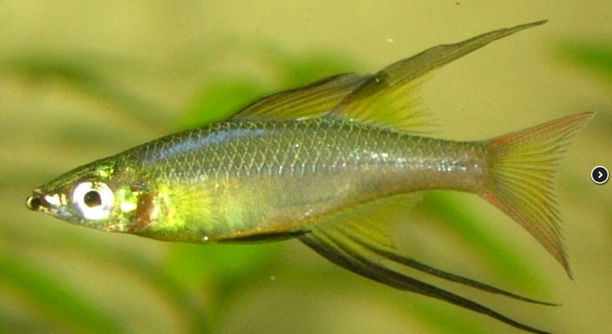
Have you ever introduced threadfin rainbowfish to a new aquarium and wondered how long they might take to feel comfortable? These vibrant fish are lively and curious, but settling into a new tank can take some patience.
Threadfin rainbowfish typically require one to two weeks to acclimate to a new environment. During this period, they gradually adjust to water conditions, tank mates, and feeding routines, displaying calmer and more consistent behavior once fully settled.
Understanding their adjustment period will help you provide a smoother transition. Observing these changes ensures the fish remain healthy and thrive in their new home.
Preparing the Tank for Threadfin Rainbowfish
Setting up the aquarium correctly is the first step to helping threadfin rainbowfish settle in quickly. Start with a tank of at least 30 gallons to provide enough swimming space. Use a fine gravel or sand substrate, which is gentle on their delicate fins. Add live plants such as Java fern, hornwort, or floating plants to create hiding spots and reduce stress. Maintain a stable temperature between 72 and 78°F, and keep the pH around 6.5 to 7.5. Installing a gentle filter is important, as strong currents can overwhelm these fish. Lighting should be moderate, mimicking natural day and night cycles. Make sure to cycle the tank fully before introducing the fish to establish beneficial bacteria. Gradually adding decorations and plants over several days can help them feel safe. A well-prepared tank reduces stress, encourages normal behavior, and promotes overall health.
Following these steps ensures that the fish are more likely to adjust smoothly and display natural behavior sooner.
Proper tank setup not only improves comfort but also minimizes illness and aggressive behavior among tank mates.
Acclimating Threadfin Rainbowfish
Acclimation should be slow to prevent shock. Float the sealed bag in the tank for 15–20 minutes to equalize temperature.
After temperature adjustment, gradually mix small amounts of tank water into the bag over one hour. This step allows the fish to adjust to pH, hardness, and other water parameters. Avoid dumping the fish directly into the tank, as sudden changes can cause stress or death. Observe their behavior closely during the first few hours. They may hide, swim near the bottom, or show rapid gill movement, all signs of adjustment. Feeding should start only after the fish appear comfortable, usually after one to two days. Providing high-quality flake or pellet food supplemented with live or frozen options helps maintain their health. Regular monitoring of water parameters and gentle handling ensures the fish continue to adapt safely. Consistent care during this period sets the foundation for long-term well-being and vibrant coloration.
Signs Your Threadfin Rainbowfish Is Settling In
Threadfin rainbowfish will gradually explore the tank more confidently. They begin swimming in open areas and interact calmly with other fish.
Initially, they may remain near plants or decorations, avoiding open spaces. Over several days, watch for smoother, more fluid movements and normal feeding behavior. Healthy coloration and active swimming indicate comfort. Stress signs, such as clamped fins or hiding constantly, should decrease. Observing these changes helps determine if tank conditions are suitable. Consistency in temperature, feeding, and water quality encourages them to settle faster.
Social behavior becomes more evident as they acclimate. They may form loose groups or follow each other across the tank. Aggressive tendencies typically lessen, and curiosity increases. Monitoring interactions with tank mates ensures harmony. Adjustments in feeding schedules or minor tank rearrangements may be necessary if stress signs persist. Patience is key, as every fish adjusts at its own pace, and gradual observation helps maintain their health and well-being.
Water Quality and Its Effect
Stable water quality is critical for threadfin rainbowfish health. Regular testing ensures ammonia, nitrite, and nitrate remain at safe levels. Proper filtration and partial water changes support stable conditions.
Even slight fluctuations in temperature, pH, or hardness can cause stress. Monitoring and maintaining these factors reduces illness risk and promotes faster acclimation. Water changes should be done carefully to avoid shocking the fish. Introducing new fish only after testing and stabilizing water parameters ensures compatibility. Using dechlorinated water and a reliable filtration system helps maintain the balance needed for their immune systems and natural behavior. Proper water care supports vibrant colors and active swimming.
Keeping the water consistent also impacts feeding habits and social interactions. Fish are more likely to explore and feed regularly when their environment feels secure. Sudden changes can trigger hiding, loss of appetite, or lethargy. Maintaining a stable routine, checking water parameters frequently, and observing fish behavior ensures they remain healthy. Small adjustments, like gradual temperature shifts or careful tank rearrangement, help them continue settling in without stress. Regular attention to water quality is essential for long-term comfort and vitality.
Feeding Habits During Acclimation
Threadfin rainbowfish may eat less during the first few days in a new tank. Offer small, frequent meals to avoid overfeeding.
Once they begin eating consistently, gradually increase portion sizes. A balanced diet of flake, pellet, and occasional live food supports growth and health.
Ideal Tank Mates
Peaceful, similar-sized fish are best companions for threadfin rainbowfish. Avoid aggressive species that may stress them. A community tank with danios, rasboras, or small tetras usually works well.
Lighting and Environment
Moderate lighting encourages natural activity without causing stress. Bright lights can make shy fish hide, while dim lighting supports calm behavior.
Common Stress Factors
Sudden changes in water, temperature, or tank layout can stress threadfin rainbowfish. Regular observation helps catch issues early, ensuring smooth adaptation.
FAQ
How long does it usually take for threadfin rainbowfish to fully settle in?
Threadfin rainbowfish generally take one to two weeks to adjust to a new tank. During this period, they may hide, swim cautiously, or avoid food. Gradual observation of their behavior helps gauge when they are fully comfortable. Consistent water conditions, feeding, and tank environment play a major role in shortening the adjustment time.
What are the signs that my rainbowfish is stressed?
Stress can show in several ways. Common signs include clamped fins, hiding constantly, loss of appetite, rapid gill movement, or unusual swimming patterns. Pale colors or sudden aggression toward tank mates can also indicate stress. Monitoring these behaviors allows you to address issues quickly.
Can I speed up their settling process?
Yes, but carefully. Maintain stable water parameters, provide plenty of hiding spots, and introduce them slowly. Avoid sudden water changes or rearranging the tank during the first week. Gradual acclimation during bag introduction and keeping feeding routines consistent also supports faster adjustment.
How often should I feed threadfin rainbowfish during acclimation?
Feeding small amounts two to three times daily is recommended at first. Watch for consumption and avoid overfeeding, as leftover food can affect water quality. Once they start eating consistently, portion sizes can increase to standard feeding levels. Offering a mix of flakes, pellets, and occasional live or frozen food ensures proper nutrition.
Is it okay to keep them with other fish right away?
It is possible, but select peaceful species of similar size. Aggressive or much larger fish can intimidate rainbowfish and prolong settling. Introduce new tank mates gradually, ensuring the environment is stable and stress-free for everyone. Observation during the first few days is critical to prevent conflicts.
What water parameters are ideal for settling?
Threadfin rainbowfish prefer temperatures between 72–78°F, pH 6.5–7.5, and soft to moderately hard water. Ammonia and nitrite should be at zero, while nitrate should remain low. Maintaining these parameters consistently supports health, reduces stress, and promotes quicker acclimation.
Should I rearrange the tank during their settling period?
It’s best to keep the tank layout stable during the first one to two weeks. Sudden changes can cause stress and hiding behavior. Once the fish are comfortable, minor adjustments for enrichment are fine, but always monitor their reactions closely.
How can I tell when they are fully settled?
Signs of full adjustment include active swimming in open areas, consistent feeding, bright coloration, and social interaction with tank mates. Hiding behavior should decrease, and they should respond calmly to normal tank maintenance. Regular observation helps confirm their comfort.
Do lighting conditions affect their adaptation?
Yes. Moderate lighting works best. Bright lighting may make them shy or hide, while too dim light can reduce activity. Mimicking natural day and night cycles with a consistent light schedule encourages normal behavior and supports overall health.
Are temperature fluctuations a problem during settling?
Even small temperature swings can stress threadfin rainbowfish. Keep water stable within the preferred range and avoid sudden changes during feeding or maintenance. Consistency helps them adjust more quickly and reduces the risk of illness.
How do I maintain water quality during their adjustment?
Regular monitoring of ammonia, nitrite, nitrate, and pH is essential. Perform partial water changes carefully to avoid shocking the fish. Using a reliable filter and dechlorinated water ensures a stable environment that supports healthy behavior and stress-free acclimation.
Can live plants help them settle faster?
Yes, live plants provide hiding spots, reduce stress, and improve water quality. Dense foliage allows shy fish to feel safe while exploring. Combining floating plants and rooted varieties creates layers of cover that encourage natural behavior and comfort during the first weeks in a new tank.
What should I do if my fish refuses to eat?
If they skip meals for a day or two, it is usually normal. Avoid forcing food. Offer small portions multiple times daily and try varied food types. If the behavior continues beyond a few days, check water parameters and tank conditions, as prolonged refusal can indicate stress or illness.
How important is tank size for settling?
A larger tank, at least 30 gallons, allows threadfin rainbowfish space to explore and reduces stress. Crowded conditions can prolong hiding and increase aggression. Adequate swimming space promotes active behavior, normal feeding, and faster adjustment to the new environment.
Can sudden noise or movement affect them?
Yes, loud noises, tapping, or sudden activity near the tank can startle them. During the acclimation period, keep the environment calm. Minimizing disturbances supports faster adjustment and reduces stress-related behaviors like hiding or darting.
How long should I wait before introducing new fish?
It’s best to wait until rainbowfish show consistent feeding, normal swimming, and calm social behavior. Usually, this takes one to two weeks. Introducing new fish too soon can cause stress and slow the settling process, so patience is essential.
Are there any common mistakes to avoid during settling?
Avoid sudden water changes, overfeeding, aggressive tank mates, or frequent tank rearrangements. Failing to monitor water parameters or introducing fish too quickly are also common issues. Careful observation and a stable environment ensure the fish adapt smoothly and stay healthy.
Can acclimation affect their coloration?
Yes, stressed or unsettled fish may appear pale. As they adjust, colors usually brighten and become more vibrant. Providing proper water conditions, nutrition, and calm surroundings helps restore and maintain natural coloration.
Do juveniles settle faster than adults?
Juveniles are generally more adaptable and adjust faster, but still need proper care. Adults may take longer to feel secure due to established behaviors. Patience, stable water conditions, and appropriate tank setup support both age groups in settling effectively.
Is it necessary to quarantine before introducing rainbowfish?
Quarantine is recommended to prevent disease transfer. A separate tank for two weeks allows observation of health, reduces stress, and ensures a safe introduction into the main aquarium. This practice protects both new and existing fish, supporting long-term adaptation.
How can I tell if the fish is happy in the tank?
Active swimming, normal feeding, bright colors, and interaction with other fish are signs of comfort. Minimal hiding and calm behavior during maintenance indicate they feel secure. Regular observation ensures their well-being and confirms successful settling in the new environment.
Final Thoughts
Threadfin rainbowfish are lively, colorful fish that can bring energy and beauty to a home aquarium. Helping them settle into a new tank takes patience and careful attention to detail. While some may adjust quickly, others may take several days or even a couple of weeks to feel completely comfortable. Providing the right tank environment, including stable water conditions, appropriate temperature, and plenty of hiding spots, is essential to their well-being. A properly set-up aquarium gives them space to explore and gradually build confidence, reducing stress and encouraging natural behavior. Monitoring their behavior during this period helps identify any issues early and allows you to make small adjustments to improve their comfort.
Feeding plays an important role in the acclimation process. During the first days in a new tank, threadfin rainbowfish may eat less as they become familiar with their surroundings. Offering small, frequent meals and gradually introducing a balanced diet of flakes, pellets, and occasional live or frozen food supports both their health and settling process. Watching for changes in appetite and activity can provide insight into how well they are adjusting. Consistency in feeding times and portions helps create a sense of routine, which these fish respond to positively. Over time, as they begin feeding confidently and exploring the tank more freely, it is a clear sign that they are settling in successfully.
Water quality and tank maintenance are crucial for long-term comfort and health. Keeping parameters stable, performing careful partial water changes, and using a reliable filtration system all contribute to a stress-free environment. Threadfin rainbowfish respond best to calm, predictable conditions, and sudden changes in water chemistry or temperature can set back their acclimation. Observing their social behavior with tank mates, watching for signs of stress, and adjusting tank conditions gradually ensures they remain healthy and active. With consistent care, patience, and attention to their needs, these fish will thrive and display vibrant colors, natural behaviors, and a more confident presence in the tank. A well-cared-for aquarium not only supports the fish’s physical health but also creates a pleasant and visually appealing space for you to enjoy.

Hello,
If you enjoy the content that we create, please consider saying a "Thank You!" by leaving a tip.
Every little bit helps us continue crafting quality advice that supports the health, happiness, and well-being of pets around the world, for pets of all shapes, sizes, and species.
We really appreciate the kindness and support that you show us!