
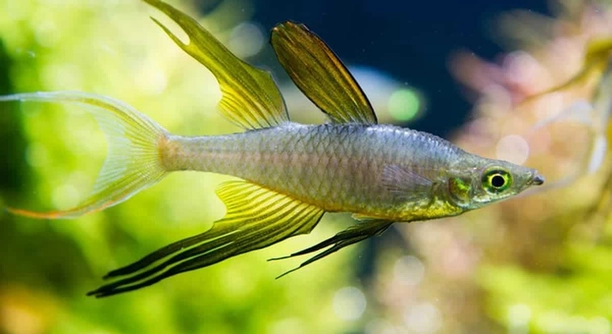
Have you ever rearranged your aquarium and noticed your Threadfin Rainbowfish acting a little differently afterward? These delicate, colorful fish often respond to even the smallest changes in their surroundings, making them fascinating to observe.
Threadfin Rainbowfish can recognize tank layout changes through their strong spatial awareness and memory. Their behavior often shifts as they re-explore altered areas, indicating cognitive recognition of environmental differences and a natural curiosity toward modifications in their habitat.
Learning how these small adjustments affect their comfort and activity can help you create a stable and stimulating home for your fish.
How Threadfin Rainbowfish Respond to Change
When the tank layout changes, Threadfin Rainbowfish often react with noticeable caution at first. They may swim slower, explore less, or gather near familiar spots. This happens because their environment is part of how they feel secure. Over time, once they realize there is no threat, their confidence returns. They begin exploring again, weaving through plants and decorations with their usual grace. Observing this behavior shows how sensitive and intelligent they truly are. It’s a reminder that even minor changes in décor or layout can affect their comfort, especially in smaller tanks where space feels more limited.
These fish rely heavily on memory to navigate their surroundings. When things are moved around, they must mentally map out the new layout, which takes time. That’s why patience is key when introducing adjustments to their habitat.
Recognizing these behavioral cues helps in understanding how Threadfin Rainbowfish perceive and interact with their environment.
Creating a Comfortable and Stimulating Tank
When designing a tank for Threadfin Rainbowfish, stability and structure are equally important. Sudden changes, especially large ones, can create unnecessary stress. It’s best to make adjustments gradually, like moving one plant or ornament at a time, so they can adapt comfortably.
A well-planned setup supports both their mental and physical health. Threadfin Rainbowfish thrive in tanks that mimic their natural habitat—gentle currents, live plants, and soft lighting. Adding floating plants can give them shaded areas where they feel safe. A few open spaces allow them to display their beautiful fins while swimming freely. If you want to refresh the tank’s look, try rearranging elements in small sections rather than overhauling the entire layout. This prevents confusion and maintains familiarity. Observing their reactions after each change will tell you if they’re adjusting well. By keeping their needs in mind, you create a space that feels both safe and stimulating for them.
Signs Your Threadfin Rainbowfish Notice Changes
When Threadfin Rainbowfish notice tank changes, their behavior often shifts right away. You may see them pause mid-swim, hide behind plants, or circle new decorations with hesitation before resuming their usual calm movements.
These small reactions show their awareness of space and familiarity. Some may even avoid altered areas for several hours. Over time, curiosity replaces caution as they begin inspecting new objects more closely. This adjustment period varies based on personality and tank size. Younger fish tend to adapt quicker, while older ones may take longer. Observing their patterns helps determine how comfortable they feel after changes.
Keeping track of feeding responses can also show recognition. If they continue eating normally, it’s a good sign of comfort. However, skipped meals or reduced activity might mean they need more time to adjust. Patience allows them to rebuild confidence and reestablish their swimming routes naturally.
Helping Them Adjust Smoothly
When changing the tank layout, start with minor adjustments instead of full rearrangements. Moving plants gradually or introducing one new decoration helps Threadfin Rainbowfish stay calm. Avoid cleaning the entire tank at the same time to prevent disrupting their sense of familiarity.
Lighting also plays a role in how they adjust. Bright, sudden illumination can increase stress, especially after a change. Keeping the lights dim for a few hours helps them settle faster. If possible, keep some decorations or plants in their usual spots to provide reference points. Maintaining consistent feeding times during this period builds reassurance. Watch their movements closely—smooth, slow swimming means they’re relaxed, while frantic darting suggests they’re uneasy. Small, thoughtful adjustments make a big difference in helping them adapt with ease.
How Memory Plays a Role
Threadfin Rainbowfish use spatial memory to recognize familiar paths and objects in their tank. When items are moved, they rely on this memory to navigate and regain confidence, slowly exploring until the layout feels familiar again.
Their ability to remember safe zones helps reduce stress during adjustments. They often revisit old hiding spots and swimming routes once they’ve confirmed the area is secure. This shows a cognitive link between memory and comfort, something many fish species display when their environment changes.
Why Stability Matters
Consistency in water parameters and layout supports both their mental and physical health. Frequent changes can cause disorientation, weakening their immune system over time. Keeping the setup stable allows them to focus on exploring, feeding, and interacting without unnecessary stress. A predictable environment encourages balanced, active behavior and steady growth.
A Peaceful Home for Your Fish
Providing a calm and familiar setup builds trust and security in your Threadfin Rainbowfish. A thoughtful balance of stability and small enrichment changes helps them stay healthy, confident, and expressive in their tank.
FAQ
Can Threadfin Rainbowfish recognize when the tank layout has changed?
Yes, Threadfin Rainbowfish can recognize changes in their tank layout. They have good spatial awareness and memory, allowing them to notice when plants, rocks, or decorations are moved. After a change, they often swim slower and explore cautiously, using their memory to re-learn the new environment. Once they recognize familiar spots again, they become more relaxed and resume normal behavior. This adjustment process can take a few hours to a few days, depending on how significant the change was.
Do Threadfin Rainbowfish get stressed when you rearrange their tank?
They can experience mild stress when the tank layout is altered. These fish depend on familiar surroundings to feel secure, so sudden or large rearrangements may cause confusion or hesitation. Signs of stress include hiding more often, reduced appetite, or staying near one area of the tank. To minimize this, it’s best to make gradual adjustments instead of major overhauls. Keep some familiar items in their original spots to help them recognize parts of their environment and feel reassured as they explore again.
How long does it take Threadfin Rainbowfish to adjust to new surroundings?
Adjustment time varies, but most Threadfin Rainbowfish adapt to small layout changes within a day or two. If the tank is completely rearranged, they might take several days to fully settle. Their comfort level also depends on tank size and the number of hiding spots available. Providing a calm environment with steady lighting and minimal disturbance helps them regain confidence faster. Feeding them at consistent times can also help create a sense of routine and normalcy while they adapt.
Do Threadfin Rainbowfish have good memory?
Yes, they do. Threadfin Rainbowfish use memory to navigate their tank and recognize patterns in their environment. They remember safe areas, feeding times, and even specific swimming routes. This ability helps them quickly notice when something has changed, such as a moved plant or decoration. Their memory plays a big role in reducing stress because it helps them rebuild familiarity after changes. Observing how they move and interact with the tank can show just how aware they are of their surroundings.
Can frequent tank rearranging harm them?
Frequent rearranging can cause unnecessary stress. Threadfin Rainbowfish need consistency to feel secure, and constant changes can make them anxious or withdrawn. Over time, stress may weaken their immune system, leaving them more vulnerable to illness. It’s best to keep major layout changes limited to a few times a year. If you want to refresh the look, make small modifications instead—such as adding a new plant or shifting one decoration slightly. This approach gives them mental stimulation without overwhelming them.
How can I make tank changes less stressful for them?
You can make tank changes easier by adjusting one area at a time. For example, move a few decorations today, then wait a few days before making another change. Keep water parameters stable, and avoid doing deep cleanings during layout updates. Reducing bright lighting during and after rearranging helps them feel calmer. Offering food once the work is done also reassures them that everything is safe. Consistency and patience are key in helping them adjust smoothly.
Do Threadfin Rainbowfish interact differently after changes?
Yes, their interactions may temporarily shift. After a change, they might school more closely together or explore individually, depending on how secure they feel. These behaviors are normal and part of their adjustment process. Once they reestablish familiarity with the environment, social interactions typically return to normal. Watching these changes can help you understand their comfort level and how they respond emotionally to alterations in their space.
What signs show that my Threadfin Rainbowfish are comfortable again?
When they start swimming freely across the tank and exploring all areas again, it’s a clear sign they’ve adapted. Their colors often appear brighter, and they may resume their usual feeding patterns. Active movement near the surface or mid-water also shows renewed confidence. If they stop hiding and begin interacting with each other more, you can be sure they’re comfortable again. These visible changes are a good indication that the environment feels familiar and safe to them.
Should I avoid decorating the tank completely to prevent stress?
No, decorations are important for their comfort. Threadfin Rainbowfish appreciate plants, rocks, and driftwood because they create hiding places and natural boundaries. What matters most is stability. Keep the general layout consistent, but you can still refresh it occasionally. Just remember to introduce changes slowly and give them time to adjust. Decorations not only make the tank look appealing but also mimic their natural habitat, helping them feel secure and active.
Can lighting changes affect how they react to tank rearrangements?
Yes, lighting plays a major role in how they perceive and react to their surroundings. Sudden bright lights can startle them, especially after tank changes. It’s best to dim the lights slightly during rearranging and gradually return to normal brightness. This gentle transition helps them feel less exposed and more at ease as they explore the new setup. Consistent lighting routines also help maintain a stable rhythm, reducing unnecessary stress and promoting steady behavior.
Final Thoughts
Threadfin Rainbowfish are sensitive, observant creatures that rely heavily on familiarity and routine. Their awareness of space and structure is one of the reasons they respond noticeably to changes in their tank layout. Every plant, rock, or ornament serves as a landmark, helping them navigate and feel secure. When those landmarks move, their behavior reflects both curiosity and caution. This reaction is not simply a sign of stress but also proof of their intelligence and memory. Understanding these small details helps fish keepers create an environment that supports both comfort and stimulation. A stable setup does more than just make the tank look good—it provides consistency that allows these delicate fish to thrive.
Caring for Threadfin Rainbowfish means paying attention to their subtle cues and respecting their need for balance. While it’s tempting to rearrange or decorate frequently, consistency often benefits them more than change. Gradual adjustments allow them to process new surroundings without feeling disoriented. Providing familiar hiding spots, steady lighting, and predictable feeding times can make a big difference in how quickly they adapt. This approach doesn’t just reduce stress—it builds trust. Over time, they become more confident, active, and expressive in their tank, displaying their natural grace without hesitation. Observing this behavior can be deeply rewarding and offers insight into how intelligent these small fish truly are.
Creating a peaceful and enriching environment is about finding that gentle balance between stability and variety. Too many changes can cause anxiety, while too little stimulation can lead to boredom. Adding one new feature at a time, such as a plant or subtle background change, keeps their environment interesting without overwhelming them. Watching how they respond after each adjustment provides valuable feedback on what makes them feel most secure. When Threadfin Rainbowfish are content, their colors appear more vibrant, and their movements become calm and fluid. They explore freely, feed regularly, and interact naturally. These are clear signs of well-being and proper care. By maintaining stable water conditions, minimizing sudden rearrangements, and offering gradual enrichment, you help them live comfortably and confidently. In the end, caring for Threadfin Rainbowfish is about creating a world that feels familiar, safe, and quietly stimulating—one where they can truly flourish.

Hello,
If you enjoy the content that we create, please consider saying a "Thank You!" by leaving a tip.
Every little bit helps us continue crafting quality advice that supports the health, happiness, and well-being of pets around the world, for pets of all shapes, sizes, and species.
We really appreciate the kindness and support that you show us!