
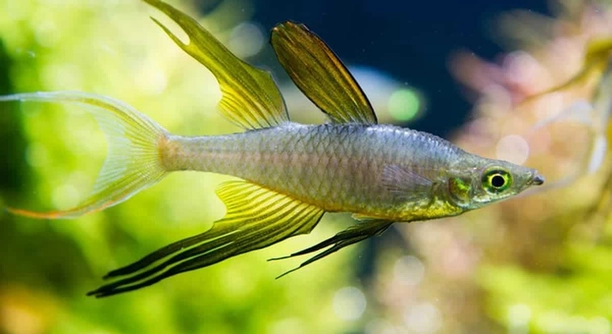
Have you ever watched your threadfins move gracefully and noticed how their body postures seem to communicate something beyond simple motion? Their gestures, though subtle, often carry meanings that reflect their mood and surroundings.
Threadfins use distinct body postures as a form of communication, expressing behaviors such as dominance, submission, curiosity, and stress. These movements are influenced by their environment, social interactions, and internal state, making them vital to understanding their natural behavior.
Each movement tells its own story, helping you connect more deeply with these fascinating fish and recognize their silent yet expressive language.
1. The Upright Glide
When a threadfin holds its body upright while gliding slowly, it often signals calm confidence. This posture is common when they feel safe and balanced in their surroundings. You’ll notice their fins move gently, showing no sign of stress or agitation. The upright glide also helps them display subtle dominance among other fish without aggression. It’s a peaceful yet clear message that they are comfortable and aware. Observing this behavior can help you understand when your threadfin is truly at ease. It’s a beautiful reminder that posture, even in fish, reflects comfort and control in their space.
A threadfin maintaining this stance regularly often indicates proper tank conditions. Stable water quality, enough swimming space, and low stress levels all contribute to this calm display. It’s a small but strong sign that your care efforts are working well for your fish.
By recognizing this posture, you learn to read your threadfin’s emotions through movement. You begin to understand when they’re comfortable, relaxed, or feeling in control of their space. This helps you adjust care routines or environmental factors to keep that balance. Their upright glide becomes a quiet sign of trust and security—a small gesture that speaks volumes about their overall well-being.
2. The Curved Body Signal
When your threadfin bends its body slightly in one direction, it often signals alertness or mild curiosity. This is usually seen when something new appears in its environment, like a moving object or a change in light.
This posture shows how threadfins use movement to process their surroundings. The curved stance allows them to adjust quickly if needed—either to investigate or retreat. It’s not an aggressive signal but a cautious one. You might notice their fins tighten slightly, ready for action. In aquariums, this happens when new tank mates are introduced or when water flow changes. Observing this can help you identify what makes your fish curious or uneasy. By noting the causes of these reactions, you can keep their environment more predictable and safe. Recognizing the curved body signal helps strengthen your understanding of their instincts and emotional cues.
3. The Flicking Fin Motion
A quick flick of the fins often signals slight irritation or restlessness. Threadfins use this movement when adjusting to a new environment or reacting to sudden disturbances like loud sounds or abrupt light changes. It’s a small gesture that hints at underlying discomfort.
When this motion happens frequently, it usually points to environmental stress. Poor water conditions, overcrowding, or an imbalance in temperature can cause agitation. In some cases, the flicking is a sign of parasites or irritation on their skin. Observing when and how often this occurs helps narrow down the cause. A calm environment, consistent maintenance, and gentle lighting usually reduce this behavior over time. Paying attention to such subtle cues ensures your fish stay healthy and relaxed.
You might also notice that flicking stops once stability returns. This shows how quickly threadfins respond to balance and calm surroundings. By tuning in to these signs, you begin to notice patterns in their comfort levels. Over time, your observation becomes instinctive, allowing you to maintain an aquarium that supports both peace and natural behavior. The flicking fin motion, though simple, is an essential signal in their language.
4. The Arched Back Posture
An arched back posture often reflects dominance or territorial awareness. You’ll usually see this when two threadfins encounter each other in close quarters or when one feels its space is being tested. The display is assertive but rarely escalates into aggression.
This posture is their way of setting invisible boundaries. It helps prevent unnecessary conflict by sending a clear message to others. When displayed briefly, it’s normal social communication. However, if it becomes frequent, it might indicate overcrowding or stress from environmental pressure. Providing more space and visual barriers helps minimize tension. Watching how they recover after showing this posture gives clues about their comfort level. Maintaining balance in their social interactions ensures harmony in the tank and helps prevent behavioral issues over time.
5. The Side Tilt
A gentle tilt to one side often shows submission or mild stress. Threadfins display this when confronted by a more dominant fish or after a sudden change in their environment. It’s a sign of vulnerability rather than illness or aggression.
If this posture continues for long periods, it could suggest that your fish feels unsafe. Adjusting tank mates, improving hiding spots, or reducing noise around the tank can help restore comfort. Once stability returns, threadfins usually regain their natural, upright position with ease.
6. The Slow Fin Spread
When a threadfin slowly spreads its fins outward, it’s expressing confidence and control. This movement is often seen during calm swimming or mild courtship behavior. The expanded fins make the fish appear larger and more graceful, showcasing their beauty while maintaining a peaceful demeanor.
This motion is also a display of balance and strength. It indicates that your fish feels comfortable with its surroundings and confident among other tank mates. Observing this posture helps you confirm that water conditions, space, and diet are supporting their overall health. A slow fin spread is a reassuring sign of harmony in the aquarium.
7. The Quick Dart
A sudden darting motion often signals excitement or a brief startle response. It may happen after feeding, play, or when reacting to reflections. Though it looks sharp, this movement is a natural part of their alert and curious nature.
FAQ
Why do my threadfins suddenly change posture when I approach the tank?
Threadfins are highly observant and respond quickly to movement near their environment. When you approach, they may adjust posture out of alertness or curiosity. This doesn’t always mean fear—it’s their natural instinct to assess potential changes or threats. Over time, as they recognize you as a consistent and non-threatening presence, their posture becomes more relaxed. You’ll notice smoother swimming and gentler fin movement. Maintaining consistent lighting, avoiding quick hand gestures, and feeding them at regular times can help them associate your presence with calmness and routine rather than alarm.
What does it mean if my threadfin stays near the bottom of the tank?
A threadfin resting near the bottom can mean several things. It may be conserving energy, especially after feeding or increased activity. However, if this posture continues for long periods, it could signal low oxygen levels, high ammonia, or general stress. It’s best to check water parameters first to ensure quality and stability. Sometimes, they also prefer lower areas when light is too bright or when hiding spots are limited. Adding plants or decorations can offer shade and comfort. Consistent monitoring ensures that this behavior remains harmless rather than a warning sign.
Can lighting affect their body postures?
Yes, lighting has a noticeable effect on threadfin posture and activity. Strong or sudden lighting can make them nervous, causing them to curve or flick their fins more often. Softer, gradual lighting transitions help reduce stress and support natural swimming patterns. Using a timer for lights encourages a routine that mirrors their natural rhythm. When lighting is well balanced, you’ll see them swim with steady confidence and display calmer postures. Avoiding drastic changes helps maintain their sense of security throughout the day.
How do I know if my threadfin’s posture shows illness or normal behavior?
Healthy postures are usually smooth and consistent, while illness often shows through irregular or repetitive movements. A sick threadfin might tilt excessively, clamp its fins, or move sluggishly for long periods. Observe breathing rate and appetite too—these are key indicators of internal health. If your fish’s posture changes suddenly and doesn’t return to normal within a day, testing water conditions and checking for signs of infection is important. Early observation makes treatment more effective and prevents further stress. Balanced feeding and clean water often restore their natural postures quickly.
Do threadfins use posture to communicate with other fish?
Absolutely. Threadfins rely heavily on body language for communication. Subtle gestures like fin spreading, arching, or gentle gliding often signal dominance, submission, or calm interaction. When living in groups, these postures help maintain order and prevent unnecessary fights. By reading these signals, you can gauge how well they’re adjusting socially. A balanced tank with enough space encourages peaceful behavior and natural posture expression. Observing these signs gives you a deeper connection to their social world and helps maintain a stable environment for all your fish.
Why does my threadfin flick its fins repeatedly even after I clean the tank?
Frequent fin flicking after cleaning can be linked to changes in water chemistry. Even small shifts in temperature, pH, or hardness can trigger discomfort. Using aged or conditioned water helps minimize sudden changes. Sometimes, residue from cleaning agents or untreated tap water can irritate their skin or gills. Always rinse equipment thoroughly and test water before adding it back. If flicking continues, check for signs of external parasites or stress from overhandling. Stability usually restores calm behavior once balance returns.
Are certain postures more common during feeding?
Yes, during feeding, threadfins often display more upright and alert postures. Their fins extend slightly, and movements become faster yet controlled. It’s their way of staying aware of food sources and nearby fish. This behavior is natural and healthy. However, if one threadfin consistently shows a dominant feeding posture—pushing others aside—it might help to spread food across multiple areas. This ensures fair access and reduces competition stress. Balanced feeding habits also help preserve calm body language and prevent aggressive displays.
Can threadfins’ postures change with age?
As threadfins mature, their postures often become more deliberate and slower. Younger ones are more energetic, darting and flicking more frequently. Adults display smoother glides and more confident fin movements, especially when they feel secure. Aging can also slightly reduce flexibility, but that’s normal with proper care. Regular nutrition, clean water, and stable temperature help older threadfins maintain graceful movements. Watching these subtle shifts over time reveals their growth, adaptation, and comfort level in your care.
Final Thoughts
Understanding the meaning behind threadfin body postures gives you a deeper view of their quiet world. These graceful fish communicate through motion, using each gesture to express comfort, curiosity, or unease. Learning to read their signals helps you create a balanced environment that supports their natural behavior. Every tilt, flick, or stretch tells a story about how they feel in their surroundings. When you notice these signs early, you can make changes that improve their overall well-being. This awareness turns ordinary observation into a more meaningful connection. By focusing on posture and behavior rather than just appearance, you begin to understand your threadfins not only as pets but as living creatures with emotions and responses to their environment.
Maintaining a healthy tank plays a large part in how often you see relaxed or stressed postures. Threadfins thrive in spaces where light, temperature, and water quality remain stable. Even small changes in their setup can affect their movements and communication patterns. Observing them regularly allows you to detect stress early and make small adjustments before issues grow serious. It’s also helpful to provide enough space, gentle water flow, and areas to explore or hide. These factors encourage confidence and reduce territorial tension. When a threadfin feels secure, it shows through calm gliding, open fins, and smooth interaction with tank mates. Over time, you’ll begin to associate specific postures with their emotional and physical health, giving you a reliable way to monitor their comfort without causing disturbance.
Caring for threadfins becomes more rewarding once you learn to understand their language of movement. It shifts your focus from routine care to mindful observation. Watching their postures develop and change teaches patience and attention to detail. You start noticing how lighting influences their confidence, how spacing affects their comfort, and how routine creates security. These simple lessons make aquarium keeping not just about maintenance but about awareness and empathy. The more you observe, the more you see that their behavior mirrors the environment you build for them. A calm tank leads to calm fish. In the end, recognizing and respecting their body language brings harmony to both you and your threadfins, turning care into quiet understanding and connection.

Hello,
If you enjoy the content that we create, please consider saying a "Thank You!" by leaving a tip.
Every little bit helps us continue crafting quality advice that supports the health, happiness, and well-being of pets around the world, for pets of all shapes, sizes, and species.
We really appreciate the kindness and support that you show us!