
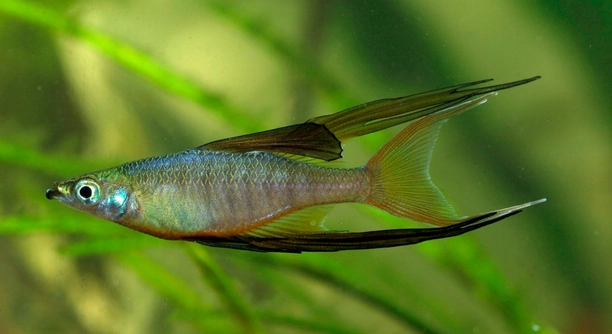
Have you ever noticed how your threadfin fish behave differently depending on how their tank is set up? Sometimes their behavior changes more than you might expect, simply based on their surroundings and comfort levels.
Threadfins in bare tanks tend to show more cautious and reserved behavior due to the lack of hiding spaces, while those in heavily decorated tanks display greater confidence, natural movement, and reduced stress levels, reflecting a more stable and enriched environment.
Understanding these behavior differences helps you create a balanced aquarium that keeps your threadfins healthy, active, and stress-free.
Behavior in Bare Tanks
When threadfins are kept in bare tanks, their behavior often shifts toward being more cautious and withdrawn. Without plants, rocks, or decorations, they have nowhere to retreat when startled, which can make them feel exposed. This constant visibility may lead to erratic swimming or prolonged hiding in corners. Over time, such stress can impact their feeding habits and even weaken their immune system. A bare tank also limits their natural instincts, such as exploring or seeking cover, which are essential for their mental stimulation. While some fish may eventually adapt, many continue to display timid or unnatural movements, indicating discomfort in a space that lacks environmental complexity.
A bare setup can make maintenance easier, but it sacrifices the fish’s sense of safety. The open space leaves threadfins vulnerable, and their natural elegance becomes subdued as they focus more on staying alert than exploring their surroundings freely.
To maintain threadfins in a bare setup, it’s important to focus on water quality and consistent lighting to reduce stress. Regular feeding routines and calm tank surroundings can help stabilize their behavior slightly, but the lack of hiding areas still limits their comfort and ability to display natural behaviors fully.
Behavior in Heavily Decorated Tanks
A heavily decorated tank offers threadfins the security they naturally crave. With plants, driftwood, and hiding spots, they feel protected and behave more confidently. Their movements become smoother, and their colors often appear brighter due to reduced stress levels.
In this type of setup, threadfins interact with their environment in ways that mimic their natural habitat. Decorations encourage exploration, gentle swimming patterns, and social interaction with other fish. They use plants and ornaments as shelter during rest periods and as territory markers during mild displays of dominance. The variation in structure also allows for healthier feeding behavior, as they are more relaxed and alert. A decorated tank supports their mental and physical health by giving them environmental enrichment. Over time, threadfins raised in such settings tend to develop stable habits, maintain steady energy levels, and exhibit their signature grace—something far less common in a bare, minimal setup.
Environmental Impact on Behavior
The environment plays a major role in shaping how threadfins act daily. Factors like lighting, water flow, and tank layout can either calm them or make them anxious, influencing how freely they swim, feed, and interact with each other.
When the environment feels too open or bright, threadfins often become hesitant and spend more time hiding or staying near the bottom. They prefer dim lighting and gentle currents that allow them to glide without stress. Overly strong filters or poor placement of decorations can create uneven flow, making them struggle to find comfortable areas. Adjusting these factors helps promote smoother swimming patterns, consistent feeding, and overall calmness. Creating shaded spaces or including floating plants can make them feel secure, encouraging them to move confidently and show their natural fin displays.
A balanced setup keeps threadfins engaged and relaxed. Providing consistency in lighting and water flow mimics their natural environment, allowing them to thrive and display healthy social behaviors.
Social Dynamics in Different Setups
Threadfins are peaceful fish that rely on subtle communication and coordinated movement. Their social balance can shift depending on how the tank is arranged and how much cover or open space they have available.
In bare tanks, their schooling behavior weakens, as open space increases their sense of vulnerability. They often scatter instead of swimming in unison, leading to tension and reduced interaction. In contrast, a decorated environment encourages tighter group movement and gentle interaction, as plants and rocks give them a sense of territory and security. These visual barriers also reduce stress among dominant and submissive fish. A structured setup supports their natural instincts, keeps their movements synchronized, and enhances their overall well-being, allowing each fish to feel secure while maintaining the graceful flow that makes threadfins so fascinating to observe.
Feeding Response and Activity Levels
Threadfins in bare tanks often approach feeding hesitantly. The open layout makes them more alert to movement, so they take longer to eat and may leave food uneaten. Their activity levels remain lower, as they conserve energy due to mild but constant stress.
In contrast, threadfins in decorated tanks feed more confidently and display livelier activity. The presence of cover makes them feel secure enough to explore the entire space. They move gracefully, often swimming together in search of food. Their feeding patterns become regular, reflecting their comfort and reduced anxiety.
Coloration and Physical Expression
A well-decorated environment enhances a threadfin’s natural beauty. When stress levels are low, their fins spread wider, and their colors deepen, especially in males. In bare tanks, the opposite often happens—their colors fade, fins stay closer to their bodies, and their elegant movement becomes more cautious and restrained.
Adaptability Over Time
Threadfins can slowly adjust to their surroundings, but the quality of that adjustment depends on environmental support. Even when kept in simpler setups, consistent care, calm surroundings, and gentle lighting can help them adapt, though their most natural and expressive behavior will always appear in enriched, well-decorated tanks.
FAQ
How do threadfins react immediately when moved to a bare tank?
Threadfins usually become cautious and more reserved when first placed in a bare tank. They often stay near the bottom or corners, limiting their movement to avoid exposure. Some may hide behind tank equipment or cling to the substrate. Over time, a few may adjust, but most remain slightly tense and hesitant.
Do they eat differently in bare tanks compared to decorated ones?
Yes, feeding behavior changes noticeably. In bare tanks, threadfins are more alert and slower to approach food, sometimes leaving small portions uneaten. In decorated tanks, they feel safer and more confident, swimming actively toward the food and feeding in a more natural, relaxed manner.
Can their coloration be affected by tank setup?
Absolutely. Stress in bare tanks can dull their colors and cause fins to stay closer to the body. In a decorated environment, threadfins show brighter hues, more extended fins, and smoother, confident swimming. Coloration is a good indicator of their comfort level.
Do threadfins interact differently with other fish depending on decorations?
Yes. In bare tanks, schooling behavior is weaker, and fish often scatter or act hesitant around tankmates. In decorated tanks, barriers like plants or driftwood provide a sense of territory and security, helping fish maintain coordinated movement, gentle interaction, and balanced social behavior.
How long does it take for threadfins to adapt to a new tank environment?
Adaptation varies depending on tank conditions and stress levels. In bare tanks, adjustment may take weeks, but full comfort and natural behavior are rarely achieved. In decorated tanks, threadfins often settle within days, showing stable activity, confident swimming, and regular feeding sooner.
Does tank size affect their behavior?
Yes, space influences behavior significantly. Small bare tanks increase stress, limit movement, and reduce natural behaviors. Larger tanks with decoration allow more exploration, establish territories, and support schooling, which encourages natural activity and healthier social interactions.
Are there long-term effects of keeping threadfins in bare tanks?
Chronic stress in bare tanks can affect growth, immune response, and overall vitality. Fish may appear lethargic, lose coloration, or show nervous habits. In contrast, a well-decorated tank supports long-term health, consistent energy, and natural behavior, making enrichment essential for their well-being.
What types of decorations are most beneficial for threadfins?
Soft plants, driftwood, and smooth rocks are ideal. These provide hiding spaces, rest areas, and mild territorial markers. Floating plants can offer shaded zones, while open areas still allow swimming. A mix of cover and open space encourages confident behavior, natural movement, and proper feeding patterns.
Does lighting impact their comfort in different setups?
Yes, lighting plays a key role. Bright or direct light in a bare tank can increase stress, making threadfins more withdrawn. Moderate, diffused lighting in a decorated tank helps them feel secure, promotes normal activity, and enhances coloration. Consistent day-night cycles also support healthy routines.
Can bare tanks ever be suitable for threadfins?
Bare tanks are manageable for maintenance but are not ideal for long-term comfort or natural behavior. They can be used temporarily with careful monitoring of stress, feeding, and activity. However, enriched, decorated tanks consistently provide better mental stimulation, safety, and expression of natural behaviors.
How can I make a bare tank more comfortable temporarily?
Adding floating plants, small hiding spots, or gentle substrate can help reduce stress. Soft lighting and stable water parameters support adaptation. Even minor enrichment can make a noticeable difference in confidence, swimming patterns, and feeding response until a fully decorated setup is available.
Do threadfins show personality differences in bare versus decorated tanks?
Yes. In bare tanks, many threadfins appear timid, cautious, or reactive. In decorated tanks, individual personalities emerge more clearly—some may explore boldly, others interact socially, and many display curiosity. A complex environment allows their natural temperament to shine through.
What is the best way to observe natural behavior?
Decorated tanks with ample cover, moderate lighting, and gentle water flow are ideal. Observing during feeding or calm periods shows schooling, exploration, and natural fin movement. Avoid sudden disturbances, and give them space, as stress can mask true behavior, especially in a bare or sparse environment.
Are there differences in activity levels between juveniles and adults?
Juveniles often adapt faster to decorated tanks and are more active, exploring new spaces. Adults may be slower to adjust in bare tanks and remain cautious longer. Both benefit from enrichment, but younger fish display energy and curiosity more noticeably when provided with hiding spaces and gentle currents.
Can decorations prevent aggression in mixed-species tanks?
Yes, structures break line-of-sight and create natural barriers, which reduces tension between fish. In bare tanks, dominance displays can be more pronounced due to constant visibility. Providing visual breaks and personal zones helps threadfins maintain peace, swim confidently, and interact more harmoniously with other species.
How often should I change or rearrange decorations?
Minimal, gradual changes are best. Frequent or drastic rearrangement can stress threadfins, making them act nervously or hide excessively. Occasional shifts to clean or improve the layout are fine, but consistency helps them establish comfort zones, maintain regular activity, and enjoy the benefits of enrichment over time.
What role does water flow play in behavior?
Moderate, even flow encourages smooth swimming and natural movement. Strong currents in bare tanks may stress them or restrict swimming areas. Decorations help diffuse flow, creating calm zones. Proper circulation combined with structured environments allows threadfins to exercise naturally, feed efficiently, and maintain balance.
How can I tell if a threadfin is stressed in its tank?
Signs include faded colors, clamped fins, erratic swimming, hiding excessively, or skipping meals. Bare tanks often amplify these behaviors. Providing enriched environments, stable water parameters, and consistent routines reduces stress and restores normal activity, coloration, and confidence.
Is it necessary to mimic their natural habitat exactly?
Not entirely, but key elements like hiding spaces, gentle currents, and shaded areas improve comfort and behavior. Threadfins do not require full replication, but a thoughtful balance of cover and open space allows them to swim freely while feeling secure, encouraging natural patterns and healthy interactions.
Do seasonal changes affect their behavior in different tank setups?
Yes. Lighting variations, temperature shifts, and water quality changes can impact activity. Decorated tanks buffer stress by providing stable microenvironments. Bare tanks offer less protection, so fish may become lethargic or withdrawn during seasonal changes. Maintaining consistency helps threadfins stay active and healthy year-round.
What are the most common mistakes in bare tanks?
Overlooking enrichment, ignoring subtle stress signs, and providing harsh lighting are common. Bare tanks can lead to timid behavior, poor feeding, and faded coloration. Gradual introduction of hiding spots, gentle lighting, and consistent water parameters significantly improve comfort and support natural behavior.
Can threadfins recover from long-term bare tank stress?
Yes, with care. Introducing decorations, stable routines, and calm conditions gradually restores confidence, coloration, and normal activity. Recovery depends on age, duration of stress, and health. Most fish show significant improvement once environmental enrichment is provided, regaining the graceful movement and vibrant appearance they naturally exhibit.
How important is tank cleaning in relation to behavior?
Crucial. Poor water quality increases stress, masking natural behavior even in decorated tanks. Regular cleaning, careful substrate maintenance, and monitoring ammonia, nitrite, and nitrate levels ensure threadfins remain active, healthy, and able to display full coloration and social behaviors without unnecessary anxiety.
Do threadfins prefer certain decorations over others?
Yes, they favor soft plants, smooth rocks, and driftwood that provide hiding spaces and open swimming paths. Decorations that create calm zones without crowding the tank encourage confident movement, social interaction, and natural feeding behaviors, supporting both physical and mental well-being over time.
How can I balance open space and decoration?
Threadfins need room to swim freely while having accessible shelter. Placing decorations along tank edges or in clusters creates natural barriers, leaving central swimming areas open. This approach allows exploration, coordinated schooling, and stress reduction, promoting both activity and a sense of security simultaneously.
Are there behavioral signs that indicate a decorated tank is too crowded?
Yes, threadfins may avoid certain areas, show increased aggression, or swim nervously. Overcrowding reduces the effectiveness of hiding spots, limiting comfort and natural behaviors. Spacing decorations properly and maintaining appropriate stocking levels ensures each fish has access to shelter, open space, and social interaction.
Does feeding routine influence behavior differently in bare vs decorated tanks?
Definitely. In bare tanks, irregular feeding may increase stress and reduce activity. In decorated tanks, consistent feeding supports confidence, exploration, and social interaction. Fish associate feeding with safe spaces, allowing natural behaviors like schooling, foraging, and gentle chasing to emerge without fear or hesitation.
Can decorations impact growth rates?
Yes. Enriched environments reduce stress, encourage movement, and support healthy feeding patterns, indirectly promoting growth. Bare tanks can inhibit activity and appetite, leading to slower development. Balanced enrichment ensures threadfins stay active, eat regularly, and reach their full growth potential.
How do I know if my threadfin feels comfortable in a decorated tank?
Signs include smooth swimming, coordinated schooling, bright coloration, regular feeding, and occasional exploration of hiding spots. Comfortable fish appear confident and relaxed, moving gracefully and showing interest in their surroundings without hesitation or constant hiding.
Are there benefits to minimal decoration for maintenance purposes?
Minimal decoration makes cleaning easier and reduces hiding spots for debris, but it comes at the cost of natural behavior. Temporary bare setups can work if stress is carefully monitored, but long-term enrichment is essential for activity, coloration, and overall well-being.
How much do personality differences influence behavior in different setups?
Personality affects how fish respond to tank conditions. Shyer fish may be more stressed in bare tanks, while bold individuals adapt faster. Decorated tanks allow all personalities to express themselves through exploration, interaction, and feeding, giving a more accurate reflection of natural behavior and temperament.
Is it better to change the tank slowly when adding decorations?
Yes, gradual introduction prevents stress and allows fish to explore safely. Sudden changes may cause hiding, erratic swimming, or feeding disruption. Slow rearrangement ensures they adjust comfortably, maintaining activity, social behavior, and confidence throughout the transition.
Do threadfins behave differently during breeding depending on the tank setup?
Yes. Decorated tanks provide secure areas for courtship and egg-laying, reducing stress and supporting natural reproductive behavior. Bare tanks often inhibit displays and nesting, as exposed fish feel vulnerable. Proper enrichment is essential for successful breeding and normal parental instincts.
How important is observation for managing behavior?
Observation is key. Watching how threadfins swim, feed, and interact reveals stress, adaptation, and comfort levels. Bare tanks may hide subtle signs, while decorated tanks make it easier to detect patterns, aggression, or health issues, allowing timely adjustments to the environment or care routines.
Can I use temporary decorations to help shy fish acclimate?
Yes, adding floating plants, rocks, or small hiding spots can reduce anxiety in shy fish. These temporary measures encourage exploration, improve feeding, and support social interaction, helping them build confidence before a more permanent tank setup is arranged.
Do threadfins show preferences for certain zones in the tank?
Yes, they often prefer shaded corners, areas near plants, or spaces with gentle currents. Decorated tanks allow them to select comfort zones while leaving open swimming areas for exercise, schooling, and feeding. Bare tanks reduce this choice, limiting natural behavior and increasing stress.
Can stress from bare tanks cause long-term health issues?
Chronic stress can weaken the immune system, reduce appetite, and slow growth. Behavioral changes like hiding, faded coloration, or lethargy are warning signs. Providing enrichment, stable routines, and calm conditions helps reverse these effects and supports long-term physical and mental health.
Do water parameters affect behavior differently in bare vs decorated tanks?
Yes. In bare tanks, poor water quality is more stressful, as fish have no shelter to buffer discomfort. Decorated tanks provide hiding spots and calm zones, helping fish cope with minor fluctuations. Consistent monitoring and maintenance are essential in both setups to maintain healthy, natural behavior.
Are there signs that a decorated tank is benefiting threadfins?
Signs include confident swimming, coordinated schooling, bright coloration, regular feeding, and playful exploration of hiding spots. Fish appear relaxed, social, and active, showing that the enrichment supports their natural instincts, reduces stress, and promotes overall well-being consistently.
How can I gradually introduce threadfins to decorations?
Start with a few plants or small hiding spots along tank edges, then slowly add more over weeks. Monitor behavior, ensuring they explore confidently without hesitation. Gradual introduction allows them to establish comfort zones, interact naturally, and maintain regular feeding and activity.
Can different types of plants affect behavior differently?
Yes. Floating plants provide shade and reduce stress, soft leafy plants offer hiding spaces, and sturdy stems create territory markers. A variety of plants encourages exploration, coordinated movement, and secure resting spots, supporting both mental stimulation and natural behaviors consistently.
Do bare tanks ever improve observation for care purposes?
Yes, bare tanks make it easier to see fish clearly and monitor health, eating habits, or activity. However, this convenience comes at the cost of comfort and natural behavior, so temporary observation setups are fine, but enrichment should follow for long-term well-being.
Is enrichment important even for adult threadfins?
Absolutely. Adults benefit from hiding spots, shaded areas, and varied terrain just as much as juveniles. Enrichment supports mental stimulation, encourages natural behavior, maintains coloration, and reduces stress, helping adult threadfins stay active, confident, and healthy over time.
How do I balance feeding areas with hiding spaces?
Place food in open areas while keeping decorations along edges. This allows fish to feel safe while foraging, reduces stress, and encourages natural movement patterns. Fish can retreat to hiding spots afterward, maintaining comfort without sacrificing activity or feeding efficiency.
Do threadfins show more confidence in groups or alone?
They are schooling fish, so groups naturally increase confidence. In decorated tanks, group dynamics encourage coordinated movement, feeding, and social interaction. Alone, threadfins may appear cautious or stressed, highlighting the importance of both company and environmental enrichment for optimal behavior.
How do I know if my tank has too little or too much decoration?
Too little decoration leaves fish exposed and stressed, reducing natural behavior. Too much crowding restricts swimming and increases tension. The right balance offers cover along edges while leaving open swimming space, supporting exploration, feeding, and relaxed social interaction simultaneously.
Can behavior changes indicate water quality issues?
Yes. Erratic swimming, clamped fins, hiding, or faded colors may signal stress from poor water conditions. Even in decorated tanks, maintaining proper temperature, pH, and filtration is critical. Observing behavior helps detect early issues before health declines.
Does gradual acclimation help in new tank setups?
Yes. Slowly introducing fish to new surroundings, including water conditions and decorations, reduces stress and encourages natural behavior. Rapid changes often trigger hiding, hesitation, or disrupted feeding, while gradual acclimation supports confidence, activity, and overall well-being.
Do bare tanks affect breeding success?
Yes. Lack of hiding spots and security can inhibit courtship and egg-laying. Decorated tanks provide safe zones for reproduction, reducing stress and promoting natural breeding behavior. Fish in enriched setups show higher success rates and healthier offspring.
How can I support shy threadfins in bare tanks?
Introduce temporary cover, maintain gentle lighting, and provide calm surroundings. Regular feeding and slow acclimation reduce stress. These measures encourage exploration and confidence, improving feeding and social interaction until a permanent enriched environment is available.
Do threadfins prefer specific textures or surfaces?
They favor smooth rocks, soft plants, and driftwood that allow safe swimming and hiding. Rough or sharp surfaces may cause hesitation or injury. Proper surface selection enhances comfort, encourages natural behavior, and supports both physical and mental well-being consistently.
Are floating plants more beneficial than rooted plants?
Floating plants provide shade and help reduce stress, while rooted plants offer hiding spaces and visual barriers. A mix of both types creates diverse zones, encouraging exploration, confident swimming, and natural interaction among threadfins.
Can behavioral changes indicate illness in addition to environmental stress?
Yes. Lethargy, clamped fins, reduced feeding, or erratic swimming can stem from stress or illness. Observing behavior alongside water parameters, diet, and tank conditions helps identify the underlying cause and guides appropriate care or treatment.
Is there a difference in activity between morning and evening?
Yes. Threadfins are often more active during low-light periods. Decorated tanks allow safe exploration during these times, while bare tanks may keep fish cautious. Providing gradual light transitions supports natural activity patterns and reduces stress-related behavior.
Do temporary decorations help acclimate fish to new tankmates?
Yes, visual barriers and hiding spots reduce tension, allowing shy fish to adjust to the presence of others. Gradual introduction in enriched setups encourages social interaction without triggering aggressive or fearful behavior.
How does tank depth affect behavior?
Deeper tanks provide vertical space for swimming and exploring. Combined with decorations, depth allows threadfins to establish zones for feeding, resting, and hiding, supporting confidence and reducing stress compared to shallow, bare tanks.
Are certain areas in the tank used more for resting?
Yes, shaded corners, behind plants, and near driftwood are common resting spots. Providing these areas encourages natural patterns, reduces stress, and allows confident exploration of open swimming areas, enhancing both physical and mental well-being.
Does water temperature influence activity differently in bare vs decorated tanks?
Yes. Higher or fluctuating temperatures increase stress, especially in bare tanks with no cover. Decorated tanks offer refuge zones and stable microenvironments, helping threadfins maintain normal activity, feeding, and social behavior despite minor temperature changes.
Can enrichment reduce the need for frequent monitoring?
Partially. A well-decorated tank encourages natural behavior and reduces stress, making fish appear healthier. However, consistent monitoring is still essential to catch early signs of illness, water issues, or behavioral changes before problems escalate.
Do threadfins use decorations for play or exploration?
Yes. They often swim through plants, around rocks, and under driftwood, demonstrating curiosity and natural movement. Enriched environments support mental stimulation and physical activity, keeping threadfins engaged and healthy compared to the limited interaction in bare tanks.
Are adult threadfins less sensitive to stress than juveniles?
Not necessarily. Adults can be more cautious, but both age groups benefit from shelter, shaded areas, and gentle flow. Enrichment supports confident swimming, regular feeding, and natural behaviors at any stage of life.
Do decorations impact schooling patterns?
Yes. Visual barriers and shelter promote coordinated movement, reducing scattering and stress. Bare tanks often disrupt schooling, making fish appear nervous or
Final Thoughts
Threadfins are sensitive fish that respond strongly to their environment. The setup of a tank—whether bare or heavily decorated—shapes how they swim, feed, and interact with other fish. In bare tanks, their behavior tends to be cautious and reserved. They often stay near the bottom or in corners, avoiding open spaces where they feel exposed. This increased alertness can make feeding slower and reduce overall activity. Even though bare tanks are easier to clean and manage, they do not provide the comfort or stimulation threadfins naturally seek. Over time, a lack of hiding spaces and environmental complexity can cause subtle stress, which may affect their health and natural behavior. Fish in bare tanks can survive, but they rarely display their full natural grace and personality.
Decorated tanks, on the other hand, create a much more supportive environment for threadfins. Plants, driftwood, rocks, and other structures give them places to hide, rest, and explore. These additions reduce stress and encourage confident swimming, regular feeding, and social interaction. Fish in enriched environments often show brighter colors, fuller fins, and smoother movements, all signs of comfort and well-being. Decorations also allow threadfins to establish territories and safe zones, helping them feel secure even when other fish are present. A well-thought-out tank balances open swimming areas with protective structures, allowing threadfins to express their natural behaviors fully. Even subtle changes like adding floating plants for shade or arranging rocks for gentle currents can make a noticeable difference in their behavior and activity levels.
Providing the right environment is not just about aesthetics—it directly impacts the physical and mental health of threadfins. Careful attention to tank setup, lighting, water flow, and decoration ensures that these fish can thrive, showing natural swimming patterns, coordinated schooling, and healthy feeding habits. While bare tanks can work temporarily, investing in a decorated and enriched habitat offers long-term benefits for behavior, coloration, and social interaction. Observing threadfins in a supportive environment makes it clear how much their surroundings influence confidence, curiosity, and overall well-being. By creating a balanced and enriched tank, owners can enjoy watching threadfins display their natural grace and personality, while also supporting their health and reducing stress, ensuring a more fulfilling and lively aquarium experience for both fish and caretaker.

Hello,
If you enjoy the content that we create, please consider saying a "Thank You!" by leaving a tip.
Every little bit helps us continue crafting quality advice that supports the health, happiness, and well-being of pets around the world, for pets of all shapes, sizes, and species.
We really appreciate the kindness and support that you show us!