
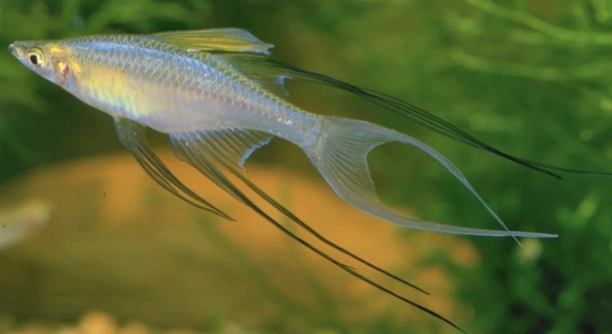
Threadfin Rainbowfish are colorful and lively additions to any aquarium. Their energetic nature and social behavior make them a joy to watch, but they also require careful attention to tank size and population levels to thrive properly.
Overstocking Threadfin Rainbowfish can lead to poor water quality, increased aggression, stunted growth, and higher susceptibility to disease. Maintaining proper stocking levels ensures a balanced ecosystem, healthier fish, and reduced stress, promoting longevity and overall well-being of the species.
Understanding these risks helps you provide a stable environment for your fish. Proper stocking practices will support their health and maintain a vibrant, harmonious aquarium.
Aggression and Territorial Behavior
When Threadfin Rainbowfish are kept in tanks that are too crowded, their natural social hierarchy can break down. This can lead to heightened aggression, chasing, and fin nipping among fish. Males, in particular, may become more territorial when space is limited, which can stress both dominant and subordinate individuals. Aggressive behavior can result in physical injury, faded colors, and overall weakened health. Stress from overcrowding also reduces immunity, making fish more vulnerable to infections. In larger tanks with appropriate stocking levels, Threadfin Rainbowfish display calmer interactions and more natural schooling behavior. Maintaining adequate swimming space is crucial to reduce conflicts. Proper decorations, hiding spots, and open swimming areas allow fish to establish territories without constant confrontation. Overcrowding not only affects their behavior but also diminishes the enjoyment of observing these fish. Watching a peaceful, active school is far more rewarding than managing constant disputes. Ensuring proper numbers creates a balanced, lively aquarium environment.
Aggression often stems directly from limited space. Correct stocking minimizes disputes and stress.
By providing enough room and structure, you allow Threadfin Rainbowfish to thrive. They need wide swimming areas and scattered hiding spots. Overcrowded tanks make fish anxious and aggressive. Observing them in a balanced environment shows their natural schooling behavior, brighter colors, and calm interactions. Maintaining appropriate numbers ensures each fish has access to territory, reduces disease risk, and supports healthy growth. It also allows you to enjoy their full potential as peaceful, vibrant fish. Overcrowding can obscure these qualities, while correct stocking highlights them. A well-managed tank fosters harmony, enabling fish to swim freely and interact naturally. Choosing the right tank size and limiting numbers are simple steps that lead to long-term stability and satisfaction for both the fish and the keeper. Proper planning is essential to maintain health, activity, and a visually appealing aquarium.
Water Quality and Filtration Strain
Overstocking quickly leads to poor water quality. Waste production rises, making it difficult for filtration systems to keep up.
Excess waste increases ammonia and nitrate levels, which are harmful to Threadfin Rainbowfish. High bioload can overwhelm filters, reduce oxygen, and encourage algae growth. Regular water testing and partial changes may help, but the most effective solution is proper stocking. Maintaining fewer fish ensures the water remains clear, stable, and healthy. Filters operate efficiently without overwork, providing adequate circulation and oxygenation. Clean water supports growth, enhances coloration, and strengthens immune systems, minimizing disease outbreaks. A balanced stocking level reduces daily maintenance and long-term complications, giving the aquarium a stable environment. Additionally, overcrowding can cause frequent fluctuations in pH and temperature, further stressing the fish. Avoiding overstocking promotes a predictable and safer habitat. Investing in adequate tank size, proper filtration, and regular monitoring ensures the fish remain active, vibrant, and healthy for years. Clear, stable water is the foundation of any successful Threadfin Rainbowfish setup.
Stunted Growth
Overcrowding limits space and resources, directly affecting the growth of Threadfin Rainbowfish. When fish compete for food and swimming room, they often fail to reach their full size, resulting in smaller, less vibrant individuals.
Limited swimming space reduces exercise, which slows metabolism and growth rates. Fish may not get enough access to food, especially smaller or weaker individuals, allowing dominant fish to consume the majority of resources. Poor water quality from excess waste also inhibits growth, as high ammonia and nitrate levels stress the fish and interfere with normal development. Even with adequate nutrition, overcrowded conditions prevent Threadfin Rainbowfish from achieving their natural size and vitality. Providing ample room and proper feeding ensures balanced growth for every fish in the tank.
Smaller fish often display duller colors and weaker immune systems. Stress from overcrowding compounds growth issues, making fish more prone to disease. Long-term, this can shorten lifespan and reduce overall activity. By keeping appropriate numbers, each fish can grow healthily, display vibrant colors, and interact naturally with tank mates. Overcrowding hinders not just physical size but also overall well-being, so prioritizing space is essential for a thriving aquarium. Proper stocking guarantees every individual has a fair chance at healthy development and a full, active life.
Oxygen Depletion
Too many Threadfin Rainbowfish in a tank quickly reduces oxygen levels, stressing all inhabitants. Proper water circulation and aeration may not compensate for overcrowding.
High fish density increases oxygen demand while producing more waste, which consumes additional oxygen through decomposition. Lower oxygen levels make fish lethargic, reduce feeding activity, and weaken immunity, increasing vulnerability to disease. Even with strong aeration, overcrowded tanks struggle to maintain stable oxygen, especially at night when plants respire. Ensuring proper stocking prevents oxygen depletion and keeps fish active, healthy, and vibrant.
Maintaining sufficient oxygen also supports beneficial bacteria in the filter, which break down harmful compounds. Overcrowding disrupts this balance, further worsening water quality. Fish may gasp at the surface or show rapid gill movement when oxygen is insufficient. By controlling numbers and monitoring oxygen, you create a more stable environment. Proper stocking ensures all fish receive enough oxygen for growth, activity, and overall well-being. This simple step reduces stress, improves behavior, and sustains a thriving, lively aquarium over time.
Increased Disease Risk
Overcrowded tanks make Threadfin Rainbowfish more susceptible to illnesses. Close contact spreads bacteria and parasites quickly, increasing infection rates and stress-related health problems.
Weakened immunity from stress and poor water conditions allows diseases to develop faster. Even minor infections can escalate, affecting multiple fish and requiring more intensive care.
Difficulty Maintaining Water Parameters
High fish density causes rapid fluctuations in ammonia, nitrite, nitrate, and pH levels. These unstable conditions stress the fish and disrupt biological balance, making regular monitoring and maintenance more challenging.
Limited Hiding Spaces
Overstocking reduces available hiding spots. Fish feel exposed and stressed, which can lead to aggression and decreased activity. Providing adequate space and shelter ensures a calmer, healthier environment.
FAQ
How many Threadfin Rainbowfish can I keep in a 20-gallon tank?
A 20-gallon tank can comfortably house around 6 to 8 adult Threadfin Rainbowfish. This allows each fish enough swimming space while keeping the water quality stable. Overcrowding beyond this number increases stress, aggression, and disease risk. Providing open swimming areas and scattered hiding spots helps maintain balance in the tank. Proper filtration and regular water changes complement the limited stocking to support healthy, active fish.
What happens if I accidentally overstock my tank?
Overstocking can lead to poor water quality, aggression, stunted growth, and higher susceptibility to disease. Fish may become stressed, showing faded colors, lethargy, or fin damage. Oxygen levels can drop, especially at night, further weakening fish. Immediate steps include reducing the number of fish, performing frequent water changes, and improving filtration. Rearranging tank decorations to create more space and providing additional hiding spots can help temporarily reduce stress while addressing the overcrowding.
Can Threadfin Rainbowfish live in smaller tanks with fewer individuals?
Yes, smaller groups in appropriately sized tanks tend to be healthier and less stressed. A tank with fewer fish allows better control over water parameters, provides enough swimming space, and minimizes aggression. Threadfin Rainbowfish are schooling fish, so they do best in groups of at least 4, but the tank must be large enough to accommodate natural swimming patterns. Smaller numbers in small tanks still require careful maintenance to ensure water quality and oxygen levels remain stable.
How often should I test water in a tank with Threadfin Rainbowfish?
Testing water once or twice a week is ideal, especially in tanks with multiple fish. Check ammonia, nitrite, nitrate, and pH levels to ensure they remain within safe ranges. Frequent testing helps catch early signs of imbalance before fish become stressed or ill. Overcrowded tanks require more frequent monitoring, but maintaining proper stocking reduces the risk of rapid fluctuations, making water management more manageable. Consistent testing supports long-term health and vibrant coloration of the fish.
What tank size is best for a school of Threadfin Rainbowfish?
A 30-gallon tank is a practical minimum for a small school of 6 to 8 adults. Larger tanks are preferred for bigger schools to provide ample swimming space, reduce stress, and maintain stable water conditions. Longer tanks are particularly beneficial because Threadfin Rainbowfish are active swimmers. Adequate filtration, aeration, and open areas in the tank complement the size to promote natural behavior, healthy growth, and overall well-being. Proper planning of tank size prevents overcrowding and simplifies maintenance.
How can I reduce aggression if my fish are stressed?
Providing more space, rearranging decorations, and adding hiding spots can help reduce stress-related aggression. Ensuring the tank is not overcrowded and feeding evenly helps prevent competition for food. Maintaining stable water parameters, proper oxygenation, and a consistent light cycle also supports calmer behavior. If aggression persists, consider relocating some fish to another tank to restore balance. Addressing environmental stressors is more effective than only treating aggressive behavior.
Are there signs that indicate my Threadfin Rainbowfish are unhappy due to overcrowding?
Yes. Signs include constant chasing, fin nipping, faded colors, sluggish swimming, or hiding excessively. Fish may also show reduced appetite or rapid gill movement, indicating low oxygen levels. Sudden disease outbreaks are another warning. Observing daily behavior helps detect overcrowding issues early and allows corrective measures before long-term health problems occur.
Is it safe to mix Threadfin Rainbowfish with other species in a small tank?
Mixing species in small tanks increases competition for space and resources. Threadfin Rainbowfish are generally peaceful but can become stressed when territory is limited. Incompatible species or too many fish amplify aggression and water quality issues. Proper planning, adequate space, and compatible tank mates are essential to maintain a calm, healthy aquarium environment. Small tanks should prioritize fewer, compatible species rather than overcrowding with multiple types.
How often should I perform water changes in an overstocked tank?
Frequent water changes are necessary to control waste buildup, but the best solution is to reduce the number of fish. In overstocked tanks, changing 25–50% of water twice a week can temporarily help, but overcrowding remains stressful and harmful. Balancing stocking levels with filtration is the most sustainable way to maintain water quality and fish health. Regular monitoring ensures parameters remain safe while gradual adjustments prevent sudden stress.
Can Threadfin Rainbowfish recover from stress caused by overcrowding?
Yes, if the cause is addressed promptly. Reducing stocking levels, improving water quality, and providing enough space and hiding spots help fish recover. Stress-related behaviors, like aggression and hiding, usually decrease, and coloration can improve over time. Recovery depends on how long the fish were exposed to overcrowding and how quickly environmental conditions are corrected. Proper care allows fish to regain energy, health, and normal social behavior, supporting a vibrant and balanced aquarium.
Final Thoughts
Keeping Threadfin Rainbowfish requires careful planning and attention to their environment. Overcrowding may seem like a minor issue, but it can lead to serious consequences for the fish. Fish in cramped tanks often show signs of stress, such as aggression, hiding, or faded colors. These behaviors indicate that the fish are struggling to thrive, and addressing the root cause is essential. Proper stocking allows each fish to have enough space to swim freely and interact naturally with others. Providing a balance of open areas and hiding spots creates a more comfortable environment and supports calmer, healthier behavior in the tank.
Water quality is directly affected by the number of fish in the aquarium. Overstocked tanks produce excess waste, which can quickly overwhelm filtration systems. Ammonia, nitrite, and nitrate levels rise, reducing oxygen availability and stressing the fish. Poor water conditions can stunt growth, weaken immunity, and make fish more susceptible to disease. Maintaining the right number of fish, performing regular water changes, and monitoring water parameters are critical steps to ensure a healthy environment. Threadfin Rainbowfish need consistent, stable water conditions to display vibrant colors, active swimming patterns, and natural social behaviors. Simple changes like adding a few extra gallons or adjusting stocking numbers can have a significant positive impact on their overall well-being.
Observing the fish daily provides valuable insight into their health and comfort. Active swimming, bright colors, and peaceful interactions are signs that the tank is properly stocked and maintained. If fish show stress or unusual behavior, it often signals overcrowding or water quality issues. Correcting these problems early prevents long-term health complications and allows the fish to thrive. By respecting their space requirements and monitoring environmental conditions, you create an aquarium that supports longevity, vitality, and natural behavior. Thoughtful planning and proper care make it possible to enjoy a lively, balanced aquarium while giving Threadfin Rainbowfish the best conditions for growth and happiness.

Hello,
If you enjoy the content that we create, please consider saying a "Thank You!" by leaving a tip.
Every little bit helps us continue crafting quality advice that supports the health, happiness, and well-being of pets around the world, for pets of all shapes, sizes, and species.
We really appreciate the kindness and support that you show us!