
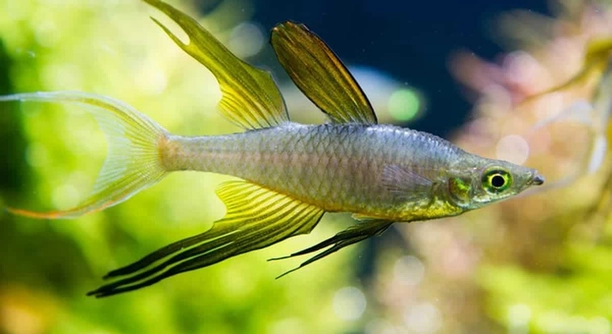
Threadfin are fascinating fish, often moving in schools and showing subtle behaviors that many observers might miss. Their movements, feeding patterns, and interactions can reveal important information about their environment and well-being. Paying attention can be rewarding.
Observing threadfin behavior closely allows for better understanding of their health, social interactions, and environmental adaptations. Key moments include feeding, spawning, stress responses, schooling adjustments, habitat changes, predator presence, and recovery from disturbances, each providing vital insights.
Learning to notice these behaviors can improve your care and observation skills. Each subtle cue carries useful information about their needs and surroundings.
Feeding Patterns and Appetite Changes
Threadfin often show noticeable changes in feeding behavior that indicate their health and comfort levels. They may eat more aggressively when food is abundant or slow down if stressed or unwell. Observing how they approach food, the timing of their meals, and their coordination with other fish can reveal underlying conditions. Sudden changes, like refusing food or only nibbling, might signal illness, water quality issues, or social stress within the tank. It’s helpful to track these patterns consistently, noting daily variations. Consistent feeding routines also support their natural rhythm and can help reduce stress. Some threadfin display competitive behavior during feeding, especially in groups, which can affect weaker individuals. Understanding these dynamics allows adjustments to feeding strategies to ensure all fish are nourished. Observing their appetite closely is one of the most reliable indicators of overall health. It can prevent problems before they become serious.
Tracking these feeding cues regularly can prevent potential health issues and maintain harmony in the tank.
Even minor fluctuations in feeding behavior can provide early warnings. By watching which fish eat first, how they share space, and how long they spend feeding, patterns emerge. Noting these observations over weeks helps identify trends, such as a fish gradually eating less, which may indicate stress or illness. Feeding at consistent times and in predictable locations supports natural behavior, reduces aggression, and allows easier monitoring. Variations in appetite during environmental changes, such as temperature shifts or water quality adjustments, are normal but should still be noted. Observing whether fish compete aggressively or wait for others to eat can also highlight social hierarchy issues. Over time, this attention helps maintain a healthier, more balanced aquarium, ensuring threadfin thrive while minimizing risks. Detailed observation during feeding is essential for understanding each fish’s well-being and managing the tank effectively.
Spawning and Mating Behavior
Threadfin exhibit distinct behaviors when preparing to spawn, often changing movement patterns and displaying courtship actions.
These behaviors include synchronized swimming, chasing, and color changes. Recognizing them helps understand reproductive health and timing.
Monitoring spawning behavior can reveal subtle shifts in health or stress levels. Some threadfin may separate from the group or show more aggression, which indicates readiness to mate. Courtship can also highlight environmental preferences, such as preferred water flow or hiding spots. Providing optimal conditions during this period supports successful reproduction and reduces conflicts. Noticing unusual behavior, such as lack of interaction or prolonged hiding, may point to stress, illness, or unsuitable habitat conditions. Recording these patterns over multiple cycles offers insights into timing, frequency, and individual preferences, helping plan tank adjustments. Observing their mating habits not only ensures reproduction but also improves understanding of their natural instincts and social dynamics. Consistent observation during this phase strengthens overall care practices, ensuring both adult and juvenile threadfin thrive.
Stress Responses
Threadfin show clear signs of stress through changes in movement, hiding, and rapid gill activity. Noticing these reactions early helps prevent long-term health problems and allows quick adjustments to their environment.
Stress in threadfin can arise from sudden changes in water temperature, poor water quality, overcrowding, or aggressive tank mates. Fish may retreat to corners, reduce activity, or stop eating. Gill movements often become faster, signaling difficulty breathing or discomfort. Some may display erratic swimming, bumping into surfaces, or swimming near the water surface. Observing these subtle shifts daily allows early intervention, like adjusting tank conditions, reducing noise, or separating aggressive individuals. Stress monitoring ensures healthier fish and a more stable tank environment.
Tracking behavior over time helps identify recurring stress triggers. Noticing which conditions consistently cause agitation or hiding lets you make lasting improvements. Consistency in monitoring also improves your ability to respond quickly to sudden changes, ensuring threadfin remain comfortable.
Schooling Adjustments
Threadfin adjust their schooling patterns based on safety, feeding, and environmental conditions, which reveals their comfort level and social structure.
Observing these changes provides insight into group dynamics, hierarchy, and potential threats. Fish may form tighter groups when stressed or spread out when exploring or feeding.
Schooling behavior is a key indicator of threadfin well-being. When they swim closely in synchronized patterns, it often reflects security and strong social bonds. Conversely, scattered swimming, frequent collisions, or hesitation to join the group may signal discomfort, illness, or environmental disturbances. Changes in lighting, water flow, or sudden introduction of new tank mates can disrupt normal schooling. By watching how fish respond to these factors, adjustments can be made to reduce stress, maintain balance, and ensure all members of the school receive adequate space and access to food. Observing schooling adjustments over time helps understand individual personalities, leadership tendencies, and group cohesion, which are important for long-term tank management.
Predator Awareness
Threadfin become noticeably alert when predators are nearby, often changing speed and direction quickly. Watching these reactions helps understand their natural defense mechanisms and readiness to react to threats in their environment.
Signs include sudden schooling, darting movements, and hovering near cover. Recognizing these behaviors allows better tank arrangement and ensures safety.
Habitat Changes
Threadfin respond quickly to alterations in their environment, such as shifts in water flow, temperature, or tank layout. Observing their adjustments helps identify preferences and ensures conditions support their natural behaviors. Consistent monitoring allows timely corrections and reduces stress.
Recovery from Disturbances
After sudden disturbances like loud noises, cleaning, or handling, threadfin may retreat or pause activity. Monitoring recovery time shows how resilient they are and indicates if conditions need further improvement.
What is the best way to observe threadfin without stressing them?
Observing threadfin quietly and consistently is essential to avoid causing stress. Sudden movements or tapping on the tank can make them hide or change behavior. Using a consistent routine for feeding and checking the tank helps fish act naturally. Watching from a distance and noting subtle behaviors, such as fin movement, swimming patterns, and reactions to other fish, provides accurate insight. Keeping the environment calm and stable supports natural behavior and makes observations more reliable.
How often should I monitor their behavior?
Daily observation is ideal, even if just for a few minutes. Frequent monitoring allows you to notice small changes early, such as shifts in appetite, schooling, or stress reactions. Weekly checks are not enough to catch subtle changes that may indicate health or environmental issues. Keeping a simple log or notes on patterns can help identify trends over time.
Why do threadfin sometimes separate from the school?
Separation can indicate discomfort, illness, or social hierarchy dynamics. A fish that consistently isolates itself may be stressed, weak, or unwell. Environmental factors like water temperature, flow, or lighting can also influence this behavior. Observing the duration and frequency of separation helps determine if action is needed. Adjusting tank conditions or providing hiding spaces can encourage normal schooling behavior.
What changes in feeding behavior are concerning?
Refusing food, eating less than usual, or only picking at certain types of food can indicate stress, illness, or water quality issues. Overeating or aggressive feeding may also suggest imbalance or competition. Noting these behaviors daily ensures timely intervention. Adjusting feeding routines or splitting meals into smaller portions can help maintain stability.
How do threadfin respond to predators?
Even small or simulated threats can trigger rapid schooling, darting, or hovering near cover. These responses are natural defense mechanisms. Observing how quickly and effectively threadfin react can provide insight into their comfort levels and environment safety. Maintaining proper hiding spots and ensuring enough space reduces stress from perceived threats.
What is the importance of monitoring spawning behavior?
Spawning behaviors reveal reproductive health and readiness. Watching courtship patterns, color changes, or synchronized swimming helps assess conditions. Environmental factors like water quality, temperature, and space influence success. Recording these behaviors allows adjustments to ensure proper reproduction and overall fish well-being. Lack of spawning activity may indicate stress or unsuitable habitat.
How can I tell if they are stressed?
Signs include hiding, rapid gill movement, erratic swimming, and reduced feeding. Observing these consistently helps identify recurring triggers, such as aggressive tank mates, poor water quality, or sudden disturbances. Addressing stress promptly supports long-term health and minimizes risks of illness or behavioral problems.
How do habitat changes affect their behavior?
Threadfin adjust quickly to changes in flow, temperature, and tank layout. Observing their responses helps identify preferences and determine if conditions meet their needs. Slow adaptation, hiding, or refusal to swim actively can indicate discomfort. Maintaining stable conditions ensures they remain healthy and exhibit natural behaviors.
What should I watch for after disturbances?
Following loud noises, cleaning, or handling, threadfin may pause activity, hide, or temporarily alter schooling patterns. Monitoring recovery time shows resilience and helps determine if adjustments to the tank environment are necessary. Quick recovery usually signals a healthy, well-adjusted fish.
How can I track subtle changes effectively?
Keeping a simple log of daily observations, including feeding, swimming patterns, and social interactions, provides a clear record of trends. Notes on water conditions, temperature, and any disturbances help correlate behaviors with environmental factors. Over time, this log becomes an invaluable tool for maintaining optimal care and early problem detection.
What are signs of illness to watch for?
Symptoms include lethargy, reduced appetite, unusual swimming, fin damage, or discoloration. Observing these alongside environmental conditions helps pinpoint causes. Prompt action, such as improving water quality or separating affected fish, increases recovery chances and prevents spread to others.
How do social dynamics affect behavior?
Aggressive or dominant fish can influence schooling, feeding, and stress levels of others. Observing interactions and positions within the school helps identify hierarchy issues. Adjusting group composition or providing hiding spaces improves harmony and ensures weaker fish can feed and rest comfortably.
How important is consistency in observation?
Consistent monitoring ensures accurate understanding of normal behavior. Inconsistent observation may miss subtle changes or misinterpret temporary reactions. Daily, structured observation builds a clear picture of each fish’s habits, health, and social behavior, allowing better care and early intervention when needed.
Can environmental enrichment influence behavior?
Adding plants, hiding spots, or varied flow patterns encourages natural exploration and reduces stress. Observing how threadfin use these features indicates preferences and supports mental and physical well-being. Changes in interaction with enrichment can also reveal shifts in health or mood.
How do I balance observation with minimal interference?
Observing from outside the tank, keeping movements slow, and maintaining consistent routines allows monitoring without causing stress. Minimal handling and avoiding sudden changes ensure behaviors remain natural and informative, helping you better understand the fish and their needs over time.
This FAQ addresses common questions and behaviors that help monitor threadfin effectively. Keeping detailed, consistent observations and adjusting the environment when needed ensures fish remain healthy, stress-free, and socially balanced.
Observing threadfin closely is an essential part of understanding their needs, health, and natural behavior. These fish communicate a lot through subtle cues in their movements, feeding, and social interactions. Paying attention to these details allows for timely adjustments in their environment, ensuring they remain comfortable and stress-free. Daily observation helps identify issues before they become serious, whether it’s changes in appetite, schooling patterns, or reactions to disturbances. By watching carefully, you can maintain a healthy, balanced tank where threadfin thrive. This practice also strengthens your ability to notice patterns and understand each fish’s personality, which is useful for long-term care.
Monitoring threadfin behavior provides insight into both individual and group dynamics. Schooling adjustments, spawning behavior, and reactions to environmental changes all convey important information about their well-being. Some fish may show signs of stress, like hiding or erratic swimming, while others might exhibit dominance or aggression during feeding. Recognizing these behaviors allows you to make informed changes to the tank setup, such as adding hiding spaces, adjusting water flow, or separating overly aggressive individuals. Environmental stability, proper feeding, and consistent observation all work together to reduce stress and support natural behaviors. This approach ensures that every fish, from the strongest to the most timid, has the opportunity to thrive. Over time, you develop a deeper understanding of what conditions encourage healthy growth, successful reproduction, and harmonious group interactions.
Consistency and attentiveness are key when caring for threadfin. Tracking patterns in feeding, recovery from disturbances, and responses to predators or changes in habitat can reveal long-term trends that are not always obvious in daily snapshots. Maintaining a log of observations can be especially helpful, allowing you to compare behaviors over weeks or months. These records provide a clearer picture of health, stress levels, and social interactions, making it easier to intervene if necessary. By observing threadfin regularly and carefully, you can create an environment that supports their natural instincts and overall well-being. Ultimately, paying attention to these small details ensures a healthier, more stable tank while deepening your connection to these fascinating fish.

Hello,
If you enjoy the content that we create, please consider saying a "Thank You!" by leaving a tip.
Every little bit helps us continue crafting quality advice that supports the health, happiness, and well-being of pets around the world, for pets of all shapes, sizes, and species.
We really appreciate the kindness and support that you show us!