
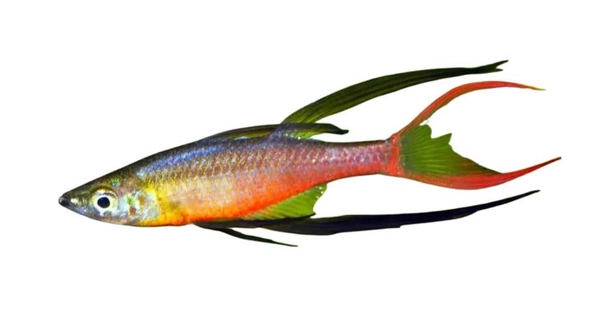
Threadfin Rainbowfish are small, colorful fish that bring life to any freshwater aquarium. Their shimmering scales and delicate fins make them a joy to observe. They often move gracefully, exploring their surroundings with gentle curiosity and cautious energy.
When exploring, Threadfin Rainbowfish exhibit coordinated swimming patterns and frequently investigate their environment. They inspect plants, rocks, and substrate while maintaining group cohesion. These fish display a combination of cautious approach and quick darting movements, reflecting both curiosity and predator awareness.
Observing their exploration habits offers insight into their social behavior and natural instincts, providing a richer understanding of their daily life in captivity.
How They Move Through Their Environment
Threadfin Rainbowfish move with a combination of fluidity and alertness. They often swim in small groups, maintaining a loose formation that allows them to respond quickly to any sudden changes. Their slender bodies and elongated fins help them glide smoothly through water, avoiding obstacles with minimal effort. While exploring, they tend to investigate plants, rocks, and hiding spots, often circling areas multiple times. Their movements are deliberate yet quick, showing both caution and curiosity. These fish can change speed abruptly, darting when something catches their attention or when they sense potential danger nearby. Observing them, I notice how synchronized their swimming can be, almost like they are communicating silently. The subtle flicks of their fins and slight changes in direction show their awareness of each other and the surroundings. Each swim seems purposeful, whether they are feeding, investigating, or simply moving to a new section of the tank.
Their swimming patterns are careful, yet lively, reflecting both instinct and curiosity in a natural way.
Watching Threadfin Rainbowfish explore reminds me how attentive they are to every detail. They notice small movements in plants, subtle changes in light, and even shifts in water flow. Their alertness ensures they stay safe while still engaging with their environment. Sometimes, they hover near a plant or rock, examining it from different angles before moving on. The way they interact with the space around them feels almost intentional, like each movement has a reason behind it. Observing their cautious yet inquisitive approach makes me appreciate their intelligence and adaptability. I find it fascinating how even small fish can display such complex behavior, balancing safety with the need to explore. It’s a delicate rhythm of observation, movement, and reaction that defines their daily activity. Over time, watching them makes the tank feel alive and dynamic, as if each fish has its own subtle personality.
Interaction With Other Fish
Threadfin Rainbowfish interact calmly but attentively with tank mates, showing social yet respectful behavior.
In a group, they establish a loose hierarchy without aggression. Their interactions include synchronized swimming, gentle nudges, and coordinated movement to explore new areas. Each fish seems to have a sense of its position in the group, adjusting speed and distance to maintain harmony. Even when a new fish is introduced, they often observe it cautiously, circling and monitoring before fully engaging. Their social behavior ensures safety, as they can respond quickly if one notices potential danger. Feeding times often highlight this coordination, with individuals taking turns approaching food while others wait their turn. I notice that their attention to each other creates a rhythm within the tank, a subtle balance that keeps tension low. Over days of observation, it becomes clear that their interactions are guided by both instinct and awareness. Each movement, each glance, reflects a careful assessment of both environment and companions, showing how small fish can manage complex social dynamics. Their behavior emphasizes communication through movement rather than sound, making them fascinating to watch as they navigate their aquatic space.
Feeding Behavior While Exploring
Threadfin Rainbowfish approach food cautiously, often inspecting it before taking a bite. They move in small groups, allowing each fish to feed while others wait their turn, minimizing conflict and ensuring everyone gets a share.
When feeding, they often hover near plants or rocks, picking at small particles and moving quickly between spots. Their slender bodies allow them to navigate tight spaces, while their alertness ensures they avoid sudden threats. Sometimes they pause mid-swim, adjusting their position to reach food more easily. Watching them, I notice how methodical their approach is, alternating between nibbling and observing their surroundings. This careful pattern seems instinctive, balancing nourishment with safety, and makes me appreciate the subtle ways these fish manage daily challenges in their environment. Their feeding is not hurried but deliberate, reflecting both awareness and adaptability.
I often notice their eyes scanning constantly while feeding, ensuring no sudden danger interrupts their activity. Their small, precise movements create a rhythm that keeps the group coordinated and alert.
Exploring Hiding Spots
Threadfin Rainbowfish frequently investigate corners and crevices, testing each space for safety and comfort. Their approach is slow and deliberate, with careful movements that minimize disturbances.
They often glide near plants or driftwood, pausing to examine textures and potential shelters. Each fish seems to have a personal preference for certain spots, sometimes returning to the same areas multiple times. Their fins and body allow them to squeeze into small spaces, and their quick reflexes help them retreat if necessary. Observing them, I notice a mix of curiosity and caution, as they balance exploration with avoiding potential threats. The way they interact with hiding spots shows how instinct and intelligence combine in subtle ways. I find it fascinating to see how they adapt to the layout of the tank, adjusting their swimming patterns depending on space, lighting, and presence of other fish. Each exploration feels purposeful, revealing aspects of their natural instincts in a contained environment.
They also use these hiding spots to rest briefly, maintaining safety while remaining aware of their surroundings.
Reactions to New Objects
Threadfin Rainbowfish approach new objects slowly, circling and inspecting before touching or passing them. Their movements are cautious, often accompanied by brief pauses to observe surroundings.
Sometimes they retreat slightly, assessing safety before resuming exploration. Their alertness ensures they avoid potential threats while staying curious about changes in their environment.
Social Signals
These fish use subtle body movements and fin flicks to communicate. Small changes in direction or speed signal awareness, caution, or interest, helping maintain group harmony and coordination while exploring together.
Interaction With Plants
Threadfin Rainbowfish often weave through plants, using leaves and stems as partial cover. They gently push aside foliage, examining spaces for feeding or resting opportunities.
Response to Light Changes
They adjust swimming patterns based on light intensity, moving to shaded areas when brightness increases. This instinctive behavior balances comfort and visibility in their environment.
FAQ
What do Threadfin Rainbowfish do when they feel threatened?
When these fish sense danger, they react quickly by darting to cover or moving toward a group. They rely on speed and coordination to avoid predators or sudden disturbances. I’ve noticed that even small movements near the tank can trigger a rapid, synchronized retreat, showing their instinctive awareness and reliance on safety in numbers.
How do they behave during feeding time?
Feeding is a structured process. They approach food cautiously, often taking turns to avoid conflict. Some fish hover near plants, nibbling small particles, while others circle the area, waiting for the right moment to join. I’ve found their rhythm fascinating because it combines caution with curiosity. They rarely rush, ensuring both safety and nourishment.
Do they explore alone or in groups?
Threadfin Rainbowfish mostly explore in small groups. They maintain loose formations to stay aware of each other while investigating new areas. Individual exploration occurs occasionally, usually near familiar spots or hiding areas. Watching them, I notice a balance between independence and social awareness that keeps the group coordinated.
How do they interact with tank decorations?
These fish treat decorations as both obstacles and areas to explore. They swim around rocks, driftwood, and plants, often circling objects multiple times before moving on. They may also use these areas for temporary shelter or resting spots. I enjoy seeing how each fish has a slightly different approach, reflecting personality and curiosity.
What role do hiding spots play in their behavior?
Hiding spots are essential for safety and comfort. They pause in crevices, behind plants, or under overhangs to rest while remaining alert. I’ve noticed that even confident fish return to these spots when something changes in the tank, showing their instinctive need for protection while exploring freely.
How do they respond to changes in light?
Threadfin Rainbowfish adjust their movement based on light intensity. When lights become brighter, they seek shaded areas or slow their swimming. This behavior reduces stress and mimics natural patterns they would experience in rivers or streams. Observing them, it’s clear that even small changes affect their activity and positioning.
Do they communicate with each other while exploring?
Yes, they use subtle cues like fin flicks, body movements, and speed changes to signal awareness or caution. I’ve seen them respond instantly to a neighbor’s movement, adjusting their path or pausing mid-swim. This silent communication keeps the group coordinated and alert, especially when exploring new or risky areas.
How long do they spend exploring each day?
Exploration is intermittent, usually occurring in short bursts. They alternate between swimming, feeding, and resting in hiding spots. I find that their activity seems highest during morning and late afternoon, with periods of calm in between. This rhythm reflects their natural patterns and energy levels in captivity.
Can their exploration behavior indicate health or stress?
Yes, changes in activity can signal potential issues. Less movement, lack of curiosity, or frequent hiding may indicate stress or illness. Conversely, active exploration, coordinated swimming, and interest in food typically show good health. I monitor their behavior regularly to ensure the environment meets their needs.
Do they interact differently with other fish species?
Threadfin Rainbowfish are generally peaceful but alert around unfamiliar species. They maintain personal space while observing other fish, adjusting swimming speed and distance to avoid conflict. I’ve noticed that compatible species often swim alongside them without tension, while aggressive or larger fish prompt more cautious behavior.
How do they handle new objects or changes in the tank?
When introduced to new items, they approach slowly, inspecting before interacting. Pauses and retreats are common until they feel safe. Observing this, I’ve realized their cautious curiosity is a survival instinct that balances exploration with self-protection. Gradual exposure helps them adapt without stress.
What can I do to encourage healthy exploration?
Providing plants, rocks, and varied terrain encourages natural behaviors. Keeping water quality stable, maintaining moderate light levels, and offering a variety of foods supports activity. I’ve found that even small adjustments, like adding a few hiding spots or rearranging decorations, can stimulate curiosity and engagement.
How do they balance exploration with safety?
They constantly assess surroundings, switching between active investigation and cautious observation. Hiding spots, group coordination, and attention to movement help them explore without undue risk. Watching them, I appreciate how instinct and intelligence combine, allowing them to navigate the tank efficiently while remaining safe.
Do they exhibit personalities while exploring?
Absolutely. Some are bold, approaching new objects first, while others are more cautious, observing before moving. Their preferences for hiding spots, swimming paths, and feeding order reflect individuality. I enjoy seeing these subtle differences, which make each fish feel unique despite their small size.
Can exploration behaviors change with age?
Yes, younger fish tend to be more curious and energetic, often exploring more actively. Older fish may become more selective, preferring familiar areas and showing slower, deliberate movements. I notice these patterns clearly in my tank, showing how experience and age influence behavior.
Are there risks when they explore too much?
Overactive exploration can lead to stress or minor injuries if decorations are sharp or tankmates are aggressive. I make sure the tank layout is safe, smooth, and spacious, allowing them to explore without hazards. Their cautious movements usually prevent serious issues, but monitoring remains important.
How do they react to water current while exploring?
Threadfin Rainbowfish adjust their swimming to accommodate currents, often using fin movements to stabilize themselves. Moderate flow stimulates activity, while strong currents may cause them to seek calmer areas. Observing them, I notice how they effortlessly adapt, balancing effort and efficiency as they move through the tank.
What signs show they are enjoying exploration?
Active swimming, coordinated group movements, frequent interaction with objects, and alert observation all indicate positive engagement. I also see occasional bursts of speed and playful turns, suggesting they feel safe and stimulated while exploring their environment.
Do exploration habits vary between individual fish?
Yes, some are more adventurous, approaching new areas immediately, while others remain cautious. Their position in the group and previous experiences also influence behavior. I find these differences make watching them endlessly interesting, as each fish displays its own distinct style of exploring.
Can environmental enrichment improve their exploration?
Providing varied plants, rocks, and hiding spots encourages natural movement and curiosity. Different textures and spaces stimulate activity, reducing boredom. I’ve seen my fish become more engaged and lively after small changes, demonstrating how a thoughtfully arranged tank promotes healthy exploration and social interaction.
How important is group size for exploration behavior?
Group size matters. Small groups balance coordination and social interaction, while too few fish may appear hesitant, and too many can lead to crowding. Observing my tank, I notice that moderate groups show the most natural, fluid exploration patterns, reflecting comfort and awareness among members.
Final Thoughts
Threadfin Rainbowfish are fascinating to observe because their behavior combines curiosity, caution, and social awareness. Watching them explore a tank can be surprisingly engaging, as each movement reveals a little about their instincts and natural tendencies. Their swimming patterns are smooth yet responsive, showing how attentive they are to both the environment and each other. Even small details, like how they circle a rock or pause near a plant, reflect a balance of exploration and self-preservation. I’ve noticed that their behavior can vary depending on the time of day, water conditions, and the presence of other fish, which makes daily observation feel dynamic and rewarding. By paying attention to these details, it becomes clear that they are more than just colorful decorations—they are intelligent, interactive creatures that respond thoughtfully to their surroundings. Their subtle communication and coordination when moving in groups demonstrate that even small fish have complex social dynamics.
Providing an environment that supports their natural behaviors is essential for their well-being. Plants, rocks, and hiding spots not only create a visually appealing tank but also give Threadfin Rainbowfish the opportunity to engage in instinctive behaviors safely. I’ve found that even small changes in tank layout can encourage more exploration, making their daily activity more varied and stimulating. Feeding times are also an important part of their routine, as they combine cautious investigation with coordinated group behavior. Observing how they approach food and interact with each other shows a level of thoughtfulness in their movements. Maintaining good water quality, moderate lighting, and adequate space is equally important because these factors influence how comfortable and active they feel. When these basic conditions are met, their exploration behavior becomes more natural and consistent, giving a better picture of how they behave in the wild.
It is easy to underestimate the richness of behavior that Threadfin Rainbowfish display. Each fish has its own personality, showing differences in boldness, curiosity, and preference for certain spots or hiding places. I notice some individuals are quick to investigate new objects, while others remain cautious and observant, waiting for the right moment to approach. These variations make observing a group interesting, as no two fish behave exactly the same. Over time, patterns emerge in how they swim, interact, and respond to changes in the tank. Recognizing these patterns helps me better understand their instincts and social dynamics. Overall, watching their exploration provides insight into their needs, personalities, and natural tendencies. By creating a supportive environment and observing closely, it is possible to appreciate not just their beauty but also their intelligence and adaptability. These fish are small, yet their behaviors are intricate, demonstrating a balance of curiosity, caution, and social awareness that makes them truly captivating.

Hello,
If you enjoy the content that we create, please consider saying a "Thank You!" by leaving a tip.
Every little bit helps us continue crafting quality advice that supports the health, happiness, and well-being of pets around the world, for pets of all shapes, sizes, and species.
We really appreciate the kindness and support that you show us!