
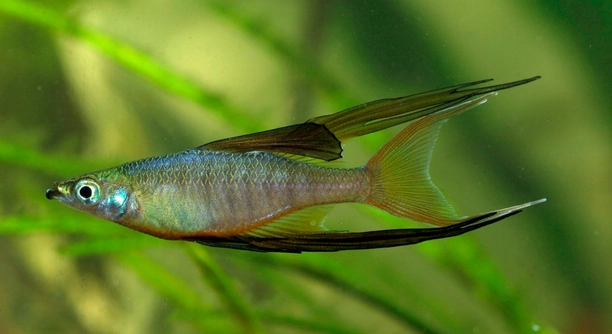
Skittish threadfins are delicate fish that respond strongly to changes in their surroundings. Their sensitivity can make maintaining a stable environment challenging, but small adjustments in care and habitat can greatly improve their comfort and well-being.
To calm threadfins and reduce stress, ensure water quality is consistently maintained, provide adequate hiding spaces, control lighting, avoid sudden movements or noises, and maintain compatible tank mates. Each environmental adjustment directly supports the fish’s natural behaviors and overall health.
Implementing these fixes will create a more stable and supportive environment for your threadfins, encouraging natural behaviors and promoting long-term well-being.
Stable Water Conditions
Maintaining stable water conditions is essential for threadfins, as fluctuations can trigger stress and erratic behavior. Regular testing of pH, ammonia, nitrite, and nitrate levels helps keep water chemistry consistent. Threadfins thrive in slightly alkaline water with a temperature range of 24–28°C, so monitoring heaters and filters is important. Sudden changes in temperature or water composition can weaken their immune system, leaving them vulnerable to disease. Performing partial water changes weekly can help remove excess waste and maintain clarity without causing abrupt shifts. Choosing a reliable filtration system ensures that water remains clean and well-oxygenated, reducing the risk of stress-induced illnesses. Minimizing chemical additives and avoiding strong cleaning agents near the tank will also prevent harmful exposure. By carefully managing water conditions, threadfins are more likely to remain calm, active, and healthy. Consistent water maintenance fosters an environment where natural behaviors, like schooling and foraging, can occur without unnecessary disturbances.
Consistent water monitoring reduces stress and prevents sudden changes that can harm threadfins. Stability is key for their daily health.
Regular observation allows noticing subtle signs of stress early. Small adjustments, like temperature stabilization or water replacement, support their comfort and natural behavior patterns efficiently.
Proper Hiding Spaces
Providing hiding spaces reduces anxiety for threadfins. Plants, rocks, or small shelters give them a secure place to retreat.
Threadfins are naturally cautious and benefit from having multiple areas to hide and explore. Arranging tank decorations to create shaded corners or nooks helps them feel secure without restricting swimming space. Floating plants or gentle caves also serve as cover while maintaining visibility. Proper spacing prevents overcrowding and allows each fish to establish a safe territory, reducing aggression and stress. Using natural materials that are safe for aquariums ensures water quality is not compromised. Over time, observing where threadfins prefer to hide can guide future adjustments in layout. This creates a calmer, more comfortable environment, enhancing feeding behavior and interactions. Thoughtful placement of these spaces supports both mental and physical health by mimicking conditions they would seek in natural habitats, contributing to a thriving aquarium ecosystem.
Controlled Lighting
Threadfins are sensitive to sudden changes in light. Bright or inconsistent lighting can cause stress and hide their natural behaviors, so keeping a stable day-night cycle is important for their well-being.
Using a timer for aquarium lights ensures a predictable routine, usually 10–12 hours of light followed by darkness. Gradual dimming in the morning and evening can reduce startle responses, simulating natural sunrise and sunset patterns. Avoid placing the tank in direct sunlight, which may overheat water and trigger algae growth. Observing how threadfins react to lighting adjustments allows gradual improvement of their comfort. Providing areas of shade within the tank helps fish feel secure while still enabling normal activity and foraging during illuminated periods.
In addition, avoiding sudden light flashes from room activity or camera flashes can prevent panic. Combining consistent lighting with shaded spots encourages calmer movement and reduces aggressive interactions among fish. This approach helps maintain a balanced environment where threadfins can thrive.
Compatible Tank Mates
Selecting compatible tank mates prevents stress and competition. Aggressive or overly active species can intimidate threadfins, leading to hiding or refusal to feed.
Threadfins do best with other peaceful, similarly sized fish. Avoid large predatory species that may view them as targets. Schooling threadfins feel safer when surrounded by calm companions, which supports natural swimming patterns and reduces anxiety. Introducing new fish gradually allows existing inhabitants to adjust without abrupt stress. Observation during initial days is crucial to ensure compatibility. Adequate space and multiple hiding spots minimize territorial disputes, allowing all fish to coexist peacefully.
Choosing compatible species also promotes social behaviors without excessive competition. A well-considered mix encourages harmony, natural schooling, and feeding routines, ultimately supporting overall health and reducing risk of stress-related illness.
Gentle Water Flow
Threadfins prefer calm waters with minimal currents. Strong pumps or turbulent flow can cause stress and disrupt natural swimming patterns.
Positioning filters or pumps to reduce direct streams helps maintain a gentle flow. This allows threadfins to move freely without constant resistance and supports normal schooling behavior.
Consistent Feeding Schedule
Maintaining a consistent feeding schedule reduces stress and promotes healthy growth. Feed threadfins small amounts two to three times daily.
Overfeeding can foul water, while irregular feeding can lead to aggression or lethargy. Using high-quality, varied foods ensures proper nutrition. Observing their eating habits helps adjust portions and prevent waste. Consistency encourages confidence during feeding times, supporting overall well-being.
Minimized Disturbances
Frequent tapping on glass or sudden movements near the tank startle threadfins. Minimizing external disturbances creates a calm environment and supports natural behavior.
FAQ
How often should I test the water for threadfins?
Testing water once a week is sufficient for most home aquariums. Focus on pH, ammonia, nitrite, and nitrate levels. Keeping a log helps spot trends and prevents sudden changes that could stress the fish. Frequent testing may be necessary if new fish are added or if issues arise.
What is the ideal temperature for skittish threadfins?
Threadfins thrive in temperatures between 24–28°C. Consistent temperature control reduces stress and supports immune function. Sudden changes, even by a few degrees, can cause panic swimming or hiding, making careful monitoring essential. Heaters with thermostats are recommended to maintain stability.
How much space do they need in a tank?
A minimum of 100 liters per small group is ideal. Threadfins are schooling fish and need room to swim freely. Overcrowding can lead to aggression, stress, and reduced feeding efficiency. Adding decorations and hiding spots further improves comfort without limiting movement.
What types of hiding spots are best?
Natural materials like smooth rocks, plants, and driftwood provide security. Threadfins feel safer when they have shaded areas or small caves. Avoid sharp or toxic materials, as they can injure fish or affect water quality. Observing preferred hiding locations helps refine tank layout.
Can threadfins be kept with other fish?
Yes, with peaceful species of similar size. Aggressive or fast-moving fish may intimidate threadfins, increasing stress. Introducing tank mates gradually allows all fish to adjust without sudden territorial disputes. Adequate space and multiple hiding spots reduce competition and promote harmony.
What should I feed them?
Feed a mix of high-quality pellets, flakes, and occasional live or frozen foods. Small, frequent meals—two to three times daily—support growth and reduce leftover waste. Avoid overfeeding, as uneaten food can foul water and create harmful ammonia spikes.
How do I reduce stress from lighting?
Use a timer to maintain consistent light cycles, typically 10–12 hours of light daily. Adding shaded areas or floating plants reduces exposure to bright light. Gradual morning and evening dimming mimics natural conditions and prevents sudden startle responses.
How important is water flow control?
Threadfins prefer gentle currents. Strong water movement can exhaust them and trigger stress behaviors. Adjust pumps or filters to diffuse strong currents and allow free swimming. Observation will indicate whether the flow is suitable for schooling and normal activity.
How can I tell if a threadfin is stressed?
Signs include hiding more than usual, rapid breathing, erratic swimming, or refusal to eat. Early detection allows prompt adjustments in water quality, tank layout, lighting, or social conditions. Stress management ensures healthier, more active fish.
What maintenance routine supports skittish threadfins?
Weekly partial water changes, careful monitoring of water parameters, consistent feeding, and gentle cleaning of decorations and filters maintain stability. Avoid abrupt changes in temperature, lighting, or tank layout. Observing behavior daily helps catch issues before they escalate.
Are there any common mistakes to avoid?
Avoid overcrowding, sudden temperature shifts, overfeeding, and introducing aggressive tank mates. Rapid rearrangements of tank decor or strong light changes can also increase stress. Consistency and observation are key to keeping threadfins calm and healthy.
How long can skittish threadfins live in a well-maintained tank?
With proper care, stable water, appropriate tank mates, and regular feeding, threadfins can live up to 5–7 years. Longevity depends on stress reduction and maintaining environmental consistency over time.
Final Thoughts
Caring for skittish threadfins requires attention to their environment and consistent habits. These fish are naturally sensitive, reacting strongly to changes in water quality, lighting, and tank activity. Maintaining stable water conditions is essential, including monitoring pH, ammonia, nitrite, and nitrate levels regularly. Gradual adjustments, rather than sudden shifts, help prevent unnecessary stress and support their overall health. A reliable filtration system and controlled temperature range allow threadfins to feel secure, promoting natural behaviors such as schooling and foraging. Weekly partial water changes, combined with careful observation, ensure the tank remains clean and balanced, creating a supportive environment where these fish can thrive.
Providing adequate hiding spaces is another key factor in their well-being. Plants, rocks, and small shelters give threadfins a place to retreat when feeling threatened. Thoughtful placement of these elements reduces stress and encourages exploration without crowding their swimming space. Observing where threadfins prefer to hide can guide future tank arrangements to better suit their comfort. Additionally, consistent feeding routines with high-quality, varied food prevent competition and promote healthy growth. Overfeeding or irregular schedules can disrupt their behavior, while small, frequent meals help maintain stable water quality and encourage confident activity. Combining secure hiding spots with a reliable feeding plan helps threadfins feel safe and reduces the likelihood of stress-related health issues.
Environmental factors, such as gentle water flow, controlled lighting, and compatible tank mates, also play an important role in their daily life. Strong currents, sudden light changes, or aggressive companions can all trigger anxiety, impacting appetite and social behaviors. Gradual adjustments and careful observation allow owners to create a calm and balanced habitat that aligns with their natural tendencies. Reducing disturbances around the tank, such as tapping on the glass or sudden movements nearby, further supports a stress-free environment. By prioritizing stability, thoughtful tank design, and consistent care routines, skittish threadfins can live longer, healthier lives. Attention to these details ensures they remain active, confident, and comfortable, demonstrating the positive impact a carefully maintained habitat can have on delicate fish.

Hello,
If you enjoy the content that we create, please consider saying a "Thank You!" by leaving a tip.
Every little bit helps us continue crafting quality advice that supports the health, happiness, and well-being of pets around the world, for pets of all shapes, sizes, and species.
We really appreciate the kindness and support that you show us!