
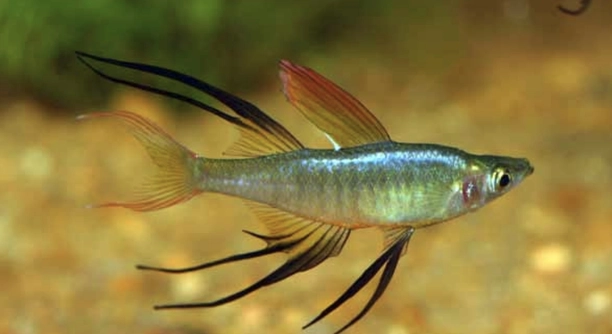
Have you ever noticed how some fish seem to respond quickly when the light around them changes, almost as if startled by surprise?
When light suddenly changes, threadfins may react with abrupt movements, brief disorientation, or rapid shifts in swimming direction. These behaviors serve as natural defense mechanisms, helping them adjust and protect themselves from potential threats.
Exploring how threadfins react under sudden changes in light reveals fascinating details about their instincts, survival strategies, and the delicate balance within their watery world.
How Threadfins React to Sudden Light Changes
Threadfins are sensitive to their environment, and sudden light changes can cause noticeable shifts in their behavior. When the light changes quickly, they may dart around the water, adjust their swimming patterns, or pause briefly to reorient themselves. These reactions are part of their natural instincts, helping them adapt to sudden shifts that could signal danger. Since light is an important environmental cue for many fish, sudden changes can be confusing. For threadfins, this reaction is a way of balancing their need for safety with the need to keep moving, feeding, and interacting with their surroundings.
For a brief moment, threadfins may show hesitation, then quickly resume their activities once they recognize there is no threat in the environment.
These small behaviors highlight how even minor changes can influence aquatic life. Understanding them allows a deeper appreciation for how delicate and responsive fish can be to their surroundings.
Why These Reactions Matter
Threadfins respond quickly because light plays a key role in their ability to survive, find food, and remain safe from predators.
When threadfins are exposed to sudden light shifts, their behaviors reflect finely tuned survival strategies. Quick darting movements make it harder for predators to catch them, while brief pauses allow them to evaluate what has changed. These actions, though small, are rooted in instinct and are part of how threadfins manage risk. Light changes can also disrupt their feeding, as they rely on clear conditions to locate food. By adapting instantly, they can minimize lost opportunities to feed while staying safe. For aquarists, noticing these reactions provides valuable information about tank lighting. Bright lights switched on too quickly can stress threadfins, while gradual lighting adjustments help reduce sudden reactions. In natural waters, these behaviors demonstrate how important environmental stability is for their overall health and survival.
Environmental Triggers
Threadfins react strongly to sudden changes because light is tied to their natural rhythms. A quick shift can create stress, making them behave defensively. These responses are not random but carefully shaped by their environment and daily cycles.
In natural waters, light changes are gradual, influenced by sunrise, sunset, or shifting clouds. Threadfins are accustomed to these slower transitions, which guide their feeding, resting, and movement. When exposed to abrupt artificial changes, their instincts trigger protective behaviors. Sudden light feels unnatural, and their bodies respond with quick bursts of movement, cautious pauses, or changes in swimming depth. These actions reflect how closely they depend on predictable light cycles.
Aquariums amplify this effect because lighting is often controlled by humans. Abruptly turning lights on or off can surprise threadfins, while timed systems that mimic natural shifts help reduce stress. Environmental stability ensures healthier, more balanced reactions for these fish.
Behavioral Patterns
Threadfins often dart away, cluster together, or freeze in place when the light changes suddenly. Each behavior reflects a different strategy, ranging from protection against predators to regaining comfort in their environment.
Darting movements are the most noticeable reaction. These sharp bursts of speed act as an escape mechanism, making threadfins less predictable to potential threats. Clustering together provides safety in numbers, allowing them to sense changes as a group. Freezing in place, though brief, is another instinctive response, giving them a moment to process the new lighting condition. Each behavior serves a survival purpose, shaped by generations of adaptation. While they may seem simple, these reactions highlight how sensitive threadfins are to external shifts. Recognizing these patterns can help aquarists and observers better care for them by adjusting conditions to suit their natural instincts.
Stress and Adaptation
Threadfins experience stress when sudden light shifts occur, but they adapt quickly. Their ability to reset and return to normal activity is what keeps them resilient in constantly changing environments.
Over time, repeated exposure to controlled light changes helps reduce overreactions. Gradual adaptation allows threadfins to maintain balance without constant stress.
Feeding Behavior
Light plays a major role in when and how threadfins feed. Sudden brightness can cause them to stop eating and scatter, disrupting their rhythm. Dim conditions, on the other hand, may encourage them to move cautiously while continuing their search for food. If exposed to repeated abrupt changes, their feeding patterns can shift, sometimes lowering their overall intake. This disruption may affect growth and energy levels. By ensuring light transitions are smooth, their natural feeding behavior remains consistent, supporting healthier development and more predictable routines for both wild and captive threadfins.
Social Interactions
Sudden light changes can briefly disturb group coordination, leading threadfins to scatter before regrouping. Their ability to quickly restore order shows the importance of social bonds in managing environmental changes together.
FAQ
Why do threadfins react so quickly to sudden light changes?
Threadfins react quickly because their survival depends on sharp instincts. Light changes can signal danger, such as predators or shifts in their environment. By responding immediately, they protect themselves from potential threats while adjusting to new conditions. Their fast reactions are natural defense strategies shaped by evolution.
Do sudden light changes harm threadfins in the long run?
Occasional light changes do not usually cause harm, but frequent or harsh shifts can create ongoing stress. Stress can weaken their immune system, disrupt feeding, and affect social behaviors. Over time, this may lead to poor health. Smooth, gradual light adjustments are better for keeping them healthy.
How can aquarists manage lighting to prevent stress?
Aquarists can use timers, dimmers, or programmable systems that mimic natural sunrise and sunset. This helps threadfins adjust without shock. Avoiding abrupt switches is key. Controlled lighting not only reduces stress but also supports stable feeding, activity, and overall well-being in the aquarium.
Why do threadfins sometimes freeze instead of moving when the light changes?
Freezing is a common instinct that allows threadfins to assess their surroundings before acting. By staying still, they reduce attention from predators and take time to process what changed. This behavior is temporary but shows how sensitive they are to their environment.
Do wild threadfins respond differently from captive ones?
Wild threadfins are more accustomed to gradual natural light changes, so sudden shifts are rare. Captive threadfins often face abrupt artificial lighting, making their responses more noticeable. While the instinct is the same, aquarium conditions highlight the sensitivity of their behavior.
Can sudden light changes affect feeding patterns?
Yes, feeding is closely tied to light. Brightness helps them locate food, while dimness makes them cautious. Sudden changes interrupt feeding, sometimes making them scatter or stop eating altogether. Consistent lighting encourages natural feeding rhythms, ensuring healthier energy levels and proper growth over time.
Why do threadfins cluster together after a sudden change?
Clustering is a protective strategy. By grouping tightly, threadfins feel safer and can respond collectively to potential threats. This behavior reduces individual risk and provides comfort, reinforcing their strong social tendencies and ability to navigate changes as a group.
How does stress from lighting show in threadfin behavior?
Signs of stress include erratic swimming, hiding, reduced feeding, or excessive darting. If these behaviors appear often, it may indicate lighting is too harsh or inconsistent. Adjusting light settings can calm them, helping their behavior return to normal.
Are sudden light changes ever beneficial for threadfins?
In some cases, small shifts can help them build tolerance to mild stress. However, repeated sudden changes are not beneficial overall. The key is balance—maintaining a stable environment while allowing natural variation to keep their instincts active and responsive.
What role does light play in social coordination?
Light helps threadfins stay in sync with one another. It guides their movements, feeding times, and group interactions. Sudden shifts may briefly disrupt this coordination, but they usually regroup quickly. Stable lighting maintains harmony, while abrupt changes test their ability to adapt together.
Can threadfins become used to artificial lighting?
Yes, they can adjust over time, especially if the changes are consistent. Threadfins may learn to expect certain patterns, like lights turning on or off at the same times daily. Predictability reduces stress, allowing them to settle into a routine comfortably.
Do different species of threadfins react in the same way?
Reactions are similar across species, though intensity may vary. All rely on light for feeding, safety, and social interaction. While some may scatter more dramatically, others may freeze longer. These differences are small but highlight the adaptability within the threadfin group.
How do sudden light changes influence their energy levels?
Abrupt shifts can cause bursts of activity, leading to wasted energy. Over time, this can reduce efficiency in feeding and growth. Stable lighting prevents unnecessary expenditure, ensuring threadfins use their energy for survival tasks like finding food and maintaining health.
Can aquariums fully mimic natural light for threadfins?
While not perfect, aquariums can get close by using adjustable lighting systems. Mimicking dawn, daylight, and dusk cycles creates a more natural rhythm. This reduces stress and supports behavior that aligns with what threadfins would experience in their natural waters.
Why do some threadfins dart more than others under sudden light?
Individual variation plays a role. Some fish are naturally more reactive due to temperament or past experiences. Others may remain calmer, freezing instead of darting. Both behaviors serve the same purpose: adjusting to sudden change and staying safe from potential threats.
Does light impact breeding behavior in threadfins?
Yes, light influences reproductive cycles. Consistent, natural-like lighting helps trigger hormonal rhythms tied to breeding. Sudden changes can disrupt these cycles, reducing spawning activity. Stable conditions encourage healthier breeding responses, making lighting management important for aquarists who keep breeding pairs.
What happens if threadfins face constant sudden light changes?
Constant exposure to harsh changes can create chronic stress. This stress can lower immunity, slow growth, and cause abnormal behaviors. Over time, they may appear less active or struggle to thrive. Providing stable light prevents these negative effects and ensures better health.
Can observing threadfin reactions teach us about other fish?
Yes, many fish species share similar light-related instincts. Observing threadfins helps aquarists understand how sudden environmental changes affect behavior more broadly. These insights apply to care practices across species, making lighting management an important part of responsible fishkeeping.
Final Thoughts
Threadfins are fascinating because of how strongly they respond to even small changes in their environment. Light, something that may seem simple to us, plays an important role in their daily lives. It shapes how they feed, move, interact, and stay safe. When the light suddenly changes, their instincts push them to react quickly. Whether by darting, freezing, or grouping together, these responses show how sensitive they are to shifts around them. This sensitivity is not a weakness but a survival tool, allowing them to adjust and protect themselves. Watching these behaviors reminds us how closely connected they are to natural rhythms and how much they rely on stable conditions.
For aquarists, the behavior of threadfins under sudden light changes is a reminder of how important it is to manage their environment carefully. A simple act, like switching lights on too quickly, can create stress and disrupt their normal patterns. Stress in fish is not always obvious, but over time it can affect health, feeding, and even social interaction. By using gradual lighting systems, aquarists can give threadfins a sense of stability that closely resembles what they would experience in natural waters. This attention to detail not only prevents stress but also allows threadfins to display their full range of natural behaviors more comfortably. When they feel safe, they interact more freely, feed consistently, and thrive in their environment.
Looking at threadfins reminds us how delicate the balance of nature can be. Light, a factor often overlooked, holds great influence over their well-being. Their quick responses to sudden changes reveal both their vulnerability and their strength. They adapt, they recover, and they continue on, but they also show us how stability supports health. For anyone observing or caring for them, these reactions highlight the responsibility of creating conditions that support natural rhythms rather than disrupt them. Threadfins may be small and often unnoticed compared to larger species, yet their behavior teaches valuable lessons about sensitivity, adaptation, and the importance of stability in aquatic life. By understanding them better, we not only improve their care but also gain a deeper appreciation for the fine details that keep aquatic environments balanced.

Hello,
If you enjoy the content that we create, please consider saying a "Thank You!" by leaving a tip.
Every little bit helps us continue crafting quality advice that supports the health, happiness, and well-being of pets around the world, for pets of all shapes, sizes, and species.
We really appreciate the kindness and support that you show us!