
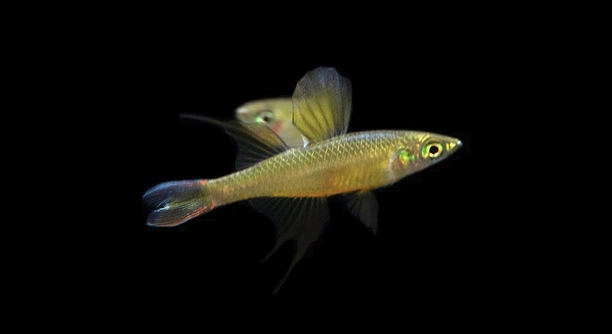
Do you ever find yourself observing your threadfins and wondering if they feel truly safe and comfortable in the environment you created for them?
Threadfins display clear signs when they feel secure in their habitat. These include relaxed swimming patterns, stable schooling behavior, active feeding, and natural social interactions. Recognizing these clues helps ensure their health, comfort, and overall well-being in captivity.
Learning these subtle behaviors offers valuable insight into your threadfins’ daily lives and helps you create a balanced, stress-free aquatic space for them.
Relaxed Swimming Patterns
When threadfins feel secure in their space, they swim with ease and grace, displaying calm, rhythmic movements that show no signs of tension. You will notice their bodies gliding steadily through the water, without darting or abrupt stops. This behavior reflects a stable environment where they are not threatened or unsettled. Their fins remain extended, showing confidence, and their bodies appear balanced and smooth. This relaxed movement contrasts strongly with stress-related swimming, such as frantic pacing or hiding. By observing these natural patterns, you can quickly identify whether your threadfins are comfortable and at peace in their habitat.
A comfortable threadfin will avoid erratic swimming and instead embrace slower, deliberate movements. Their swimming pace reflects their sense of security.
Alongside their calm swimming, threadfins also display a preference for consistency in depth and territory. They navigate their environment with familiarity, indicating both confidence and an acceptance of the space as their own.
Stable Schooling Behavior
Threadfins thrive when moving in unison, and secure fish demonstrate schooling that is synchronized and steady. When they feel comfortable, their movements align naturally, showing both trust in their group and comfort in their surroundings.
In a secure setting, threadfins exhibit schooling that is cohesive and highly coordinated. They remain close together, swimming in parallel formations, without abrupt separations or sudden scatterings. This behavior highlights their confidence in both their tankmates and environment. Stress, on the other hand, disrupts this coordination, leading to fragmented groups or individuals straying away. When fish consistently maintain formation, it shows they are relaxed and not sensing potential threats. Proper water quality, appropriate tank size, and adequate hiding areas all contribute to this sense of safety. The harmony of a synchronized group is a clear sign of contentment, offering reassurance that your fish are thriving. Observing this daily is an encouraging reflection of their well-being.
Active Feeding Habits
When threadfins feel secure, they approach feeding times with energy and confidence. They swim directly to food, eat consistently, and show no hesitation. Secure fish will feed openly in the tank without hiding or avoiding other tankmates during meals.
A healthy appetite is one of the clearest indicators of comfort. Threadfins that feel safe consume food steadily and without aggression. Their movements during feeding remain smooth, not frantic, which shows they are not competing out of stress. You may notice them eating near others calmly, reflecting their trust in both their environment and companions. Active feeding, combined with steady behavior before and after meals, is a reliable sign that they feel at ease. When stress is present, food avoidance or erratic movements around feeding areas are usually the first warning signs. Watching these habits closely can reveal much about your threadfins’ well-being.
Comfortable threadfins also display curiosity during feeding. They may explore floating or sinking foods without fear, adjusting easily to what is offered. This ease reflects a sense of safety that allows them to engage naturally. They take time with their food, not rushing or hoarding, and return to calm swimming afterward. These patterns demonstrate contentment and overall stability.
Natural Social Interactions
Social engagement among threadfins is a clear indicator of their comfort and security. When they feel safe, they interact regularly, maintaining gentle group contact, swimming closely, and displaying balanced behavior without aggression or excessive isolation from others.
In a safe space, threadfins will interact with one another in predictable, steady ways. They may swim side by side, mirror movements, or briefly part and regroup without stress. This shows harmony within the group and trust in their environment. When stress is absent, they maintain steady spacing rather than clustering tightly for protection or scattering unpredictably. Observing these natural social behaviors is important because it provides a simple way to assess their overall mood. Stable interactions signal not only their comfort but also their long-term health and resilience. Subtle details like this reflect a thriving aquatic environment built on security.
Bright and Consistent Coloring
Secure threadfins display vibrant, steady coloring that remains consistent throughout the day. Their fins appear clear and smooth, free from fading or dullness, showing they are both comfortable and healthy in their environment.
When stress is absent, their natural hues intensify. Bright and even coloring indicates proper care, stable conditions, and confidence in their surroundings. Dull or blotchy shades often signal discomfort, illness, or insecurity.
Exploration of Their Habitat
Threadfins that feel secure actively explore their environment without hesitation. They swim around plants, rocks, and decorations with curiosity, returning to familiar areas confidently. This regular exploration reflects comfort, safety, and an engaging connection to their surroundings.
Resting Comfortably
Calm resting is another sign of security. Threadfins pause in the water with steady balance, not darting or hiding. Their stillness appears natural and unforced, showing comfort and trust in their environment.
FAQ
How can I tell if my threadfins are stressed?
Stressed threadfins often display erratic swimming, rapid darting, or hiding for long periods. They may avoid food or show aggression toward tankmates. Faded or uneven coloring can also indicate stress. Monitoring these behaviors daily helps you address environmental issues quickly.
What should I do if my threadfins avoid food?
Avoidance of food often signals discomfort or illness. Check water quality, temperature, and tank conditions first. Ensure the food is fresh and appropriate for threadfins. Feeding smaller, frequent portions can encourage eating while giving fish time to adjust.
Why do threadfins swim frantically at times?
Frantic swimming usually points to fear or an unsettled environment. Sudden changes in light, temperature, or tank mates can trigger this behavior. Ensuring a consistent, calm habitat with proper hiding areas reduces stress and encourages steady swimming.
Are hiding spots necessary for threadfins?
Yes. Secure threadfins feel more confident when they can access plants, rocks, or decorations for temporary shelter. Hiding spots reduce anxiety, offer rest areas, and allow them to explore at their own pace. Lack of cover can increase stress and unpredictable behaviors.
How often should I observe my threadfins’ behavior?
Daily observation is ideal. Spending even a few minutes each day watching their swimming, feeding, and social patterns helps detect early signs of stress or illness. Consistent monitoring allows you to maintain a stable, comfortable environment.
Do threadfins need companionship to feel secure?
Threadfins are social fish and feel safer in groups. A stable, cohesive school encourages confidence and natural behaviors. Introducing new fish gradually and ensuring compatible species will prevent aggression and promote a calm, secure atmosphere.
Can water quality affect threadfin behavior?
Absolutely. Poor water quality can lead to stress, reduced appetite, and erratic swimming. Maintaining proper pH, temperature, and filtration is essential. Regular water testing and partial water changes keep conditions stable, supporting comfort and long-term health.
What are signs of a happy, secure threadfin?
Happy threadfins swim calmly, feed actively, interact naturally with their school, and explore their environment confidently. Their coloring is vibrant, and they rest comfortably without sudden darting. Observing these behaviors consistently indicates a thriving, secure fish.
Is lighting important for threadfin comfort?
Yes, consistent and moderate lighting helps threadfins maintain natural rhythms. Sudden changes or overly bright lights can stress them, while dim or stable lighting encourages relaxed swimming and normal activity patterns.
How do I encourage natural behavior in threadfins?
Providing ample space, hiding spots, and a stable group environment supports natural behaviors. Regular feeding, consistent water conditions, and observing social interactions promote confidence, calm swimming, and exploration without stress.
Can stress affect breeding or growth?
Stress can slow growth, suppress immunity, and interfere with breeding. Ensuring threadfins feel secure through proper care, stable water conditions, and reduced stressors increases their overall vitality and reproductive health.
How quickly can threadfins adjust to a new tank?
Adjustment depends on water stability, tank setup, and presence of familiar companions. Gradual acclimation, proper hiding areas, and minimal sudden changes help threadfins adapt comfortably within days to weeks.
What behaviors indicate long-term comfort?
Long-term comfort shows through steady swimming, active feeding, cohesive schooling, exploration, vibrant coloring, and consistent resting. Threadfins display confidence in movement and social interactions, reflecting a secure environment.
How can I prevent stress in my threadfins?
Maintain consistent water conditions, provide hiding spots, ensure proper tank mates, feed regularly, and avoid sudden environmental changes. Observing behaviors daily helps prevent stress and supports long-term health and security.
Why do some threadfins hide while others explore?
Individual personality and confidence levels play a role. Secure fish will explore while less confident ones may remain near shelters. Over time, a stable environment helps even shy fish gain comfort and join normal activity patterns.
Can diet impact threadfin behavior?
Yes. Nutritionally balanced, fresh food encourages active feeding and exploration. Poor diet can lead to lethargy, reduced appetite, and stress, which in turn affects social and swimming behaviors.
Are there signs of illness that mimic insecurity?
Yes. Lethargy, faded coloring, or erratic swimming may indicate disease rather than simple insecurity. Observing multiple behaviors and checking water quality helps differentiate stress from illness, allowing prompt care.
Do temperature changes affect threadfin comfort?
Sudden temperature fluctuations cause stress and irregular behavior. Maintaining a stable, suitable range ensures smooth swimming, proper feeding, and natural interactions. Gradual adjustments are necessary if temperature changes are unavoidable.
How do I know if my tank is too small?
Limited space restricts swimming, increases aggression, and can prevent proper schooling. Secure threadfins need ample room to move freely, explore, and interact comfortably without constant competition or overcrowding.
What is the best way to introduce new threadfins?
Introduce them gradually using a quarantine or divider method. Monitor interactions carefully, ensuring no aggression. Providing hiding spots and maintaining stable water conditions encourages safe integration and a cohesive, secure group.
How can I tell if my threadfins are bonding with their group?
Synchronized swimming, steady schooling, and calm proximity indicate bonding. Fish that interact naturally without aggression or excessive hiding show trust and comfort within their group, reflecting security and stability in the environment.
Are there behavioral changes during breeding that affect security?
Yes. Breeding behaviors may include temporary territoriality or reduced social interaction. Even during these times, secure threadfins maintain calm movements, proper feeding, and return to normal social patterns afterward, signaling overall comfort.
What daily care helps threadfins feel secure?
Consistent feeding schedules, clean water, stable temperatures, hiding spots, and careful observation of interactions create an environment where threadfins feel safe. Maintaining these routines supports calm, confident, and healthy behavior every day.
How long does it take to see signs of comfort?
Signs of comfort, such as relaxed swimming, active feeding, and social cohesion, can appear within days in a stable environment. Continuous observation ensures adjustments are made promptly to maintain their sense of security.
What role do decorations and plants play in comfort?
Decorations and plants provide hiding spots, reduce stress, and encourage exploration. They create a stimulating environment where threadfins can navigate safely, rest comfortably, and interact naturally, enhancing overall security.
Can lighting schedules affect sleep and comfort?
Yes. Consistent lighting patterns help threadfins maintain natural activity and rest cycles. Proper day-night rhythms reduce stress and support regular behavior, including feeding, swimming, and social interactions.
Do all threadfins react the same to environmental changes?
No. Individual temperaments vary. Some adapt quickly, while others may show hesitation or hiding. Stable conditions, gentle introductions, and observation help all fish adjust comfortably, supporting overall group security.
How important is observation in maintaining secure threadfins?
Observation is key. Watching behavior daily allows early detection of stress, illness, or discomfort. Noticing subtle changes ensures timely adjustments to maintain a safe, healthy, and stable environment.
Can stress cause permanent behavior changes?
Prolonged stress may lead to lingering fear, aggression, or reduced activity. Prompt care, environmental adjustments, and consistent routines help restore natural, secure behaviors over time.
Are there signs that a threadfin is exceptionally confident?
Confident threadfins swim openly, explore frequently, interact seamlessly with their group, and feed actively even in the presence of others. Their behavior reflects a high level of trust in both environment and companions.
What is the most reliable indicator of threadfin security?
A combination of calm swimming, active feeding, cohesive schooling, vibrant coloring, natural exploration, and steady resting patterns reliably indicates that threadfins feel secure, comfortable, and healthy in their habitat.
How can I maintain long-term security for threadfins?
Stable water conditions, consistent feeding, proper tank size, hiding spots, careful monitoring of behavior, and gradual changes support long-term security. Attentive care encourages natural behavior and reduces stress, keeping threadfins confident and healthy.
How do I balance multiple needs for a secure environment?
Provide adequate space, compatible companions, hiding spots, consistent feeding, and stable water quality. Observing behavior regularly ensures all needs are met, allowing threadfins to thrive comfortably.
Can environmental enrichment improve threadfin confidence?
Yes. Plants, rocks, and varied structures encourage exploration and reduce boredom. Enrichment promotes natural behavior, enhances security, and supports mental and physical well-being.
What are early warning signs of insecurity in threadfins?
Erratic swimming, hiding, sudden color changes, loss of appetite, or reduced interaction with tankmates indicate insecurity. Early intervention with environmental adjustments can restore comfort and confidence.
How do I differentiate between normal variation and stress-related behavior?
Observing consistent patterns over time helps distinguish normal differences in activity or temperament from stress-induced changes. Look for persistent avoidance, lethargy, or erratic behavior to identify insecurity.
Can social hierarchy impact comfort?
Yes. Dominance disputes or aggressive behavior can stress less confident fish. Balanced group sizes, compatible personalities, and hiding areas help maintain harmony and security for all threadfins.
What environmental factors most influence threadfin security?
Water quality, temperature stability, tank size, hiding spots, lighting, and social group dynamics all significantly affect security. Maintaining optimal conditions ensures natural, confident behavior.
Do threadfins ever display comfort differently than expected?
Individual personality can alter how comfort is expressed. Some fish may rest more or explore less, yet still feel secure. Observing overall behavior patterns helps interpret their level of comfort accurately.
How important is consistency in daily care?
Consistency reduces stress and reinforces security. Regular feeding, stable water conditions, and predictable routines help threadfins feel safe, encouraging normal, confident behaviors and supporting long-term health.
Are behavioral changes always negative?
Not always. Gradual exploration or minor activity changes may reflect curiosity or adaptation, not stress. Monitoring context and overall patterns distinguishes healthy adjustments from insecurity.
Can I improve comfort through tank layout changes?
Yes. Adding plants, rocks, and proper hiding spots encourages exploration and reduces stress. Thoughtful layout changes improve confidence and allow fish to navigate and interact naturally.
Do all tankmates affect threadfin comfort equally?
No. Aggressive or incompatible species can increase stress, while compatible, calm tankmates enhance security. Careful selection of companions maintains harmony and a safe environment.
How do I track long-term comfort in threadfins?
Keep notes or photos of behavior, coloring, feeding, and social interactions. Observing patterns over weeks or months helps assess comfort trends and informs necessary adjustments to maintain a secure environment.
What is the easiest daily habit to ensure threadfin security?
Consistent observation is the most effective daily habit. Spending a few minutes monitoring swimming, feeding, and social behaviors helps quickly identify issues and ensures ongoing comfort and stability.
Can environmental stressors be minimized effectively?
Yes. Stable water conditions, proper tank size, hiding spots, compatible companions, and predictable routines minimize stress, allowing threadfins to feel secure, explore naturally, and interact confidently with their surroundings.
How do I know if changes are needed in the tank setup?
Watch for signs like erratic swimming, hiding, reduced feeding, or aggression. Behavioral shifts indicate that adjustments to environment, companions, or care routines may be necessary.
Are there natural ways to encourage threadfin confidence?
Providing stable conditions, hiding spots, structured schooling groups, and gentle, gradual changes encourages confidence. Active exploration, normal feeding, and social cohesion reflect a secure and comfortable environment.
How long should I observe before making changes?
Several days of consistent observation are sufficient to identify persistent behaviors. Gradual adjustments, followed by further observation, ensure threadfins remain secure without unnecessary stress.
Do stress signs differ between juveniles and adults?
Yes. Juveniles may hide more or feed less when stressed, while adults may show aggression or erratic swimming. Understanding these differences ensures appropriate care for each life stage.
Can enrichment reduce aggression in the tank?
Yes. Varied structures and hiding spots provide outlets for exploration and refuge, decreasing competition and promoting peaceful, secure interactions among tankmates.
How do I maintain security during tank maintenance?
Perform maintenance calmly and gradually, avoiding sudden changes. Replace water carefully, minimize disturbances, and maintain stable lighting to prevent stress and maintain a secure environment.
Do seasonal changes affect threadfin comfort?
Gradual seasonal changes may influence behavior slightly, but stable water conditions, temperature, and lighting minimize disruption. Consistent care ensures threadfins remain secure year-round.
Is it normal for some threadfins to hide more than others?
Yes. Individual personality and confidence levels vary. Shy fish may use hiding spots more often, while confident ones explore openly. Both can feel secure in a well-structured environment.
Can subtle behavioral changes indicate illness or insecurity?
Yes. Reduced activity, slower feeding, or minor color changes may signal either. Observing patterns over time helps differentiate between temporary stress and health issues, allowing timely action.
How important is temperature stability during feeding?
Stable temperatures support appetite and normal feeding behavior. Sudden fluctuations may reduce interest in food or trigger erratic movements, affecting comfort and confidence in the tank.
Can tank lighting affect social behavior?
Yes. Consistent, moderate lighting supports normal schooling, exploration, and interaction. Overly bright or irregular lighting can disrupt behavior and increase stress among threadfins.
Do threadfins communicate comfort through movement?
Yes. Smooth, coordinated swimming, gentle proximity, and steady exploration indicate comfort. Observing these movements helps gauge security and overall well-being in the tank.
How does water flow impact threadfin behavior?
Moderate, consistent water flow encourages natural swimming without stress. Strong or turbulent currents may cause erratic movements, while stagnant water can reduce activity, both affecting perceived security.
What is the best way to monitor multiple signs of comfort?
Track swimming patterns, feeding behavior, coloration, social interactions, and exploration simultaneously. Noting changes or consistency over time provides a comprehensive view of threadfin security.
Can changes in tank mates affect feeding behavior?
Yes. Aggressive or dominant companions can suppress eating, while compatible groups encourage active feeding. Maintaining balanced social dynamics ensures comfort and proper nutrition.
How do I know if a hiding spot is sufficient?
If threadfins explore confidently yet use shelters when needed without crowding or constant retreat, the hiding spots are adequate. Proper balance reduces stress while promoting natural behavior.
Do seasonal lighting adjustments affect threadfin security?
Gradual, predictable changes are fine, but sudden shifts in duration or intensity can stress fish. Maintaining a consistent cycle supports normal activity, feeding, and social behaviors.
Can stress affect color patterns over time?
Yes. Prolonged stress can dull coloration or create uneven patterns. Vibrant, consistent colors reflect confidence, comfort, and proper care, while faded or blotchy hues indicate potential issues.
How do I distinguish exploration from stress-induced swimming?
Confident exploration is calm and steady, while stress-induced movement is frantic, erratic, or repetitive. Observing context and overall behavior clarifies whether activity reflects security or discomfort.
Can sudden tank rearrangements cause insecurity?
Yes. Abrupt changes to decorations, plants, or layout can trigger hiding, erratic swimming, or reduced feeding. Gradual, thoughtful adjustments minimize stress and preserve comfort.
Do water chemistry fluctuations impact social cohesion?
Yes. Changes in pH, hardness, or other parameters can increase aggression or isolation, disrupting schooling. Maintaining stable chemistry supports harmonious, secure interactions among threadfins.
Is it normal for confident fish to explore more than others?
Yes. Individual personality affects activity levels. Even within a secure group, some fish are naturally more curious, while others remain cautious yet still feel safe.
Can observing rest behavior reveal security?
Yes. Calm, balanced resting without darting or hiding shows contentment. Fish that rest openly demonstrate trust in their environment and overall comfort.
How do I maintain security during new fish introductions?
Introduce gradually, monitor interactions, provide hiding spots, and maintain stable conditions. Careful integration ensures all fish adjust comfortably without stress or aggression.
Are frequent water changes disruptive to threadfin comfort?
If done carefully, changes maintain water quality without causing stress. Sudden or large changes may disrupt stability, so gradual partial replacements are preferred for maintaining security.
Can seasonal temperature shifts affect feeding and activity?
Yes. Gradual changes help fish adjust, but sudden shifts may reduce appetite or trigger erratic swimming. Consistent monitoring ensures stable behavior and comfort.
How can I reduce competition during feeding?
Offer multiple feeding locations, spread food evenly, and observe group dynamics. Ensuring all fish access food without chasing or stress supports security and natural feeding behavior.
Do environmental noises or vibrations matter?
Yes. Sudden vibrations or loud noises can startle threadfins, causing erratic swimming or hiding. Maintaining a calm environment reduces stress and promotes secure behavior.
How do I handle minor illnesses without affecting security?
Quarantine sick fish, maintain normal care for healthy ones, and avoid sudden changes in the tank. Careful management ensures comfort and minimizes stress for the entire group.
Can overstocking affect threadfin security?
Yes. Crowded tanks increase stress, reduce swimming space, and disrupt schooling. Adequate space supports calm, confident, and natural behaviors, maintaining a secure environment.
How do I know if a tankmate is causing stress?
Observe interactions for chasing, aggression, or hiding. Identifying patterns helps determine if a particular fish disrupts comfort, allowing adjustments in pairing or tank layout to restore harmony.
Is consistent temperature more important than lighting changes?
Both matter, but stable temperature directly affects metabolism, feeding, and swimming. Maintaining it ensures daily activity remains predictable, supporting comfort and secure behavior.
How long should I monitor after a change in the tank?
Observe for several days to weeks, depending on the change. Consistent monitoring ensures fish adapt comfortably, maintaining confidence, feeding, and social behavior.
Do juvenile threadfins require special considerations for security?
Yes. Smaller or younger fish may hide more and be more sensitive to water quality, tankmates, and disturbances. Gradual acclimation and safe hiding spots support their confidence and development.
Can seasonal variations in daylight affect social behavior?
Yes. Predictable changes support natural activity cycles, while sudden shifts can disrupt schooling and exploration. Stable routines encourage security.
Are behavioral changes during acclimation normal?
Yes. New fish may hide or swim cautiously at first. Gradual exposure and stable conditions help them adjust and display confident behavior over time.
How important is observation when multiple changes occur simultaneously?
Critical. Tracking
Final Thoughts
Observing threadfins closely allows you to understand their comfort and security. Each fish displays subtle behaviors that indicate how safe they feel in their environment. Calm swimming, active feeding, natural social interactions, and steady exploration are all signs of confidence. Paying attention to these behaviors can help you make small adjustments that improve their overall well-being. Changes in water quality, tank layout, or companions may affect their behavior, so monitoring these factors consistently is important. By noticing patterns early, you can prevent stress and create a more stable, supportive environment for your threadfins.
Providing a secure habitat is not only about physical conditions but also about consistency and predictability. Threadfins respond positively to routines, including regular feeding schedules, stable water temperatures, and moderate lighting. Hiding spots, plants, and decorations offer both shelter and stimulation, allowing them to explore without fear. Observing their interactions within the group provides insight into social cohesion and comfort levels. Even small improvements, such as adjusting tank flow or adding a few extra hiding areas, can make a significant difference in their confidence. Ensuring these elements are consistent helps threadfins maintain relaxed behaviors and reduces stress-related problems.
Long-term care requires attention, patience, and observation. Each threadfin may have a slightly different personality or comfort level, so understanding individual differences is key. Some fish may be more cautious, while others explore confidently, yet both can feel secure in a well-maintained environment. By monitoring behavior, feeding habits, and resting patterns, you can detect early signs of insecurity or illness and respond promptly. Over time, your attention to detail and consistent care will foster a thriving, healthy group of threadfins. Creating a supportive space not only benefits their physical health but also encourages natural, confident behaviors that make your aquarium a more harmonious and balanced environment.

Hello,
If you enjoy the content that we create, please consider saying a "Thank You!" by leaving a tip.
Every little bit helps us continue crafting quality advice that supports the health, happiness, and well-being of pets around the world, for pets of all shapes, sizes, and species.
We really appreciate the kindness and support that you show us!