
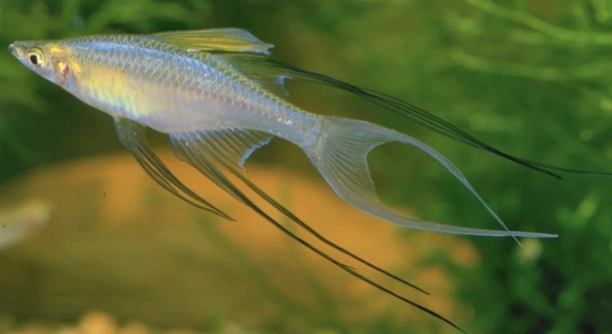
Have you ever noticed your threadfins acting differently when a familiar tankmate is removed from their shared environment? Subtle changes in behavior can sometimes reveal how these social fish respond to such adjustments in their habitat.
Threadfins are sensitive, social fish that often recognize and adapt to the presence of familiar tankmates. When a tankmate is removed, they may show signs of stress or altered behavior, suggesting that familiarity and companionship play a meaningful role in their well-being.
Understanding these responses helps aquarists create healthier environments while supporting the natural tendencies of their fish in captivity.
Recognizing Behavioral Changes in Threadfins
When a familiar tankmate is removed, threadfins may display noticeable changes that reflect their sensitivity to social bonds. They might become less active, explore their surroundings differently, or even appear more withdrawn than usual. These behavioral shifts highlight how much these fish rely on consistency and established tank dynamics. Stress can also cause minor changes in eating patterns or create heightened skittishness when approached. While not every threadfin reacts the same, repeated patterns of unease or restlessness are worth monitoring. By paying attention to these subtle cues, aquarists can better understand how the absence of a familiar companion influences threadfin well-being.
Observing threadfins closely allows you to notice whether their altered behaviors improve with time or persist, signaling that intervention might be necessary to restore balance in the aquarium.
Long-term behavioral monitoring provides valuable insight into how threadfins adapt to changes. Consistency, gentle adjustments, and supportive care help them gradually feel secure in their environment again.
Creating a Supportive Environment
Threadfins thrive in stability, and sudden changes often disrupt their sense of comfort. Maintaining balanced water conditions, providing adequate space, and ensuring the presence of compatible tankmates are essential steps to minimize stress when one fish is removed.
A supportive environment can ease the transition for threadfins after the loss of familiar companions. One effective approach is to maintain group sizes that encourage natural schooling behavior, as this prevents loneliness while supporting social interaction. Adding new fish should be done gradually, allowing the threadfins time to adjust without overwhelming them. Environmental enrichment, such as plants and gentle water flow, provides safe areas for retreat and exploration. These adjustments create a balanced atmosphere where fish feel secure, even during changes. By prioritizing stability and maintaining a predictable routine, aquarists give threadfins the best chance to recover from disruptions and continue thriving in their aquatic home.
Social Bonds Among Threadfins
Threadfins naturally form loose social bonds within their groups, and these bonds influence how they respond to change. When a familiar fish is removed, it can briefly unsettle the group, leading to behavioral shifts that reflect their sensitivity to tank dynamics.
These fish recognize familiar movement patterns, feeding habits, and even resting spots of their companions. When such familiarity is disrupted, threadfins may display restlessness, reduced interaction, or increased hiding. Over time, they usually adapt, but the initial adjustment period highlights the importance of stable social groupings. Careful observation helps determine whether their responses are temporary or indicate ongoing stress.
While not every threadfin displays the same level of attachment, the consistency of familiar tankmates often plays a role in their comfort. By maintaining balanced group sizes and compatible pairings, aquarists help ensure their threadfins enjoy an environment that supports both natural behavior and overall well-being.
Signs of Stress to Watch For
Stress in threadfins may present through visible signs such as loss of appetite, duller coloration, or erratic swimming patterns. These signals can emerge quickly after a tankmate is removed and should be monitored closely for any prolonged changes.
Recognizing stress early allows for quick adjustments that can restore stability. Threadfins may become more skittish, avoiding open areas they once explored with ease. They may also hover in one spot more frequently, conserving energy as they process the change in their environment. If these behaviors continue, ensuring proper water conditions, maintaining routine, and providing hiding spaces can help them feel secure. Observing these signs carefully gives aquarists the opportunity to act before stress escalates into health issues.
Helping Threadfins Adjust
Introducing environmental enrichment, like plants or driftwood, can give threadfins safe spaces to retreat. These additions reduce visible stress while encouraging exploration, allowing them to gradually adjust to the absence of a familiar tankmate without feeling exposed.
Maintaining consistent feeding routines also helps threadfins feel secure during transitions. Familiar schedules provide reassurance, even when their social environment changes. Over time, this stability allows them to regain confidence and return to their usual active and social behaviors within the tank.
When to Add New Tankmates
Adding new tankmates can sometimes ease the adjustment process, but it must be done carefully. Quarantine new arrivals first to ensure they are healthy, then introduce them gradually. Compatibility is key—choosing species that share similar temperaments prevents conflict. Slow acclimation ensures the group stabilizes without added stress or aggression.
Long-Term Care
Threadfins benefit most from stability, predictable routines, and compatible companions. Over time, these conditions encourage natural schooling, reduce stress, and support healthy growth. Careful observation ensures any changes in behavior are addressed quickly, maintaining a safe and balanced environment.
FAQ
Do threadfins recognize familiar tankmates?
Yes, threadfins recognize familiar tankmates through patterns of movement, feeding behaviors, and shared territory use. They are social fish that thrive when kept in stable groups. When a familiar companion is removed, they can appear unsettled, which shows the importance of consistency in their environment.
Can removing a tankmate cause lasting stress in threadfins?
It can, depending on the circumstances. Some threadfins recover quickly, while others show signs of stress for longer periods. Prolonged restlessness, hiding, or refusal to eat are signals of ongoing discomfort. In such cases, adjusting their environment or adding compatible tankmates may help.
What behaviors suggest my threadfin is missing a tankmate?
Signs may include swimming less, avoiding open areas, or showing duller coloration. Some may become more skittish, darting quickly at sudden movements. These changes are subtle but often noticeable to aquarists who know their fish’s usual patterns of activity.
How long does it take threadfins to adjust after a tankmate is removed?
Adjustment periods vary. Some may settle in just a few days, while others take weeks to fully adapt. Factors such as tank conditions, group size, and the personality of the fish influence how quickly they regain comfort in their environment.
Should I always replace a removed tankmate?
Not always. Replacing a tankmate too quickly can overwhelm threadfins and disrupt group balance. If you add a new fish, it should be healthy, compatible, and introduced gradually. Sometimes threadfins adjust well without replacements, especially if the group remains stable.
What tank conditions help threadfins cope with change?
Stable water quality is crucial. Consistent temperature, balanced pH, and clean water reduce additional stress. Plants and decorations give them hiding spots, while predictable feeding times provide reassurance. These measures create a stable foundation that helps them adjust to social changes.
Can threadfins become aggressive when a tankmate is removed?
Threadfins are generally peaceful, but stress can sometimes cause irritability. If group dynamics shift, certain individuals may display more chasing or posturing. Observing interactions closely allows you to step in if necessary, ensuring the tank remains balanced and free from prolonged conflict.
Is it normal for threadfins to stop eating after a tankmate is removed?
Yes, temporary loss of appetite is possible. Stress often disrupts feeding habits, but this usually resolves as they adapt. If the behavior continues for more than a week, adjusting the tank environment or reviewing water quality may help restore normal eating patterns.
How do threadfins benefit from environmental enrichment?
Enrichment provides both comfort and stimulation. Plants, gentle currents, and driftwood create natural hiding areas, which reduce stress while encouraging exploration. These elements help threadfins feel safer, allowing them to gradually return to regular behaviors even after a familiar fish has been removed.
Do threadfins prefer living in groups?
Yes, they are schooling fish and feel more secure in groups. A minimum of six is often recommended to encourage natural behaviors. Smaller groups may increase stress or timidity, while balanced group sizes foster comfort, activity, and social interaction within the tank.
What role does routine play in threadfin care?
Routine builds trust. Consistent feeding times and steady care make the environment predictable, which reduces stress. Even when social changes occur, threadfins can rely on routine as a source of stability, helping them adapt to adjustments in their tank community.
How can I tell if my threadfins have fully adjusted after losing a tankmate?
You’ll notice their colors brighten, their appetite returns, and their activity levels stabilize. They will resume exploring openly and interacting comfortably within their group. These visible improvements suggest they’ve adapted and are no longer affected by the absence.
Can threadfins form strong bonds with specific tankmates?
Yes, they can show preferences for certain companions. Familiarity develops over time, and these bonds may explain why they react noticeably when a specific fish is removed. While not as strong as mammalian bonds, they still provide comfort and familiarity.
Is it possible to prevent stress when removing a tankmate?
Complete prevention isn’t always possible, but minimizing stress is. Maintaining water stability, adding hiding spots, and avoiding sudden changes help. If the removal is necessary, planning adjustments to the environment beforehand makes the transition smoother for the remaining threadfins.
Why is observation so important during these times?
Observation allows you to notice subtle behavioral shifts that might otherwise be overlooked. Threadfins often communicate distress through small changes in activity, appetite, or interaction. Watching closely ensures you can respond quickly and create conditions that support their recovery and comfort.
Final Thoughts
Threadfins are delicate, social fish that rely on the stability of their surroundings and the familiarity of their companions. When a familiar tankmate is removed, the adjustment can cause noticeable stress, shifting their behavior and altering how they interact with their environment. This reaction is not unusual and highlights how sensitive threadfins can be to social and environmental changes. Even though they are resilient in many ways, disruptions to their group dynamics can leave them unsettled, at least for a time. Recognizing this tendency allows aquarists to provide the care and patience needed to help their fish adapt more smoothly. The goal is not to eliminate all stress, which is nearly impossible, but to minimize its impact and give threadfins the opportunity to regain their sense of security. By focusing on stability and gentle adjustments, their natural behaviors often return, and they continue to thrive.
The key to supporting threadfins lies in observation and consistency. Every fish has its own unique temperament, which means some may recover quickly, while others need more time to adjust. Watching for subtle changes—like reduced activity, loss of appetite, or duller coloration—offers valuable clues about their comfort levels. These signs can guide decisions about whether to make environmental adjustments, such as adding plants, adjusting tank decor, or slightly altering group sizes. Routine plays an equally important role. A predictable feeding schedule, steady water conditions, and minimal disruption allow threadfins to feel reassured, even during periods of change. Over time, these consistent efforts build trust and reduce the likelihood of prolonged stress. While aquarists cannot fully replicate the natural conditions of open waters, they can create environments that honor the fish’s instinctive needs for safety, companionship, and predictability.
Caring for threadfins during times of change is a reminder that fishkeeping is about more than just maintaining water quality—it is about understanding behavior and fostering balance. Threadfins demonstrate that even small, subtle shifts in social structure can influence health and well-being, making it important to respond thoughtfully. Whether the solution involves leaving the group as it is, gradually adding new companions, or enriching the tank environment, the choices should always prioritize the fish’s natural tendencies and long-term comfort. In the end, supporting threadfins through these adjustments deepens the connection between aquarist and fish. Their resilience, paired with careful human attention, ensures that they not only survive but thrive in captivity. A stable, supportive tank offers them the security to show their full beauty and natural behaviors, which is rewarding for both the fish and the person caring for them.

Hello,
If you enjoy the content that we create, please consider saying a "Thank You!" by leaving a tip.
Every little bit helps us continue crafting quality advice that supports the health, happiness, and well-being of pets around the world, for pets of all shapes, sizes, and species.
We really appreciate the kindness and support that you show us!