
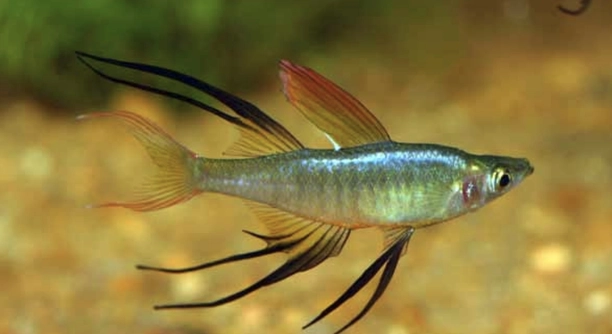
Threadfins are known for their gentle, repetitive nudging behavior, which can often be observed in groups swimming together. These subtle touches are a normal part of their interactions and social habits in the water.
Repeated nudging among threadfins primarily serves as a form of social communication and coordination. This behavior helps maintain group cohesion, establishes social bonds, and may assist in synchronizing swimming patterns or alerting others to environmental changes.
Observing these interactions can reveal the complexity of threadfins’ social world and the subtle ways they connect with one another.
How Threadfins Communicate Through Touch
Threadfins often use nudges to convey messages to each other without sound. In groups, this repeated contact allows them to coordinate swimming and stay close. It is common to see one fish lightly tap another on the side or head. These touches can signal direction changes, food discovery, or alerting the group to a potential threat. Nudging is not aggressive but rather a subtle, consistent form of interaction. This behavior is especially noticeable in younger fish that are still learning group dynamics. By maintaining physical contact, threadfins reinforce social hierarchies while keeping the group moving cohesively. Such interactions are essential for safety, as staying together reduces the risk of predation. These small nudges also help individual fish feel secure within the group, promoting calm and reducing stress levels. Overall, the touch-based communication of threadfins reflects a carefully balanced social system.
This physical communication strengthens social bonds and maintains group cohesion efficiently.
Repeated nudging is a practical way for threadfins to manage their environment. It keeps everyone aligned, aware of food sources, and able to respond quickly to predators. Unlike louder forms of communication, it is quiet, energy-efficient, and allows continuous interaction without interrupting swimming. Threadfins rely on this method to navigate complex spaces and coordinate movements. The subtle touches also provide reassurance to younger or less confident fish. Observing these behaviors can reveal patterns in leadership, schooling, and decision-making. Such interactions show that even small actions have significant roles in group survival. Understanding these behaviors helps explain how threadfins manage daily activities, from feeding to escaping threats, in an organized and collaborative way.
Environmental Triggers for Nudging
Changes in water temperature, currents, or nearby predators can increase nudging frequency.
Environmental stress often heightens touch-based interactions in threadfins. When conditions shift, such as sudden temperature drops or changes in salinity, fish may nudge each other more often to stay aligned and maintain group safety. Currents and tides can also influence swimming patterns, prompting more nudges to keep coordination. Predators in the area can trigger urgent, repeated nudges, signaling others to stay close or move quickly. Even subtle changes, like cloud cover or light shifts, can impact behavior. Threadfins adapt their physical communication to match environmental demands, ensuring they remain cohesive and aware. This responsiveness highlights the practical role of nudging beyond social interaction, making it a critical survival tool.
By observing environmental cues, it is easier to understand why threadfins increase nudging. This behavior is directly linked to changes in surroundings and group safety.
Nudging in response to the environment allows threadfins to react collectively and efficiently. It reduces the risk of separation or vulnerability, especially when navigating complex areas like reefs or estuaries. Fish in closer contact can respond almost simultaneously to threats or opportunities, demonstrating coordination without overt displays. Repeated nudges also help the group maintain direction and speed in challenging currents. Even minor environmental shifts prompt adjustments in movement, with nudging serving as an immediate feedback mechanism. These interactions highlight how physical communication can be both social and functional, providing real-time coordination. Observing these behaviors offers insight into how fish respond to environmental stressors, ensuring survival and effective group management.
Nudging as a Social Tool
Nudging helps threadfins establish social hierarchies quietly. Fish often use repeated touches to show dominance or submission without aggression. These subtle interactions maintain balance in groups.
Social nudging is a consistent behavior among threadfins. Dominant individuals may nudge others to guide movement, while submissive fish respond by adjusting position. This creates a structured but calm environment where conflicts are minimized. Unlike overt aggression, nudging allows fish to communicate rank and expectations safely. Repeated touches reinforce relationships and roles within the group, helping everyone understand their place without disruption. Younger fish learn these cues naturally by observing and participating in nudging behavior, which ensures the group operates smoothly and cohesively in both feeding and swimming routines.
Physical nudging also strengthens bonds beyond hierarchy. Fish use gentle contact to reassure each other, maintain proximity, and reinforce cooperative behavior. These interactions reduce stress and promote a sense of security within the group. By participating in nudging, each fish contributes to a stable, organized social system that benefits survival. Over time, these behaviors become instinctive, demonstrating that threadfins rely heavily on touch to navigate social complexities effectively.
Nudging and Feeding Behavior
Threadfins use nudging to signal food sources and coordinate feeding. Repeated touches alert nearby fish to move toward available prey or edible materials in the area.
During feeding, nudging ensures that group members remain aware of each other’s positions and actions. It helps prevent overcrowding at a food source and allows individuals to distribute themselves efficiently. Fish that discover food may nudge others subtly, prompting synchronized movement toward the resource. This behavior reduces competition and ensures that all fish in the group can access nourishment. Nudging during feeding is particularly important in crowded or fast-moving environments, where visual signals alone may not suffice. Over time, this interaction reinforces cooperative feeding patterns and encourages teamwork within the school.
Nudging also plays a role in maintaining calm during feeding. Physical contact provides reassurance to less confident fish, preventing panic or chaotic scrambling. Fish that are new to a feeding area often rely on nudges from experienced group members to learn safe and effective foraging strategies. This tactile communication allows threadfins to balance efficiency with safety, ensuring that everyone in the group benefits from available food while minimizing stress and conflict. The behavior highlights the practical and social functions of nudging beyond simple communication.
Nudging During Mating
Threadfins often use nudging as part of courtship behavior. Gentle touches help attract potential mates and signal readiness without aggression.
Repeated nudges allow fish to coordinate movements during mating rituals. Physical contact strengthens pair bonds and helps synchronize swimming patterns, improving chances of successful reproduction.
Avoiding Predators
Nudging helps threadfins stay alert to danger. Fish in a group can communicate threats quickly through repeated touches, keeping everyone aware.
When a predator approaches, subtle nudges allow the school to change direction simultaneously. Fish rely on tactile signals more than visual cues in murky water, ensuring a coordinated escape. This behavior improves group survival.
Learning Through Nudges
Young threadfins learn group behaviors by experiencing repeated nudges from older fish. This hands-on interaction teaches social norms and survival skills effectively.
FAQ
Why do threadfins nudge each other repeatedly?
Threadfins nudge each other to communicate quietly and maintain group cohesion. These touches can signal direction changes, food locations, or alert others to potential threats. Nudging is a gentle way to coordinate movements and reinforce social bonds without aggression, keeping the group organized and safe.
Is nudging a sign of aggression?
No, repeated nudging is typically not aggressive. It is a subtle method of interaction used to establish social structure, reassure others, and coordinate movement. Aggression in threadfins usually involves chasing or biting, whereas nudging is calm, consistent, and cooperative.
Do all threadfins nudge equally?
Not necessarily. Dominant or experienced fish tend to initiate nudges more often, guiding the group or signaling important information. Younger or submissive fish may receive more nudges, learning from them and understanding group dynamics. The frequency and pattern of nudging often reflect social hierarchy.
Can nudging indicate stress?
Yes, increased nudging can be a response to environmental stressors such as predators, strong currents, or changes in water temperature. When the group feels threatened, nudging becomes more frequent to keep everyone alert, aligned, and coordinated during potential danger.
Does nudging help during feeding?
Absolutely. Nudging allows threadfins to signal food sources and coordinate their approach. Fish that discover food may tap others, prompting synchronized movement toward the resource. This reduces overcrowding, prevents competition, and helps all fish access nourishment efficiently.
Is nudging used in mating?
Yes, nudging is part of courtship behavior. Gentle touches help attract mates and signal readiness. Repeated nudges allow potential partners to coordinate swimming and strengthen pair bonds, which can increase the likelihood of successful reproduction.
How do young threadfins learn from nudging?
Young fish observe and experience nudges from older group members. This tactile interaction teaches them social norms, movement coordination, and survival strategies. By responding to nudges, younger threadfins learn how to integrate into the group and understand their place within the social structure.
Can nudging prevent separation in groups?
Yes, nudging helps maintain group cohesion, particularly in strong currents or murky water. Physical contact allows threadfins to stay aligned, avoid separation, and respond together to environmental changes. This coordination is vital for survival in both feeding and predator avoidance scenarios.
Do environmental factors influence nudging frequency?
Environmental factors like temperature, currents, and predator presence significantly affect nudging behavior. Fish respond to these conditions by increasing tactile communication, ensuring group alignment, and maintaining safety. Even subtle changes in surroundings can trigger more frequent nudges.
Is nudging unique to threadfins?
While nudging is common in threadfins, similar tactile communication occurs in other schooling fish. However, the patterns, frequency, and context of nudging may vary depending on species, social structure, and environmental conditions. Threadfins rely on nudging as a primary social and coordination tool.
How can observing nudging behavior help in care or study?
Watching nudging behavior provides insights into social structure, group health, and environmental responses. Frequent or erratic nudging may indicate stress, changes in hierarchy, or adaptation to surroundings. Understanding these patterns helps in creating supportive environments and improving group well-being.
Do threadfins ever ignore nudges?
Occasionally, some fish may not respond to nudges, particularly if they are confident in their position or focused on another task. Ignoring nudges is rare, as physical communication is generally crucial for group cohesion and survival. Most threadfins respond consistently to maintain alignment.
Can nudging improve group survival?
Yes, nudging enhances survival by improving coordination, reducing conflicts, and maintaining social bonds. It allows threadfins to act collectively during feeding, predator avoidance, and environmental changes, ensuring the group remains efficient, safe, and cohesive.
Are nudges always gentle?
Typically, nudges are gentle and non-threatening. The touch is enough to communicate intent without causing harm. Stronger contact may occur occasionally during dominance displays but remains less aggressive than chasing or biting behaviors.
How often do threadfins nudge each other daily?
The frequency varies depending on group size, environment, and activity. During feeding, predator alerts, or movement coordination, nudges occur more often. In calm conditions, nudging may be less frequent but still serves as a subtle social cue throughout the day.
Can nudging behavior change over time?
Yes, nudging patterns evolve with group composition, age, and environmental changes. Experienced fish may increase or decrease nudges depending on the group’s needs, and younger fish gradually learn to participate in nudging as they mature. This dynamic behavior adapts to the group’s ongoing requirements.
Does nudging have long-term benefits for threadfins?
Definitely. Repeated nudging strengthens social bonds, teaches essential survival skills, ensures group cohesion, and improves coordination. Over time, it contributes to healthier, more organized schools that are better equipped to navigate challenges and thrive in their habitats.
Final Thoughts
Threadfins are fascinating fish, and their repeated nudging behavior shows how social and coordinated they can be. These gentle touches are not random or meaningless; they are an essential part of how threadfins interact with one another. Nudging helps them communicate quietly, stay organized, and maintain group cohesion. Whether it is to signal a change in direction, alert others to food, or respond to a predator, these touches serve practical purposes. Observing threadfins in their natural habitat, it becomes clear that even small interactions have significance. Each nudge carries information, and over time, the group learns to respond efficiently. This physical form of communication ensures that threadfins remain connected and aware of each other’s presence.
Nudging also plays a critical role in social structure and learning. Dominant fish often initiate nudges to guide the group or indicate their position, while younger or less confident fish respond and learn from these interactions. Through repeated nudges, fish understand social hierarchy and learn how to behave within the group. This tactile communication is particularly useful in crowded or murky waters where visual signals may be limited. It allows threadfins to maintain order without aggressive displays. Beyond hierarchy, nudging fosters reassurance and calm among group members. Physical contact reduces stress and keeps the school moving together smoothly. By practicing these behaviors daily, threadfins strengthen bonds and improve coordination, which directly benefits survival. Over time, nudging becomes second nature and an integral part of their social system.
Environmental factors also influence nudging, highlighting its role as a practical tool. Changes in currents, water temperature, or the presence of predators can increase the frequency of nudging. When conditions shift, fish rely on these tactile signals to stay aligned and avoid separation. Nudging allows the school to move as one, react quickly, and adapt to challenges in their surroundings. During feeding, courtship, or escaping danger, nudging supports cooperation and ensures that every member of the group remains safe and informed. Understanding these behaviors provides insight into how threadfins manage both social and environmental demands. It reminds us that even simple actions, like repeated nudges, have important functions in maintaining group stability and survival. Observing these patterns allows for a deeper appreciation of how threadfins interact and thrive together in their aquatic environment.

Hello,
If you enjoy the content that we create, please consider saying a "Thank You!" by leaving a tip.
Every little bit helps us continue crafting quality advice that supports the health, happiness, and well-being of pets around the world, for pets of all shapes, sizes, and species.
We really appreciate the kindness and support that you show us!