
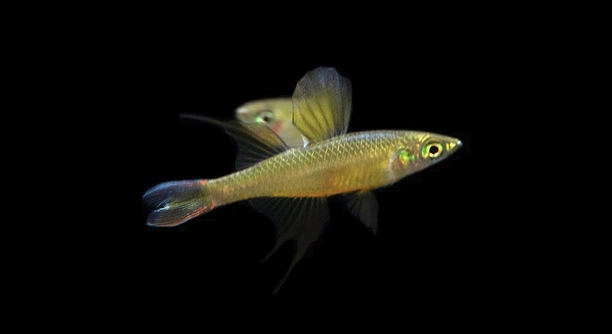
Threadfin rainbowfish are admired for their shimmering colors and lively presence in freshwater aquariums. Many owners enjoy seeing them flash during feeding or display, but sometimes these fish choose not to show their full vibrancy.
Threadfin rainbowfish might refuse to flash due to stress, suboptimal water conditions, or social hierarchy within the tank. Ensuring proper tank parameters, minimal disturbances, and compatible tank mates supports natural flashing behavior and overall health.
Understanding why these fish withhold their colors can improve care and create a more harmonious aquarium environment for them to thrive.
Stress and Its Impact on Flashing
Stress is one of the most common reasons threadfin rainbowfish may refuse to flash. Changes in water temperature, sudden movements around the tank, or loud noises can make them feel unsafe. Even slight disturbances in their environment can reduce their willingness to display colors. Stress can also result from overcrowding or the presence of aggressive tank mates. When rainbowfish feel threatened, they often hide or remain motionless instead of flashing. Providing ample hiding spots, plants, and gentle lighting helps reduce stress. Consistent feeding schedules and minimal tank disturbances also support calmer behavior. Observing the fish closely can reveal patterns in their flashing behavior and identify specific stress triggers. Over time, creating a stable environment allows rainbowfish to regain confidence and display their natural colors more frequently, improving both their well-being and the visual appeal of the tank.
Reducing stress requires careful observation and small, consistent adjustments to the tank environment.
Addressing stress in threadfin rainbowfish involves recognizing signs like hiding, clamped fins, and reduced activity. Maintaining clean water and a quiet environment encourages flashing. Gradually introducing new tank mates and avoiding rapid changes in decorations or temperature can also make them feel more secure. In some cases, stress is subtle, caused by water chemistry fluctuations or irregular feeding. Patience is key. Slowly acclimating fish to any change minimizes stress and allows them to display natural behavior. Regularly monitoring water parameters ensures they remain within optimal ranges. Understanding their temperament and social needs can prevent unnecessary stress. A balanced environment not only promotes flashing but also strengthens immunity, reducing the likelihood of disease. By providing stable conditions and attentive care, rainbowfish are more likely to flash naturally, enhancing their overall health and your enjoyment of their vibrant colors.
Water Conditions and Their Role
Water quality directly affects a threadfin rainbowfish’s willingness to flash. Poor filtration, unbalanced pH, or high nitrate levels can make them hide or remain dull.
Maintaining clean water, proper pH, and temperature ensures that rainbowfish feel safe. Regular testing and partial water changes create a stable habitat, allowing them to show vibrant colors naturally. Water conditions influence stress levels and behavior. Consistent care and monitoring are essential for healthy, active fish that display their full beauty.
Social Dynamics in the Tank
Rainbowfish may withhold flashing if tank hierarchy is unclear or aggressive behaviors occur. Dominant fish can intimidate others, causing them to stay hidden.
Understanding each fish’s temperament helps reduce tension. Introducing new rainbowfish gradually and providing enough space minimizes conflicts. Adding plants or decorations creates separate territories, allowing subordinate fish to feel safe and more willing to display colors. Observing interactions daily helps identify bullying or dominance issues early. Ensuring balanced numbers and compatible species encourages harmonious social behavior, increasing the likelihood that all fish will flash naturally without fear.
Even small adjustments can improve social harmony. Rearranging decorations or adding hiding spots allows fish to establish territories. Overcrowding should be avoided, as it increases stress and reduces flashing. Subtle changes, like adjusting lighting or feeding routines, can also impact social interactions. When rainbowfish feel secure, they are more confident and display their vibrant colors regularly. Social balance is as important as water quality in encouraging natural flashing behavior. Consistent monitoring and thoughtful tank management ensure a calmer, more colorful environment.
Diet and Flashing Behavior
A poor diet can affect how often rainbowfish flash. Nutrient deficiencies may dull their colors, making them less likely to display.
Providing a varied diet with high-quality flakes, frozen, and live foods improves coloration and overall vitality. Foods rich in carotenoids enhance red and orange tones, while balanced proteins support energy for active displays. Avoid overfeeding, as excess waste can degrade water quality, indirectly impacting flashing behavior. Observing feeding habits can indicate health issues or preferences, allowing adjustments to maximize vibrant displays. Feeding smaller portions multiple times a day can encourage natural behavior and more frequent flashing.
In addition to diet quality, feeding routines play a critical role. Regular, predictable meals reduce stress and encourage confident behavior. Some rainbowfish may be hesitant to flash if food is inconsistent or if competition at feeding times is high. Offering food in multiple locations minimizes aggression and ensures all fish receive proper nutrition. Incorporating live foods occasionally stimulates natural hunting instincts, which can trigger more active flashing. Balancing diet and feeding techniques with water quality and social structure creates the ideal conditions for threadfin rainbowfish to display their full spectrum of colors consistently.
Lighting and Flashing
Threadfin rainbowfish may avoid flashing if lighting is too harsh or too dim. Balanced lighting helps them feel secure while highlighting their colors naturally.
Gradually adjusting light intensity and using timers can simulate a natural day-night cycle. Providing shaded areas allows fish to retreat and feel comfortable, encouraging more frequent flashing.
Tank Size and Space
Limited space can prevent rainbowfish from displaying their full colors. Crowded tanks increase stress and reduce movement, which directly impacts flashing. Providing adequate swimming room supports natural behavior, social interactions, and confidence.
Seasonal and Environmental Changes
Rainbowfish may flash less during environmental fluctuations, such as temperature shifts or seasonal changes. Maintaining stable conditions helps keep their display consistent.
FAQ
Why is my threadfin rainbowfish not flashing even though water quality is good?
Even with good water quality, fish may refuse to flash due to stress, social tension, or improper lighting. Subtle stressors like sudden movements, nearby vibrations, or aggressive tank mates can make them feel unsafe. Ensuring enough hiding spots, stable lighting, and compatible tank companions can help them regain confidence and display colors naturally.
Can overcrowding affect flashing behavior?
Yes, overcrowding increases stress and reduces swimming space. Threadfin rainbowfish need room to move freely, establish territories, and interact comfortably. Overcrowded conditions can lead to hiding, suppressed flashing, and even health issues. Maintaining appropriate tank density ensures they can show their colors regularly and reduces conflicts among tank mates.
Does diet influence flashing frequency?
Absolutely. A poor or limited diet can dull colors and reduce flashing behavior. Providing high-quality flakes, live foods, and frozen options ensures proper nutrition. Foods rich in carotenoids enhance red and orange tones, while proteins support energy for active displays. Regular, balanced feeding encourages confident, natural behavior.
How do lighting conditions impact flashing?
Improper lighting can make rainbowfish feel insecure. Too bright or too dim lighting reduces their willingness to display. Using a timer for consistent light cycles and providing shaded areas allows fish to adjust, feel safe, and flash more often. Natural lighting patterns support both color and behavior.
Can tank decorations affect flashing?
Yes. Lack of hiding spots or too many obstacles can influence behavior. Rainbowfish need a mix of open swimming areas and shaded zones. Plants, rocks, or driftwood help establish territories and reduce stress. Proper decoration placement allows shy fish to feel secure and encourages more natural flashing displays.
Does social hierarchy play a role?
Definitely. Dominant fish can intimidate others, preventing them from flashing. Observing interactions and providing ample space helps subordinate fish feel safe. Gradually introducing new fish and ensuring compatible species reduces tension. When social harmony exists, all fish are more likely to display their colors naturally.
Can seasonal changes affect flashing?
Yes. Temperature shifts or changes in daylight patterns can influence behavior. Maintaining stable water parameters and consistent lighting helps rainbowfish feel secure. Minor seasonal adjustments should be gradual to prevent stress, ensuring that flashing remains frequent and colors stay vibrant.
Why do some fish flash only during feeding?
Flashing during feeding is often linked to excitement and competition. Rainbowfish may withhold flashing at other times if they feel stressed or insecure. Regular, predictable feeding routines in multiple locations encourage confidence and more frequent natural displays outside feeding periods.
How long does it take for rainbowfish to resume flashing?
The timeline varies depending on stress levels, environment, and social conditions. Some fish respond within days after adjustments, while others may take weeks. Patience is essential. Consistent care, proper diet, stable water parameters, and reduced stress will gradually restore flashing behavior.
Is flashing linked to breeding behavior?
Flashing can indicate readiness to breed, but it is not limited to reproduction. Health, confidence, and environmental comfort all contribute. Maintaining ideal conditions and minimizing stress ensures flashing occurs naturally, whether during breeding periods or daily activity.
Can disease or illness prevent flashing?
Yes. Sick or weakened fish often appear dull and refrain from flashing. Regular health checks, observing behavior, and treating illnesses promptly support overall well-being. Healthy fish are more likely to flash naturally, showing vibrant colors and active movement throughout the tank.
Are older fish less likely to flash?
Aging can reduce energy levels and vibrancy, but older fish still display colors if conditions are optimal. Proper diet, water quality, and stress reduction remain important for maintaining flashing behavior throughout a fish’s life.
Final Thoughts
Threadfin rainbowfish are beautiful and lively additions to any freshwater tank, but they require careful attention to thrive. Their flashing behavior is often a direct reflection of their environment and overall well-being. When a fish refuses to flash, it is usually signaling discomfort, stress, or an unmet need. Water quality, temperature, and lighting all play a critical role in creating a habitat where rainbowfish feel safe and confident enough to display their vibrant colors. Maintaining stable water parameters, performing regular water changes, and using proper filtration are fundamental steps that support both the health and natural behavior of these fish. Beyond water conditions, the design of the tank also matters. Providing open swimming spaces alongside hiding spots helps rainbowfish balance exploration with security. This combination allows shy or subordinate fish to gradually build confidence, making them more likely to flash over time. The layout of decorations, the number of plants, and even the type of substrate all contribute to an environment where fish can express their full range of colors without feeling threatened or stressed.
Social dynamics within the tank are equally important. Threadfin rainbowfish are social creatures that thrive in groups, but not all interactions are positive. Aggressive or dominant individuals can intimidate others, suppressing flashing behavior and increasing stress. Observing daily interactions can reveal which fish feel confident and which may need more space or hiding places. Gradual introductions of new fish, careful attention to species compatibility, and thoughtful tank arrangement can reduce tension and promote harmonious relationships. Overcrowding should be avoided, as it reduces swimming space and increases competition for resources, which can lead to further stress and diminished flashing. Balanced social conditions allow each fish to find its place within the group, ensuring that all have the opportunity to display their colors naturally and without fear. Regular monitoring of behavior and thoughtful adjustments to the tank setup can prevent problems before they become serious.
Diet and routine care are also essential in encouraging consistent flashing behavior. A varied, high-quality diet supports color vibrancy, energy levels, and overall health. Live, frozen, and prepared foods provide the nutrients rainbowfish need, while carotenoid-rich foods enhance their red and orange tones. Feeding schedules should be predictable, and portions should be controlled to avoid overfeeding, which can degrade water quality and indirectly impact flashing. Beyond diet, minimizing sudden changes in the environment and keeping a stable routine helps reduce stress. When rainbowfish feel safe, well-nourished, and socially secure, they are more likely to flash naturally and consistently. Patience and careful attention are key; improvements may take time, but consistent, thoughtful care will result in healthier, more confident, and more colorful fish that brighten any aquarium.

Hello,
If you enjoy the content that we create, please consider saying a "Thank You!" by leaving a tip.
Every little bit helps us continue crafting quality advice that supports the health, happiness, and well-being of pets around the world, for pets of all shapes, sizes, and species.
We really appreciate the kindness and support that you show us!