
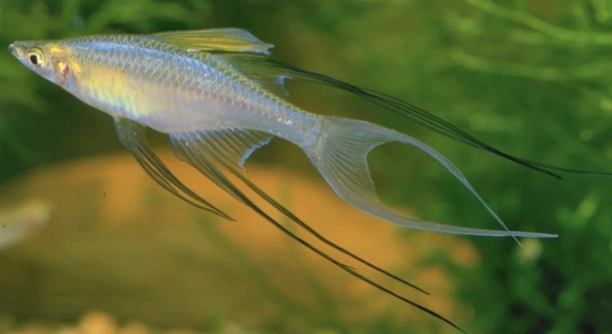
Threadfin Rainbowfish are small, colorful freshwater fish that brighten up any aquarium. Their social nature makes them enjoyable to watch, and many enthusiasts appreciate how they interact with one another over time.
Threadfin Rainbowfish do not typically form lifelong pairs. While they may show temporary bonding and compatibility with a chosen mate, these relationships are not permanent. Pairing behavior is influenced by environmental factors, tank conditions, and the presence of other fish.
Understanding their social patterns and compatibility can improve their care and tank harmony, ensuring your Rainbowfish thrive in a healthy environment.
Understanding Threadfin Rainbowfish Pairing Behavior
Threadfin Rainbowfish are social creatures, but their pairing tendencies are flexible rather than fixed. In a well-maintained tank, you may notice some fish spending more time together, swimming side by side, or displaying courtship behaviors. These temporary bonds can last days or weeks but often shift as other fish interact or tank conditions change. Observing their behavior closely helps identify which individuals show compatibility, but it is important not to assume permanence. Environmental factors, such as tank size, population density, and availability of hiding spots, play a significant role in how relationships form. Changes in lighting, water quality, or feeding schedules can also influence behavior. While some pairs may seem inseparable, most Threadfin Rainbowfish naturally maintain a dynamic social structure, moving between interactions with several tank mates. Understanding these patterns allows for better tank management and ensures all fish have space to thrive. Their social flexibility contributes to a lively, engaging tank environment.
Pairing is rarely permanent, but temporary bonds do enhance social interaction and reduce stress in compatible groupings.
Maintaining multiple Rainbowfish together encourages natural behaviors. Fish that feel secure in their environment are more active and display brighter colors. Observing which individuals spend more time together can guide breeding or tank arrangement decisions, though this is not guaranteed to form lasting pairs. Offering ample swimming space, plants, and hiding spots supports natural interactions and reduces aggression. Regular water changes and consistent feeding schedules also help maintain harmony. Temporary pairings are a natural part of their behavior, reflecting a balance between competition, social hierarchy, and individual preference. By understanding these dynamics, you can create a tank environment where Rainbowfish thrive collectively rather than relying on permanent pair bonds.
Creating a Compatible Tank Environment
Ensuring a tank suits the Rainbowfish’s social and physical needs is essential for their well-being. Proper temperature, pH, and tank size directly influence their behavior.
A compatible environment includes a balanced mix of hiding spots, open swimming areas, and visual barriers. Adding live plants or rocks encourages natural exploration and reduces stress. Avoid overcrowding, as too many fish can increase aggression and disrupt temporary pairings. Careful selection of tank mates ensures that other species do not harass Rainbowfish or interfere with social interactions. Feeding routines and water quality also contribute to maintaining harmony.
Providing consistent care, observing behaviors, and adjusting tank conditions create a stable setting where Rainbowfish can express their natural tendencies. Temporary bonds form more easily in a well-structured tank, allowing fish to interact safely while maintaining their individual freedom. Changes in tank layout or population should be gradual to avoid stress, and monitoring interactions regularly helps prevent disputes. By prioritizing both physical and social needs, you encourage a peaceful and dynamic aquarium environment where Threadfin Rainbowfish can thrive together, exhibiting the bright colors and active behaviors that make them engaging to watch over time.
Recognizing Temporary Bonds
Temporary bonds among Threadfin Rainbowfish often appear as synchronized swimming or frequent proximity. These behaviors signal comfort and compatibility without guaranteeing lifelong pairing. Observing such patterns can help you understand social dynamics in your tank.
Watching interactions closely provides insight into which fish prefer each other’s company. These bonds can shift as other fish assert dominance or as new tank mates are introduced. Factors like tank size, water flow, and hiding spots influence how often pairs stick together. Temporary pairings reduce stress when the fish feel secure, but they are dynamic, changing with the environment and social hierarchy.
It’s important to note that these bonds are fluid. While one fish may appear attached to another for a period, interactions can change daily. Providing a stable environment and avoiding sudden disruptions encourages natural social behavior. Observing these temporary bonds helps you manage the tank more effectively, ensuring each fish has space to express its personality and maintain healthy activity levels without forcing permanent pairings.
Encouraging Positive Social Interaction
A well-planned tank promotes harmony and temporary bonding among Rainbowfish. Space, hiding spots, and tank mates all contribute to social balance.
Providing ample room allows fish to explore and interact without feeling threatened. Adding plants or decorations creates visual breaks, which help reduce stress and aggression. Choosing compatible species prevents bullying and supports peaceful interactions. Feeding routines and clean water encourage activity and reduce conflict.
Structured environments allow Rainbowfish to express natural behaviors safely. Temporary bonds form more readily when fish feel secure and have freedom to move. Observing interactions guides tank management decisions, helping maintain a calm and colorful community. Overcrowding or sudden changes can disrupt social patterns, so gradual adjustments are best. Careful attention to water quality, feeding schedules, and tank layout ensures a stable setting, encouraging positive behaviors and minimizing stress. Temporary pairings then become a natural, healthy aspect of their social life, enhancing activity, color display, and overall vitality.
Signs of Compatibility
Compatible Rainbowfish often swim closely together, share feeding areas, and display minimal aggression. These signs show comfort and mutual tolerance within the group.
Frequent mirroring of movements or resting near each other indicates a temporary connection. Compatibility can change with tank dynamics or environmental shifts.
Managing Social Stress
Monitoring interactions helps prevent stress in Rainbowfish. Remove aggressive individuals if they disrupt temporary bonds or dominate the tank. Providing hiding spots, plants, and open swimming space reduces tension. Regular water changes and consistent feeding routines maintain a calm environment, supporting healthy social behavior and promoting activity among all fish.
Selecting Tank Mates
Choosing peaceful species ensures Rainbowfish can form temporary bonds without constant competition or harassment. Avoid overly aggressive or territorial fish to maintain harmony.
FAQ
Can Threadfin Rainbowfish form lifelong pairs?
Threadfin Rainbowfish rarely form permanent pairs. They may show temporary bonds or compatibility with certain tank mates, but these relationships are flexible. Social dynamics shift based on tank conditions, population, and environmental factors. Temporary pairings are natural and allow the fish to interact safely while maintaining freedom.
How can I tell if two Rainbowfish are compatible?
Compatibility is visible through behavior. Compatible fish often swim together, share space, and display synchronized movements. Minimal chasing or aggression is a positive sign. Temporary bonds may shift over time, but consistent positive interactions suggest that certain individuals feel comfortable with each other.
Does tank size affect pairing behavior?
Yes, tank size directly impacts interactions. A small or crowded tank can increase aggression and stress, disrupting temporary bonds. Larger tanks provide space for exploration, hiding, and separation when needed, which encourages peaceful social behavior and more stable temporary pairings among Rainbowfish.
What environmental factors influence social behavior?
Water quality, temperature, lighting, and availability of hiding spots all affect behavior. Sudden changes can increase stress and disrupt temporary bonds. Maintaining a stable, well-structured environment allows Rainbowfish to interact naturally, form temporary bonds, and display brighter colors and active behavior.
Can I encourage my Rainbowfish to pair up?
While you cannot force permanent pairings, you can encourage temporary bonding. Offer ample swimming space, plants, and visual barriers. Keep water conditions stable and minimize stressors. Providing compatible tank mates and a peaceful environment allows Rainbowfish to form connections naturally.
How long do temporary bonds last?
Temporary bonds can last days, weeks, or even longer depending on social dynamics and environmental stability. Introducing new fish, changing tank layout, or altering conditions may shift relationships. Observing interactions regularly helps identify compatible pairings and ensures harmony in the tank.
Should I separate aggressive fish?
Yes, removing aggressive or dominant individuals can prevent stress and disruption of temporary bonds. Providing hiding spots, consistent feeding routines, and space helps maintain peace. Observing behavior allows you to intervene early, ensuring all Rainbowfish can coexist safely.
Do Rainbowfish prefer specific tank mates?
Rainbowfish thrive with peaceful, similarly sized species. Avoid overly aggressive or territorial fish that might harass or outcompete them. Compatible tank mates promote natural behaviors, reduce stress, and allow temporary bonds to form safely without interference.
Does diet impact social behavior?
A balanced diet supports activity, color display, and social interaction. Inconsistent or inadequate feeding can increase stress, reduce bonding, and lead to aggression. Feeding multiple times a day in small amounts helps Rainbowfish stay active and maintain positive interactions.
Are temporary bonds important for health?
Yes, temporary bonds provide comfort, reduce stress, and encourage natural behaviors. Fish that feel secure are more active, show brighter colors, and have stronger immune systems. While bonds are not permanent, they play a critical role in overall well-being and tank harmony.
How can I monitor temporary bonds effectively?
Observe swimming patterns, feeding behavior, and proximity between individuals. Take note of consistent pairings, reduced aggression, and mutual exploration. Regular observation allows you to adjust tank conditions, add hiding spots, or manage aggressive behavior to maintain peaceful interactions.
Can environmental changes break bonds?
Yes, changes in lighting, water quality, temperature, or tank layout can disrupt temporary pairings. Gradual adjustments and careful monitoring minimize stress and help Rainbowfish re-establish comfort levels. Maintaining consistency supports social stability and active interactions.
Is it necessary to have multiple pairs in a tank?
Having several Rainbowfish allows natural social behavior to emerge. Multiple temporary pairings reduce stress by preventing over-dependence on one bond. A small group encourages dynamic interactions, ensures balanced social hierarchies, and enhances activity and color display throughout the tank.
Do temporary bonds influence breeding?
Temporary bonds can encourage courtship behavior, but they do not guarantee mating or lifelong pairing. Providing suitable tank conditions, compatible mates, and proper nutrition increases the likelihood of successful breeding without forcing permanent bonds.
How often should I check on fish behavior?
Daily observation is ideal to notice shifts in social patterns, aggression, or stress. Consistent monitoring helps maintain a stable environment, allowing temporary bonds to form naturally and ensuring the health and happiness of all Rainbowfish in the tank.
This FAQ covers most concerns about Threadfin Rainbowfish social behavior, pairing tendencies, and tank management, helping maintain a peaceful, active aquarium.
Threadfin Rainbowfish are lively, colorful fish that bring energy and beauty to any aquarium. Their social nature makes observing them enjoyable, but it is important to understand that they do not form permanent pairs. Temporary bonds are common, and fish may choose certain companions to swim with or rest near, but these connections are fluid and can change frequently. Observing these behaviors provides insight into their social dynamics, helping you create an environment that allows all fish to interact comfortably. While some fish may appear attached to one another, their relationships are driven by comfort, security, and compatibility, rather than lifelong pairing instincts. Providing a stable and well-structured tank ensures that temporary pairings can form naturally, allowing fish to display their full range of behaviors.
Maintaining the proper environment is crucial for the well-being of Rainbowfish. Tank size, water quality, temperature, and lighting all influence behavior and social interactions. Overcrowding or sudden changes in conditions can increase stress and aggression, disrupting temporary bonds and affecting overall harmony. Including hiding spots, plants, and open swimming areas gives fish space to explore while reducing tension. Choosing compatible tank mates also supports positive interactions and allows temporary bonds to develop safely. Feeding schedules, diet quality, and regular water changes contribute to a peaceful environment where fish can remain active and display vibrant colors. Observing behavior daily ensures that you can identify any signs of stress, aggression, or incompatibility early, which helps maintain a calm and balanced aquarium. Temporary pairings thrive best in a tank that is consistent, secure, and thoughtfully arranged.
Understanding that Rainbowfish do not form lifelong pairs allows you to approach tank management more realistically. Accepting their dynamic social structure prevents frustration and promotes better care for all fish. Encouraging temporary bonds through proper tank setup, compatible companions, and attentive care creates a lively, harmonious environment where Rainbowfish can express natural behaviors. By focusing on their social, environmental, and physical needs, you ensure the health and happiness of your aquarium community. Paying attention to interactions, adjusting the tank thoughtfully, and providing consistent care helps Rainbowfish thrive collectively. These small efforts result in a more active, colorful, and engaging aquarium, allowing you to appreciate the natural behaviors of these beautiful fish without expecting permanent pairings.

Hello,
If you enjoy the content that we create, please consider saying a "Thank You!" by leaving a tip.
Every little bit helps us continue crafting quality advice that supports the health, happiness, and well-being of pets around the world, for pets of all shapes, sizes, and species.
We really appreciate the kindness and support that you show us!