
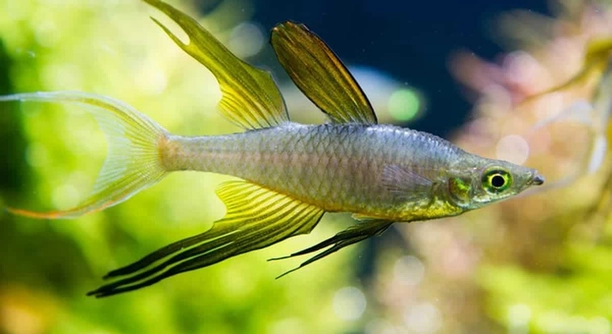
Have you ever noticed your threadfin rainbowfish rushing to the water’s surface, leaving you concerned about what might be happening in the tank?
The primary reason a threadfin rainbowfish gasps at the surface is low oxygen levels in the aquarium. Poor water circulation, overcrowding, high temperatures, and ammonia buildup can reduce oxygen, forcing the fish to seek air at the top.
Learning the underlying causes of this behavior can help you create a healthier environment and keep your rainbowfish safe and stress-free.
Common Reasons for Gasping at the Surface
When a threadfin rainbowfish gasps at the surface, it often points to oxygen-related issues in the tank. Aquariums that lack proper aeration or water movement can quickly become stressful environments for fish. High temperatures also reduce dissolved oxygen levels, making it harder for fish to breathe. Overcrowding and poor tank maintenance can add to the problem, as waste buildup increases toxins and reduces water quality. Even a sudden change in conditions, like introducing new fish or skipping regular cleanings, can stress them out and lead to surface gasping. Watching your fish closely helps spot these signs early.
Surface gasping may also happen if the water is contaminated with chemicals or if the filtration system is not working effectively. Addressing these issues early is essential for keeping your rainbowfish healthy and stress-free.
By understanding these possible triggers, you can make small but effective changes that create a healthier home for your fish.
Steps to Improve Your Fish’s Environment
Quick improvements start with testing the water regularly, checking oxygen levels, and ensuring the filter is running properly. Clean water and proper circulation are essential for reducing stress and preventing surface gasping in rainbowfish.
To improve conditions, begin with consistent water testing for ammonia, nitrites, and nitrates. High levels of these compounds often signal poor maintenance and can directly harm your fish. Perform regular partial water changes to keep the environment balanced and fresh. Next, look at water movement—adding an air stone, sponge filter, or adjusting your filter’s flow helps increase oxygen exchange. Avoid overcrowding, as too many fish will compete for resources and reduce oxygen availability. Keep your tank temperature steady, since warmer water holds less oxygen. Finally, monitor feeding routines to avoid overfeeding, as excess food quickly decays and lowers water quality. With these adjustments, your rainbowfish will thrive and display more natural and calm behaviors.
Signs That Indicate Poor Water Quality
Cloudy water, strong odors, or algae growth can signal problems in your aquarium. Threadfin rainbowfish may also show stress through clamped fins, reduced activity, or changes in appetite when the water quality begins to decline.
Regularly testing the water with reliable kits helps you understand what is happening in your tank. Ammonia or nitrite readings above zero indicate toxic conditions, while high nitrate levels suggest overdue maintenance. Observing your fish daily also provides valuable clues. Gasping at the surface, rubbing against objects, or hiding more than usual can all indicate water issues that need attention right away.
A clean aquarium with stable parameters allows rainbowfish to thrive and display their natural colors. Proper water changes, substrate cleaning, and filter maintenance are essential. Without these steps, harmful waste quickly builds up, making the environment stressful and unhealthy for your fish over time.
Preventing Stress in Threadfin Rainbowfish
Maintaining a calm and consistent environment is the best way to prevent stress. These delicate fish prefer stable conditions, gentle water flow, and well-planted tanks where they can feel secure and safe from sudden disturbances.
Creating an environment with balanced water chemistry and steady temperatures is essential. Avoid sudden changes in lighting, water conditions, or tank mates, as rainbowfish are sensitive to stress. Adding live plants not only improves water quality but also provides natural hiding spots and reduces anxiety. Feed them a varied diet in small portions to prevent overfeeding and maintain good health. Keeping the tank peaceful and avoiding aggressive fish ensures their well-being. By carefully managing these aspects, you provide a stable setting where threadfin rainbowfish feel safe, healthy, and free to display their beautiful, natural behaviors.
The Role of Tank Size
A small aquarium limits swimming space and reduces oxygen levels. Threadfin rainbowfish thrive in larger tanks where water circulation is steady, waste is diluted, and the environment remains stable enough to support their delicate nature.
Overcrowding in a small tank quickly raises stress levels. Too many fish competing for oxygen and space leads to frequent surface gasping. Choosing a tank of at least 20 gallons helps prevent these problems while giving rainbowfish room to display their natural schooling behavior.
Importance of Regular Maintenance
Consistent maintenance ensures a healthy aquarium. Regular water changes remove toxins and refresh oxygen levels, while cleaning the filter keeps it functioning properly. Skipping these steps allows harmful compounds to build up, creating conditions that lead to gasping and stress in rainbowfish.
Monitoring Fish Behavior
Observing daily activity is a simple way to track aquarium health. Unusual swimming, hiding, or surface gasping often signals that conditions are changing and require quick adjustments before the situation becomes more serious.
FAQ
Why is my threadfin rainbowfish gasping even though the water looks clean?
Clear water does not always mean healthy water. Invisible toxins like ammonia, nitrites, or even high nitrates can still harm your fish. Testing the water regularly is the only way to know if the parameters are safe. Fish can start gasping when toxins irritate their gills or when oxygen levels drop, even if the water looks fine to the eye. Adding plants, increasing surface movement, and performing partial water changes can often fix this issue before it becomes worse.
Can high water temperature make my rainbowfish gasp at the surface?
Yes, warmer water holds less oxygen, making it harder for fish to breathe. Even a few degrees higher than their comfort zone can trigger gasping. Threadfin rainbowfish do best in temperatures between 74°F and 80°F. If the tank runs too warm, try using a cooling fan, adjusting the heater, or placing the aquarium in a cooler part of your home. Keeping the temperature steady within the safe range reduces stress and helps oxygen stay at healthier levels for your fish.
Do threadfin rainbowfish need an air pump?
An air pump is not always required, but it is very helpful. Filters that create strong surface agitation often provide enough oxygen exchange, but some setups benefit from extra support. Air pumps keep water moving and increase oxygen levels, especially in larger tanks or heavily stocked aquariums. They can also provide backup oxygen in warmer months when water holds less. While not essential in every situation, many aquarists find adding one prevents problems before they start.
Can poor diet cause my rainbowfish to gasp?
A poor diet itself will not directly make a fish gasp, but it can weaken their health and make them less able to handle stress. Overfeeding is often a bigger issue because uneaten food rots and pollutes the water. This raises ammonia and lowers oxygen levels, forcing fish to gasp at the surface. Feeding small amounts of high-quality food once or twice a day keeps the tank cleaner and supports stronger, healthier fish that can thrive in their environment without constant stress.
Is gasping at the surface always a sign of disease?
No, gasping is not always tied to disease. In most cases, it is linked to water quality, oxygen levels, or temperature problems. However, diseases such as gill parasites or bacterial infections can also cause similar symptoms. If water tests show good conditions but gasping continues, it may be wise to consider health issues. Watching for other symptoms such as spots, redness, or unusual behavior can help you decide if treatment or veterinary advice is needed.
How can plants help prevent surface gasping?
Live plants naturally release oxygen during the day and help improve water quality by absorbing excess nutrients. They create a healthier balance in the tank and reduce stress for rainbowfish by providing shelter and security. However, at night, plants also consume oxygen, so it is important to maintain good water circulation. Pairing live plants with a reliable filter or air stone helps keep oxygen stable. A well-planted tank not only looks beautiful but also supports long-term health for threadfin rainbowfish.
Why do my rainbowfish gasp more after adding new fish?
Adding new fish increases the bioload in your tank. This means more waste, more competition for oxygen, and a sudden shift in balance. Even if your tank handled the old setup well, the extra load can cause oxygen to drop quickly. It’s important to check stocking levels, test the water, and ensure your filter can handle the new demand. Slowly introducing fish and monitoring the environment reduces the chance of stressing your rainbowfish and keeps gasping to a minimum.
Can stress from tank mates cause gasping?
Yes, aggressive or overly active tank mates can create stress that leads to gasping. Stress weakens the immune system and makes fish less able to cope with minor issues like low oxygen. Threadfin rainbowfish prefer peaceful communities and do best with calm companions. If you notice bullying or constant chasing, it may help to rearrange the tank, provide more hiding spaces, or remove aggressive species. Reducing stress from social pressure goes a long way in supporting natural, relaxed breathing.
What should I do if my rainbowfish suddenly start gasping?
The first step is to test the water immediately. Check for ammonia, nitrite, and nitrate spikes, along with pH and temperature. Increase surface agitation by lowering the water level slightly near the filter outflow or adding an air stone. Perform a partial water change to restore balance. If the issue continues despite good readings, consider possible disease or parasite causes. Acting quickly when gasping appears is essential to protect your fish from long-term damage and to restore comfort to their tank.
Can overcrowding really make such a difference?
Yes, overcrowding is one of the most common reasons rainbowfish struggle with breathing. Too many fish in a small tank means oxygen runs low faster, waste builds up, and stress spreads through the group. Even with good filtration, a crowded tank quickly becomes unstable. Keeping stocking levels reasonable ensures better oxygen distribution and reduces harmful waste. A tank that is not overcrowded allows rainbowfish to swim freely, remain less stressed, and maintain healthy breathing without the need to gasp at the surface.
Final Thoughts
Maintaining a healthy environment for threadfin rainbowfish takes consistent attention but is not overly complicated. These fish are sensitive to changes in water quality, oxygen levels, and temperature, so small adjustments can make a big difference in their overall well-being. Regular water testing, partial water changes, and careful monitoring of tank conditions help prevent the common issues that lead to surface gasping. By keeping an eye on the fish and observing their behavior daily, it is easier to detect problems early before they become serious. Even minor signs of stress, such as clamped fins or less activity, can indicate that something in the tank needs attention. Taking preventive steps early ensures that your rainbowfish remain healthy, active, and comfortable in their home.
Water quality is one of the most important factors affecting threadfin rainbowfish. Even if the water looks clear, harmful compounds can accumulate quickly. Ammonia, nitrites, and nitrates are invisible but highly toxic if left unchecked. Proper filtration, regular cleaning, and thoughtful feeding routines all work together to maintain a stable environment. Overfeeding, overcrowding, or neglecting the filter can create stress for your fish and lead to gasping at the surface. Additionally, keeping water temperature steady within the ideal range for rainbowfish is crucial because fluctuating or high temperatures reduce oxygen levels. By combining clean water, steady temperatures, and proper tank setup, you create a safe and comfortable habitat where fish can thrive naturally.
Stress management is also key for maintaining healthy rainbowfish. These fish respond negatively to sudden changes, aggressive tank mates, and insufficient hiding spaces. Incorporating live plants, adding gentle water movement, and choosing compatible tank mates helps reduce stress and allows your fish to display normal behaviors. Observing your fish frequently provides insight into how they feel about their environment, and adjusting conditions when needed improves their quality of life. By focusing on water quality, oxygen levels, temperature control, and stress reduction, you can significantly lower the risk of gasping and other health issues. A well-maintained tank ensures your threadfin rainbowfish remain vibrant, active, and safe in their aquatic home.

Hello,
If you enjoy the content that we create, please consider saying a "Thank You!" by leaving a tip.
Every little bit helps us continue crafting quality advice that supports the health, happiness, and well-being of pets around the world, for pets of all shapes, sizes, and species.
We really appreciate the kindness and support that you show us!