
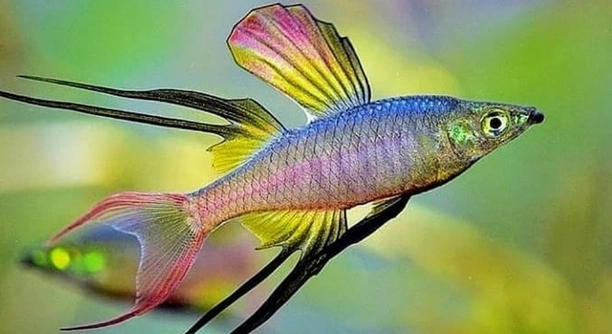
Threadfins are fascinating fish that live in rivers, estuaries, and coastal waters. They are known for their long, thin fins that seem to move independently. Many people notice their unique appearance and behavior in different waters.
Threadfins possess sensory adaptations that allow them to detect changes in water quality. Specialized receptors on their fins and body respond to chemical and physical cues, enabling the fish to sense pollution, low oxygen levels, or harmful substances in their environment.
Observing threadfins offers insight into how fish interact with their surroundings. Their responses reveal more than simple movement patterns and highlight important environmental interactions.
How Threadfins Detect Water Changes
Threadfins have tiny sensory organs called neuromasts along their fins and sides. These organs can detect vibrations, pressure changes, and even chemical differences in water. When water becomes murky or polluted, threadfins can sense shifts in these signals. They react by moving to cleaner areas or changing their feeding habits. Observing their movements provides valuable information about water conditions. Scientists study these responses to better understand aquatic ecosystems and the effects of pollution. Threadfins’ ability to detect water changes is not only fascinating but also practical. It demonstrates how fish have evolved over time to survive in varying environments. In rivers near urban areas, threadfins often show noticeable avoidance behaviors, swimming away from sections of water that contain debris or chemical residues. This behavior makes them useful indicators for researchers tracking water quality. Understanding how these fish sense their environment can help maintain healthier habitats for other species as well.
Threadfins rely mainly on their lateral line system and fin sensors to perceive water disturbances efficiently and respond quickly.
The sensory abilities of threadfins are finely tuned. Neuromasts detect minute changes in pressure and flow, while chemoreceptors identify chemical differences caused by pollutants or natural changes. Their reactions are instinctive, often resulting in swift directional changes or altered swimming speeds. This adaptation helps them avoid harmful conditions and locate optimal feeding zones. In areas affected by human activity, threadfins may detect industrial runoff, sediment buildup, or even low oxygen pockets. Such responses can signal environmental issues that are not immediately visible to humans. Monitoring threadfin behavior has become a practical approach for ecological studies. Observing shifts in their activity patterns provides insight into subtle changes in water quality. These fish act as natural indicators, alerting researchers to potential environmental stressors. By studying threadfins’ reactions, scientists can assess the health of aquatic habitats, implement protective measures, and guide conservation efforts more effectively, ensuring sustainable ecosystems for multiple species.
Practical Applications of Threadfin Sensing
The behavior of threadfins can serve as an early warning system for water quality changes, helping scientists and conservationists.
Tracking threadfin responses allows for targeted monitoring of rivers, estuaries, and coastal areas. Their sensitivity to chemical, physical, and biological shifts provides valuable data on pollution levels and environmental stress. By analyzing movement patterns, researchers can identify regions of concern and prioritize clean-up or protection measures. In addition, threadfins’ reactions can guide habitat restoration projects, indicating which areas are recovering or require intervention. Using these fish as bioindicators reduces the need for constant chemical testing while providing real-time, observable evidence of water health. Their natural behaviors complement technological monitoring tools, offering a cost-effective and reliable method for assessing ecosystems. Over time, integrating threadfin observations into environmental management can improve the sustainability of fisheries, protect other aquatic species, and support biodiversity. It also emphasizes the importance of maintaining clean, safe waterways for both wildlife and human communities who rely on them.
Observing Threadfins in Natural Habitats
Threadfins often stay near sandy or muddy bottoms where they can sense water changes clearly. Their movements are subtle but noticeable, especially when water becomes murky or contaminated.
In shallow rivers and estuaries, threadfins adjust their swimming speed and direction depending on water clarity and current changes. They often explore different areas slowly, pausing when they detect unusual chemical signals. These pauses are crucial for gathering information about their surroundings. Threadfins also rely on schooling behavior, where the group’s movements amplify detection of disturbances. Their behavior provides insights into water quality and local ecosystem health. Studying these patterns helps researchers track environmental changes without invasive methods, offering a natural, ongoing monitoring system.
When threadfins detect poor water conditions, they may migrate toward cleaner sections or deeper areas. This instinctive behavior protects them from harmful environments while also indicating water quality trends to observers.
Human Impact on Threadfin Sensory Behavior
Urbanization and industrial runoff significantly affect threadfin behavior, often forcing them to move more frequently. Their natural patterns can change rapidly due to pollution.
Excess nutrients, chemical waste, and sediment can overwhelm threadfins’ sensory systems. They may become stressed, showing erratic swimming or avoiding areas they previously inhabited. These changes affect feeding, breeding, and overall health. In extreme cases, threadfins may abandon critical habitats, impacting local populations. Researchers track these shifts to assess the severity of human impact. By understanding threadfins’ reactions, environmental planners can implement better water management strategies and reduce harmful discharges. Maintaining clean waterways benefits both wildlife and human communities, as these fish are indicators of broader ecosystem health.
Threadfins’ Response to Chemical Changes
Threadfins react quickly to chemicals in the water, often altering their swimming patterns. Their neuromasts and chemoreceptors detect subtle changes that humans might miss.
These reactions include slower movements, pauses, or directional changes. By observing them, researchers can pinpoint areas with higher contamination or unusual chemical activity.
Seasonal Effects on Water Sensing
Seasonal changes influence water temperature, flow, and clarity, affecting how threadfins sense their surroundings. In warmer months, increased activity and feeding heighten their sensitivity. Conversely, during cooler seasons, slower metabolism may reduce responsiveness. These seasonal patterns provide additional context for understanding threadfin behavior and environmental monitoring.
Using Threadfins in Environmental Studies
Threadfins’ natural sensory abilities make them valuable in ecological research. Their behavior offers real-time insights into water quality, complementing technological monitoring tools. Scientists can observe movement changes to detect pollutants, low oxygen levels, or sediment buildup. Integrating these observations improves conservation strategies and ensures healthier aquatic habitats for multiple species.
Movement Patterns as Indicators
Threadfin swimming patterns can signal water disturbances. Sudden changes in direction or speed often reflect environmental stressors.
FAQ
How do threadfins detect dirty water?
Threadfins use specialized sensory organs along their fins and lateral lines. These neuromasts pick up vibrations, pressure changes, and water movement, while chemoreceptors detect chemical differences. When pollutants, sediment, or low oxygen levels are present, threadfins respond instinctively, often changing direction or slowing their movements.
Can threadfins survive in polluted water?
Threadfins can tolerate minor changes, but prolonged exposure to polluted water can stress them. High chemical concentrations, industrial runoff, or excessive sediment may impact feeding, growth, and reproduction. They typically move to cleaner areas when possible, but severe contamination can reduce local populations over time.
Do threadfins show visible behavior when water is unsafe?
Yes, threadfins often exhibit subtle but noticeable behaviors. They may swim more slowly, pause frequently, or change direction abruptly. Schooling behavior may also intensify, as fish rely on group detection to navigate hazardous water. These behavioral changes provide observable signals for researchers monitoring water quality.
Are certain pollutants more noticeable to threadfins?
Threadfins respond strongly to chemicals, heavy metals, and high sediment levels. Sudden changes in oxygen levels or pH are also detected quickly. Their sensory system allows them to avoid harmful environments before the impact becomes life-threatening. Observing these reactions helps identify which pollutants are present.
Can humans use threadfins as indicators of water health?
Yes, their behavior is a practical tool for environmental monitoring. By tracking movement patterns, directional changes, and feeding habits, researchers can identify areas of pollution or ecological stress. Threadfins complement chemical and technological testing, offering a natural, real-time method of assessing water quality.
Do threadfins react the same in rivers and coastal areas?
Responses are generally consistent, but local conditions influence sensitivity. In rivers, flow changes and sediment disturbances may be more noticeable, while in coastal zones, salinity and temperature shifts play a bigger role. Threadfins adapt their behavior to detect these changes effectively.
How quickly do threadfins respond to water changes?
Threadfins react almost immediately to sudden environmental shifts. They can detect chemical differences or turbulence within seconds, adjusting their swimming patterns to avoid unsafe areas. This quick response is essential for survival and helps maintain overall health in fluctuating habitats.
Can seasonal changes affect their water-sensing abilities?
Yes, seasonal shifts in temperature, water flow, and oxygen levels influence threadfin behavior. Warmer months often increase activity and feeding, making them more responsive to water quality changes. Cooler seasons can slow metabolism, reducing sensitivity and altering observable responses.
Is there a way to measure water pollution using threadfins?
Researchers track swimming speed, directional shifts, and schooling behavior as indicators. Sudden pauses or rapid changes in movement often correspond with contamination. These observations, combined with water testing, provide a more complete understanding of pollution levels and habitat health.
Do threadfins sense pollution better than other fish?
Threadfins have highly developed lateral lines and fin receptors, making them more sensitive to certain changes than some species. While other fish also detect water quality variations, threadfins’ combined chemical and mechanical detection abilities make them particularly effective indicators for environmental studies.
How do human activities influence threadfin behavior?
Urban runoff, industrial discharge, and construction can disrupt natural water conditions. Threadfins respond by avoiding affected areas, changing feeding patterns, and sometimes relocating. Observing these responses helps researchers understand the impact of human activity on local ecosystems and prioritize conservation efforts.
Are threadfins used in conservation programs?
Yes, their natural behavior aids habitat monitoring and restoration. By tracking reactions to pollutants or environmental stress, scientists can implement measures to improve water quality. Threadfins act as living indicators, helping ensure healthier ecosystems for multiple species and supporting biodiversity.
What signs indicate a threadfin is stressed by water conditions?
Visible signs include erratic swimming, frequent stops, altered schooling behavior, and reduced feeding. Prolonged stress can lead to lower reproductive success and slower growth. Monitoring these indicators provides insight into both immediate and long-term water quality issues.
Can threadfins detect microscopic pollutants?
While they cannot see microscopic particles, their chemoreceptors can detect chemical traces from contaminants. Even small amounts of heavy metals, toxins, or unusual chemical compounds can trigger a behavioral response, making threadfins highly sensitive to subtle environmental changes.
Do threadfins communicate water quality to each other?
Not in the way humans communicate, but their schooling behavior spreads awareness. When one fish detects a disturbance, movements ripple through the group. This coordinated response helps protect the school from harmful conditions, ensuring collective survival.
How long can threadfins survive in slightly polluted water?
They can survive for some time depending on pollutant type and concentration. Low-level contamination may slow growth or affect feeding but is often tolerated. High levels, however, can quickly reduce population numbers and force migration to cleaner areas.
Are juvenile threadfins more sensitive than adults?
Yes, juveniles tend to be more sensitive to changes in water quality. Their smaller size and developing sensory systems make them more vulnerable, and their behavior often shows stronger reactions to disturbances than adult fish.
Can observing threadfins replace water testing?
Not entirely. While threadfins provide valuable behavioral indicators, direct chemical and physical testing is still necessary for accurate measurements. Combining both methods offers the best assessment of water quality, ensuring both precise data and practical ecological insights.
Do threadfins react to natural water changes the same way as pollution?
They can distinguish between natural fluctuations, like seasonal shifts in flow or temperature, and harmful changes caused by pollutants. Their sensory system is tuned to recognize patterns that indicate real danger versus routine environmental variation, allowing them to respond appropriately.
What role do threadfins play in the ecosystem beyond sensing water quality?
Threadfins contribute to controlling smaller fish and invertebrate populations through feeding. Their movement also influences sediment distribution and nutrient cycling. By avoiding polluted areas, they help maintain ecosystem balance, indirectly guiding other species’ behaviors and supporting overall habitat health.
Are there other species that react similarly to water pollution?
Yes, many fish and aquatic organisms have sensory adaptations to detect water changes. However, threadfins’ combination of lateral line sensitivity and chemical detection makes them particularly reliable for research and monitoring, offering clear, observable signals that complement other species’ responses.
Final Thoughts
Threadfins are remarkable fish that offer a clear window into water quality through their natural behavior. Their specialized sensory systems, including neuromasts and chemoreceptors, allow them to detect subtle changes in water conditions. These adaptations help them sense turbulence, chemical shifts, and sediment buildup that humans might miss. Observing threadfins can provide valuable insights into the health of rivers, estuaries, and coastal areas. Unlike traditional monitoring tools, these fish offer a real-time, living measure of environmental conditions, making them an important asset for ecological studies. Their instinctive reactions, from pausing to changing direction or swimming toward cleaner areas, reflect not only their need to survive but also the surrounding environment’s quality.
The sensitivity of threadfins demonstrates how aquatic species are closely connected to their habitats. Even small changes, such as increased sediment or minor chemical pollutants, can trigger noticeable responses. This makes threadfins a practical indicator species for scientists and environmentalists. By monitoring their movement, schooling patterns, and feeding behavior, researchers can gain insights into water quality trends over time. Seasonal changes also play a role in their behavior, as warmer months often increase activity and responsiveness, while cooler months may reduce it. These patterns help provide context when assessing environmental conditions, making threadfins more than just a biological curiosity—they are a tool for practical conservation and water management.
Understanding threadfins’ role in sensing water quality also highlights the broader importance of maintaining clean aquatic habitats. Human activities like urbanization, industrial runoff, and construction can affect water conditions and disrupt natural patterns. Threadfins’ responses to these disturbances offer a way to gauge the severity of human impact, guiding interventions that protect ecosystems. Their behavior not only signals current environmental issues but also helps predict potential long-term effects on aquatic life. By studying and respecting these fish, we can improve habitat management, support biodiversity, and maintain healthier waterways. Observing threadfins teaches us that even small creatures play a significant role in the balance of natural systems, and paying attention to their behavior can make a real difference in preserving the quality of our water resources.

Hello,
If you enjoy the content that we create, please consider saying a "Thank You!" by leaving a tip.
Every little bit helps us continue crafting quality advice that supports the health, happiness, and well-being of pets around the world, for pets of all shapes, sizes, and species.
We really appreciate the kindness and support that you show us!