
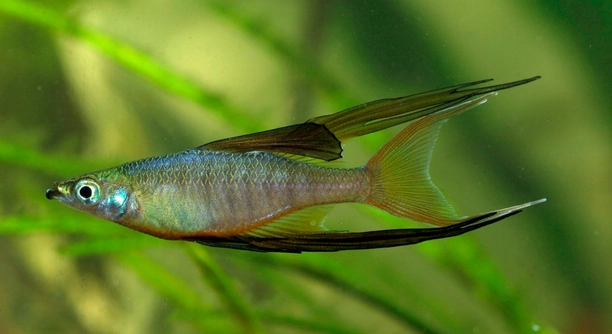
Have you ever noticed threadfins moving near the surface of a pond or tank and wondered about their behavior? Observing them can be fascinating, especially when they swim close to reflective surfaces and seem intrigued by their own image.
Threadfins do not actively swim against their reflection as a form of aggression or social behavior. Instead, their reactions are usually exploratory or a response to visual stimuli, helping them navigate their environment and recognize potential threats or objects.
Understanding how threadfins respond to reflections can reveal more about their natural instincts and interactions in both wild and captive environments.
How Threadfins React to Reflections
Watching threadfins interact with reflections can be surprisingly engaging. These fish often approach reflective surfaces, seeming to examine themselves or the movement they see. It is not uncommon to notice subtle changes in their swimming patterns when they encounter mirrors or shiny objects. Their fins may twitch more, and they sometimes circle slowly, almost as if assessing the “other fish.” This behavior is more about curiosity than competition. They use their sight to gather information about their surroundings, which is essential in natural habitats where understanding nearby movement can signal food or danger. Reflections provide a controlled stimulus, allowing them to explore without actual risk. Over time, repeated exposure to reflective surfaces may result in less pronounced reactions, showing that threadfins can learn and adjust to familiar visual cues. Observing these behaviors gives insight into their natural instincts and intelligence.
Threadfins usually do not display aggression toward reflections. They treat mirrored images as neutral objects.
Careful observation can show patterns of behavior that might otherwise go unnoticed. Their attention span with reflections can be short, and they often return to routine swimming after a few moments. These small responses indicate how visual cues play a role in guiding daily activity, such as feeding and movement. When placed in new environments with mirrors or clear surfaces, they may initially investigate intensely but gradually lose interest. These interactions are helpful for those keeping threadfins in tanks or ponds, as understanding their response to reflections can reduce stress and promote healthier, more natural behavior. It also highlights how adaptable they are, adjusting quickly to visual changes without panic or overreaction. This adaptability is a sign of their ability to interpret and respond to stimuli efficiently.
Benefits of Studying Threadfin Behavior
Studying their reactions to reflections helps us understand their sensory perception and decision-making processes.
Behavioral studies reveal that threadfins rely heavily on vision to navigate their surroundings and identify potential food or threats. Reflections act as a form of enrichment, stimulating curiosity and observation. By tracking how they react over time, researchers can gain insights into learning patterns, habituation, and stress responses. These studies also inform better aquarium setups, such as minimizing unnecessary reflective surfaces that could cause stress. In natural habitats, similar visual cues help threadfins avoid predators and locate prey. Recognizing these responses provides practical guidance for caretakers, ensuring that environments are safe and mentally engaging. Moreover, understanding their interaction with reflections contributes to broader knowledge about fish cognition and sensory processing, revealing subtle behaviors that indicate intelligence, adaptability, and comfort levels. This information is valuable for anyone aiming to maintain healthy threadfins or study them in detail.
Visual Cues and Threadfin Behavior
Reflections trigger mild curiosity in threadfins. They often approach surfaces slowly, sometimes circling or pausing as they examine the movement. These reactions are not signs of stress, but rather part of how they explore their surroundings naturally.
Threadfins rely on visual cues for orientation and safety. When encountering a reflective surface, they may swim toward it, investigate briefly, and adjust their position based on the movement they see. This behavior shows that vision is a critical sense for them. They use reflections as a harmless stimulus to test their environment and observe patterns without interacting with other fish directly.
Over time, threadfins often become habituated to reflections. Initial reactions of interest or slight investigation decrease, and they resume normal swimming routines. This habituation indicates that their curiosity is balanced by recognition and learning. Reflections provide a low-risk way to observe their instincts, helping both caretakers and researchers understand how threadfins respond to environmental changes.
Reflection Studies in Captivity
Mirror exposure can subtly influence threadfin activity in tanks. Some fish will circle or linger near reflective surfaces for several minutes, showing engagement without distress.
Studies show that repeated exposure to reflections encourages adaptation and learning. Threadfins may initially show heightened attention, but gradually their responses normalize. Researchers have observed that reflections can serve as mild enrichment, providing visual stimulation that reduces boredom. In tanks without natural environmental complexity, reflective surfaces can mimic movement, encouraging exploration and alertness. Over time, caretakers can observe changes in swimming patterns, social behavior, and interaction with tank features. Understanding these patterns helps maintain healthier fish, as monitoring responses to visual stimuli indicates comfort levels and cognitive engagement. Careful use of reflections ensures a balanced environment, promoting both mental and physical well-being for threadfins in captivity.
Interaction with Tank Environment
Threadfins often explore reflective surfaces alongside other tank features. Their behavior shows they respond to both visual cues and spatial layout, balancing curiosity with caution.
Mirrors or shiny objects may draw attention, but fish usually return to familiar routines quickly. This brief engagement adds subtle enrichment without causing stress.
Learning Through Reflection
Threadfins can show signs of learning when exposed to reflections repeatedly. Initially, they may investigate intensely, but over time, they recognize that the reflection poses no threat. This recognition helps them conserve energy and focus on essential activities like feeding and swimming. Consistent exposure allows them to differentiate between objects, reinforcing memory and observation skills. Researchers note that this behavior demonstrates how visual stimuli can influence fish cognition, helping caretakers understand individual tendencies and adaptive responses. By watching these patterns, it becomes clear that threadfins have a capacity for simple learning and environmental adjustment.
Avoiding Overstimulation
Too many reflective surfaces can overwhelm threadfins. They need balance to maintain normal behavior.
FAQ
Do threadfins recognize themselves in a reflection?
Threadfins do not have the cognitive ability to recognize themselves as humans or some higher mammals might. When they approach a reflection, they are responding to movement and light, not self-awareness. The behavior is driven by curiosity, not recognition, allowing them to investigate their surroundings safely.
Can reflections stress threadfins?
Reflections generally do not cause long-term stress. Initial reactions might show mild agitation or increased movement, but fish usually habituate quickly. Overstimulation occurs only if reflective surfaces are excessive, creating constant visual stimuli. Balanced tank environments prevent this and allow threadfins to explore without anxiety.
Why do threadfins swim slowly near mirrors?
Slow swimming is part of cautious exploration. By moving deliberately, threadfins can assess potential threats or changes in their environment. This behavior is adaptive and reflects their natural instincts in the wild, where visual cues help them avoid predators and locate food.
Do threadfins interact with reflections like other fish?
No, threadfins treat reflections differently than they do real companions. They may circle or pause near reflective surfaces but do not exhibit social behaviors such as schooling or fighting. Their responses are based purely on observation rather than social engagement.
How long do threadfins focus on a reflection?
Attention spans are short. They may investigate for a few seconds to a few minutes, then resume normal activity. Repeated exposure reduces the intensity of interaction, showing that threadfins can learn that reflections are harmless and non-threatening.
Can reflections improve their tank environment?
Yes, limited reflective surfaces can serve as visual enrichment. They provide stimulation and mild curiosity without interfering with normal behavior. This can help maintain mental alertness and reduce boredom in tanks that lack natural features or movement.
Do juvenile threadfins behave differently with reflections?
Juveniles are often more curious and reactive than adults. They may investigate more intensely, swim closer, or circle repeatedly. As they grow, they become less influenced by reflections, showing adaptation and learning over time. Observing juveniles can provide insights into development and environmental responses.
Should I use mirrors in my tank for threadfins?
Using mirrors sparingly is best. A small reflective surface can provide harmless enrichment, but large or multiple mirrors may cause overstimulation. Placement and exposure time should be monitored to ensure fish maintain normal routines without unnecessary stress.
Do threadfins attack their reflection?
Attacks on reflections are rare. Most threadfins treat them as neutral or interesting objects rather than competitors. Any aggressive movement is usually brief, exploratory, or a result of general curiosity, not true aggression or territorial behavior.
How can I tell if my threadfins are stressed by reflections?
Signs of stress include prolonged frantic swimming, repeated ramming at the reflective surface, or refusal to feed. If these behaviors occur, reduce exposure to mirrors or shiny objects and provide more natural hiding spots and tank features. Observing their overall behavior helps ensure their comfort and well-being.
Can reflections help with socialization in tanks with multiple threadfins?
Reflections do not replace real social interaction. While they provide visual interest, threadfins still rely on other fish for schooling or social behaviors. Using reflections as enrichment should complement natural interactions rather than substitute them.
Do threadfins show memory or learning with repeated reflections?
Yes, repeated exposure can teach threadfins that reflections are harmless. Over time, their investigation becomes less frequent or intense, showing habituation and simple learning. Observing this process provides insights into their cognitive abilities and environmental adaptability.
Are all threadfins equally interested in reflections?
Interest varies by individual. Some fish may approach reflections often, while others ignore them. Factors include age, personality, and prior experiences. Observing different responses helps understand each fish’s behavior and tailor tank enrichment accordingly.
Do threadfins respond differently to moving reflections?
Yes, movement attracts more attention. Threadfins are instinctively drawn to motion as it signals food or danger in natural habitats. Stationary reflections are less engaging, while subtle movements can provoke investigation or circling behavior, reflecting their visual sensitivity.
Can reflections affect feeding behavior?
Occasionally, threadfins may momentarily pause feeding when distracted by reflections, but this is temporary. They quickly return to normal feeding routines once they assess that the visual stimulus is harmless. Proper feeding schedules and minimal overstimulation ensure consistent nutrition.
Is it safe to introduce reflective objects gradually?
Introducing reflections gradually is safest. Start with small areas or brief exposure times to allow threadfins to acclimate. Observing their reactions helps prevent stress and ensures that reflective objects provide enrichment rather than disruption in their daily routines.
Do threadfins react the same way in ponds and aquariums?
Reactions are similar but influenced by the environment. In ponds, reflections may be less frequent due to water movement and natural light, whereas aquariums provide consistent surfaces and lighting that make reflections more noticeable. Adaptation occurs in both settings, but intensity may vary.
Can reflection behavior indicate health issues?
Significant changes in response to reflections—such as lethargy, hyperactivity, or avoidance—can hint at health or stress problems. Monitoring how threadfins interact with visual stimuli is one way to track well-being, alongside regular observation of feeding, swimming, and social behavior.
Do reflections influence breeding behavior?
Reflections generally do not trigger mating behaviors in threadfins. Breeding responses are guided by environmental cues like water conditions, temperature, and the presence of other fish, rather than visual reflections. Reflections serve more as exploration stimuli than reproductive triggers.
How often should reflections be used in the tank?
Occasional exposure is sufficient. Daily or constant reflections can cause overstimulation, while periodic brief interactions encourage curiosity and enrichment. Balancing reflective objects with natural features ensures threadfins remain engaged without compromising comfort or routine.
Are there differences between species of threadfins in reflection response?
Yes, some species are more visually oriented or curious than others. Environmental factors, natural behaviors, and social tendencies influence how individual species react. Observing each species provides guidance for enrichment strategies and ensures appropriate care tailored to their instincts.
What is the main takeaway about threadfins and reflections?
Reflections offer mild enrichment, trigger curiosity, and provide visual stimuli without causing harm. Responses vary individually, but understanding their behavior helps maintain a healthy and stimulating environment for threadfins in both aquariums and ponds.
Threadfins are interesting fish to observe because of the way they interact with their surroundings. One of the behaviors that often draws attention is how they respond to reflective surfaces. They may swim close to mirrors or shiny objects, circle slowly, or pause as they examine the movement they see. This is not a sign of aggression or social conflict but rather a natural expression of curiosity. Their reactions are usually brief and mild, showing that they are exploring rather than reacting out of fear or stress. Over time, threadfins can learn that reflections are harmless, which leads to shorter investigation periods and a return to their regular swimming patterns. Understanding these behaviors gives a clearer view of how they perceive and navigate their environment, whether in a pond or an aquarium.
Visual cues play an important role in a threadfin’s daily activity. They rely heavily on sight to detect movement, locate food, and avoid potential threats. Reflections in their environment provide an additional stimulus that allows them to engage their instincts safely. While they do not recognize themselves, the reflection provides a harmless form of enrichment. This kind of interaction can help keep them alert and active, especially in tanks with fewer natural features. Gradual exposure to reflective surfaces can also demonstrate their ability to learn and adapt, as repeated encounters tend to reduce the intensity of their reactions. Observing these patterns is useful not only for caretakers but also for researchers studying fish cognition and environmental adaptation. It shows that even simple stimuli can have a meaningful impact on behavior and mental engagement.
When keeping threadfins in an aquarium or pond, it is important to balance visual enrichment with natural features. Too many reflective surfaces can cause overstimulation, while too few may leave the fish under-stimulated and less engaged. Providing hiding spots, plants, or other environmental features alongside limited reflections ensures that the fish maintain normal routines and feel comfortable. Paying attention to how each fish responds individually is essential because reactions can vary depending on age, personality, or previous experiences. Juvenile threadfins may be more curious and reactive, while adults tend to be calmer and more selective in their interaction with reflections. Overall, reflections are a simple and safe way to observe natural curiosity and behavior, offering insight into how threadfins interact with their environment while supporting their mental and physical well-being. By observing their responses carefully, caretakers can create a balanced and engaging environment that promotes healthy, active fish.

Hello,
If you enjoy the content that we create, please consider saying a "Thank You!" by leaving a tip.
Every little bit helps us continue crafting quality advice that supports the health, happiness, and well-being of pets around the world, for pets of all shapes, sizes, and species.
We really appreciate the kindness and support that you show us!