
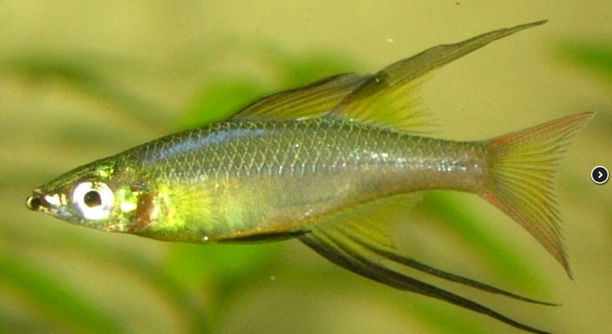
Do you ever watch threadfins glide through the water and wonder what their subtle movements might mean? These delicate fish use their fins not just to swim but to communicate moods and intentions silently.
Threadfins exhibit a range of subtle fin movements that indicate their emotional state, including slight flicks, gentle spreads, and slow retractions. Observing these patterns can provide reliable insights into stress, curiosity, aggression, or contentment.
Recognizing these movements helps in understanding your threadfin’s well-being and ensures a more harmonious aquarium environment for both fish and keeper.
Gentle Flicks of the Pectoral Fins
Threadfins often move their pectoral fins with small, quick flicks. These motions are usually subtle and easy to miss if you aren’t paying close attention. Gentle flicks often indicate curiosity or mild excitement, especially when the fish is exploring new surroundings or noticing something different in the tank. These movements are not aggressive but signal alertness. Observing them can help you understand when the fish is engaged with its environment or reacting to minor changes, like new decorations or altered water conditions. The flicks may increase slightly when the fish senses nearby food, demonstrating anticipation. By noting the frequency and intensity, you can gauge how the fish is feeling over time. Consistent observation helps differentiate between normal curiosity and stress-induced fluttering, allowing better care and adjustment of tank conditions to match the fish’s comfort level and natural behavior.
These gentle flicks are reliable indicators of mild interest or attention.
Recognizing these movements early can improve interactions with your fish. Subtle changes in flicking patterns may hint at health issues, environmental stress, or adjustments in mood. By keeping a mental note or log, you can ensure your threadfins remain comfortable and reduce unnecessary stress in the tank. This practice also strengthens your observation skills, helping to spot unusual behaviors promptly. Small details, such as how long the fins stay flicking or the speed of motion, provide clues to the fish’s emotional state. Over time, these observations can guide adjustments in feeding routines, tank layout, or water quality, ensuring a supportive environment. Paying attention to these tiny signals allows for more proactive care, making sure the fish feels safe and content. Subtle pectoral movements are an essential part of understanding threadfin behavior and responding appropriately to their needs.
Slow Retractions of the Dorsal Fin
Slow retractions of the dorsal fin often indicate caution or mild stress.
When threadfins pull their dorsal fin back slowly, it shows they are aware of potential changes or disturbances. This movement is common when the fish encounters unfamiliar objects, sudden sounds, or new tank mates. The motion is deliberate and controlled, reflecting a heightened sense of awareness rather than panic. Slow retractions can also occur after feeding, as the fish relaxes and reduces unnecessary motion. Observing how often and how slowly the dorsal fin retracts provides insight into the fish’s comfort level. Comparing these patterns over days or weeks can reveal changes in behavior, signaling whether environmental adjustments are needed. Maintaining stable water conditions, minimal disturbances, and consistent feeding schedules helps reduce excessive retractions and keeps the fish calm. Over time, familiarization with tank surroundings and routine can reduce this cautious behavior, supporting a healthier, more confident threadfin that interacts comfortably with its environment and peers.
Slight Twitches of the Caudal Fin
Slight twitches in the caudal fin often indicate alertness or minor irritation. These movements are quick and barely noticeable, reflecting the fish’s sensitivity to changes in the tank or nearby activity.
Noticing these twitches helps in understanding the fish’s reactions to subtle stimuli. Threadfins use their caudal fins to adjust balance and direction, so minor twitches can occur when they are repositioning or reacting to currents. These movements are natural and usually harmless, but frequent or intense twitches may suggest stress or discomfort. Monitoring the context of these twitches, such as during feeding or when other fish are present, provides insight into the fish’s mood and environmental comfort.
Regular observation allows for early detection of stress patterns. Adjusting tank conditions, such as water flow, hiding spots, or temperature, can help minimize excessive twitching. Understanding these cues promotes a calmer, healthier fish, as they feel more secure in a predictable environment. Being attentive to the caudal fin’s subtle signals enhances daily care and ensures the fish’s well-being.
Spreading of the Pelvic Fins
Spreading pelvic fins is often a sign of confidence or curiosity. The fish extends its fins deliberately, showing comfort in its surroundings.
Threadfins use pelvic fins to stabilize themselves and communicate subtle signals. When the fins are fully extended, it suggests the fish feels secure and in control of its environment. Observing this behavior during feeding or exploration shows that the fish is actively engaging with its tank and surroundings. A spread pelvic fin can also indicate readiness to respond to other fish or objects nearby. Tracking these movements over time can help identify patterns in behavior related to comfort, mood, and interaction. Recognizing and encouraging positive behaviors, such as extended pelvic fins, supports a stable, healthy environment.
Encouraging confidence through consistent feeding schedules, calm surroundings, and adequate space can enhance the frequency of this behavior. Providing open swimming areas and subtle hiding spots allows threadfins to feel both safe and engaged. Over time, these conditions support natural behaviors, helping the fish remain relaxed, attentive, and interactive within the tank, fostering a balanced environment where subtle fin movements accurately reflect the fish’s mood and well-being.
Quivering of the Anal Fin
Quivering of the anal fin often signals mild excitement or heightened attention. This movement is subtle and rhythmic, appearing when the fish senses activity in the tank or anticipates feeding.
Consistent quivering may also indicate slight stress if paired with other defensive behaviors. Observing context helps determine whether the motion reflects curiosity, alertness, or discomfort.
Quick Flicks of the Dorsal Fin
Quick flicks of the dorsal fin indicate sharp reactions to sudden stimuli. Threadfins use these motions to stabilize themselves and communicate readiness to respond. Sudden movements from nearby tank mates or changes in water flow often trigger these flicks. Regularly observing these patterns helps distinguish between natural vigilance and stress responses. Quick flicks tend to occur more during interactions with other fish or when adjusting to unfamiliar objects in the tank. By noting frequency and intensity, caretakers can make small environmental adjustments, ensuring that the fish remains comfortable while still exhibiting natural, alert behaviors. Tracking dorsal fin flicks over time provides insight into overall mood and responsiveness.
Gentle Waves of the Pectoral Fins
Gentle waves of the pectoral fins often reflect calm and contentment. Smooth, rhythmic movements show the fish is comfortable and relaxed within its environment.
FAQ
How can I tell if my threadfin is stressed through its fin movements?
Stress in threadfins often shows through rapid, erratic fin movements or repeated flicking, especially of the caudal and dorsal fins. Slow retractions of the dorsal fin paired with tense body posture can also indicate discomfort. Monitoring these patterns alongside behavior, like reduced feeding or hiding, helps identify stress. Environmental factors such as sudden changes in water temperature, poor water quality, or aggressive tank mates often trigger these signals. Keeping a consistent routine and stable conditions allows threadfins to feel secure and minimizes stress-induced fin movements.
Why do threadfins spread their pelvic fins so often?
Pelvic fins are spread when threadfins feel confident and in control. This is a natural posture during exploration or interaction with other fish. Extended pelvic fins can also indicate curiosity, allowing better stability while moving or assessing surroundings. Observing these movements consistently helps gauge whether the fish is comfortable in its environment.
Are slight twitches of the caudal fin normal?
Yes, slight caudal fin twitches are generally normal. They often occur when the fish adjusts its balance or reacts to minor environmental stimuli. However, frequent or intense twitches might suggest irritation, stress, or even the presence of parasites. Keeping track of twitching patterns and context helps differentiate normal behavior from concerning signs.
Do dorsal fin flicks always indicate stress?
Not necessarily. Quick flicks of the dorsal fin can indicate vigilance or readiness rather than stress. Threadfins use these movements to stabilize themselves or react to sudden changes in the tank. Stress is more likely if flicking is combined with defensive behaviors, hiding, or erratic swimming.
Can I improve my threadfin’s mood by observing its fins?
Observing fin movements provides insight into mood and comfort. Adjustments to water quality, tank setup, or social environment based on these observations can improve well-being. Calm, relaxed fin movements often indicate a content fish, while defensive or erratic motions suggest changes are needed. Regular attention helps maintain a healthier, more responsive aquarium environment.
What does quivering of the anal fin mean?
Quivering of the anal fin usually signals mild excitement or attention. This behavior is subtle and rhythmic, often appearing during feeding or when reacting to small movements in the tank. Context is key; paired with other stress indicators, quivering may also show slight tension or alertness to environmental changes.
How do gentle waves of the pectoral fins relate to mood?
Smooth, rhythmic pectoral fin waves generally indicate calmness and contentment. These movements show that the fish feels secure and is moving comfortably in its environment. Observing these signals can help confirm that tank conditions and interactions with other fish are appropriate.
Are there signs to watch for that indicate aggression or irritation?
Yes, aggressive or irritated threadfins may flare their fins suddenly, dart toward other fish, or display repeated flicking of the caudal and dorsal fins. These behaviors often appear during competition for food, territorial disputes, or when stressed by environmental factors. Early detection allows for adjustments to prevent harm.
Can feeding routines affect fin movements?
Absolutely. Threadfins often show increased flicking or gentle waves during feeding, reflecting excitement or anticipation. Irregular feeding schedules can lead to stress or inconsistent fin signals. Maintaining a predictable routine supports natural behaviors and reduces unnecessary agitation.
How long should I observe fin movements to understand mood patterns?
Observing fin movements over several days or weeks provides the most reliable insight. Single instances may not reflect true mood, but patterns over time reveal comfort, stress, curiosity, or aggression. Consistent observation allows for proactive care and environmental adjustments.
Do environmental changes cause sudden fin movement changes?
Yes, changes in lighting, water flow, or tank decorations can trigger sudden fin movements, such as flicks or retractions. Threadfins are sensitive to alterations in their surroundings, and observing these reactions helps identify potential stressors or discomfort. Adjustments should be gradual to maintain stability.
Are all subtle fin movements meaningful?
While many subtle movements convey mood or reactions, some are simply part of natural swimming adjustments. Context and frequency are important. Tracking patterns alongside behavior ensures accurate interpretation, distinguishing normal movement from signals of stress, curiosity, or contentment.
How do I differentiate between curiosity and stress in fin movements?
Curiosity often shows as slow, deliberate fin movements or gentle flicks, while stress tends to produce rapid, erratic motions or repeated retractions. Observing accompanying behaviors, such as feeding interest or hiding, clarifies whether the movement reflects positive engagement or discomfort.
Can I train myself to recognize all subtle fin signals?
Yes, with consistent observation. Keeping notes on fin patterns and context over time enhances understanding. Each fish may display unique variations, so patience and attention to detail are essential for interpreting mood accurately.
How does fin behavior change with tank mates?
Interactions with other fish influence fin movements. Calm, confident fish may spread fins or wave gently, while tension with aggressive or dominant tank mates triggers flicks, retractions, or quivering. Understanding social dynamics helps maintain harmony and reduces stress-related behaviors.
Are there long-term benefits to monitoring fin movements?
Monitoring fin movements allows early detection of stress, illness, or environmental issues. It promotes better care decisions, healthier interactions with tank mates, and ensures that threadfins remain comfortable, active, and responsive over time. Consistent attention fosters a well-balanced aquarium environment.
Final Thoughts
Observing threadfins’ fin movements provides a clear window into their moods and overall well-being. Each fin has a role in communication and balance, and subtle changes in movement often carry meaning. Gentle flicks, slow retractions, or rhythmic waves can indicate curiosity, contentment, or mild stress. Paying attention to these signals helps in understanding how your fish interacts with its environment, tank mates, and even feeding routines. By noting patterns over time, you can distinguish between normal behavior and signs that may need attention, such as stress, discomfort, or changes in health. Subtle movements may seem minor, but they are often reliable indicators of a threadfin’s current state, making observation an essential part of responsible care.
Maintaining a consistent and stable environment plays a key role in supporting natural fin behavior. Factors such as water quality, temperature, and the arrangement of decorations or hiding spots influence how comfortable a fish feels. Threadfins respond noticeably to changes in their surroundings, and fin movements often reflect this response. For example, sudden flicking of the dorsal fin may indicate alertness or minor irritation, while smooth, rhythmic waves of the pectoral fins suggest contentment. Regular monitoring allows you to make adjustments to feeding schedules, water flow, or tank layout to promote a calm and engaging environment. Over time, these small interventions help ensure that the fish remain confident, active, and relaxed, allowing their natural behaviors to be expressed clearly and safely.
Understanding threadfin fin movements also strengthens your connection with the fish. By observing subtle cues, you learn to respond to their needs more accurately, whether it involves adjusting environmental factors or providing reassurance through consistent care. These movements are a form of nonverbal communication, offering insight into emotions, health, and comfort levels. Tracking patterns over days and weeks helps anticipate changes in behavior and prevents potential problems before they escalate. By taking time to observe and interpret these signals, you create an environment where the threadfin can thrive, feel secure, and maintain natural behaviors. In essence, careful attention to fin movements not only benefits the fish’s well-being but also enhances the experience of keeping a threadfin, fostering a more informed, responsive, and attentive approach to their care.

Hello,
If you enjoy the content that we create, please consider saying a "Thank You!" by leaving a tip.
Every little bit helps us continue crafting quality advice that supports the health, happiness, and well-being of pets around the world, for pets of all shapes, sizes, and species.
We really appreciate the kindness and support that you show us!