
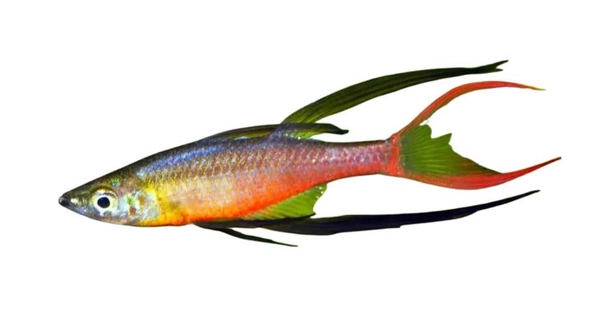
Threadfins are graceful fish that often attract attention with their long, flowing fins and shimmering scales. Many aquarists notice their behavior in tanks and wonder why these fish sometimes favor one side over another.
Threadfins may prefer one side of the tank due to environmental factors such as light exposure, water flow, and hiding spots. These elements influence their comfort and feeding behavior, causing them to consistently occupy areas that meet their specific needs.
Observing these preferences can help improve tank design and ensure the fish remain comfortable and healthy in their environment.
Understanding Light and Shade Preferences
Threadfins often choose their position in the tank based on light intensity. Bright areas can make them feel exposed, while shaded sections provide a sense of security. This natural tendency is linked to their behavior in the wild, where they use shadows to avoid predators and conserve energy. Placing plants, decorations, or shaded corners in your tank can encourage them to explore more of their environment while still feeling safe. Additionally, light affects feeding patterns. Threadfins may spend more time in dimly lit areas if food is placed nearby, or they may move toward brighter sections when seeking attention. Observing these patterns can help you adjust lighting to suit their comfort. Using adjustable LED lights or floating decorations can create gentle transitions between light and shadow, allowing threadfins to select their preferred areas naturally. Paying attention to their responses ensures they remain calm, active, and healthy within the tank.
Light preferences directly impact stress levels, activity, and overall well-being in threadfins.
Creating a balanced lighting setup, combining shaded regions with gentle illumination, helps threadfins feel secure. Overly bright tanks can lead to hiding or inactivity, while entirely dim setups may reduce visibility for feeding. Offering gradual light changes mimics natural conditions, encouraging movement and interaction. Floating plants, decorative rocks, and ornaments can provide visual barriers that reduce stress and create resting areas. Observation is key; watch how your threadfins shift throughout the day. Adjusting food placement, light angles, and tank décor can make a noticeable difference in their behavior. These small adjustments promote healthier, more confident fish.
Water Flow and Movement
Threadfins respond to the flow of water in their environment.
Strong currents can make swimming difficult, while gentle movement is often preferred.
Positioning the filter or aerator thoughtfully can guide threadfins to specific areas. They may favor one side if the flow is calmer, which reduces energy expenditure and allows them to rest. Some tanks have natural circulation patterns that create slow zones near plants or decorations, which threadfins will use consistently. Observing how your fish interact with the current can indicate if adjustments are needed. In some cases, adding a sponge filter or redirecting flow can balance water movement, making the tank more comfortable. Recognizing these preferences helps maintain healthy fish, as proper flow ensures oxygen distribution and prevents stagnation. By tailoring water movement to their needs, you can support both their physical activity and natural behavior, creating a harmonious tank environment where threadfins feel confident and secure.
Tank Layout and Decoration
The arrangement of plants, rocks, and other decorations strongly influences where threadfins choose to spend their time. They often prefer corners or areas with hiding spots that give a sense of security.
Thoughtful tank design encourages natural behavior. Placing taller plants or ornaments in one section creates visual barriers, allowing threadfins to feel protected while swimming. Open spaces near the center may be used for feeding or exploring, but many will retreat to shaded corners when stressed. Decorations that break up the tank visually can also reduce aggression between fish. Using a mix of soft and firm surfaces provides resting areas without causing injury to their delicate fins. Observing how your threadfins interact with these elements helps you adjust the layout to suit their preferences and promote overall well-being.
Balancing open areas and secure hiding spots allows threadfins to move freely while maintaining comfort.
Feeding Patterns and Territory
Threadfins often choose sides based on where food is regularly placed. This behavior helps them feel in control of their space.
Consistent feeding locations can influence long-term tank habits. If one side is regularly stocked with food, threadfins may spend more time there, associating the area with safety and nourishment. Over time, this can become a preferred side, even if other parts of the tank are equally suitable. Adjusting feeding spots occasionally can encourage movement and exploration while still respecting their comfort zones. Monitoring feeding behavior also helps identify health issues, as less active fish may avoid certain areas or eat less. Strategic placement of food can support both physical activity and social interactions, maintaining a balanced environment.
Territorial instincts affect side preference. Threadfins mark and guard favored areas, reinforcing consistent patterns in the tank.
Social Dynamics
Threadfins may choose one side of the tank based on the presence of other fish. They often avoid areas dominated by more aggressive species to reduce stress and competition.
Hierarchy within the tank affects movement and comfort. Submissive threadfins often occupy quieter zones, while dominant individuals patrol favored sections. Observing interactions can guide adjustments in tank arrangement to provide balance and reduce conflict.
Temperature and Comfort
Water temperature can subtly influence side preference. Slight variations in warmth or cooler spots encourage threadfins to seek areas that match their comfort needs.
Observation and Adjustment
Paying attention to these behaviors helps improve tank conditions. Minor adjustments in décor, feeding, or flow can encourage exploration and well-being.
Why does my threadfin always stay on one side of the tank?
Threadfins often select one side because it meets multiple comfort needs. Light levels, water flow, hiding spots, and temperature all contribute to their preference. They naturally gravitate toward areas that make them feel secure while allowing easy access to food. Watching their movement over several days helps identify patterns and what the fish favor. Sometimes the preferred side has calmer currents or softer lighting, which reduces stress and encourages resting.
Is this behavior normal for all threadfins?
Yes, this is typical behavior. Threadfins in the wild seek areas that balance safety, food access, and ease of swimming. Even in a tank, they retain these instincts. Some fish may explore more, while others remain mostly stationary in one comfortable zone. Individual personality and size can also affect how much they move or occupy space.
Can I encourage my threadfin to explore more of the tank?
You can gently encourage movement by adjusting décor and feeding locations. Shifting plants or ornaments gradually can create new shaded areas or hiding spots. Placing food in different areas encourages exploration while still respecting their comfort. Soft water currents can also guide movement. Avoid sudden changes that may stress the fish; incremental adjustments are best. Over time, this can promote activity without forcing them into areas where they feel unsafe.
Does tank size affect which side they prefer?
Tank size plays a role, but preference is more influenced by environmental conditions within the tank. In smaller tanks, threadfins may choose the side with calmer currents or the most shaded spots. Larger tanks offer more options, and fish may switch sides depending on light and flow. Observing behavior helps determine which side provides the most comfort, and minor layout tweaks can balance use of the entire tank space.
Could water flow be influencing side preference?
Yes, water movement strongly affects where threadfins position themselves. Strong currents can tire them out, so calmer zones become favored resting areas. Adjusting filter output or using decorations to break flow can create gentle currents, giving the fish multiple comfortable zones. Proper circulation is essential for oxygen distribution, but it should not compromise comfort. A mix of slow and moderate flow areas often keeps threadfins active while reducing stress.
Do feeding patterns reinforce their preference?
Absolutely. Fish quickly learn where food is most consistently provided. Regular feeding on one side creates a sense of security and habit, encouraging repeated visits. Occasionally changing feeding spots encourages movement and exploration while still maintaining comfort. Strategic placement of food can improve physical activity and reduce territorial behavior, making the tank more balanced for all inhabitants.
Can lighting affect which side they favor?
Lighting is a major factor. Brightly lit areas can feel exposed, while shaded corners offer safety. Adjustable LED lights or floating plants can create a gradual transition between light and shadow, allowing fish to choose based on comfort. Observing their behavior in response to lighting changes helps identify ideal arrangements and prevent stress.
How does temperature influence their side selection?
Even slight temperature variations can determine where threadfins spend time. They seek spots within their preferred range, often gravitating toward slightly warmer areas if available. Heater placement or natural tank gradients can create these zones. Ensuring consistent temperature throughout the tank while providing small gradients allows them to self-regulate comfortably.
What role do tank mates play in side preference?
Other fish strongly impact behavior. Aggressive or territorial species may push threadfins to quieter areas, while calm tank mates allow free movement. Observing interactions helps identify stress zones, and rearranging décor or adjusting space can reduce conflict. Some threadfins may dominate certain areas, reinforcing consistent side preference, while others may avoid these regions entirely.
Is it necessary to force threadfins to explore other areas?
Forcing them is unnecessary and may increase stress. Instead, subtle encouragement like moving food or adjusting decorations allows them to explore naturally. They should have the choice to occupy areas that feel safe while gradually gaining confidence in other parts of the tank. Respecting their instincts leads to healthier, less anxious fish.
How can I tell if their side preference indicates stress or illness?
Consistently hiding, reduced appetite, or unusual behavior on their preferred side may indicate stress or health issues. Monitoring patterns over time helps differentiate normal preference from potential problems. Water quality, temperature, and social dynamics should be checked if unusual behavior persists. Prompt attention ensures long-term health and comfort.
Are there any long-term effects of staying on one side?
If the tank is well-maintained, no long-term harm occurs. Threadfins naturally gravitate toward comfort zones. However, providing opportunities for movement, balanced feeding, and varying environments supports activity, muscle development, and mental stimulation. Regular observation ensures they remain active, healthy, and confident.
This FAQ addresses the most common reasons threadfins favor one side, helping maintain a comfortable and balanced tank environment.
Threadfins are fascinating fish with unique habits that make them enjoyable to observe in a home aquarium. One of the most noticeable behaviors is their tendency to favor one side of the tank. This preference is not random; it often reflects a combination of environmental factors such as light, water flow, temperature, and hiding spots. Each fish develops its own comfort zones based on these factors. Over time, it becomes clear that the chosen side is where they feel safest, can rest easily, and have quick access to food. By paying attention to these patterns, aquarists can better understand the needs of their threadfins and make adjustments to create a more comfortable environment. The goal is to provide a balanced space where fish can move freely yet still have areas that feel secure and familiar.
Maintaining a well-designed tank that considers light, flow, and decorations can greatly enhance the well-being of threadfins. Shaded areas and calm zones allow fish to relax and reduce stress, while slightly brighter or open sections encourage activity and exploration. Feeding patterns also play an important role in side preference, as threadfins quickly associate certain areas with safety and nourishment. Subtle adjustments, like occasionally changing the feeding location or adding decorations, can promote movement without causing discomfort. Understanding their social interactions is equally important. Aggressive or territorial tank mates can influence where threadfins spend their time, so ensuring a balanced and peaceful environment helps them thrive. Observing how they interact with the tank and each other gives valuable insight into their behavior and preferences.
Ultimately, the side preference of threadfins is a reflection of their natural instincts and environmental comfort. This behavior is not problematic if the tank is well-maintained, but creating opportunities for gentle exploration can support physical health and mental stimulation. Regular observation, proper tank setup, and thoughtful feeding routines all contribute to a healthier and more confident fish. Recognizing and respecting their habits allows aquarists to meet their needs effectively. By providing a space that balances security with areas for activity, threadfins can live comfortably and display their full range of natural behaviors. Attentive care ensures that these beautiful and graceful fish remain healthy, happy, and active in the aquarium over the long term.

Hello,
If you enjoy the content that we create, please consider saying a "Thank You!" by leaving a tip.
Every little bit helps us continue crafting quality advice that supports the health, happiness, and well-being of pets around the world, for pets of all shapes, sizes, and species.
We really appreciate the kindness and support that you show us!